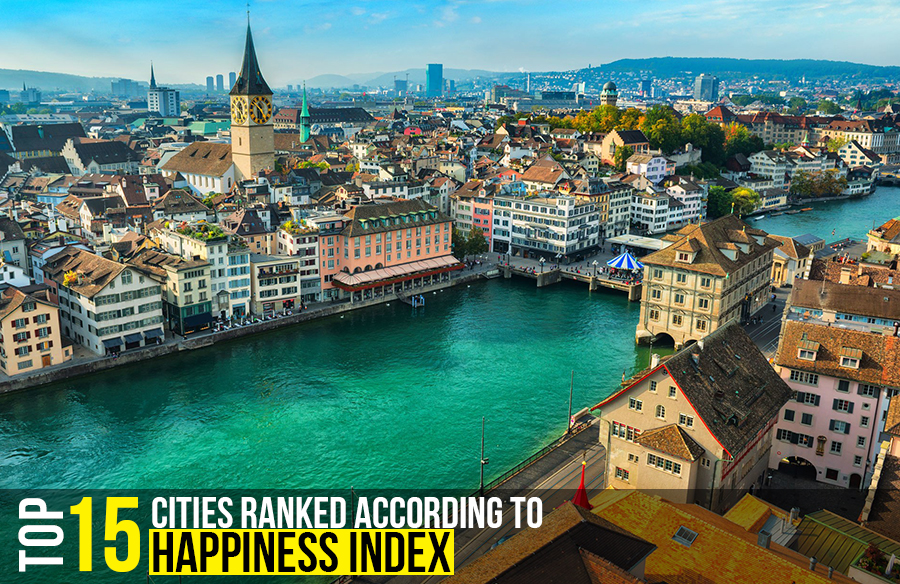
We understand the concept of Happy individuals and Happy communities, but have you heard about Happy cities? Rapid urbanization poses many problems for city residents as the population in urban areas continues to expand. Several things can contribute to this, such as a lack of proper infrastructure, lack of social cohesion, poor air quality, etc. However, they can improve the quality of life for residents if addressed well, thus rendering them happy. The World Happiness Report ranks cities based on their subjective well-being, as measured by the Gallup World Poll. This article refers to the list as the Happiness Index and articulates the social, cultural, and environmental aspects that may contribute to happiness in the top 15 cities.
1. Helsinki, Finland | Happiness Index
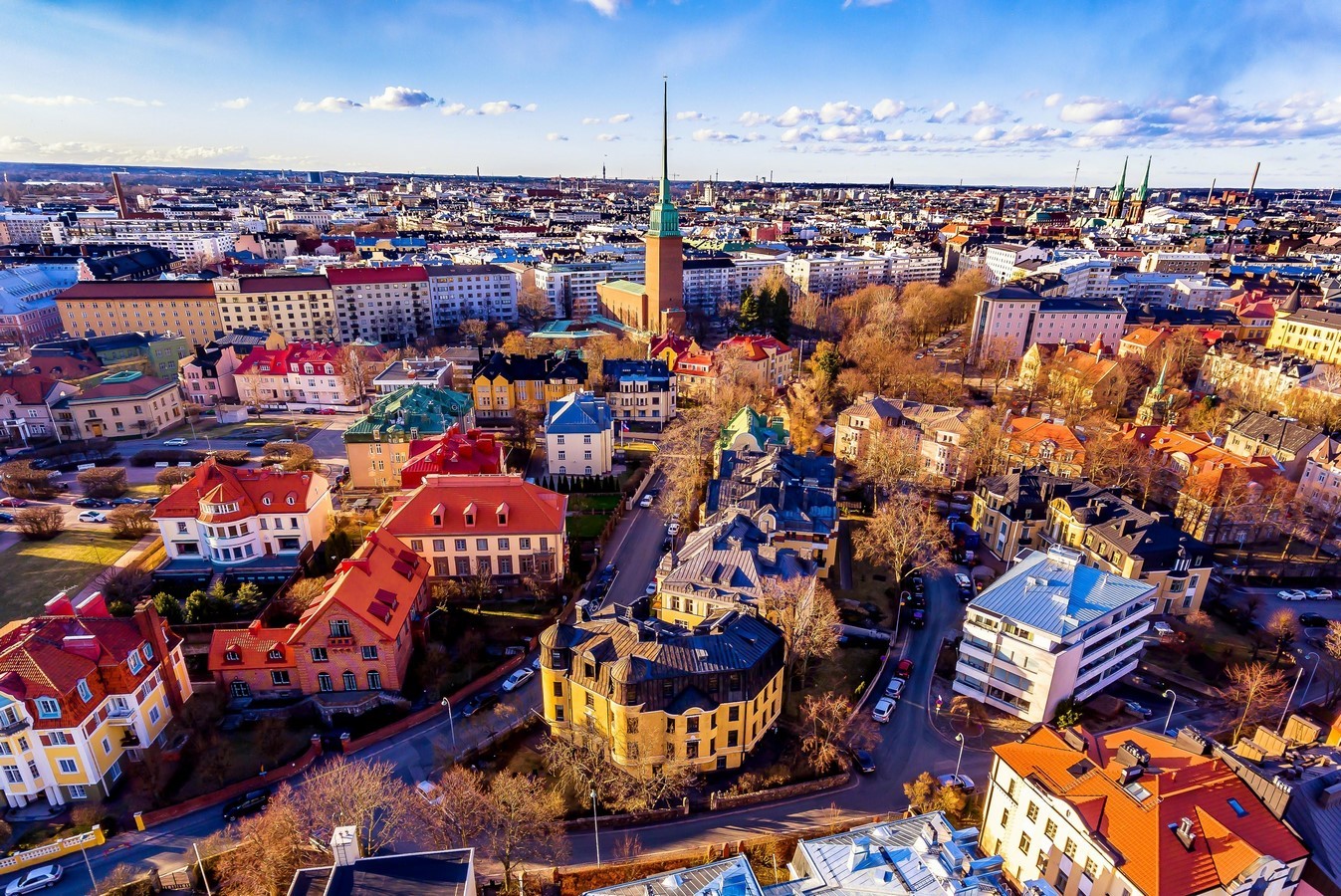
The Finnish capital Helsinki has topped the Happiness Index for years.
Social
A happy life in Helsinki is based on social equality, including service availability, service quality, and public engagement. In Finland, there is ‘a sense of full satisfaction and security’ as per the people. Helsinki has been called one of the world’s most functioning cities for its well-organized systems and neighborhoods. Work-life balance is also achieved thanks to the city’s efficient public transit system that reduces travel time.
Cultural
Helsinki’s high quality of life is aided by its cultural infrastructure, including many concert halls, music theatres, and public libraries. The city invites self-driven community organizations to use its space more casually and playfully.
Environmental | Happiness Index
Helsinki is developing smart and digital urban solutions to save energy, improve mobility and quality of life.
2. Aarhus, Denmark
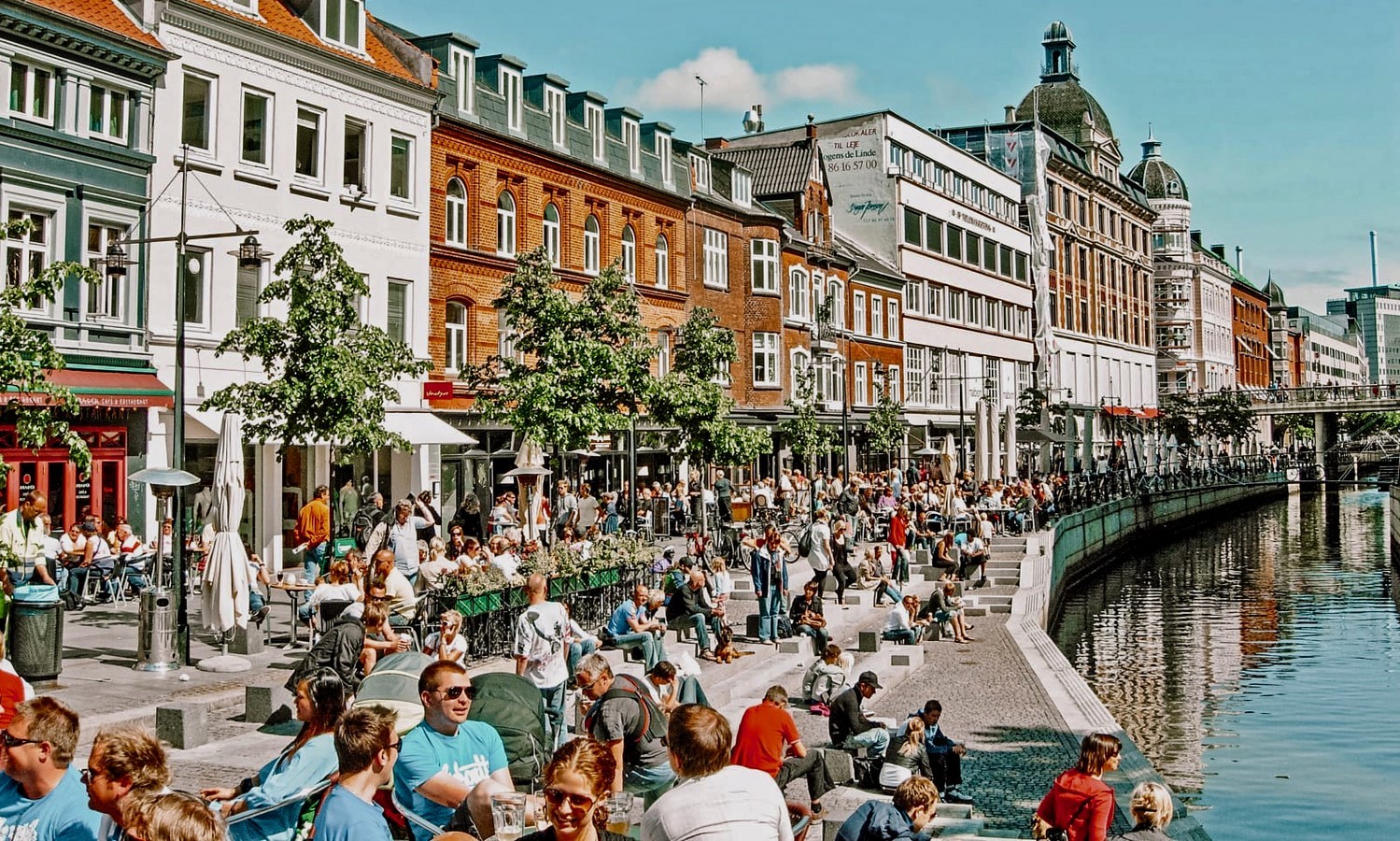
Otherwise known as the “City of Smiles”, Aarhus, Denmark’s second-largest city, ranks second on the Happiness Index.
Social
Aarhus is a small city where residents know and care about one another. They treat everyone equally, whether they’re a CEO or a garbage collector. Additionally, the city is home to renowned institutions that offer free education and healthcare.
Cultural
Aarhus is a medieval Viking city formed around Aarhus Cathedral in 750. It is full of beautiful architecture, vintage lifestyles, and a wide range of restaurants, from Michelin-starred to traditional to contemporary Nordic food.
Environmental
Residents enjoy the city’s proximity to the sea and forest. Walking and cycling to work in Aarhus contribute to sustainability.
3. Wellington, New Zealand | Happiness Index
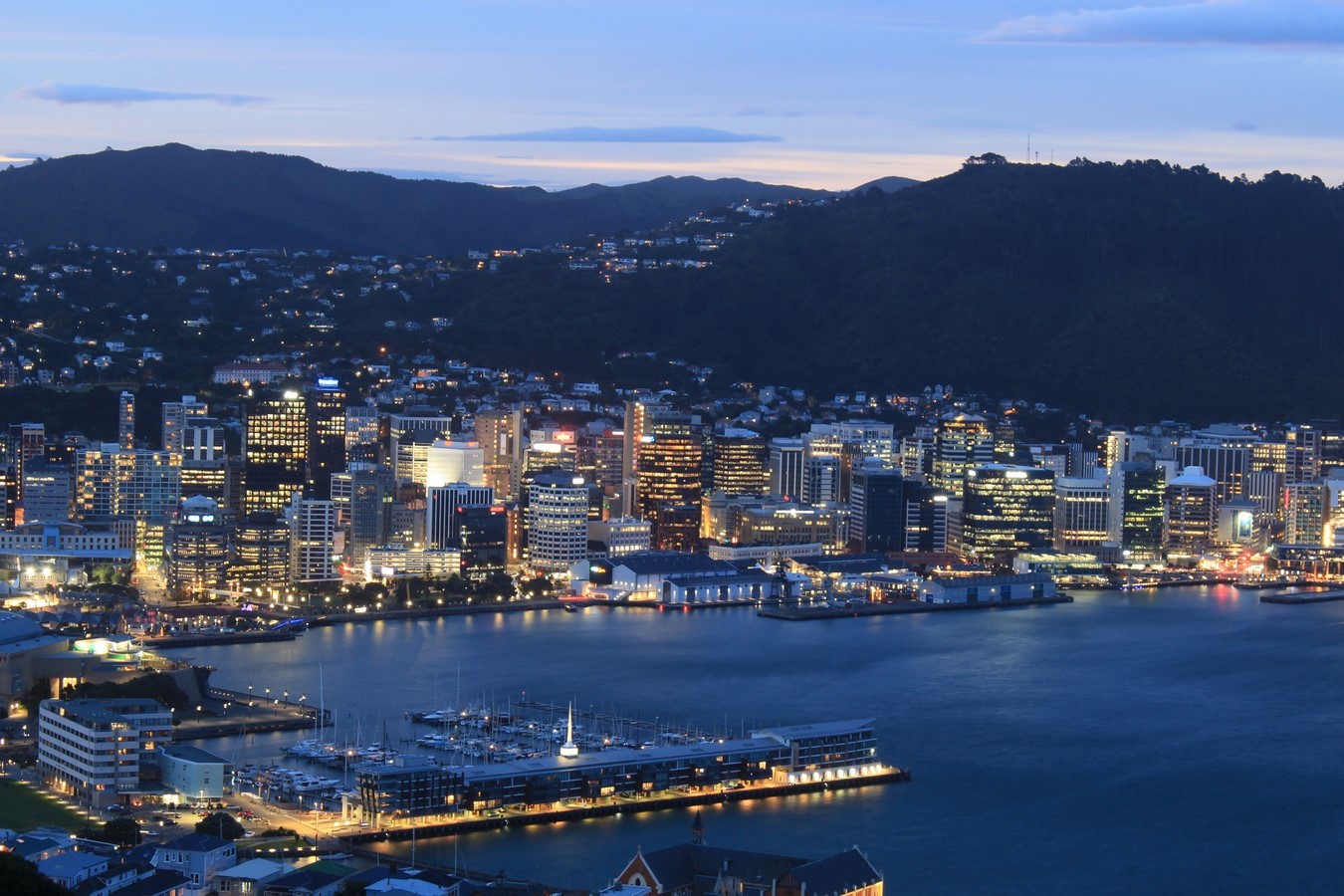
Wellington, the only non-European city in the Top Five of the Happiness Index, is lauded for combining small-town friendliness and convenience with big-city resources and excitement.
Social
#7 in Safe Cities Index 2021.
#2 in Deutsche Bank Quality of Life Survey
There are many ways to travel across the region by train, bus, or ferry although it is easy to commute by bike, foot, or scooter in this little city. The country’s educational system is among the greatest in the world (OECD).
Cultural
Wellington, dubbed a culinary and creative center, is all about lifestyle, a town where people work to live, not vice versa.
Environmental
The City Council has an eco-city wing, promoting sustainable homes, low-carbon transportation, sustainable food efforts, and waste reduction.
4. Zurich, Switzerland
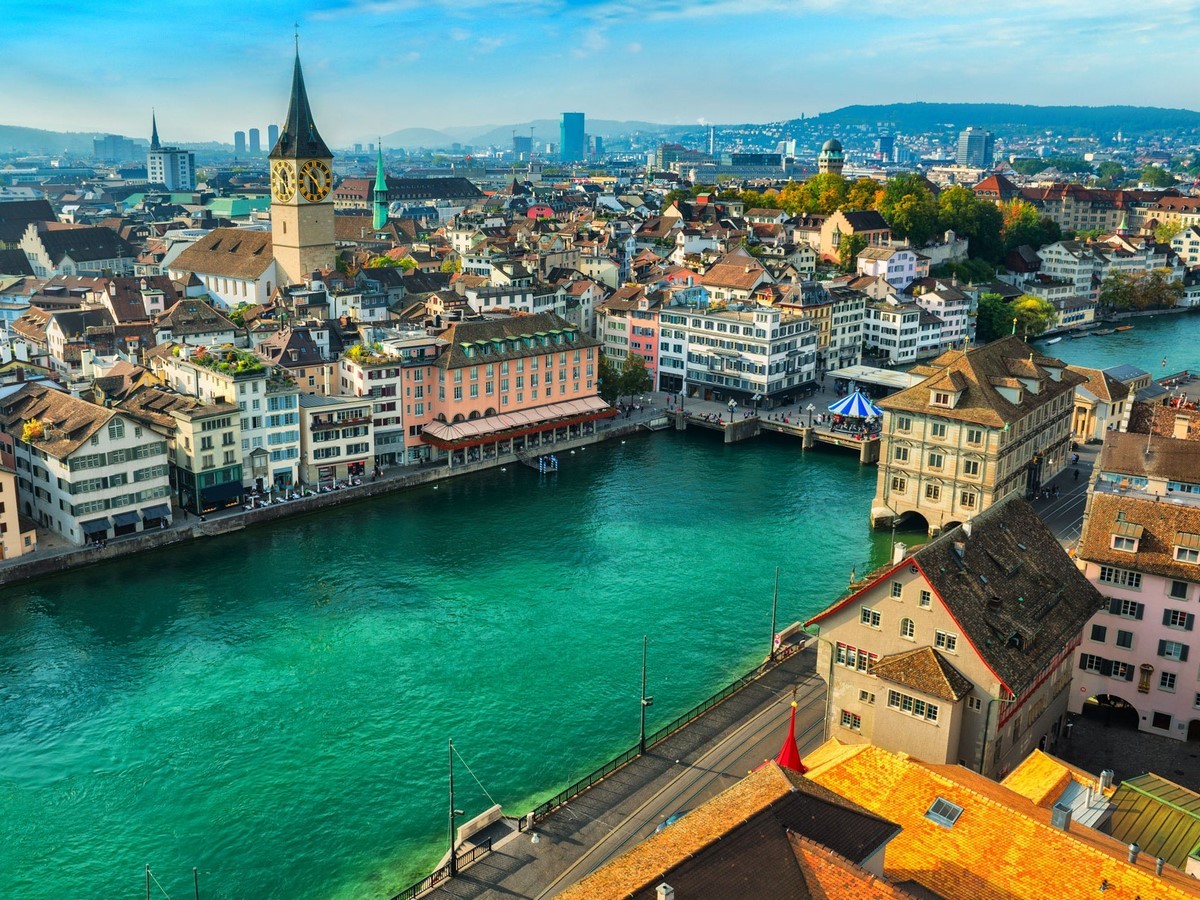
Zurich, Switzerland’s capital, is a global financial center. Its past is maintained in the “Old Town” and its future is protected on the other side of the city.
Social
It is a development and research hub, with two world-class institutions, has excellent public transit, and a high standard of living. The Swiss are usually healthy, with one of the world’s lowest obesity rates and a long-life expectancy.
Cultural
Zurich is a global center for the arts and sciences, where tradition meets futuristic thinking. It currently attracts young talents from Switzerland and internationally, creating a diverse population. The cultural centers, exhibition spaces, and recurrent events provide a cultural program for Zurich’s mixed culture.
Environmental
The surroundings are calm and magnificent, making achieving a work-life balance simpler in Zurich.
5. Copenhagen, Denmark | Happiness Index
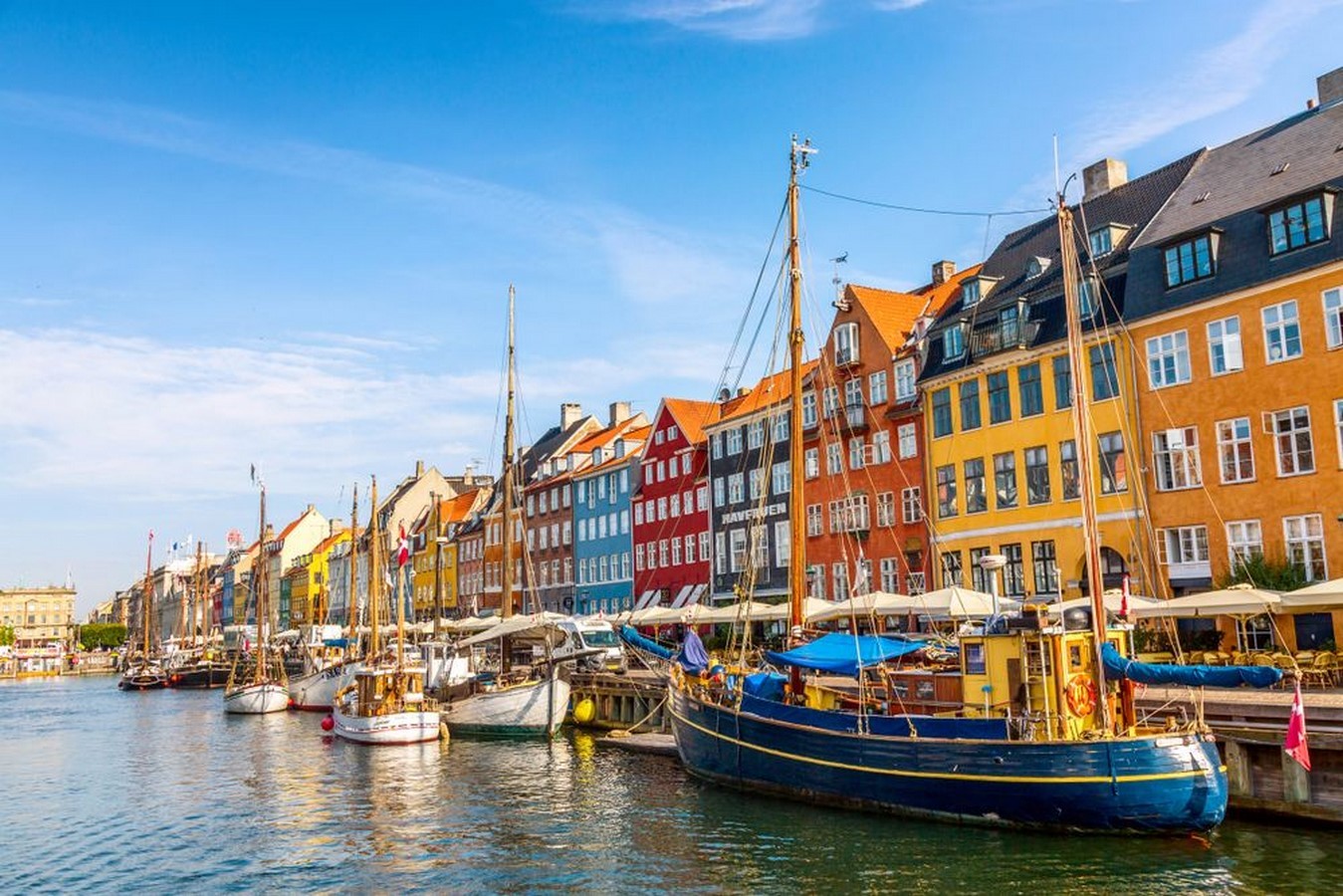
Ranking high on the Happiness Index, Copenhagen draws many visitors to see Europe’s best works of art.
Social
Copenhagen places first in the Safe Cities Index 2021.
It is also a world-renowned model of excellent urban development methods. The modern architecture, appealing public spaces, and bustling human activity define its vibrant mixed-use city core.
Cultural
Scandinavia’s cultural capital is preserved thanks to considerable infrastructural and cultural investments and a new generation of Danish architects, designers, and chefs. The art, literature, and 15 Michelin-starred restaurants also speak volumes about the city culture.
Environmental
The city is planned such that a park or beach is within a 15-minute walking distance for all inhabitants. Copenhagen is also the world’s most bicycle-friendly city, contributing to a greener environment.
6. Bergen, Norway | Happiness Index
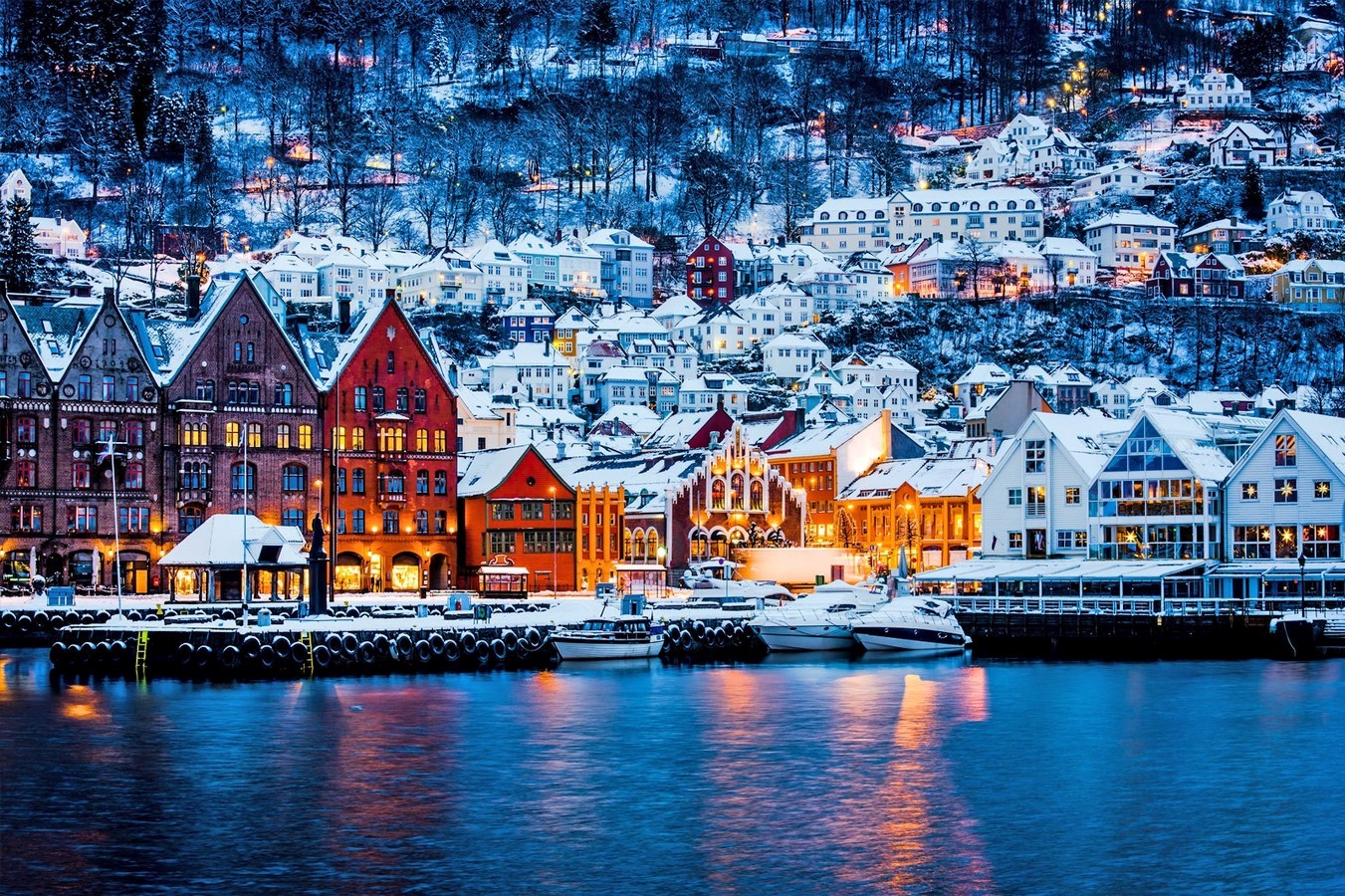
Bergen, with its colorful wooden houses, scenic views, and beautiful Norwegian Fjords makes it to the top of the Happiness Index!
Social
Trading dates back to the 1020s in Bergen, Norway’s second-largest city. Aquaculture, shipping, offshore oil, and subsea technology are among the world’s most well-known industries in Bergen, and it is also known for higher education, journalism, tourism, and finance.
Cultural | Happiness Index
With its old castles, timber structures, and ports exuding history, UNESCO recognizes Bergen as a World Heritage Site. The picturesque streets complement the many architectural styles of the city, including Medieval, Art Nouveau, and Contemporary.
Environmental
Bergen is known as the ‘gateway to the fjords’ because of its beautiful waterfalls and steep mountains. Its main attractions are the Hanseatic Wharf and the fish market, surrounded by the seven mountains.
7. Oslo, Norway
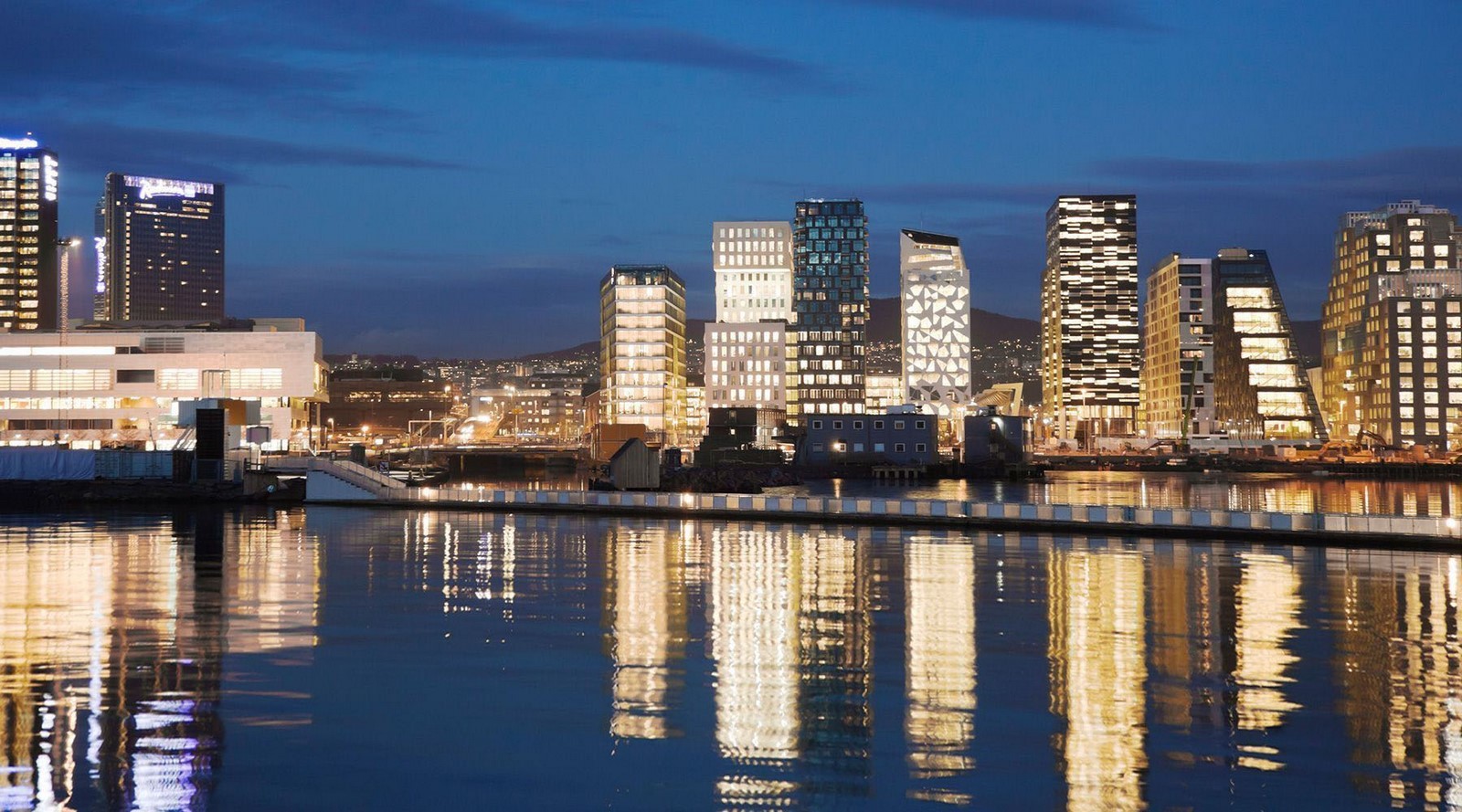
Oslo, Norway’s capital, is one of the world’s most expensive cities to live in!
Social
The residents of Oslo believe they are being cared for, owing to universal healthcare and free college tuition. With an average workweek of 38 hours, they have a work-life balance. The city also has a low crime rate and a strong sense of community.
Cultural
Established in the 1040s, the city of Oslo had to be relocated, owing to a fire in 1624. Oslo boasts of museums, restaurants, Nobel peace centers, and operas of world-class acclaim.
Environmental
Oslo is probably the only place that is one-third urban, and two-thirds woods, parks, and natural areas. It allows residents to enjoy city life while enjoying outdoor activities like hiking and riding.
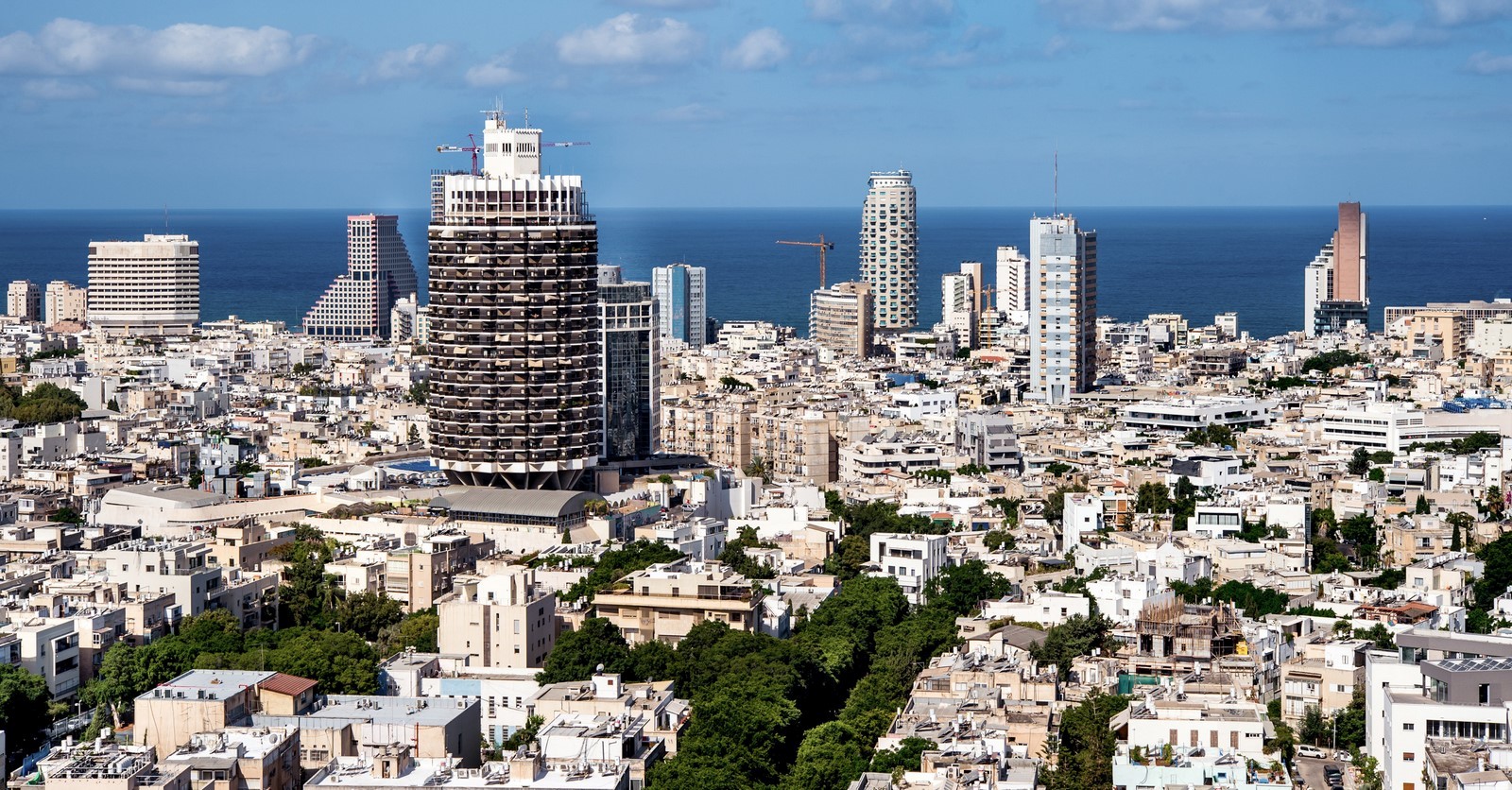
8. Tel Aviv, Israel | Happiness Index
The economic and technological center of Israel, Tel Aviv, is the most expensive city, yet it is in the top 15 of the Happiness Index!
Social
Founded in only AD 1909, as a Jewish suburb of Arab Jaffa, the city has made the most progress as any other.
Cultural
Having the highest concentration of International Style buildings in the world (around 4000), the White-city in Tel-Aviv is a UNESCO World Heritage Site. These include Bauhaus and other modernist architectural styles.
Environmental
Tel Aviv’s sustainable initiatives include a water-saving campaign that offers free parking to homeowners who use the least water per person, converting an abandoned power station into an eco-friendly public park, and turning an old rubbish dump into an attraction.
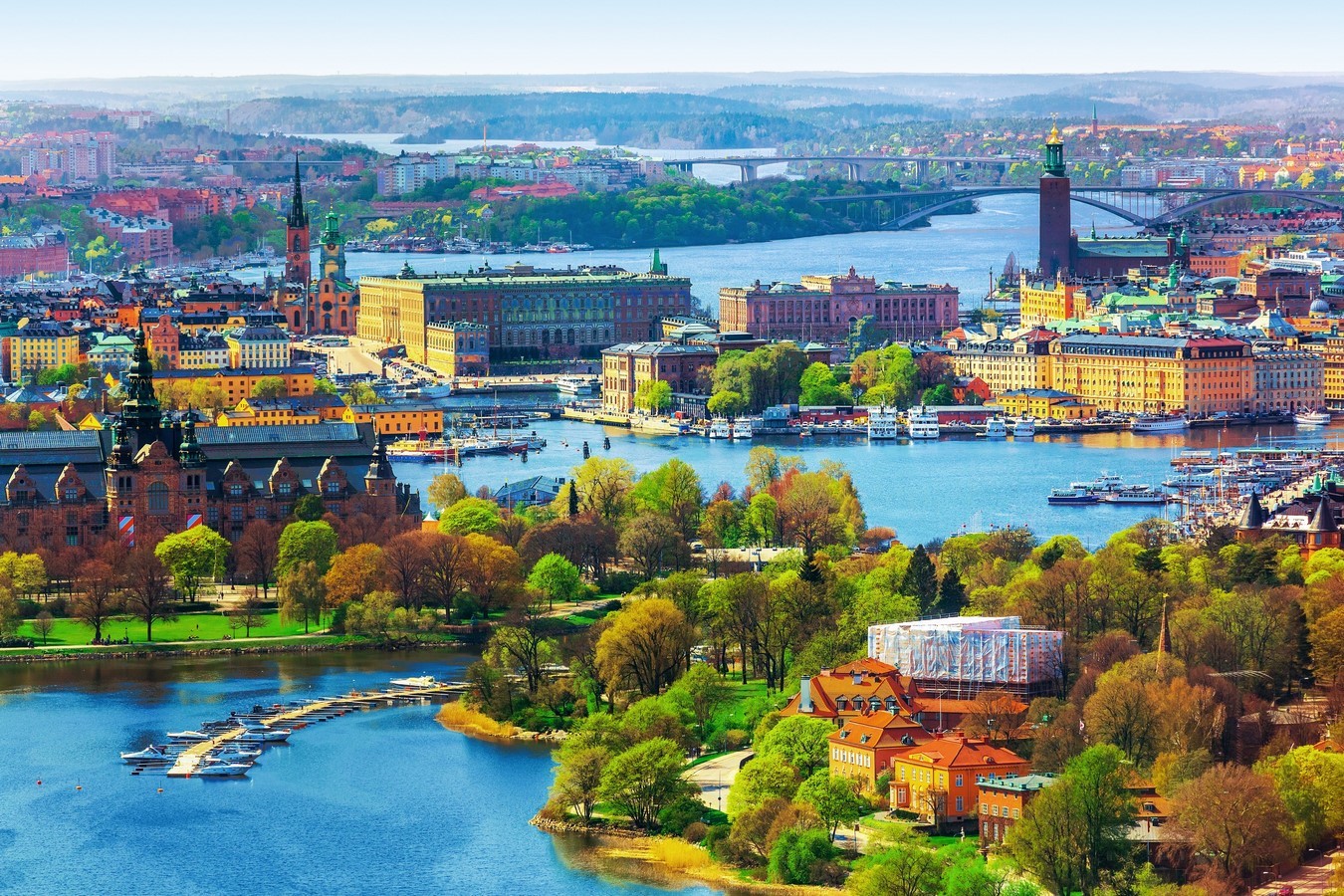
9. Stockholm, Sweden
Stockholm comprises 14 magnificent islands linked by 55 lovely bridges.
Social
The city has an extensive transportation system, including the City Line, an eco-friendly, 6-kilometer-long commuter train tunnel.
Cultural
The region has been inhabited since the Stone Age (BC 6th Century), while Stockholm was formed in 1252. Many people consider Stockholm’s streets as a work of art.
Environmental
One of the reasons Stockholm ranks high on the Happiness Index is its eco-friendly approach towards all initiatives. Awarded the European Green Capital Award for its local transportation, waste, and water consumption, Stockholm is one of the world’s cleanest cities. The city’s environmental policy intends to eliminate fossil fuel usage by 2050 and reduce CO2 emissions per capita by 25%.
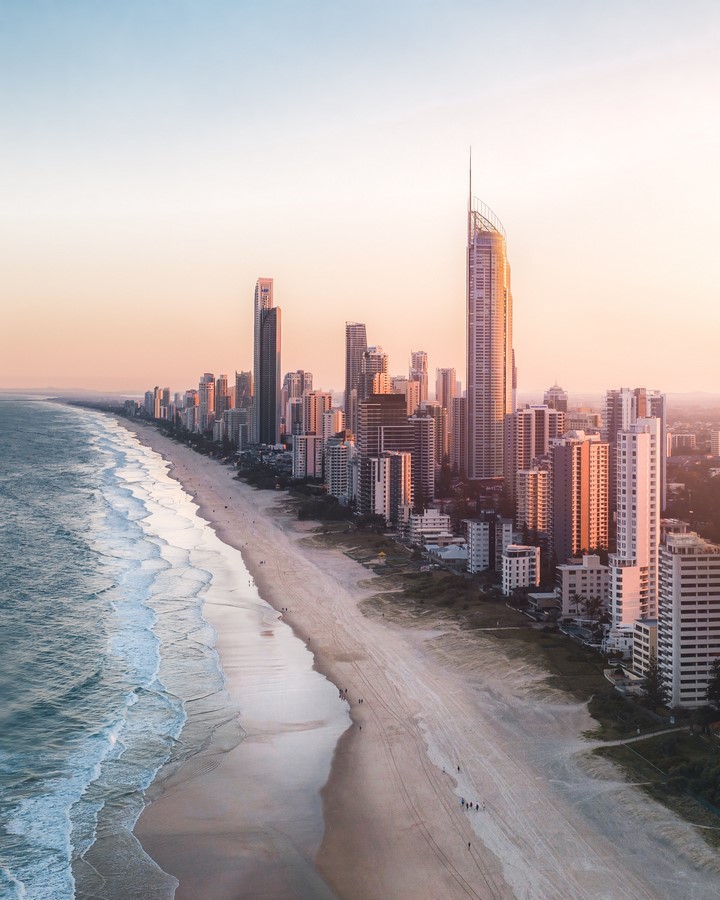
10. Brisbane, Australia | Happiness Index
Ranking 10th on the Happiness Index is the city of Brisbane, the capital of Queensland.
Social
Brisbane is connected through buses, trains, and green cabs. The low crime rate in the city has made it the world’s seventh safest city. It is also home to a world-renowned university, the University of Queensland.
Cultural
Brisbane is famous for its marketplaces like fashion streets, handicrafts markets, or Eat Street Markets. The Gallery of Modern Art, Queensland Art Gallery, Museum of Brisbane, and Science Centre are all located here.
Environmental
Brisbane’s biodiversity is well-known, with over 2000 parks and 2500 plant species. The city is noted for its cliffs, offering spectacular views of the Captain Cook Bridge, the City Botanical Gardens, and the river. Brisbane is Australia’s first city to be ranked on the Sustainable Cities Mobility Index.