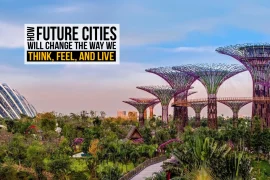
A crucial concern in recent years has been given to the smart cities concept that uses information and communication technology to raise the quality of life. Smart cities are metropolitan regions that apply technology and data use to raise the standards of living for their residents, according to an approach that has attracted a lot of attention lately. Smart cities provide a variety and wide range of advantages; however, they also present several social challenges that must be addressed to achieve an inclusive and equitable smart city. The growth of smart cities is done in a direction that benefits all people by putting a priority on data privacy and security, promising inclusion, and maintaining human connection. Governments, local authorities, and individuals must collaborate to build a future in which technology improves urban living while maintaining social cohesion.
Digital Accessibility
Smart cities face the possibility of a wider digital concern, which is a crucial and main challenge. As technology is more thoroughly incorporated into urban infrastructure, having access to digital devices and fast internet is necessary for people to fully take advantage of what smart cities have to offer. Moreover, not every resident may have the resources or expertise to efficiently enter, have digital accessibility, and use technology. As a result, there is a gap between those who can benefit from smart city projects and those who fall behind. Governments and urban planners must give digital inclusion efforts top priority in order to address this issue. This may entail enabling accessible or cost-free internet access in public areas, providing courses in technology and computer literacy, and making sure everyone has access to reasonably priced gadgets. Smart cities can guarantee that all citizens have access to technology-driven services and opportunities by bridging the world.

Digital Data security and privacy concerns
As the optimization of urban systems depends on the analysis of enormous volumes of data, privacy and data security issues become crucial. A large amount of data is gathered in a smart city from a variety of sources, such as security cameras and sensor-enabled infrastructure. Residents may lose faith in technology and the city’s objectives if they are concerned about possible misuse or unauthorized access to their personal information. Privacy violations can have serious repercussions, such as identity theft and spying. Smart cities must place a high priority on effective data protection measures to overcome these issues. To sustain public confidence and solve privacy concerns, smart city efforts must invest in strong data protection mechanisms and build open governance systems. This entails put into place stringent frameworks for data governance, maintaining openness in data usage guidelines, and utilizing secure infrastructure and encryption methods. Additionally, citizens should be informed of their rights surrounding data privacy and be given the choice over how their information is gathered and used. Smart cities may foster more trust among their citizens and boost participation in their programs by placing a high priority on privacy and data protection.

Social equity of the community and inclusivity
The issue of inclusivity and accessibility is considered too as a social challenge related to smart cities. If smart cities are not developing with inclusivity and fairness in mind, and if the workplace is not sufficiently training for this technology’s growth, they may serve to worsen already existing social inequities. Applying for access to smart city services and reaping the benefits of infrastructural and technological developments may be difficult for disadvantaged areas. Unemployed and underemployed people would left out because of artificial intelligence and automation, which would cause a lot of job replacements. In order to meet this challenge, it is essential to provide people with sufficient education and knowledge needed for the changing labor market, by investing in their abilities, education, and skill-building initiatives. In addition, smart city programs should dynamically immerse marginalized communities and include them in the decision-making process in order to ensure social inclusion and equity; this can be accomplished by involvement from the community, collaboration with neighborhood groups, and focused programs that cater to the needs of underprivileged populations. Planning for smart cities should also take into account policies for cheap and affordable housing, accessible transit, and fair access to healthcare and education. Smart cities can improve urban cohesion and harmony by emphasizing social inclusion and justice.

Conclusion
By utilizing technology and data, smart cities have the potential and a great deal of promise to change urban living. Addressing the social challenges posed by their development is crucial, though. Smart cities may promote inclusion, enhance the quality of life, and build sustainable urban settings for all citizens by putting a priority on privacy protection, resolving socioeconomic gaps, minimizing job displacement, and abiding by ethical principles. All inhabitants can benefit from the development of smart cities by bridging the digital divide, prioritizing privacy and data security, assuring social inclusion, and promoting equity. Governments, city planners, and residents must collaborate to make sure that the development of smart cities is not just technologically cutting-edge but also sustainable and socially responsible.
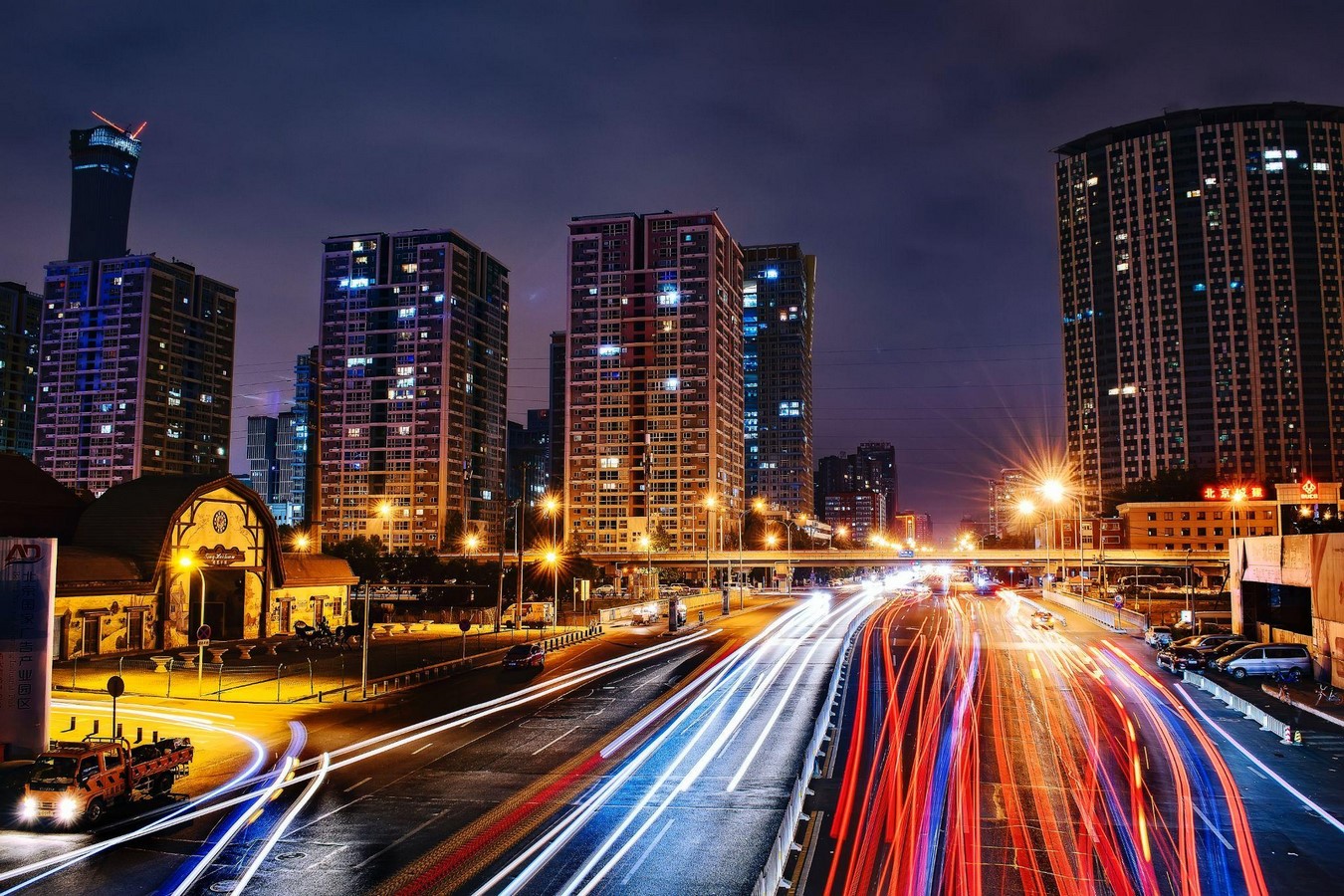
Image 5_ smart cities_ ©Tumisu
References
- Burch, S. (2021). Accelerating a Just Transition to Smart, Sustainable Cities. Centre for International Governance Innovation. http://www.jstor.org/stable/resrep30264
- CICEA, C., MARINESCU, C., & PINTILIE, N. (2019). SMART CITIES USING SMART CHOICES FOR ENERGY: INTEGRATING MODERN BIOENERGY IN CONSUMPTION. Theoretical and Empirical Researches in Urban Management, 14(4), 22–34. https://www.jstor.org/stable/26816976
- Smith, J. (2021). Privacy and Data Security in Smart Cities. Journal of Urban Technology, 27(3), 123-145
- Johnson, L. (2020). Addressing the Digital Divide in Smart City Initiatives. Urban Studies, 37(2), 67-89
- K. Zhang, J. Ni, K. Yang, X. Liang, J. Ren, and X. S. Shen, “Security and privacy in smart city applications: Challenges and solutions,” IEEE Communications Magazine, vol. 55, no. 1, pp. 122–129, 2017
- Kshetri, N. (2017). CYBERSECURITY AND PRIVACY ISSUES FACING SMART CITIES: CHALLENGES AND POLICY RESPONSES. In T. Saadawi & J. D. Colwell (Eds.), CYBER INFRASTRUCTURE PROTECTION VOLUME III (pp. 103–136). Strategic Studies Institute, US Army War College. http://www.jstor.org/stable/resrep11978.8
- Y. Li, Y. Lin, and S. Geertman, “The development of smart cities in China,” in Proc. of the 14th International Conference on Computers in Urban Planning and Urban Management, 2015, pp. 7–10