Brief History of Kolkata
Kolkata had humble beginnings at the end of the 17th century. Little did anyone imagine that the ordinary village settlement of Kalikata would transform to emerge as the city of trade and the centre of Colonial power when a British East India Company official- Job Charnock acquired it along with two other villages Sultanuti and Govindpur in 1698, from the grant of the Mughal emperor (Jahangir) at the moment. The city has had the inherent advantage of being cradled by the Hoogly, opening it out to the Bay of Bengal, thus making its location strategic. The anglicised name- Calcutta was given to it and the British established Fort William to oversee the trading activities.
Calcutta was named the capital of British India in 1772 and expanded with intellectual effervescences during the awakening movements as the reform movements and leaders were concentrated in Bengal. Modernism dawned in Calcutted and further spread to different parts of India. The developments in the form of making it the seat of the Supreme Court, instituting a legacy of universities for education, laying down the railways and playing with art and architecture in Bengal drove the city’s rise to a complex urbanised settlement. Today, Kolkata in New India is an amalgamation of cultures thriving alongside rapid growth, modernisation and individualistic expressions of the city.
The Origin of Mansion Culture
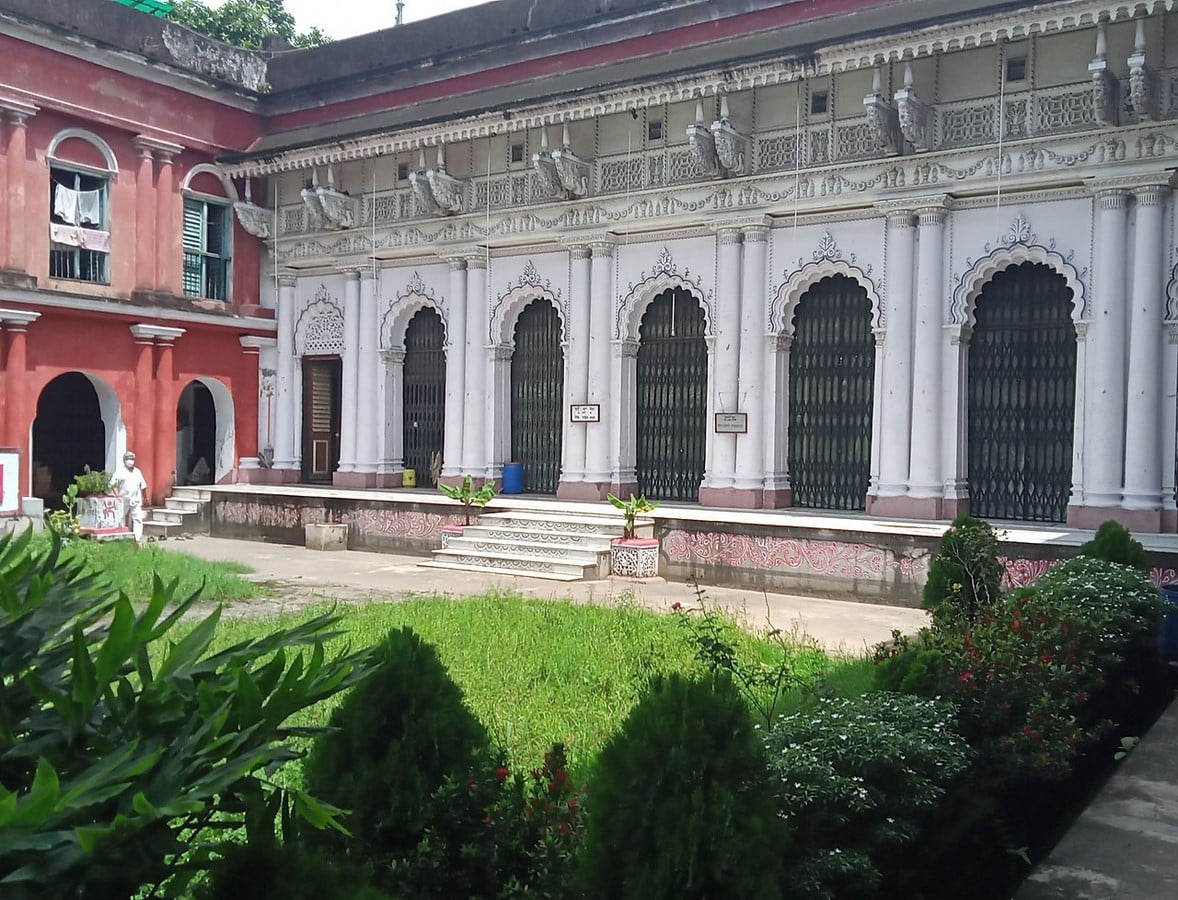
Raja Nabakrishna Deb’s ancestral palace is the most renowned mansion in Shobabazzar in North Kolkata, thanks to the quid-pro-quo nexus with the British that set apart Deb’s position amongst the other Bengali elites. The simple plan became a magnificent built-form with a huge courtyard highlighting the three sides of the residential space. The style also draws from the Mughal style mostly.
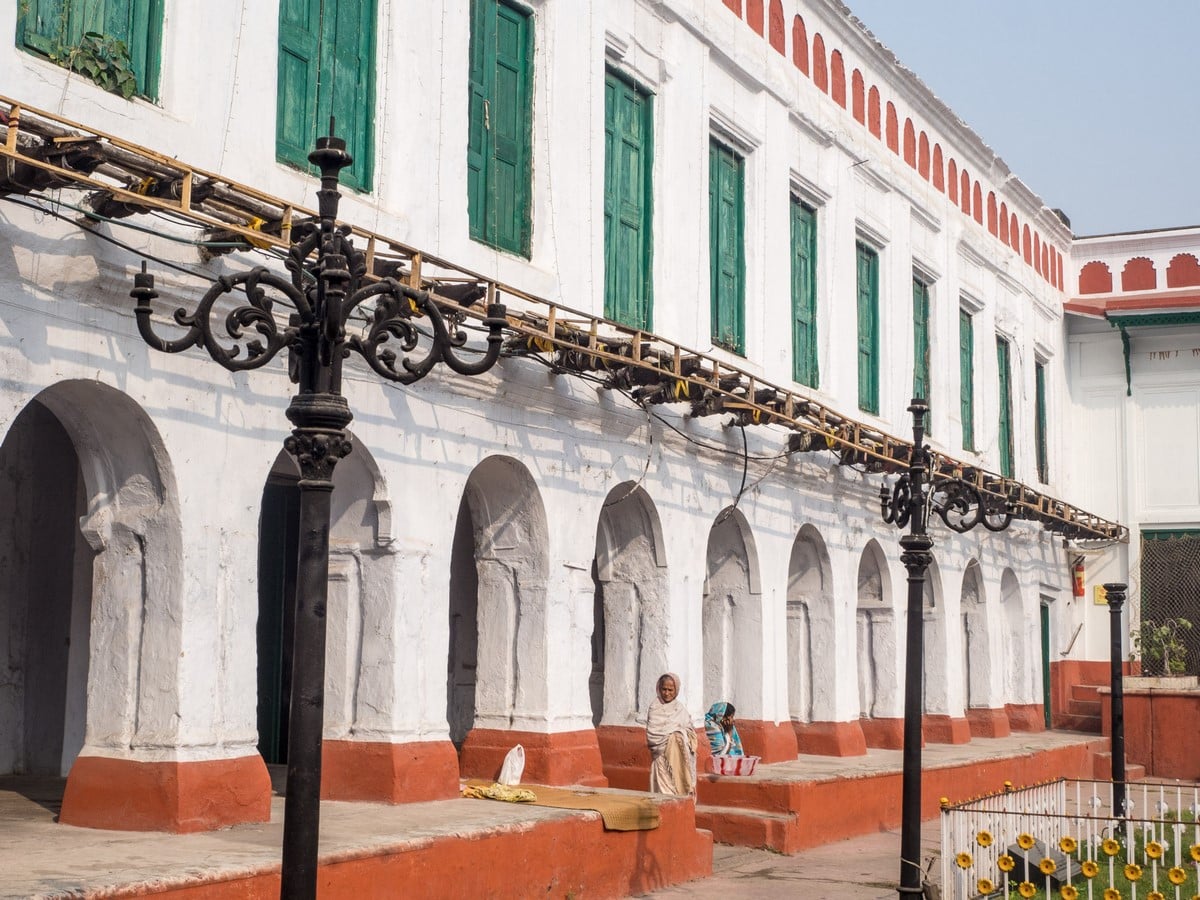
Architecture in Kolkata can be identified in the dichotomy of White areas and Black areas. Though not literally in the racist sense, this difference is obvious by the outlook of the planned streets, cobbled pavements & well-laid drainage in the case of former and narrow alleys, traffic-filled roads & crumbling houses.
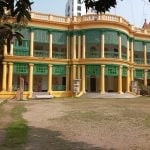
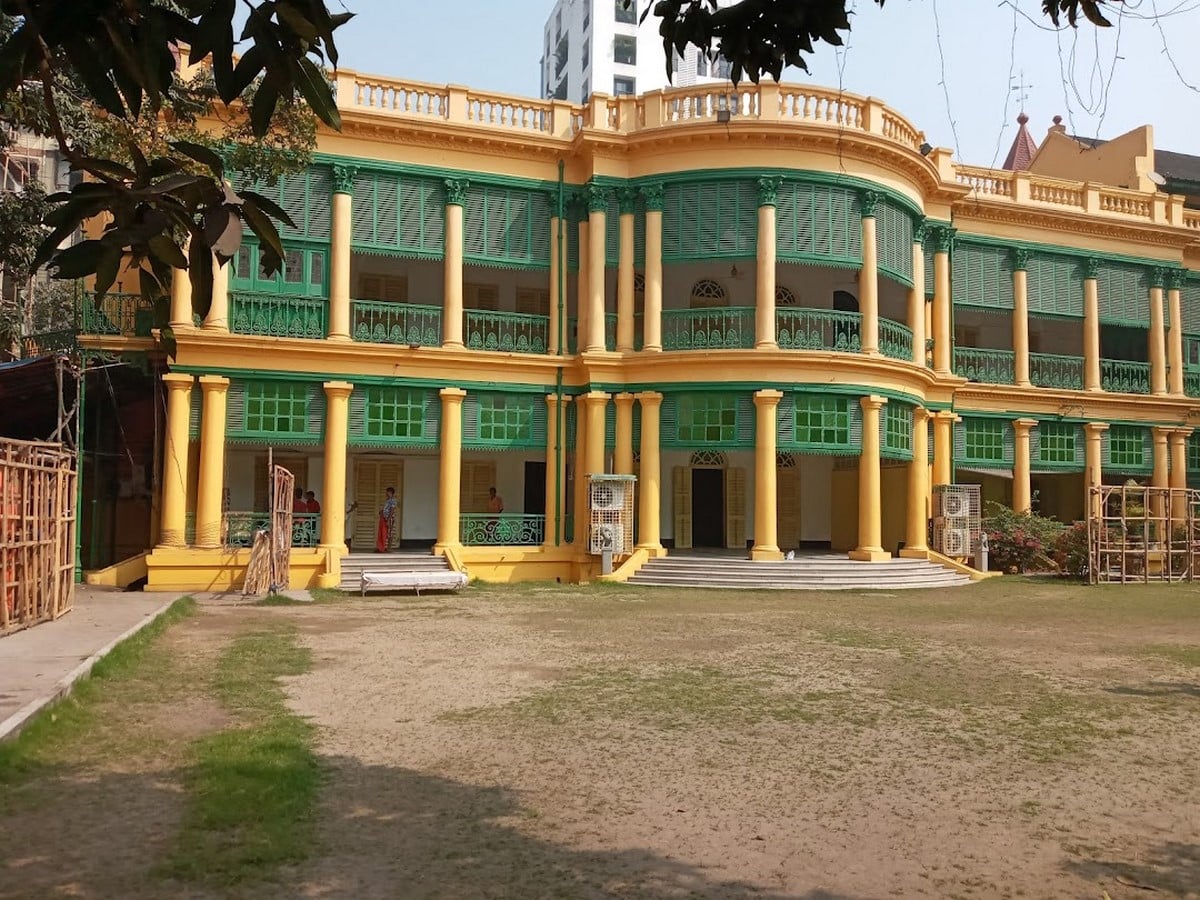
However, the apple of Kolkata’s architecture is unarguably the mansions and huge courtyard houses, which were built by the zamindar class of Bengalis, sometimes competing against the Neo-classical and British-imposed styles or as a blend of the indigenous culture and English inspirations, at other times. The native Bengali, Mughal, Greco-Roman, and British styles infused into the current remnant we see today.
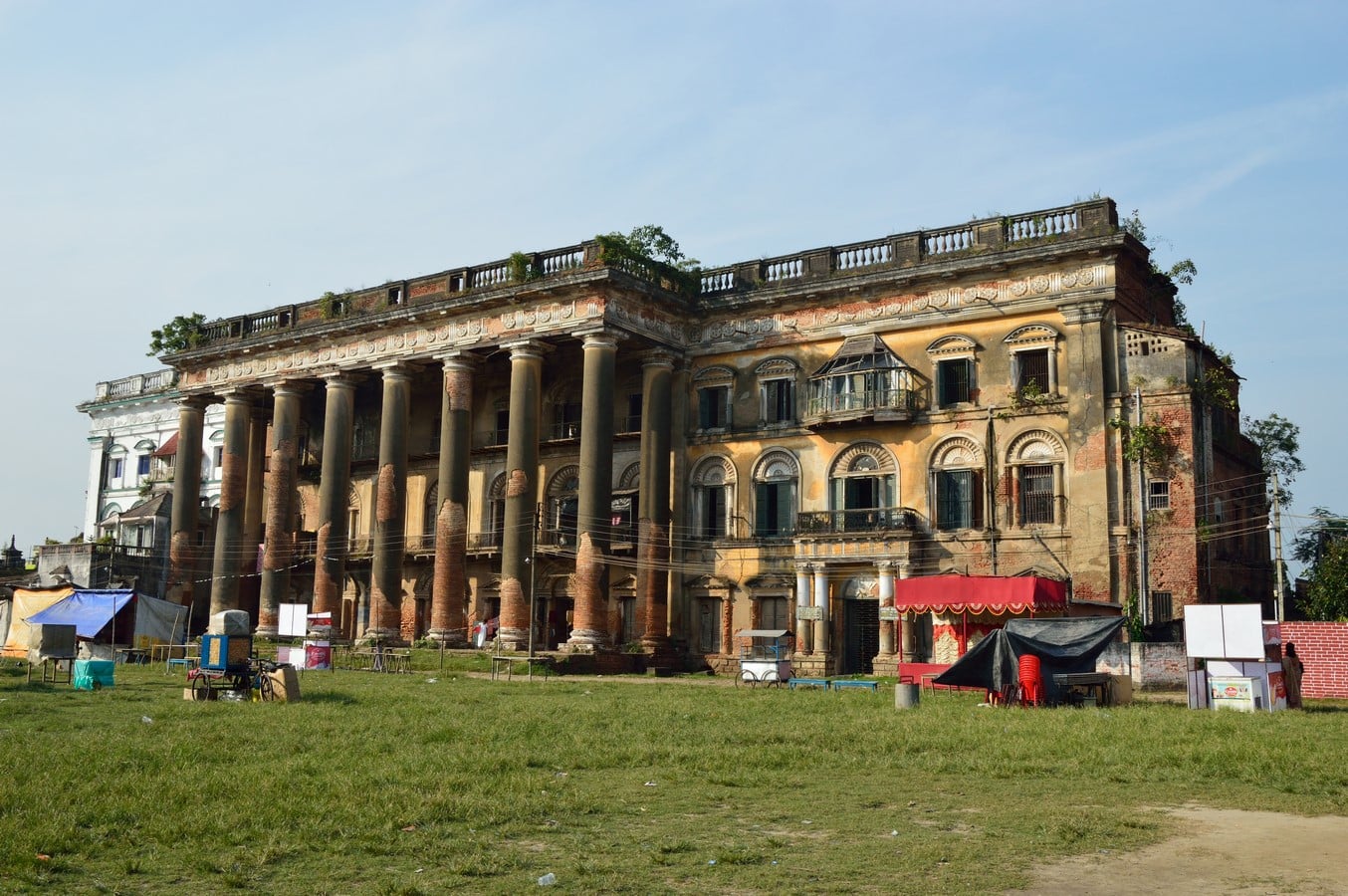
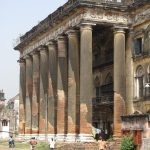
Andul Palace is situated on the west banks of Hooghly and it was built by Raja Rajnarayan Bahadur with the help of a British Architectural firm, hence the building reflects the European style strongly. It has three storeys, overhanging balconies, massive Doric pillars on the facade, etc.

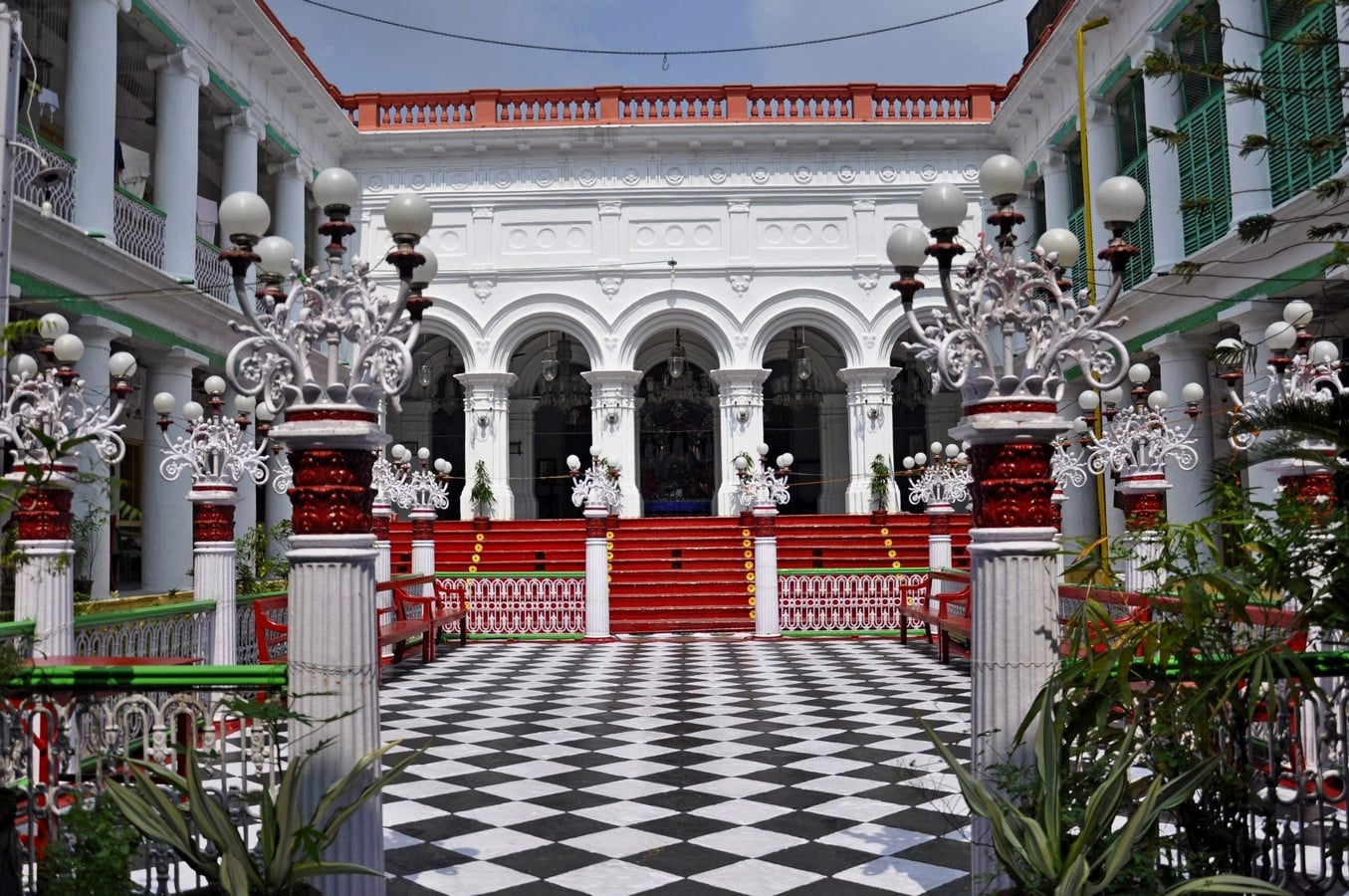
The mansion culture in Kolkata was mostly driven by personal elite interests, although the collision with British Architecture accelerated its sprawl in the northern parts of the city. The white town spread in the central and southern areas of the town was regarded by the artists and researchers as contrasting to the black town which is described as dingy, narrow and filthy, where the construction method was also different from the European method.
Evolution of Kolkata to ‘The City of Palaces’
Krishna Dutta, the author of ‘Calcutta, a Cultural and Literary History’ says, “The decaying mansions of the babus, who were the rich, British-influenced Indian gentry. They were built in a medley of architectural styles that V.S. Naipaul calls ‘Calcutta Corinthian’ and are unique”.
The mansions of Calcutta reflect the wealth and the grandeur life of the 19th and 20th-century elites. The history of Kolkata in the eyes of several researchers, authors and historians doesn’t justify the indigenous architecture of mansions with a titled focus towards the imperialistic, British-built marvels that take away the spotlight.
The reason behind the spike in the number of mansions was the social status that it offered to the rich, which enabled them to establish close contact with the ruling class and imitate their hospitality & hosting. This was also a way for upward mobility, political, economic & commercial advantages and to experience royalty with the rulers on an equal footing.
A Walk through the Mansions
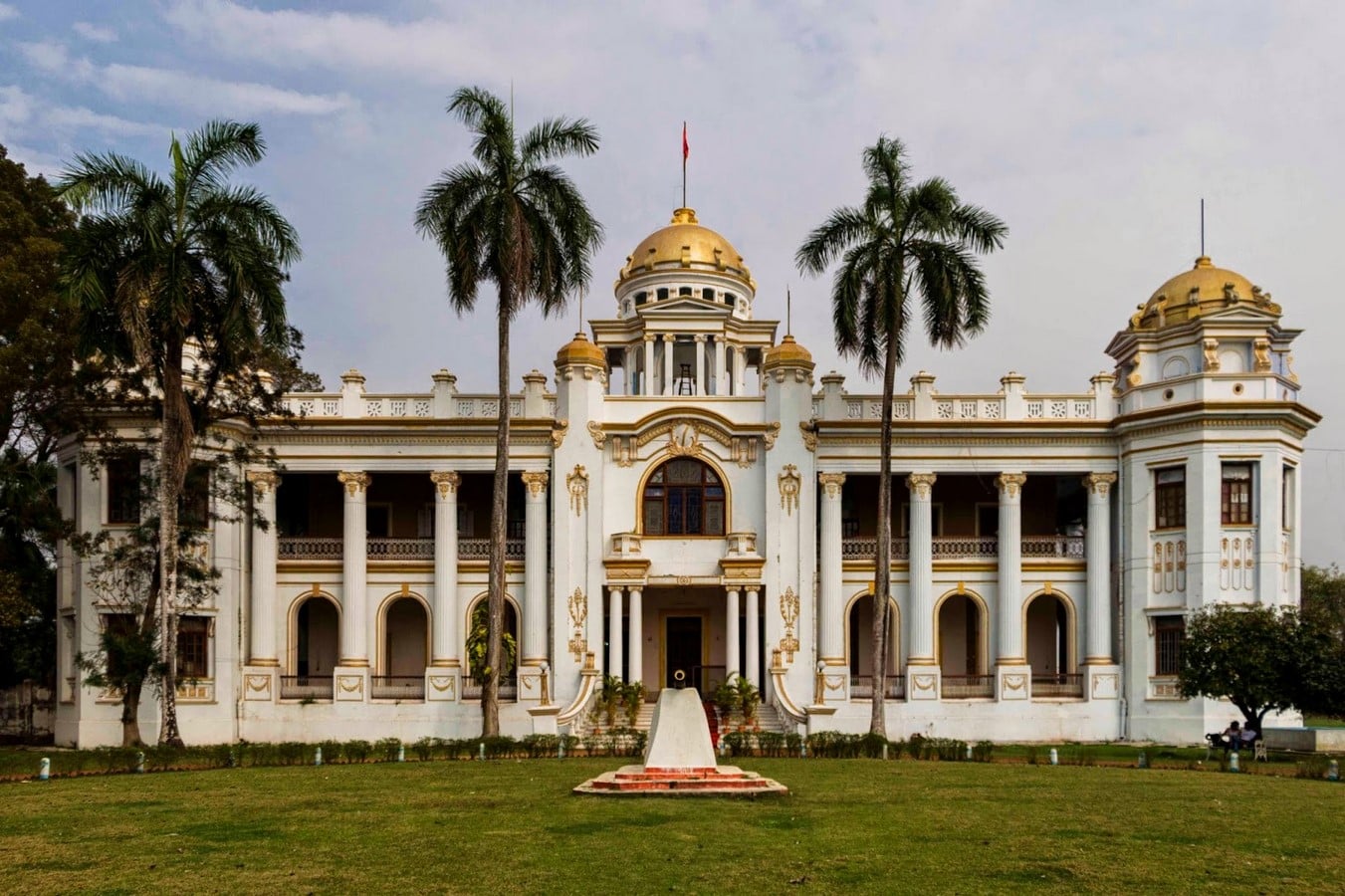
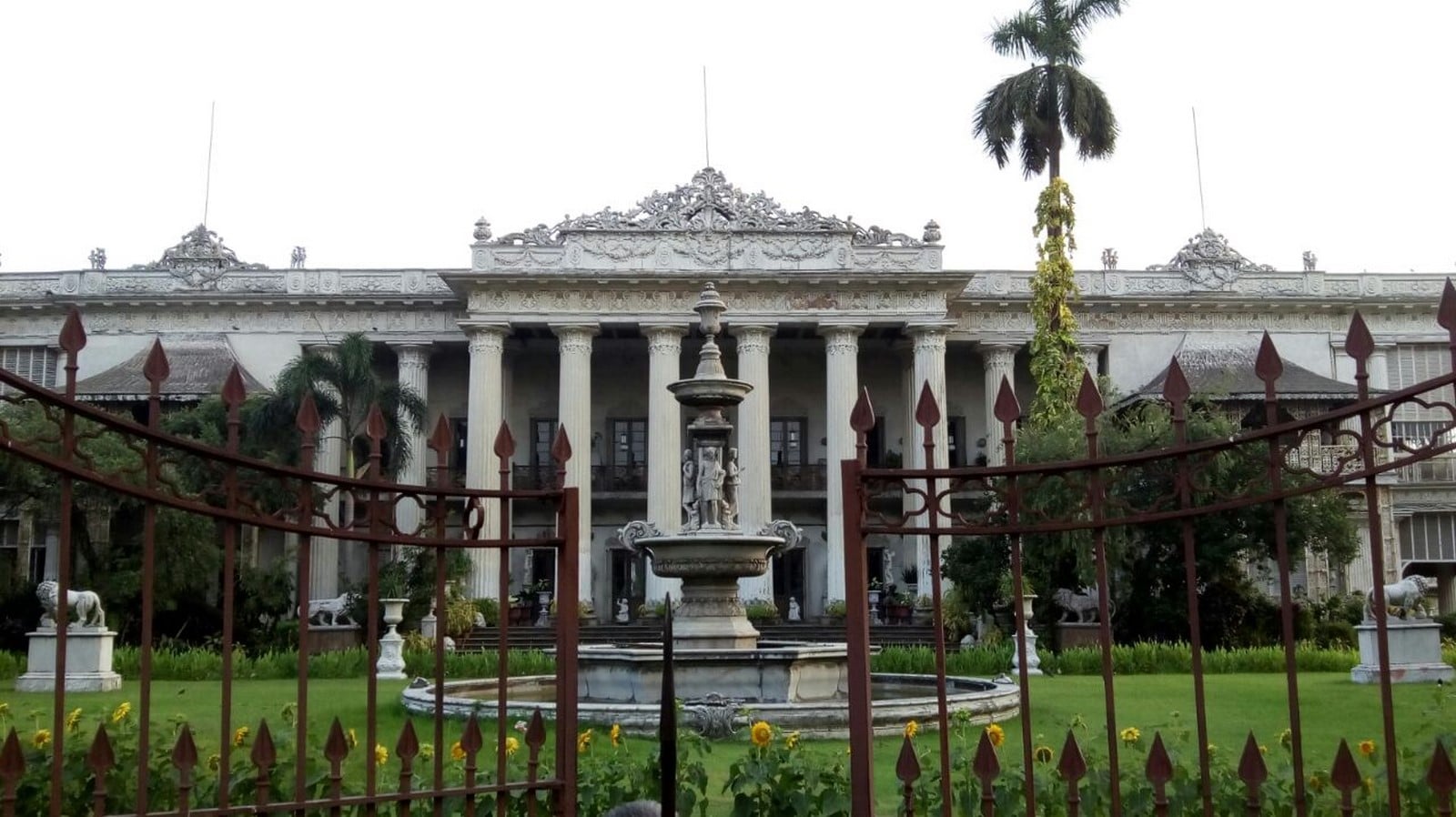
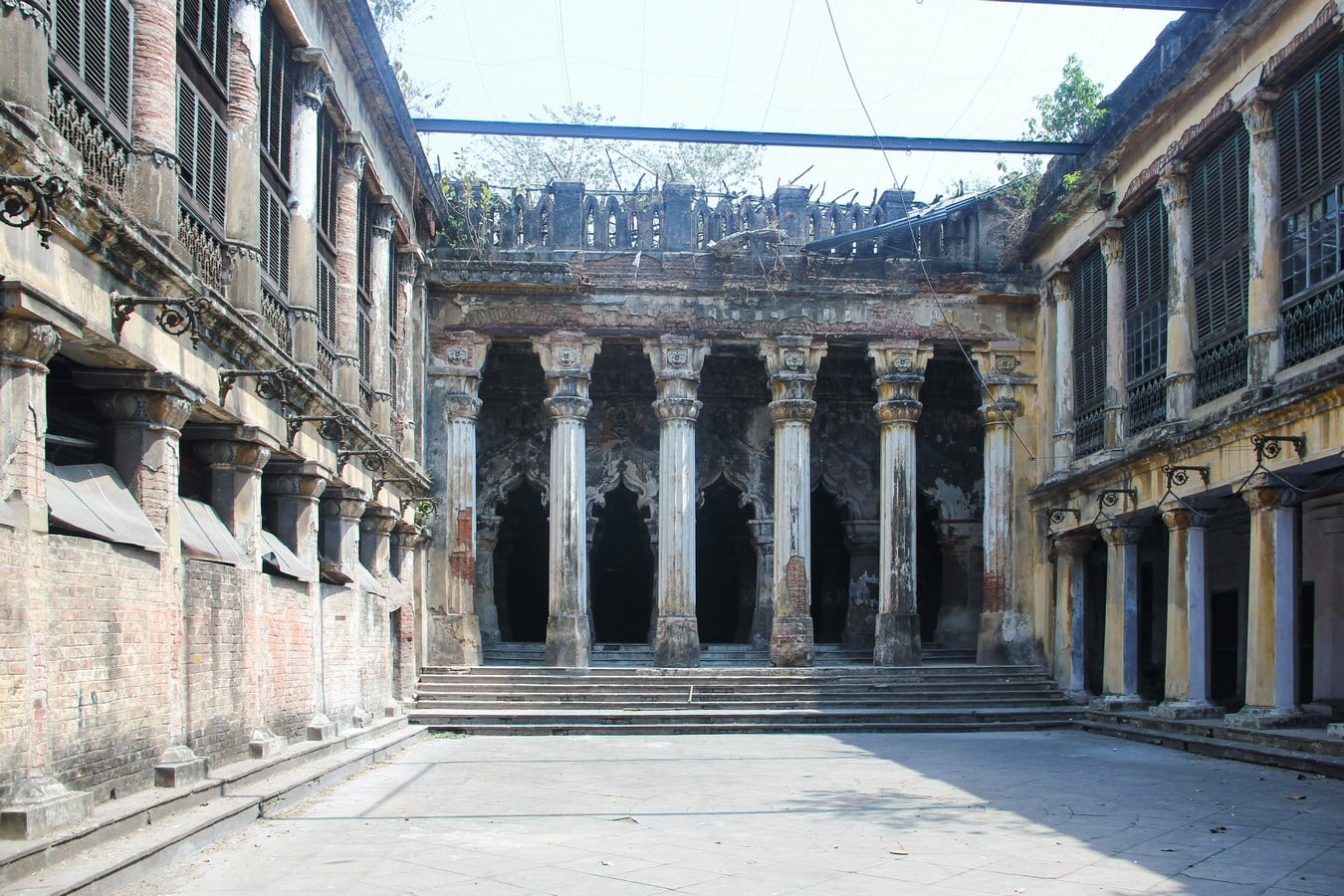
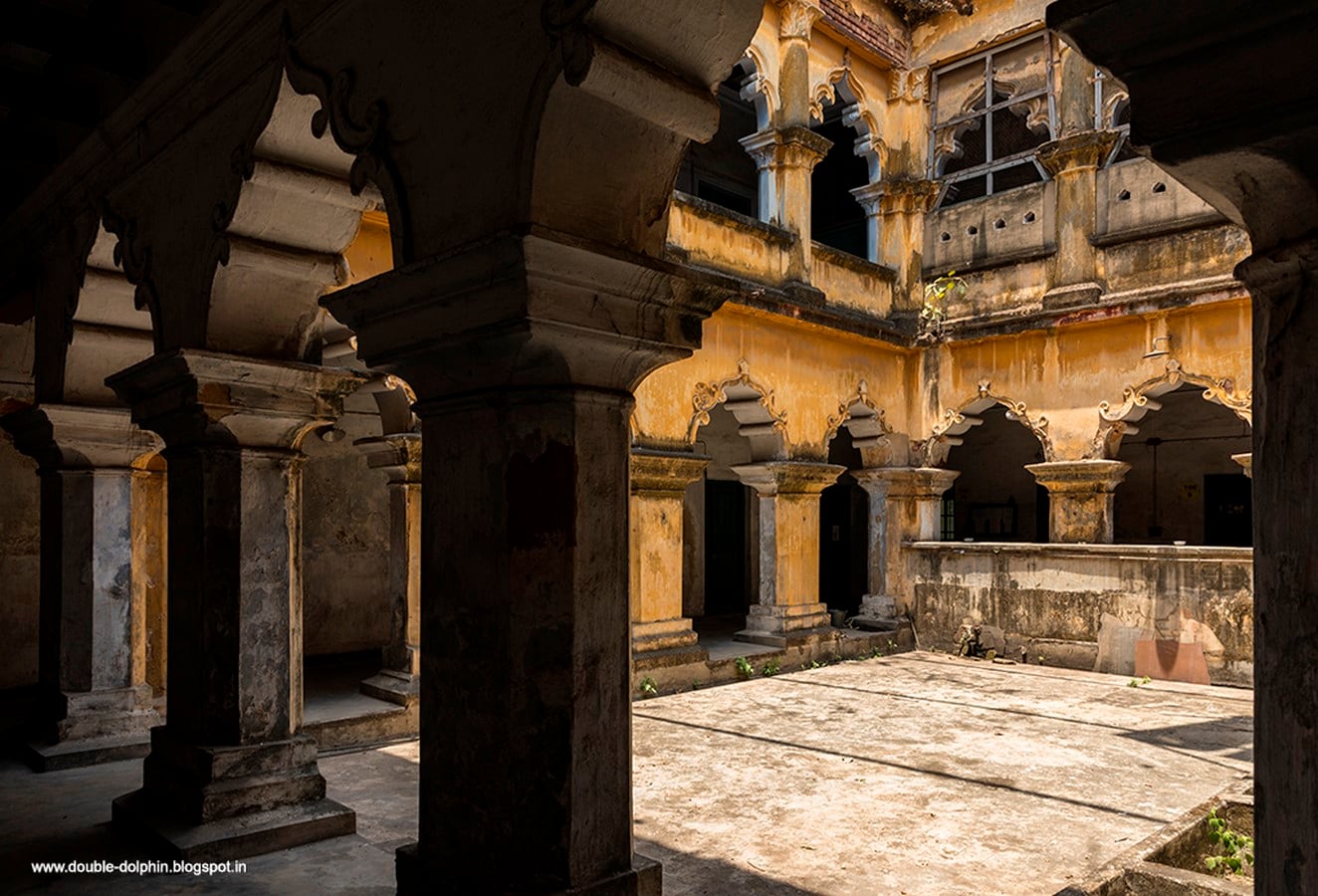
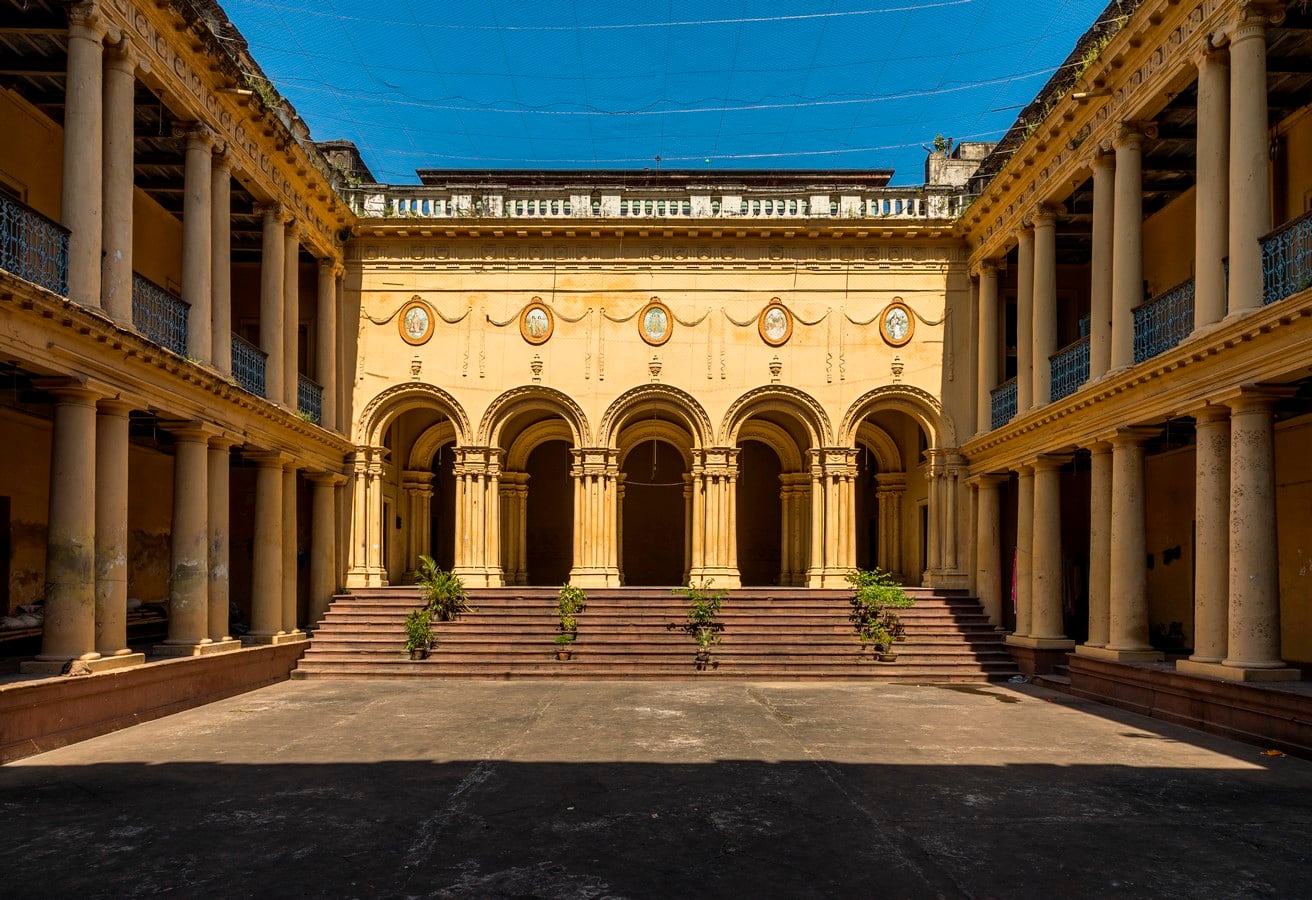
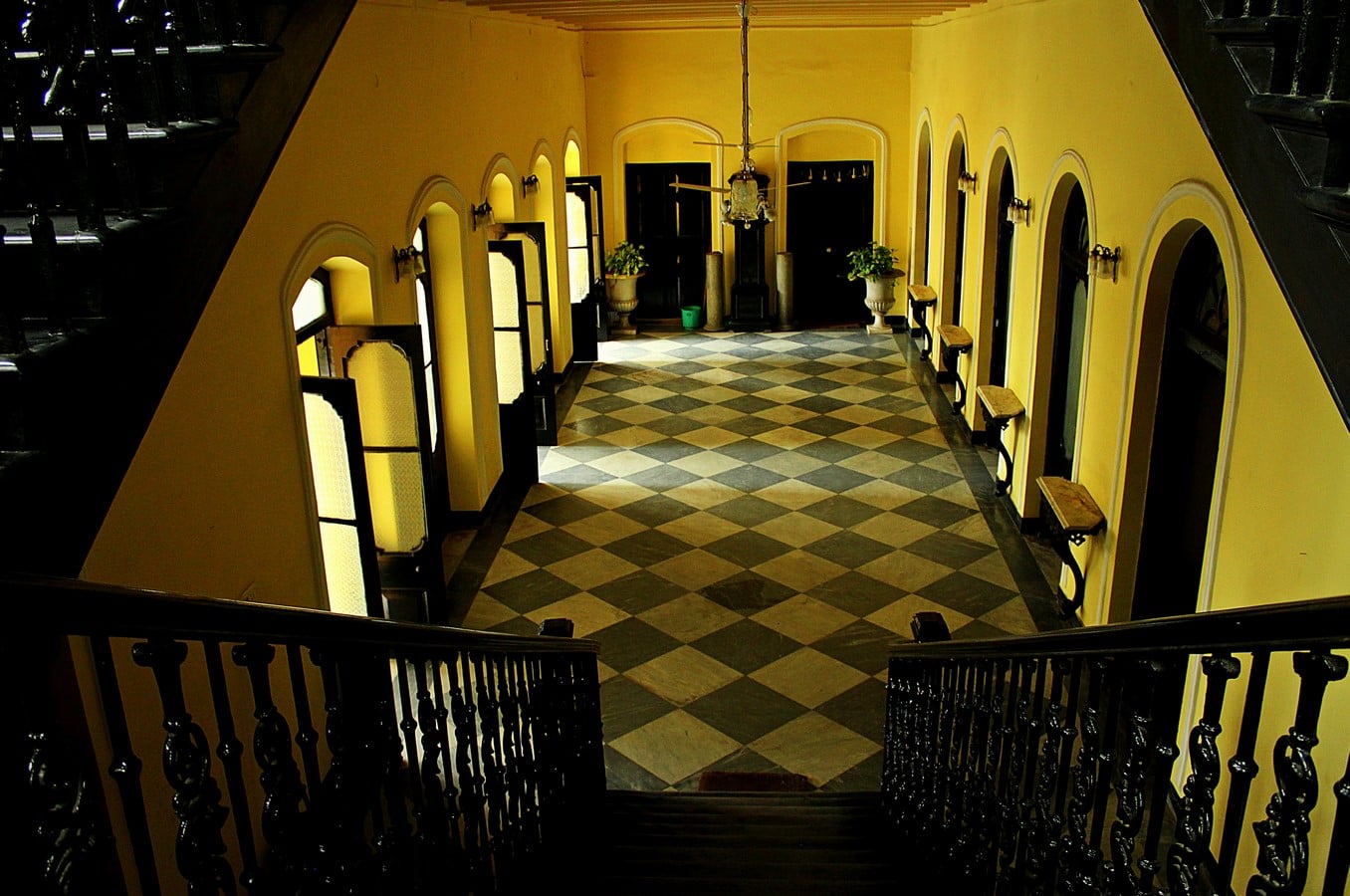
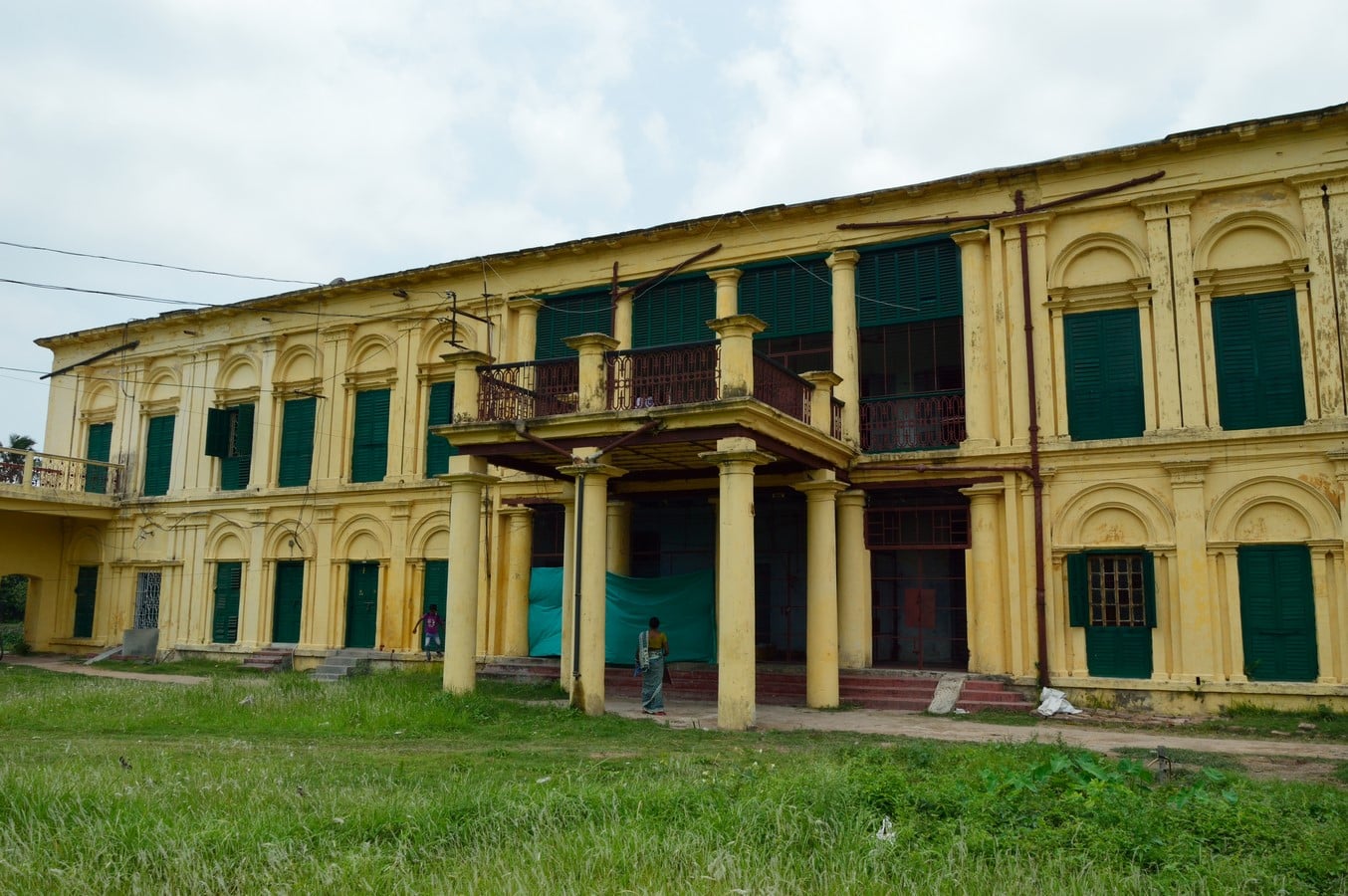
The great mansions envisaged as a symbol of power and status have certain common elements throughout North Kolkata and occasionally some unique expressions of the indigenous style. While most of the palaces have similar layouts, that is palatial facades, interiors opening to the courtyard, use of columns, shared spaces with the joint family members along with secluded verandahs/balconies, etc.
The family that used the mansion determined the usage of spaces with distinct gender dimensions that were implied. The Hindu way of life also promoted dedicated spaces for the rituals and poojas that were elaborately performed by the Bengalis, as a display of their wealth. The socio-cultural underpinnings thus shaped the mansions largely.
The lavish interiors were also adorned with portraits, paintings, sculptures and art pieces, which showed the owner’s pride in owning such splendid works by Indian and European artists. Chandeliers, blazing lights, mesmerising shades on the walls, Turkey carpets, and throne-like sofas were the decor and furniture used.
Heritage and Conservation in the Age of Climate Change
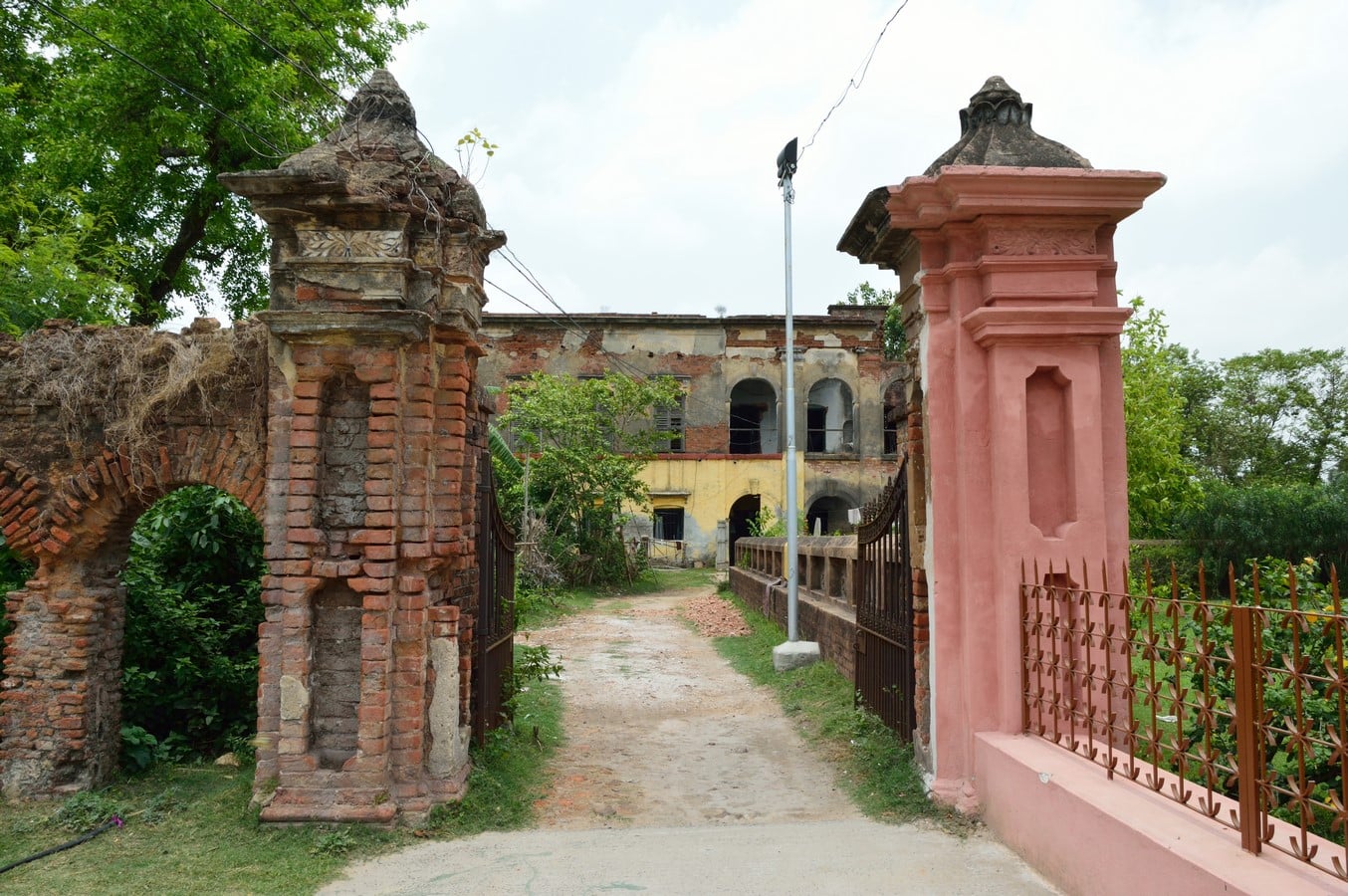
The intricate works and the expansive scale of these mansions have also made the maintenance part financially and restoratively difficult, both for the owners and the government. Poor maintenance, selling & renting sprees, makeshift alterations and being taken away by municipalities & medicine facilities are some factors that have added to the dilapidated condition of these buildings. The secondary treatment of these mansions can also be attributed to the Black town tag reinforced in subsequent works by writers and artisans.
Bishop Heber, as early as 1824, remarked on the city as being surrounded by marshes, mangrove swamps and tidal creeks that ‘so many agents of destruction are at work in Calcutta that no architecture could ever be durable’. Today, the riverine city has become increasingly vulnerable to the yearly flooding which has added to the woes of the already cramped streets, filled with mould and exposed to constant decay.
Today these mansions stand a testimony to the extravagant lifestyle of the rich Bengalis. But as every rise shall be followed by a fall, with the capital shifting to New Delhi, the decline of the mansions began evidently. Modernity necessitated the breaking up of big joint families to suit the optimal spending norms and so, the cost upkeep to maintain the mansions greatly spiked up. This was further accelerated with continuous blows in the form of partition, post-independence poverty and famines, wars and the downward spiralling economy. However, with the interventions of the State Municipal Corporation and the financial recovery of the owners, these mansions are being revitalised to preserve their significance for posterity.
Citations
Taylor, J. and Lang, J.T. (2016) The Great Houses of Calcutta: Their antecedents, precedents, splendour and portents. New Delhi: NIYOGI BOOKS.
223365397749948 (2020) The Great Houses of Calcutta: Their antecedents, precedents, splendour and portents, The Architexturez Graph. Available at: https://graph.architexturez.net/doc/az-cf-205145 (Accessed: 02 September 2023).
The Grand Houses of North Calcutta: Monograph magazine (no date) Monograph. Available at: https://www.monographmag.com/article-the-grand-houses-of-north-calcutta (Accessed: 02 September 2023).
Niyogi, T.D. (2022) Exploring the Great Houses of Calcutta, Caleidoscope. Available at: https://www.caleidoscope.in/art-culture/explore-great-houses-calcutta (Accessed: 02 September 2023).
Supriyo (2019) The Grand Courtyard Houses of Kolkata : A story of opulence and decay, Make Heritage Fun! Available at: https://www.makeheritagefun.com/the-grand-courtyard-houses-of-kolkata-a-story-of-grandeur-and-decay/ (Accessed: 02 September 2023).