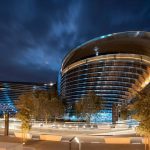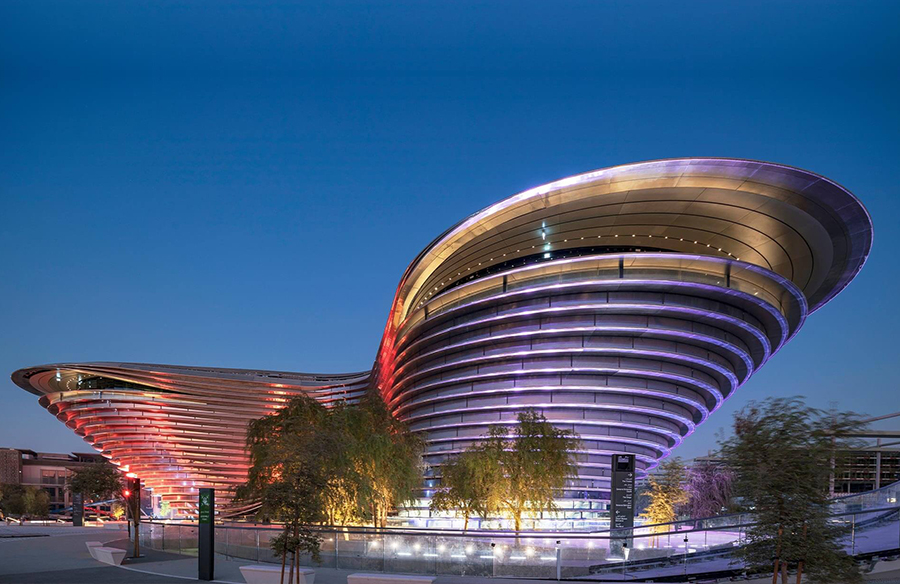
Designed by Foster + Partners, Alif – The mobility pavilion at Expo 2020, Dubai, aims to blur the boundaries between the physical and digital world. The pavilion features the world’s largest passenger lift that can transport 160+ people at once. It also consists of a semi-underground-semi-open-air 330-meter track to exhibit mobility devices in action. The pavilion was named Alif, the first letter of the Arabic alphabet symbolizing; the “beginning of progress and new horizons.”
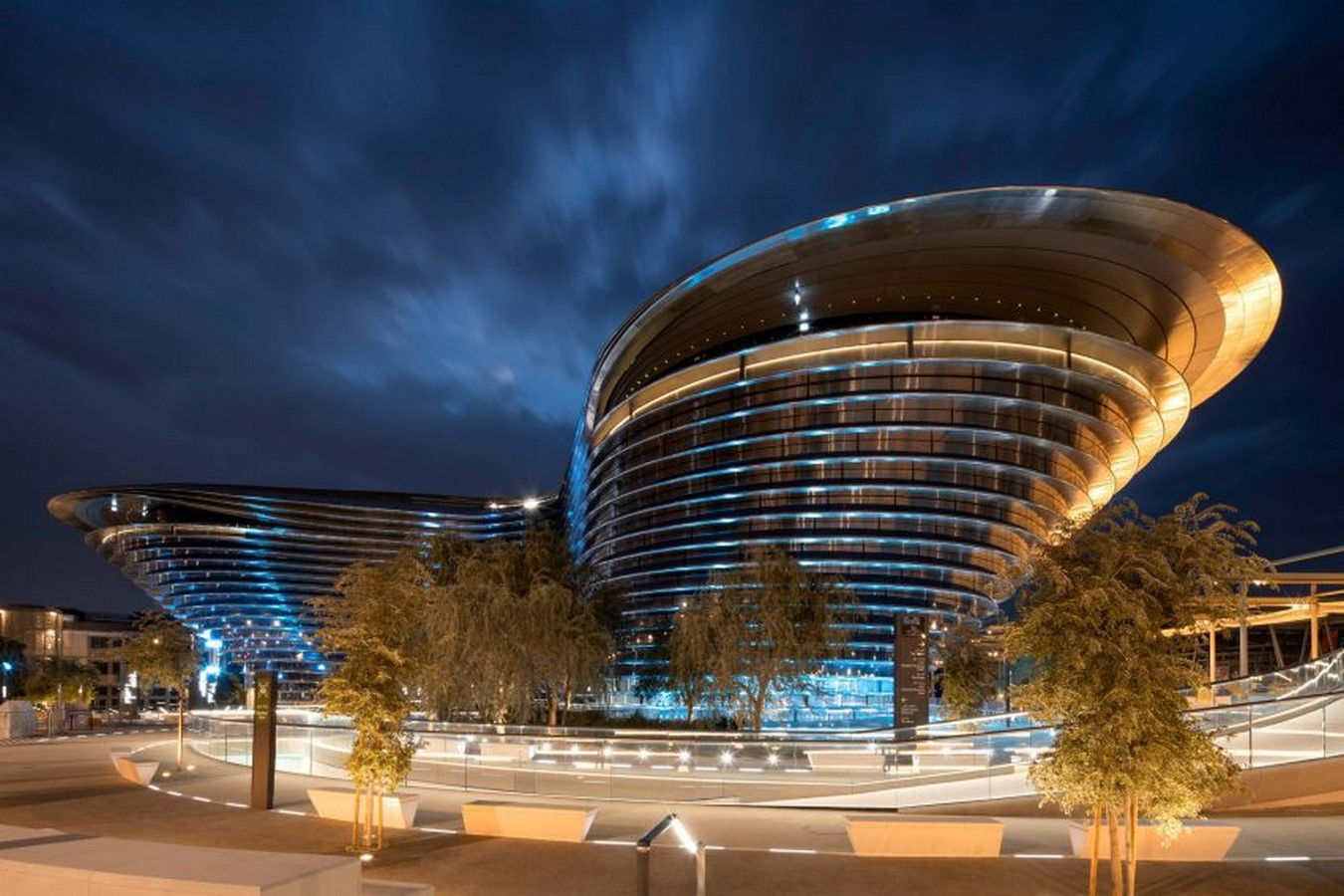
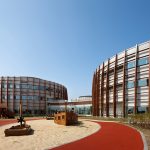
“The structure has a trefoil shape, with three large petals that cantilever outwards from the building’s base. Each petal contains a gallery with exhibitions designed by London-based design studio MET Studio. The core concept was to create an internal vessel for Expo’s three sub-themes of mobility, provided the trefoil plan, each theme having its hall”, said Gerard Evenden, senior executive partner at Foster + Partners. It has been designed to LEED Gold standard and is currently awaiting certification.
Architecture | Alif The Mobility Pavilion
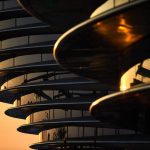
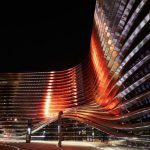
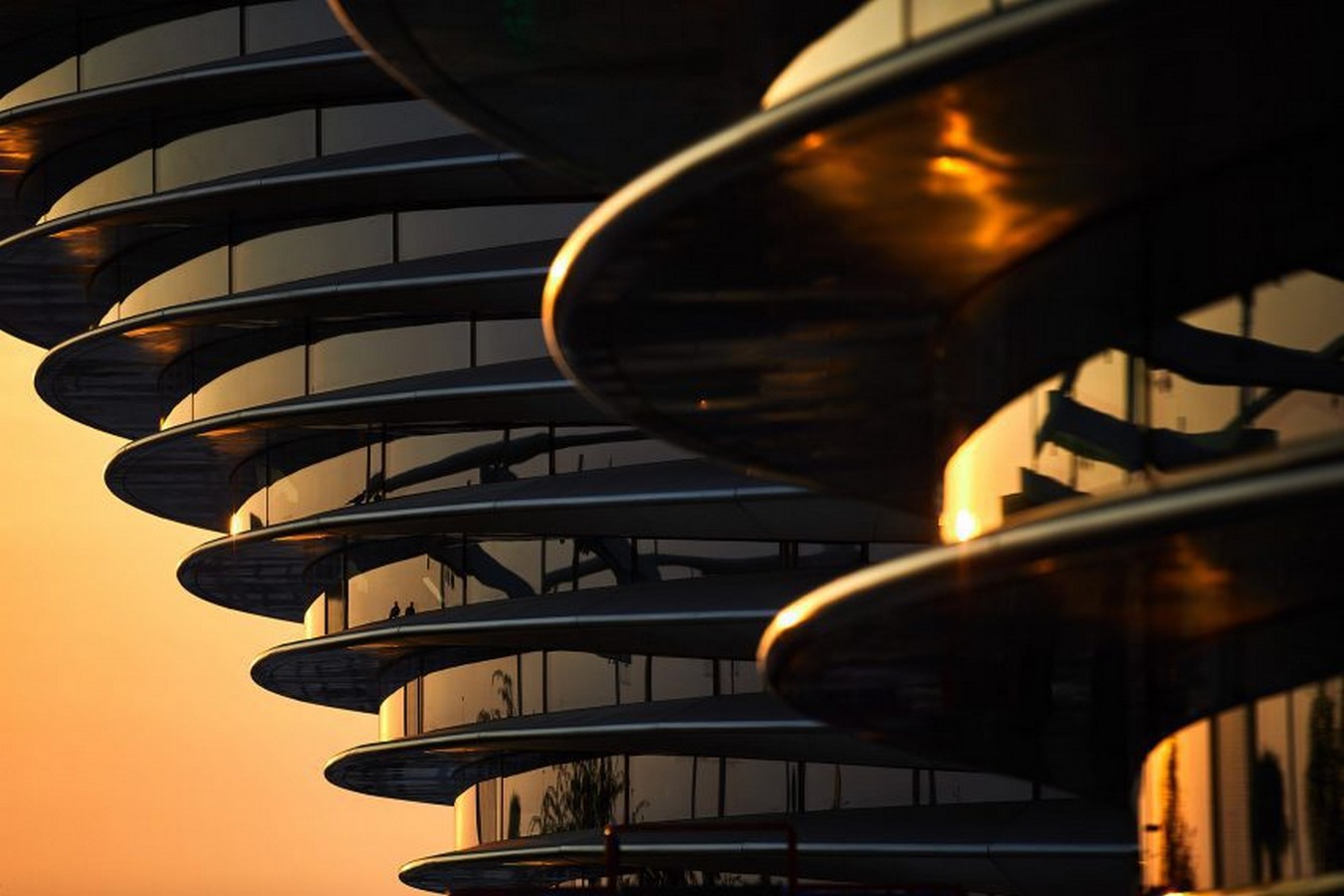
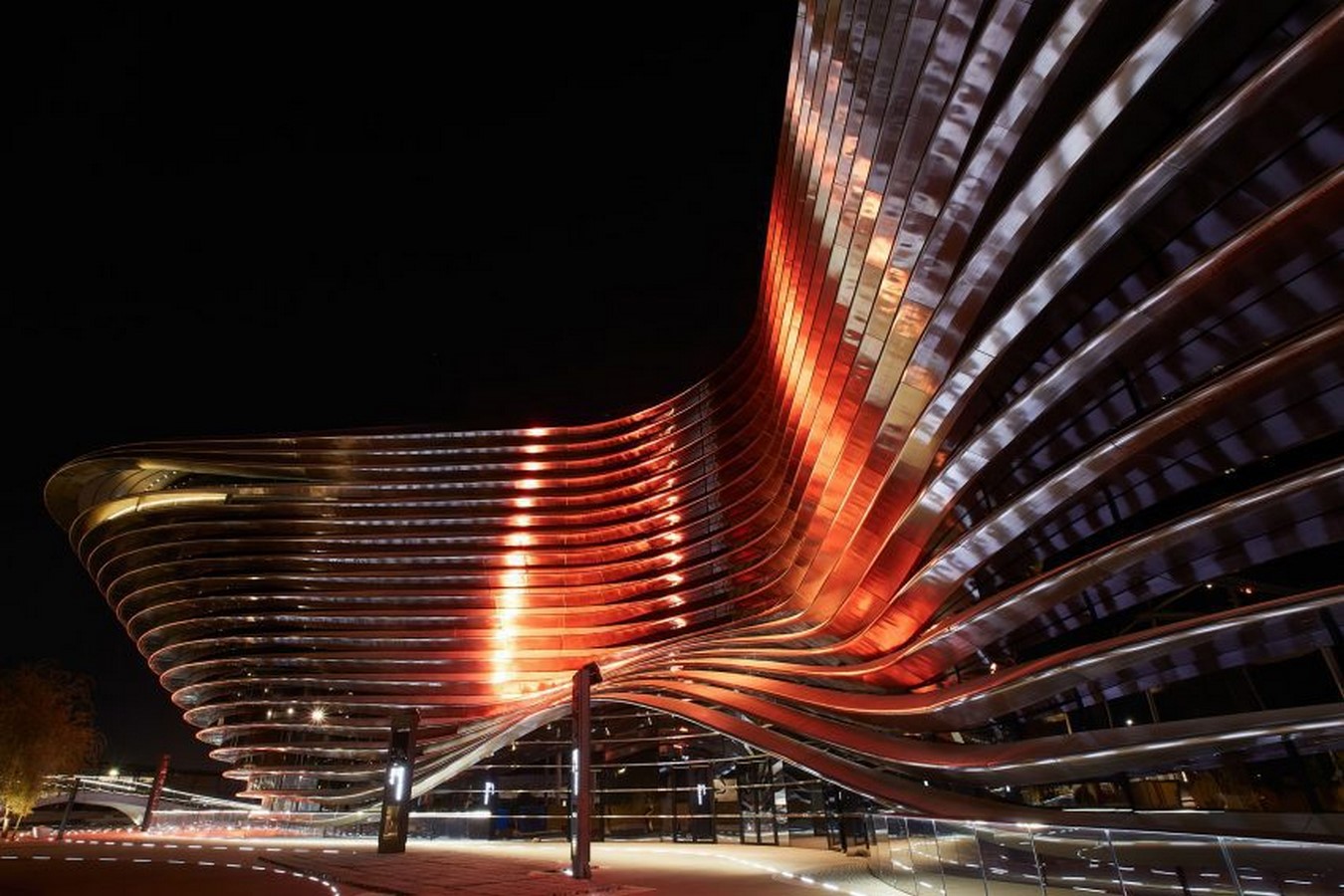
The pavilion is wrapped in a series of horizontal aluminum louvers, which shade the building’s windows. It was designed to evoke a feeling of movement, taking inspiration from chrome fenders and aircraft wings.
Wind tunnel images and aeronautical elements were used to capture the idea of movement in the external envelope of the building. The horizontal bands go around the building, widening to allow light inside and occasionally lifting to create entrance canopies. Capturing movement around the building was one of their other aims. The curved fins were designed to reflect the surrounding movement and light, allowing the pavilion to transform from day to night by reflecting the light and colors of its surroundings. Stainless steel was used as it’s easier to fabricate to accommodate the complex geometries of the building.
Visitors can enter the pavilion using one of the three entrances between the petal forms. The aluminum fins, which form part of the building’s skin, are raised to create these entrances. From the entrance, the visitors proceed to a circular passenger lift, which is said to be the world’s largest lift that takes them to the top. The visitors then proceed down walkways, which lead to each of the exhibition galleries. The history of mobility is exhibited in the first gallery. It contains three nine-meter-high statues created by Weta Workshop.
The second gallery explores the modern era, and the third focuses on the future. The building aimed to create harmony between architecture and the visitor experience. The building in itself is an exhibit.
Exhibits
The exhibits inside were the brainchild of the Expo team and London-Based exhibition designers MET Studio, and with the support of New Zealand‘s Wētā Workshop, LA-based visual development studio Magnopus and global cultural consultancy Barker Langham. “The intention was to emotionally link the past with the present and future while providing an informative and engaging experience,” explains Peter Karn, Creative Director of MET Studio. “Working with Wētā Workshop and Magnopus allowed us to go all out when it came to generating a connection with the inspirational theme of the exhibition.”
Act One | Alif The Mobility Pavilion
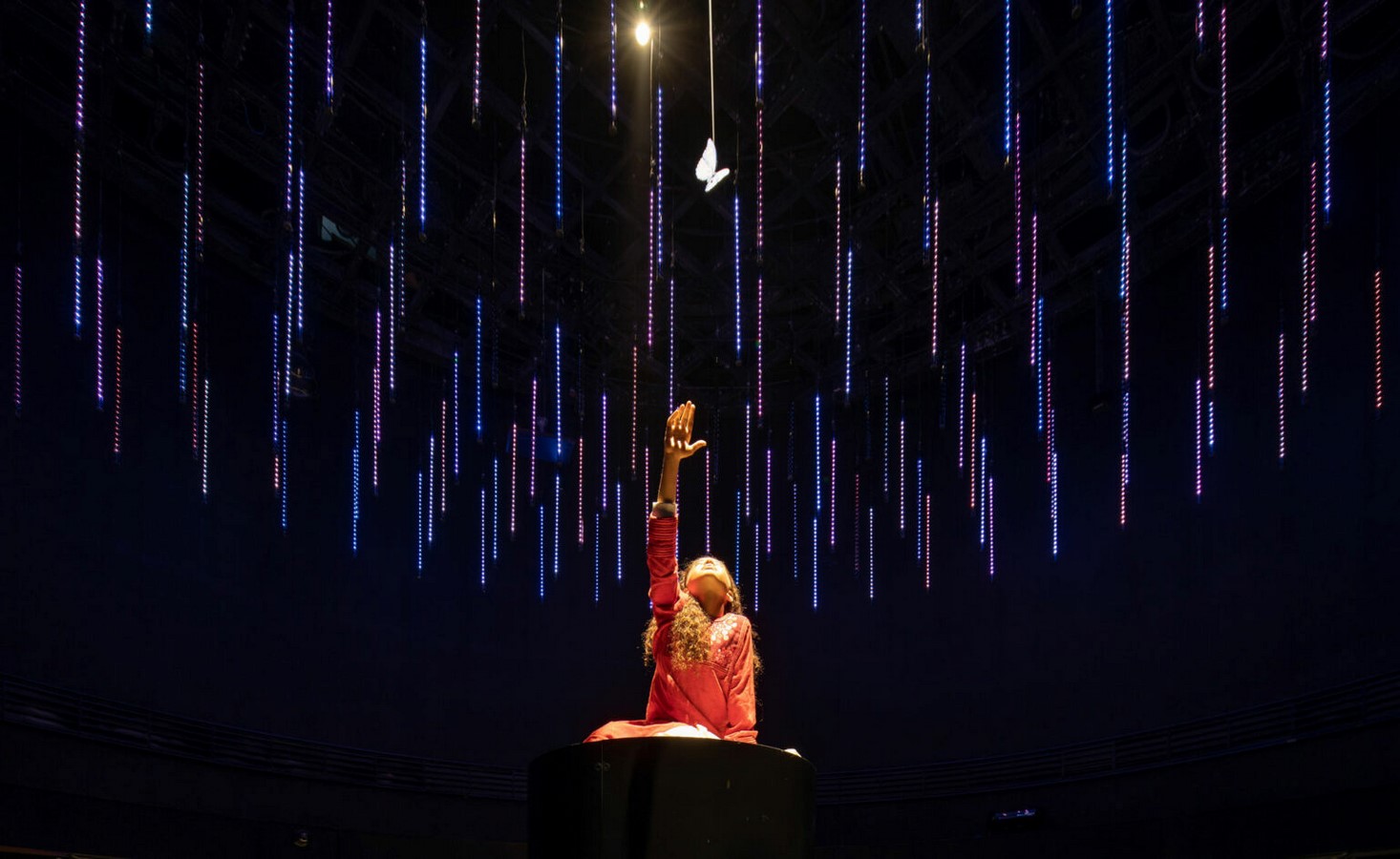
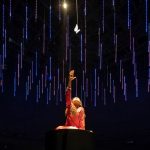
The visitors are led to a dark circular room, dramatically lit, which consists of the statue of a young Bedouin girl reaching for the sky. The lights dim and an audio-scape depicting 1000 years of transportation is played. The act is showcased inside the elevator, which takes the visitors to the top of the pavilion.
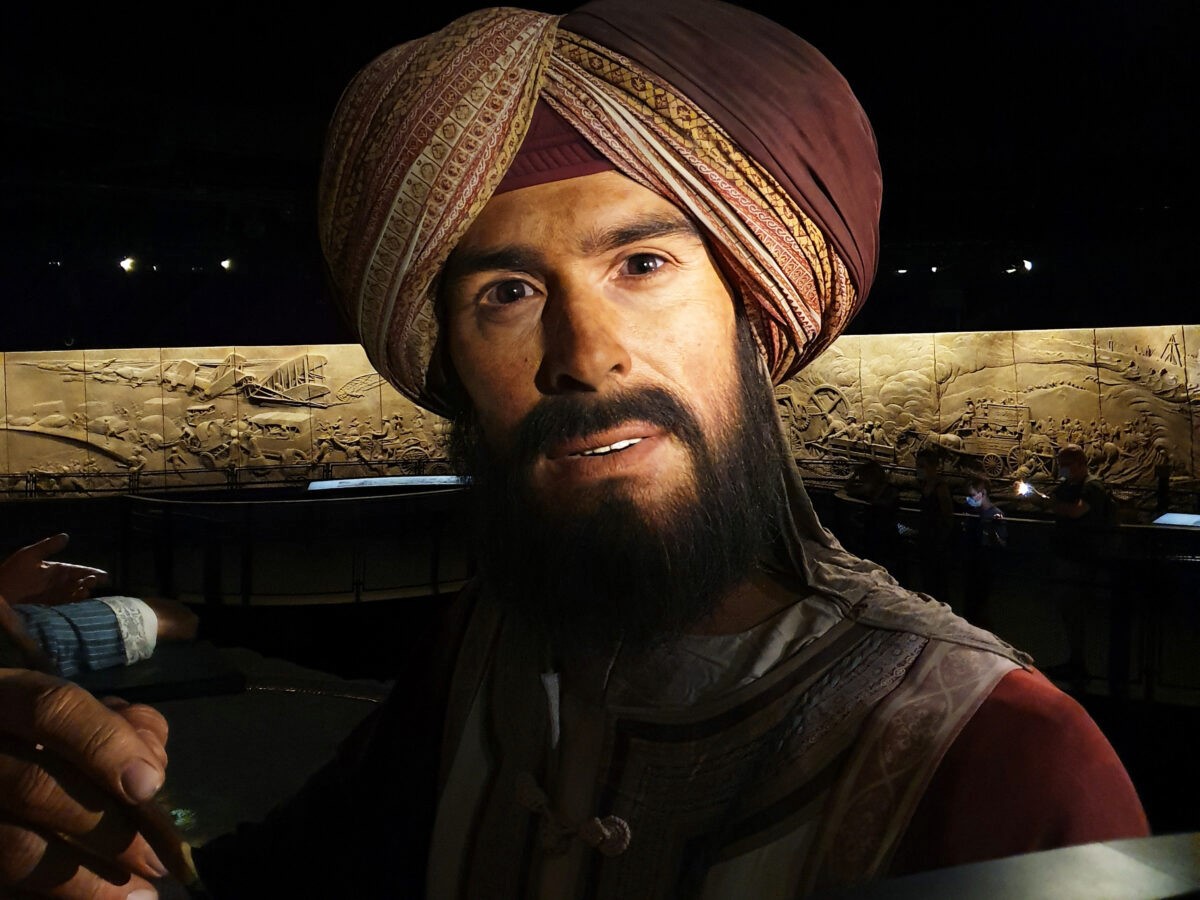
The statues of three Arabic scholars of ancient navigation, Ibn Majid, Ibn Battuta, and Al-Bakri, can be seen standing around a fully animated cartographer’s table, which narrates stories of Ancient travel. The statues with a life-like glint in their eyes and realistic expressions are nine meters tall. They were carefully sculpted by Weta Workshop, using a mapping technique that captured the physical features of the present-day Arab men to bring the three scholars to life.
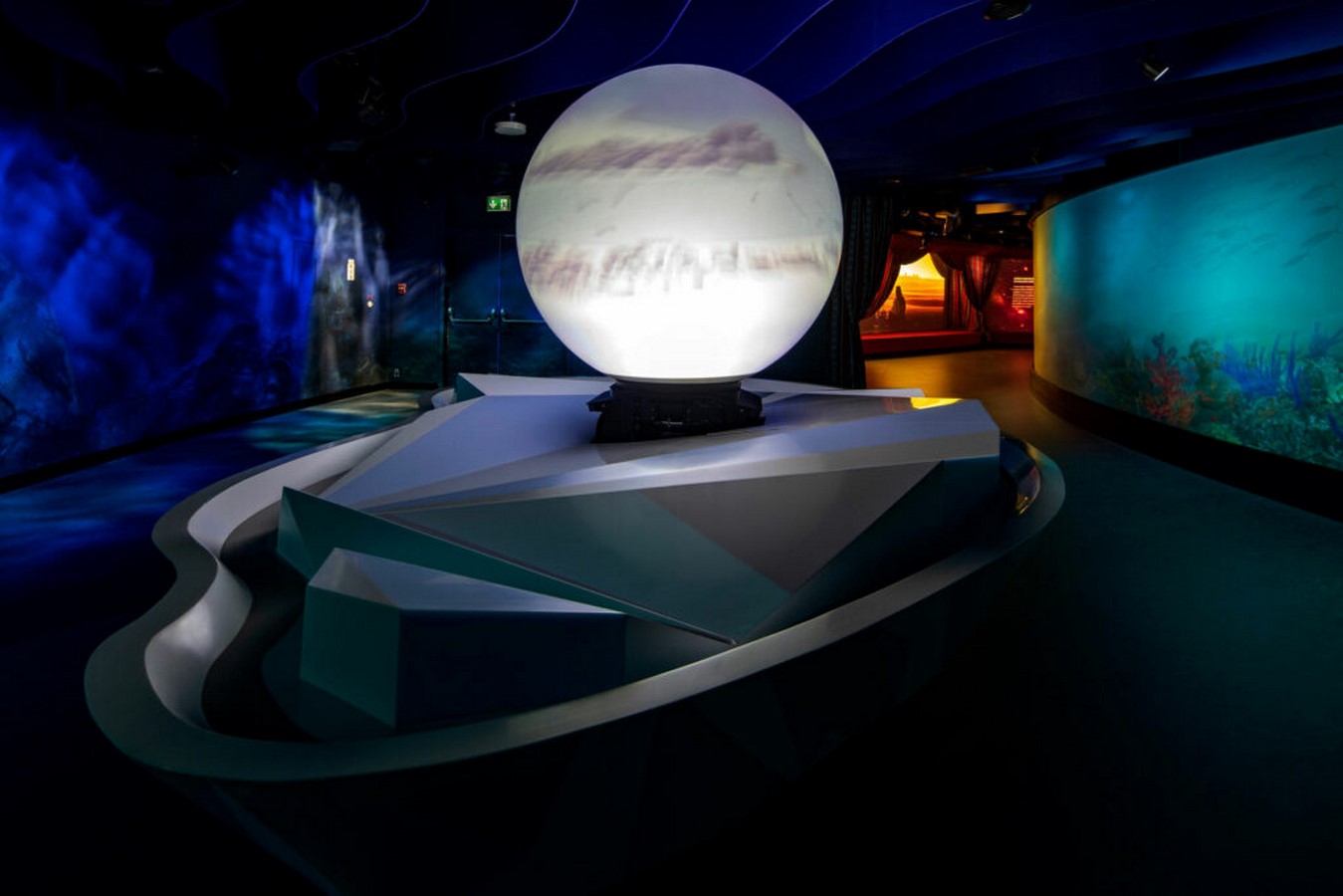
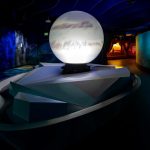
UAE has a history of pearl diving, represented using a glowing orb with a 360-degree which has an internal projection, depicting the beginning of the nation.
Act Two
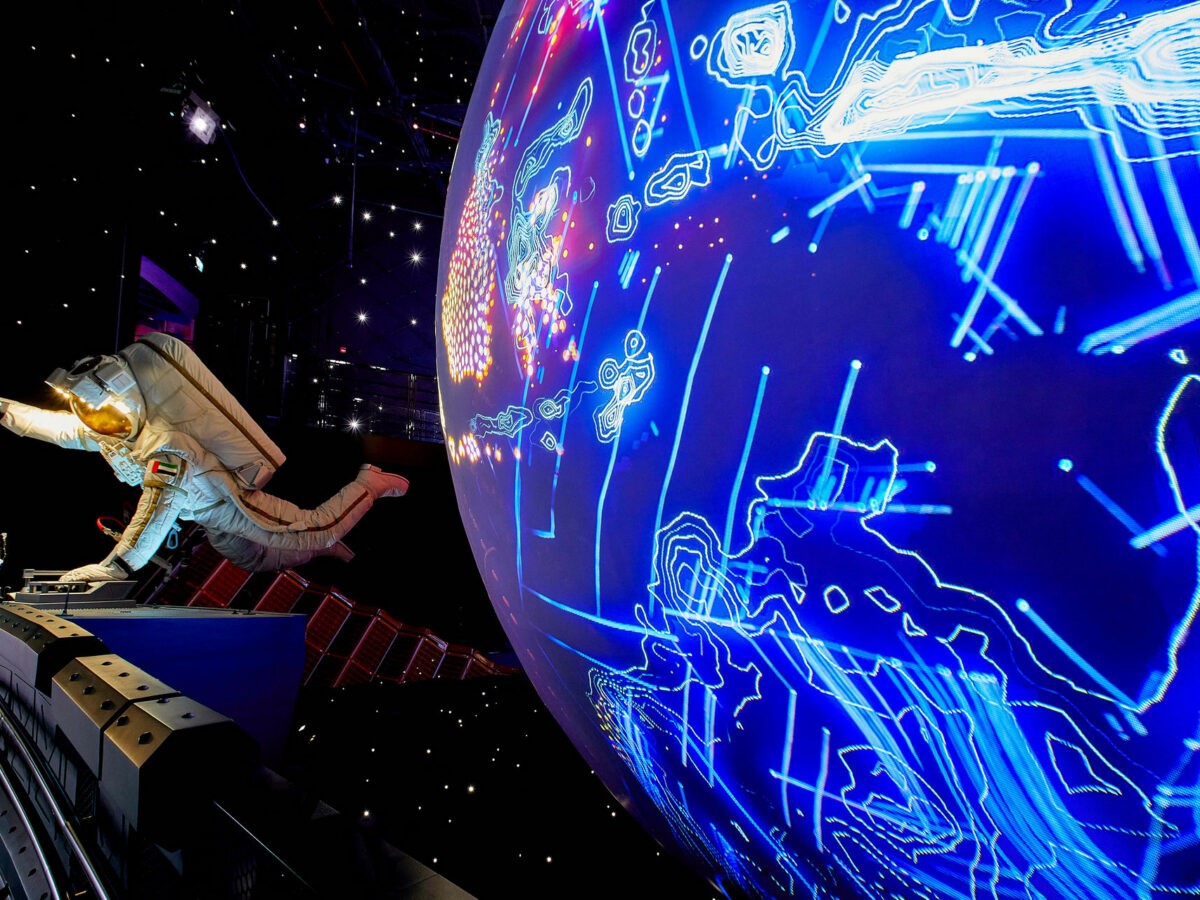
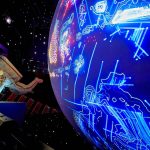
Act two begins with a 12-meter-wide globe with fully projected animation, explaining the process of moving people and goods around the planet daily. On another side, the journey transforms into the digital world with a multi-layered, multi-screen 3D lattice structure lending concepts of pixels and A.I. a physical connotation. The act ends with the physical and digital world merging. It is marked by a larger-than-life statue of an astronaut floating in the air. The visitors can project their faces onto the astronaut’s helmet, a metaphor for the limitless potential of each individual.
Last Act
Three children are the representatives of the last act. Imagining and creating future cities through a simulation game forms the basis for the last act. Through a focus on the audio narration and digitally projected stories, this act visualizes an interconnected future.
Closing montage | Alif The Mobility Pavilion
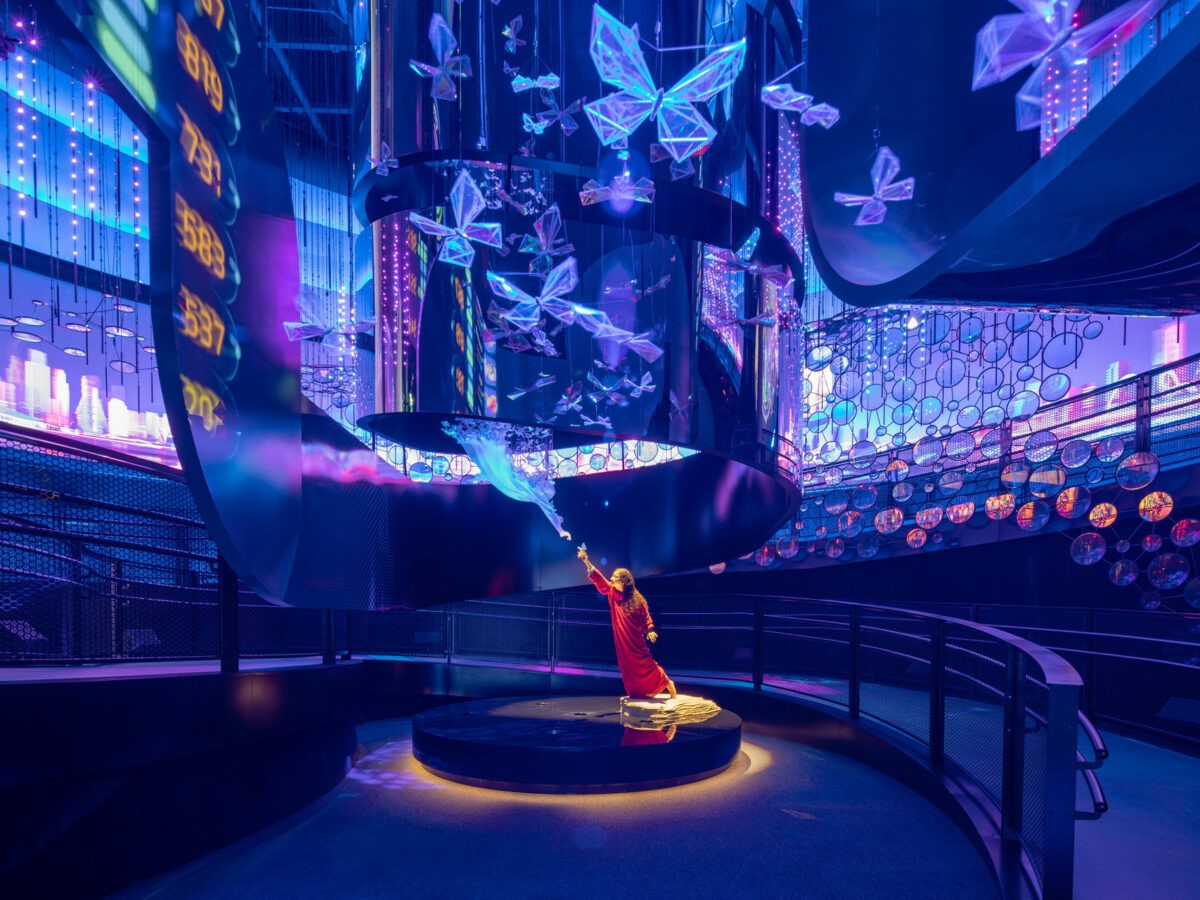
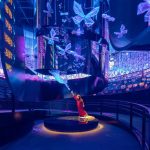
The young Bedouin girl appears again, standing tall and touching a magical reflection of herself. The other-worldly mirror is envisioned as a translucent sculpture with a trail of iridescent butterflies raining from a glistening tunnel above. This symbolizes the moment in time where the past connects to the future.
Conclusion
The pavilion is dedicated to mobility and hence narrates the story of mobility through several acts, combining the technology of the past and present while trying to predict the future as well.
References
- Dezeen. (2021). Foster + Partners wraps Dubai Expo Mobility Pavilion in stainless steel fins. [online] Available at: https://www.dezeen.com/2021/10/05/dubai-expo-mobility-pavilion-foster-partners/.
- Anon, (n.d.). Mobility Pavilion – Icaria Atelier — Design + Media. [online] Available at: https://www.icaria-atelier.com/work/mobility-pavilion/ [Accessed 16 Oct. 2022].