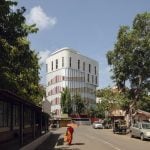
In the heart of Mumbai, tucked between a dense urban village and the noise of a busy street, stood a plot so small and constrained that most would dismiss it as unsuitable for a school. Yet, for JDAP, this challenge became an opportunity to ask a bigger question: What does it mean to create a nurturing space for children in a city that leaves little room for them?
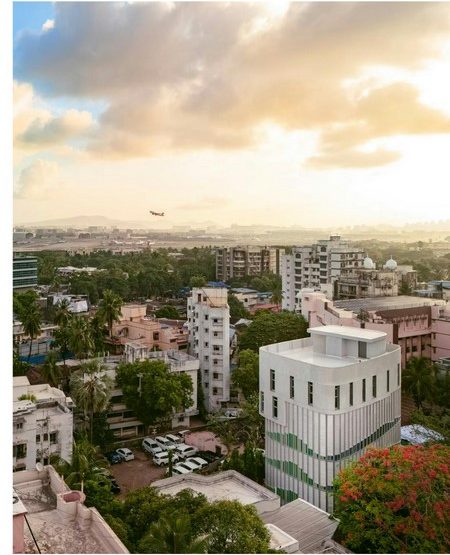
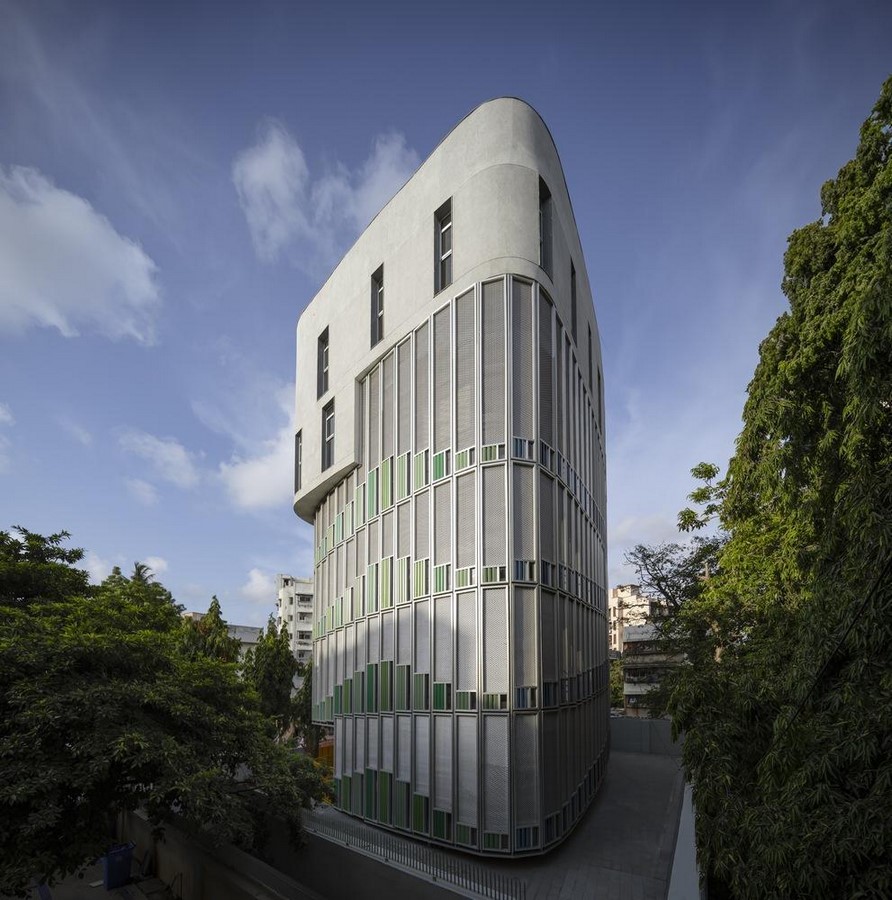
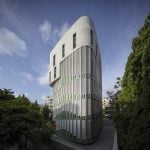
This question inspired the creation of the Garden School. The architects envisioned more than just stacking classrooms in a small space. They imagined a sanctuary, where children could feel free to run, pause and discover. Instead of completely isolating them from the outside world, the school offers glimpses of muffled street sounds, optimum daylight and picturesque views of the city.The school is more than just a structure; it is a carefully designed mix of safety and connection.
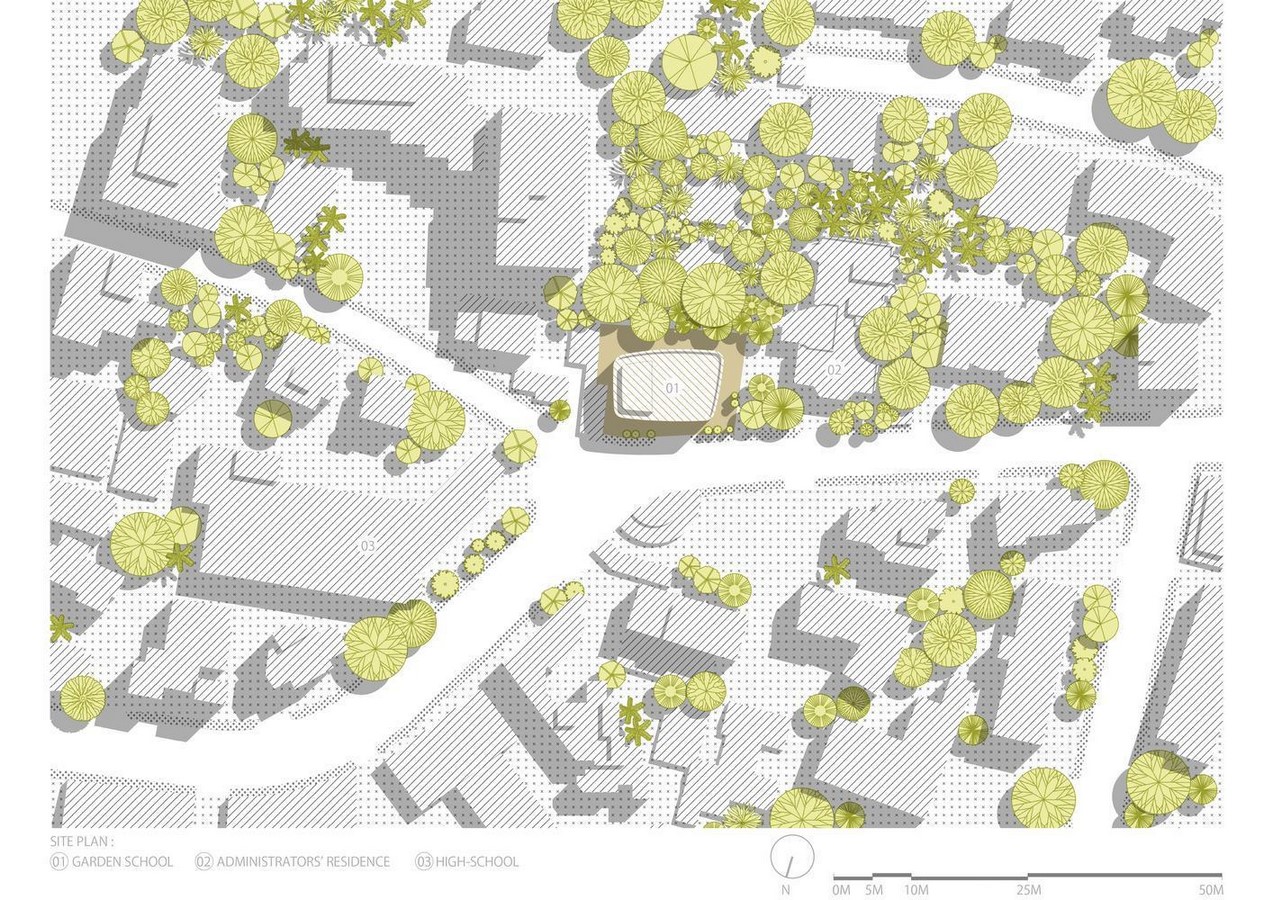
Context & Vision
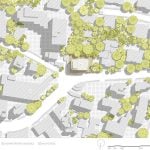
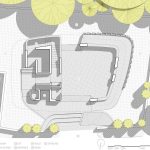
The design team was given the task of establishing a nurturing and child-friendly atmosphere on a limited 450 m² plot surrounded by an urban village and a busy street.
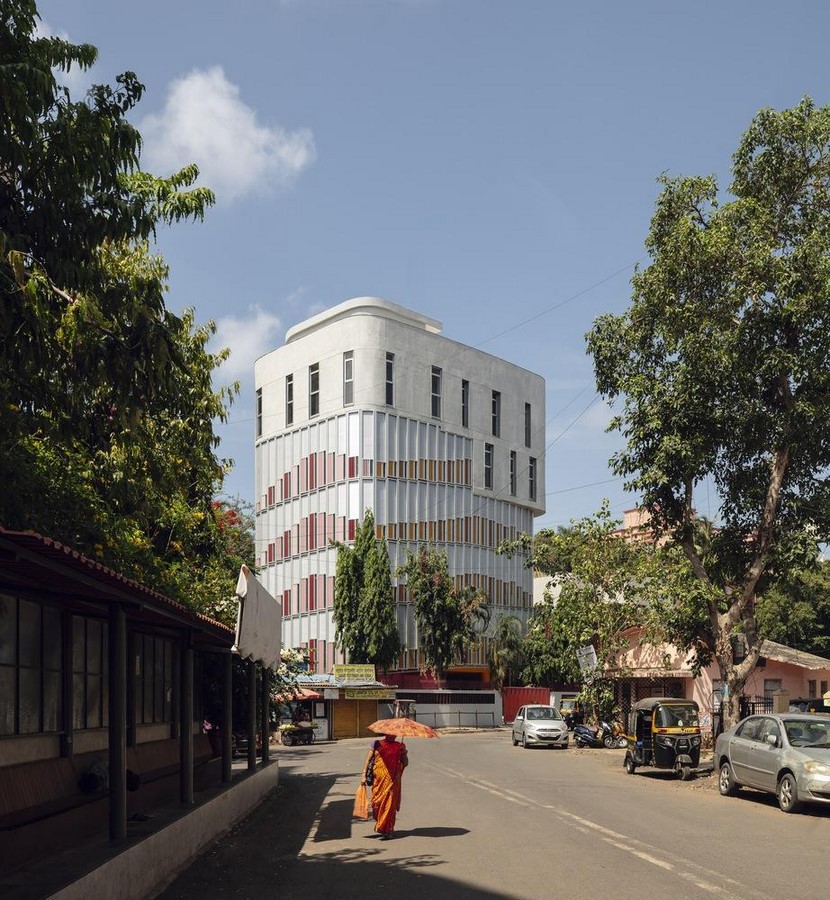
JDAP conceived the Garden School as a “protective space”, an escape from the urban life, where children could freely explore, learn, and grow.
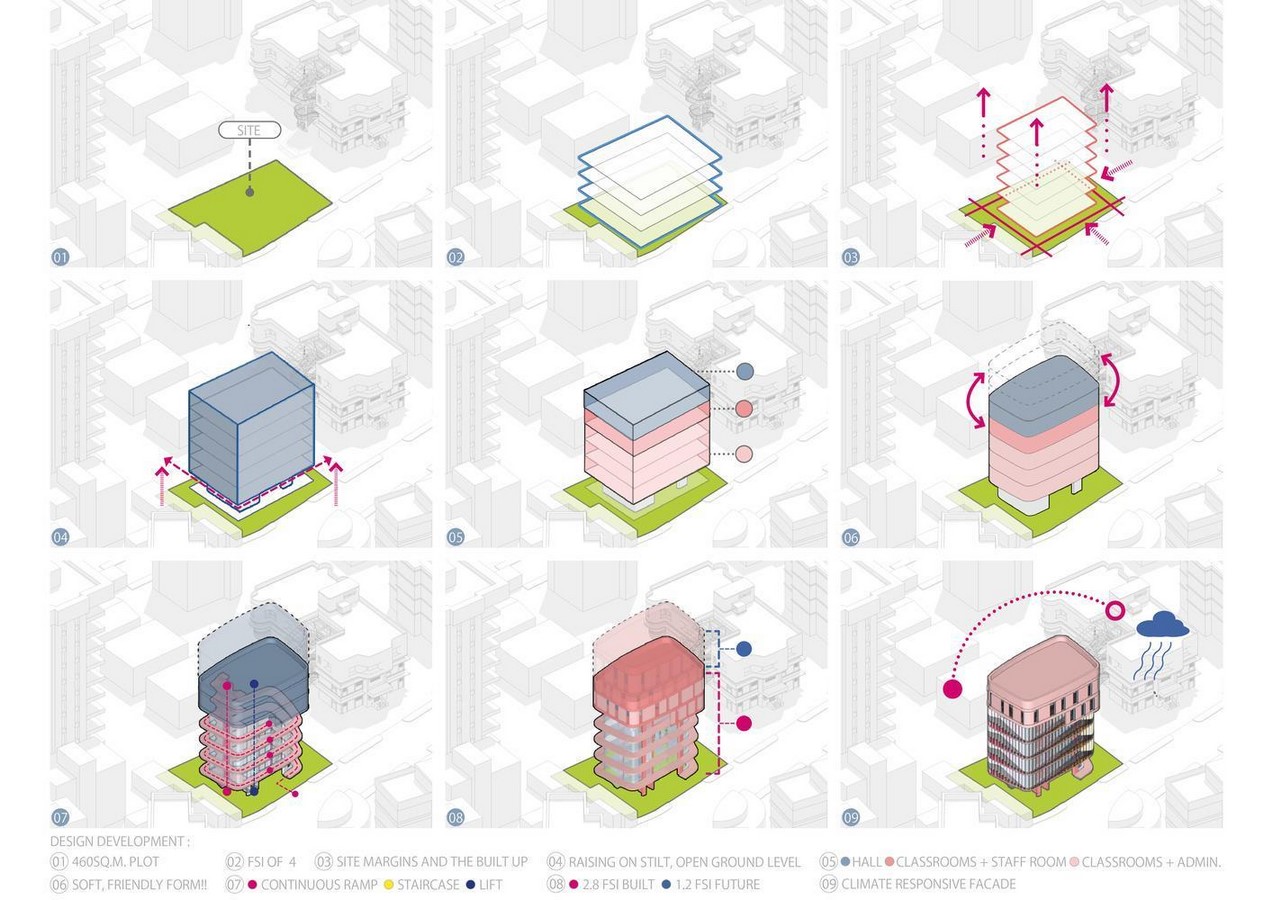
Vertical Organization & Spatial Flow
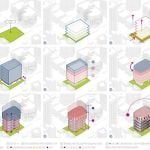
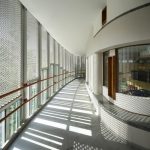
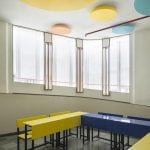
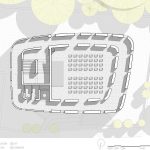
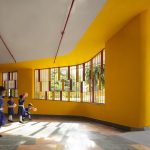
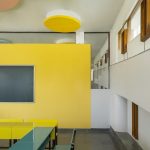
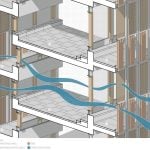
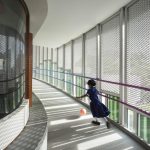
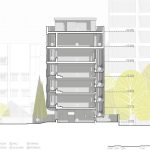
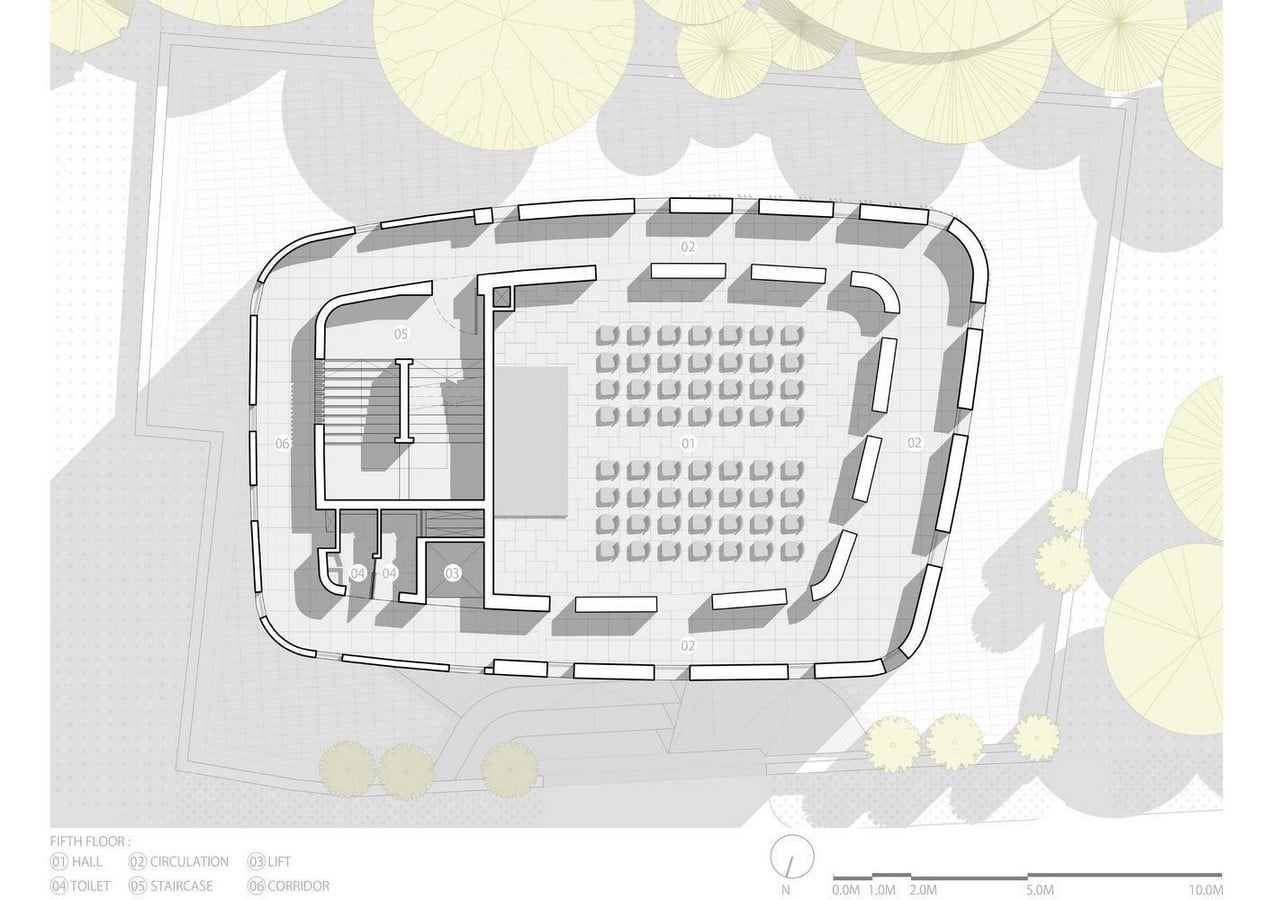
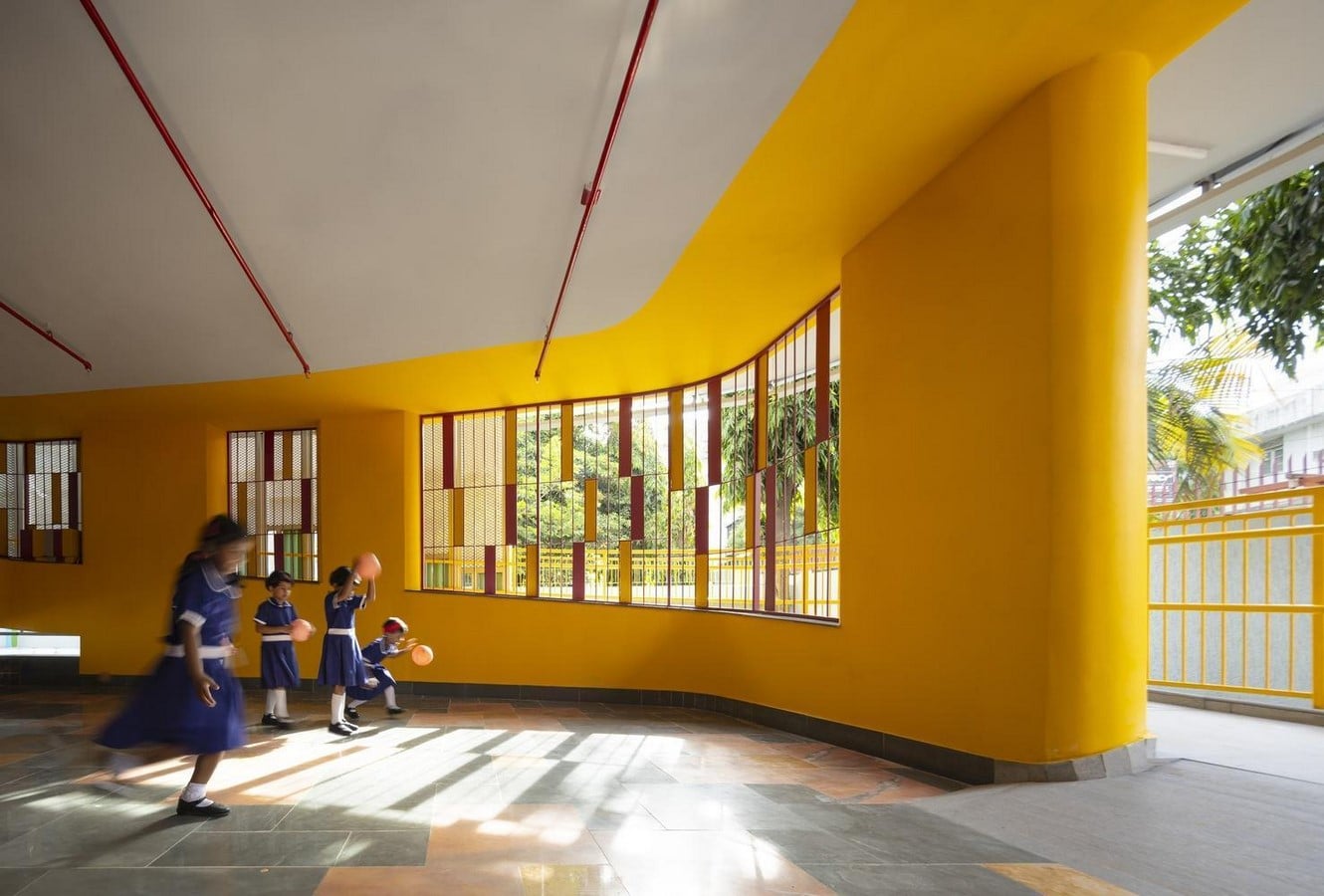
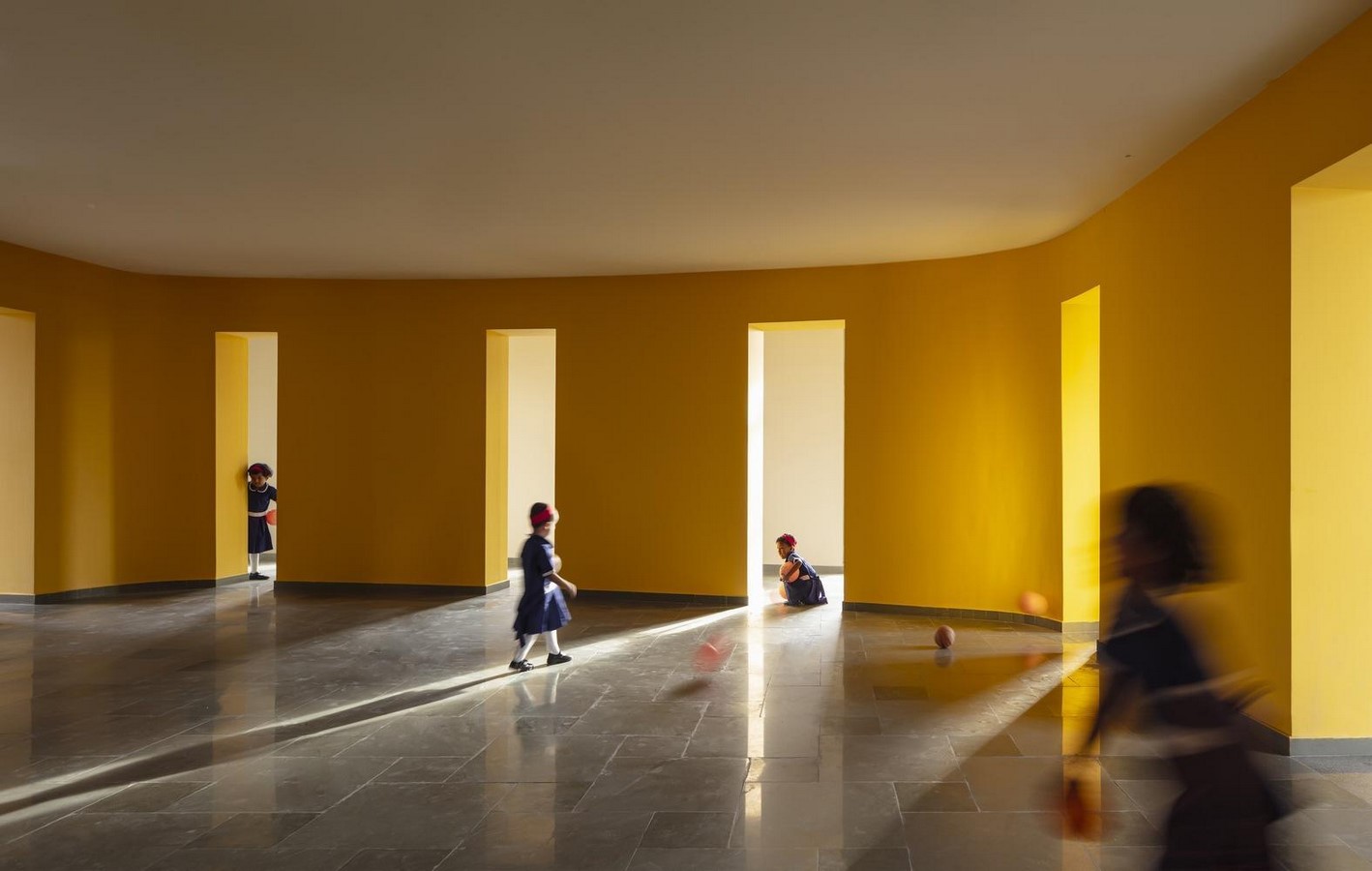
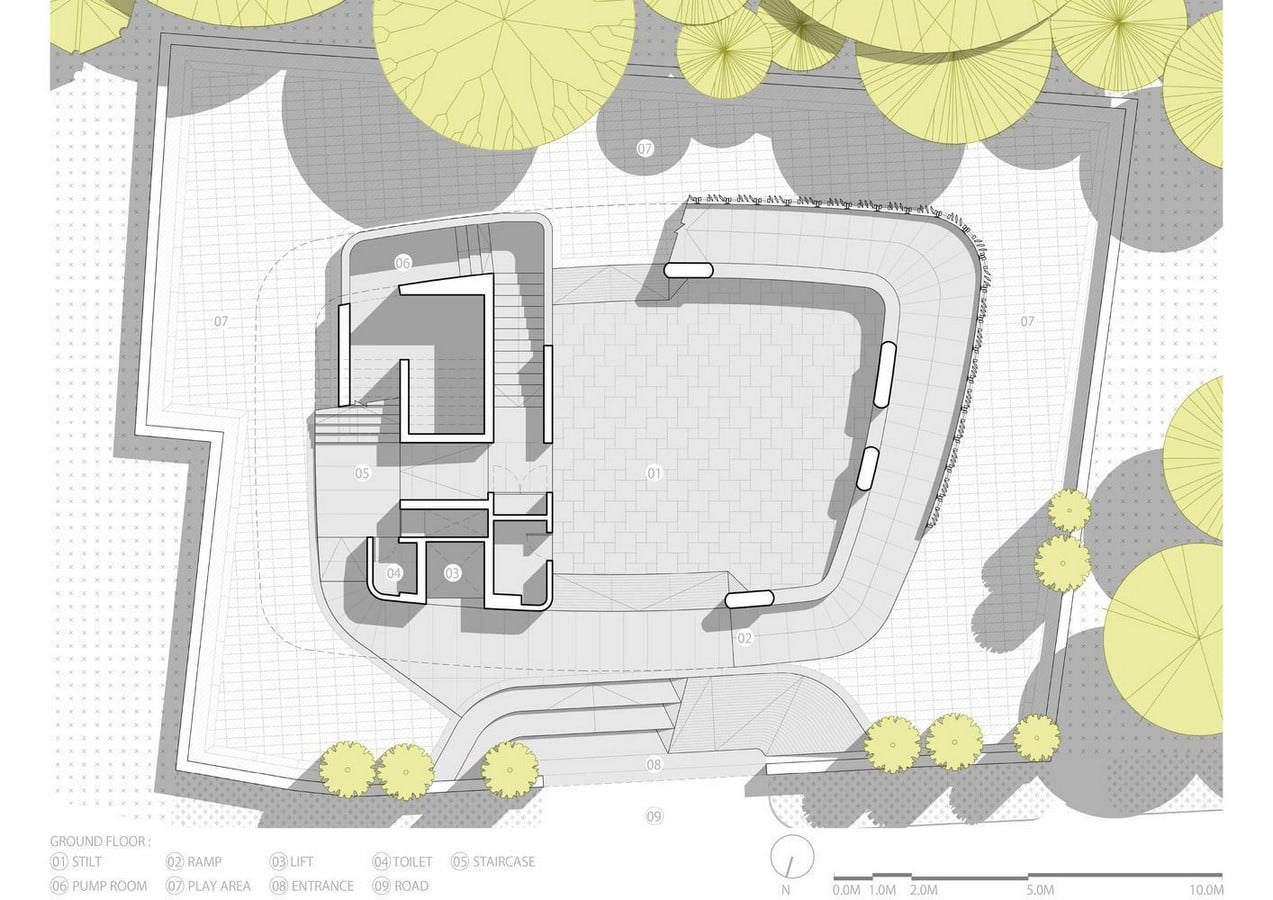
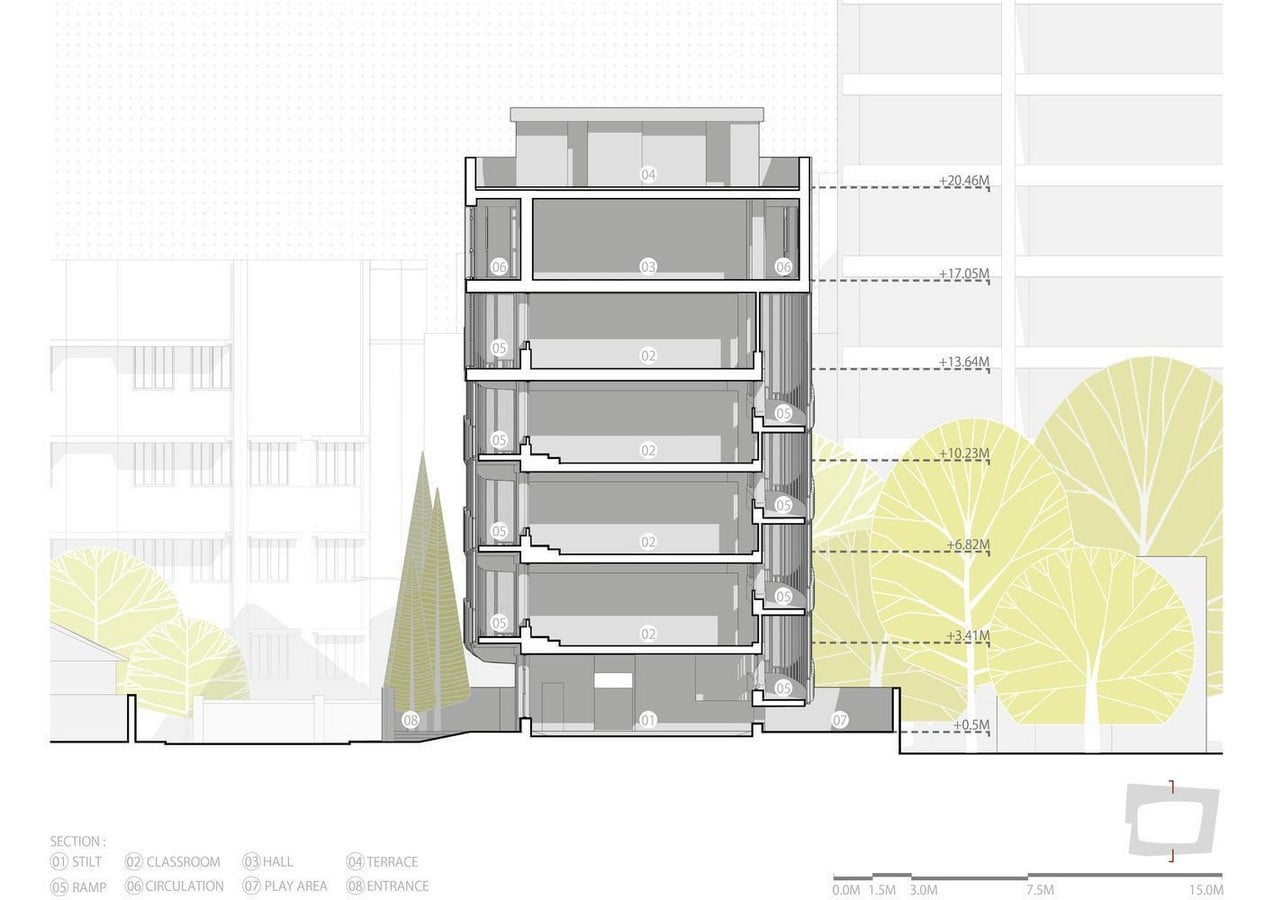
Given its compact location, the school is vertically arranged, with only two classrooms stacked on top of the play area at the ground level. The central spatial innovation is a wraparound ramp, not just a circulation route, but an “internal street” where kids may walk, pause, watch, and connect.
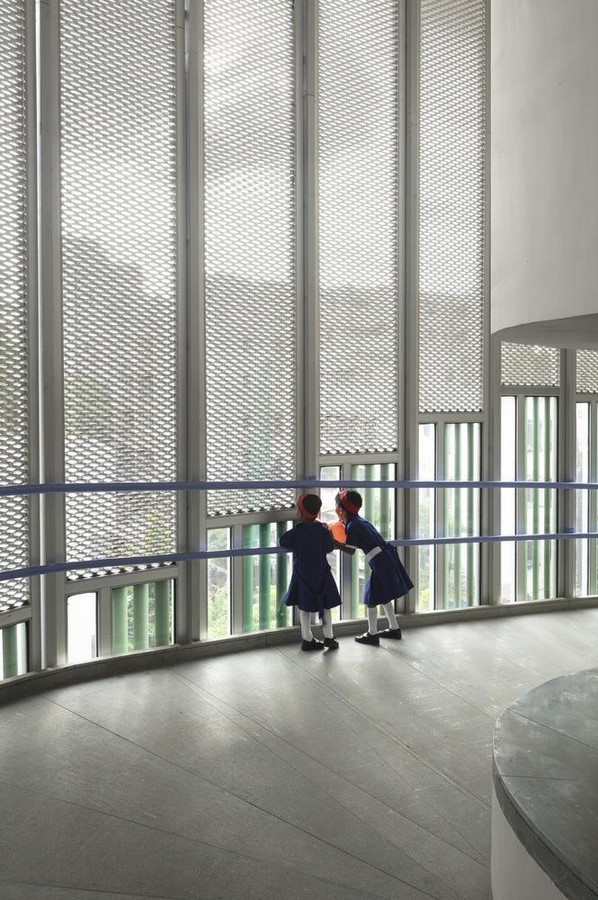
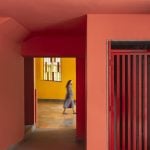
For the children, the ramp that coils around the building is more than just a passage; it is their own street, an engaging promenade that turns every transition into an adventure. For the city, it is a subtle reminder that design can create space even in the most congested areas.
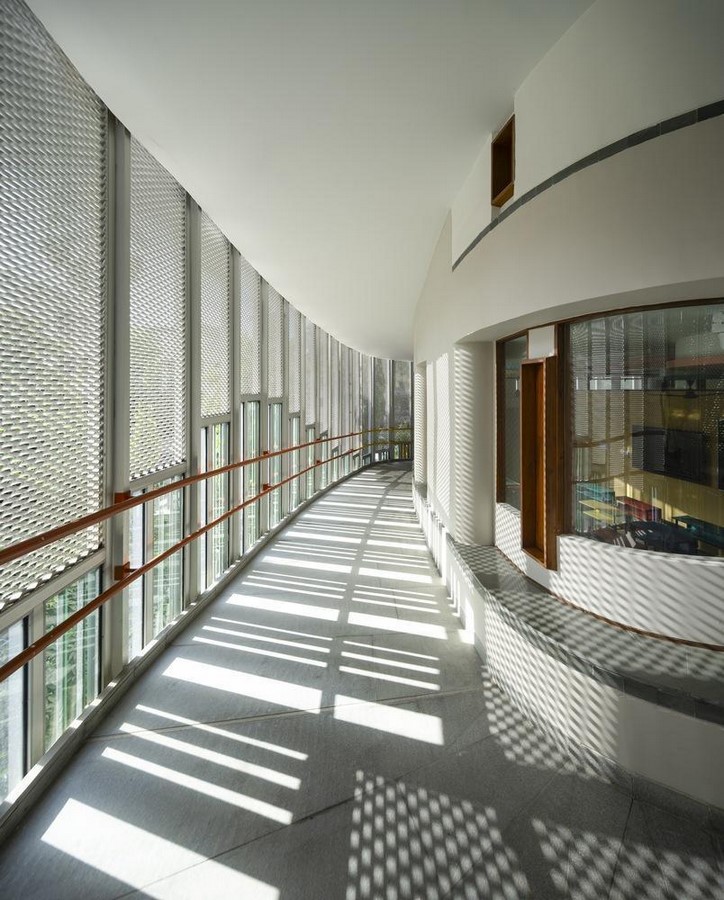
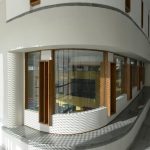
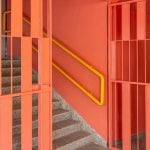
Instead of a traditional staircase or an isolated ramp, the design smartly uses the perimeter’s rounded form, whose length matches perfectly with the required ramp length. This collaboration resulted in a continuous, easy gradient walk connecting levels with gradual corners, stair and elevator links, and a spacious landing at the classroom entrance.
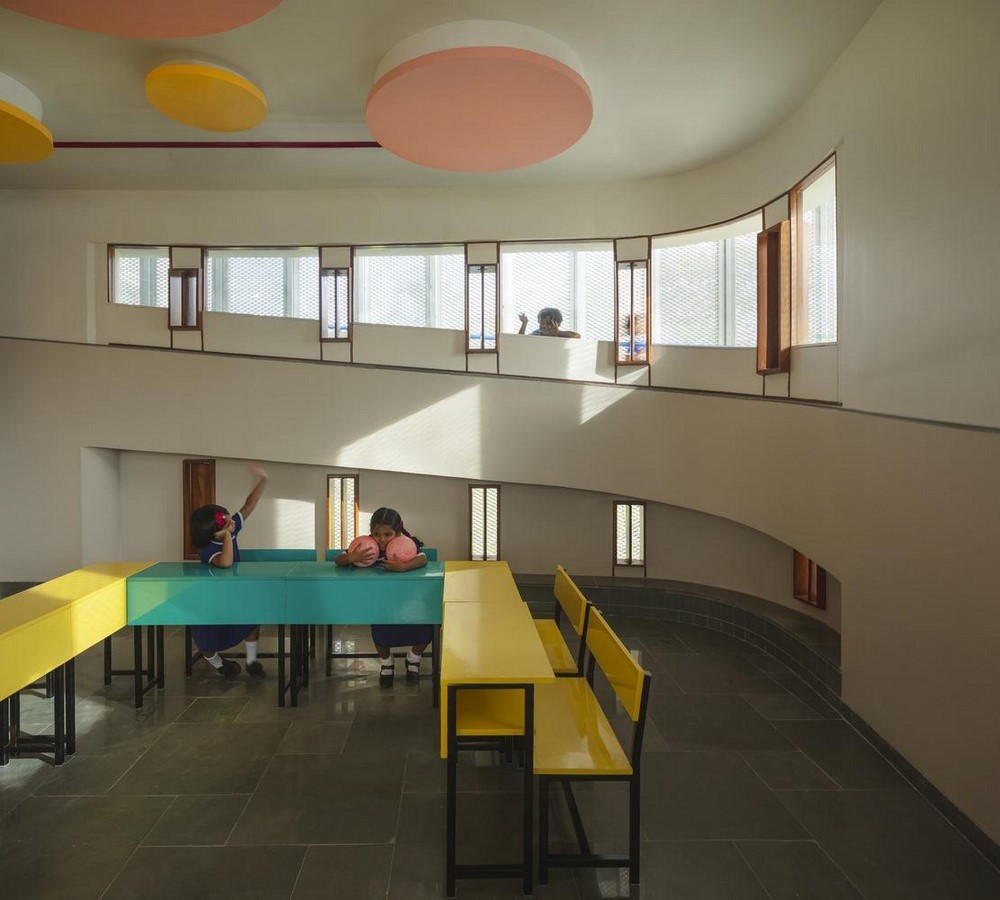
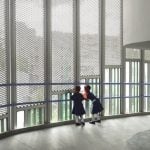
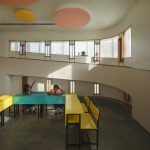
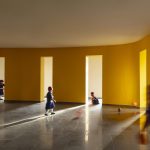
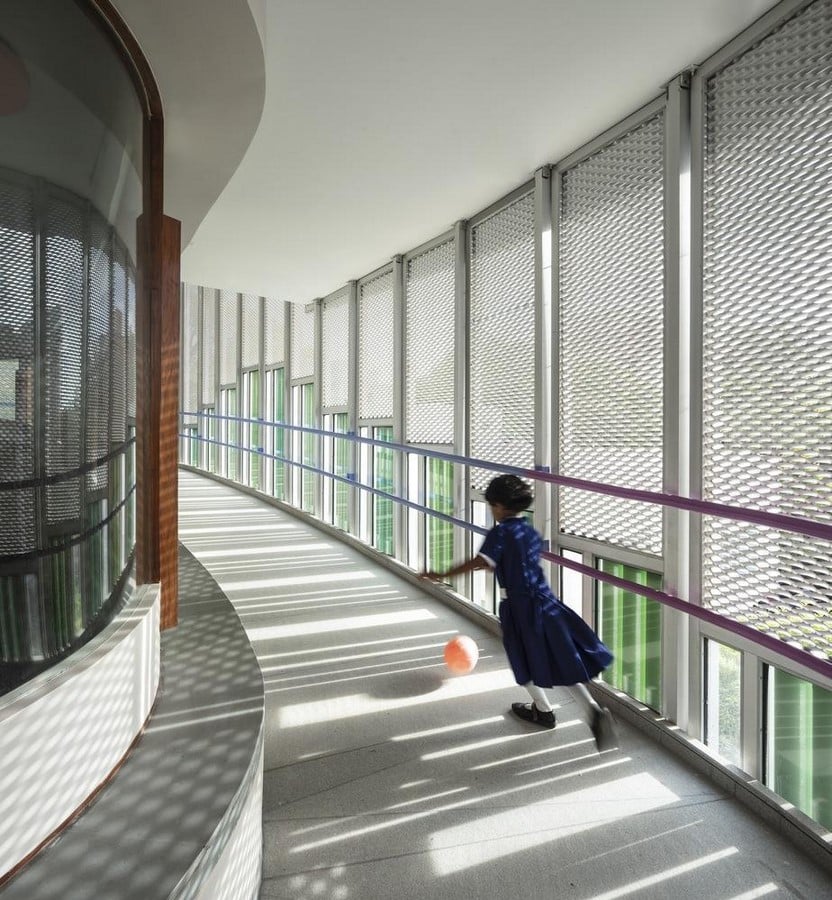
The ramp transforms into a dynamic spine, with children racing down it, peeping into classrooms, presenting their work on glazed walls, and waving to passersby. All of this happens because they have a sense of being on an open street within a structure.
Architectural Elements and Human Scale
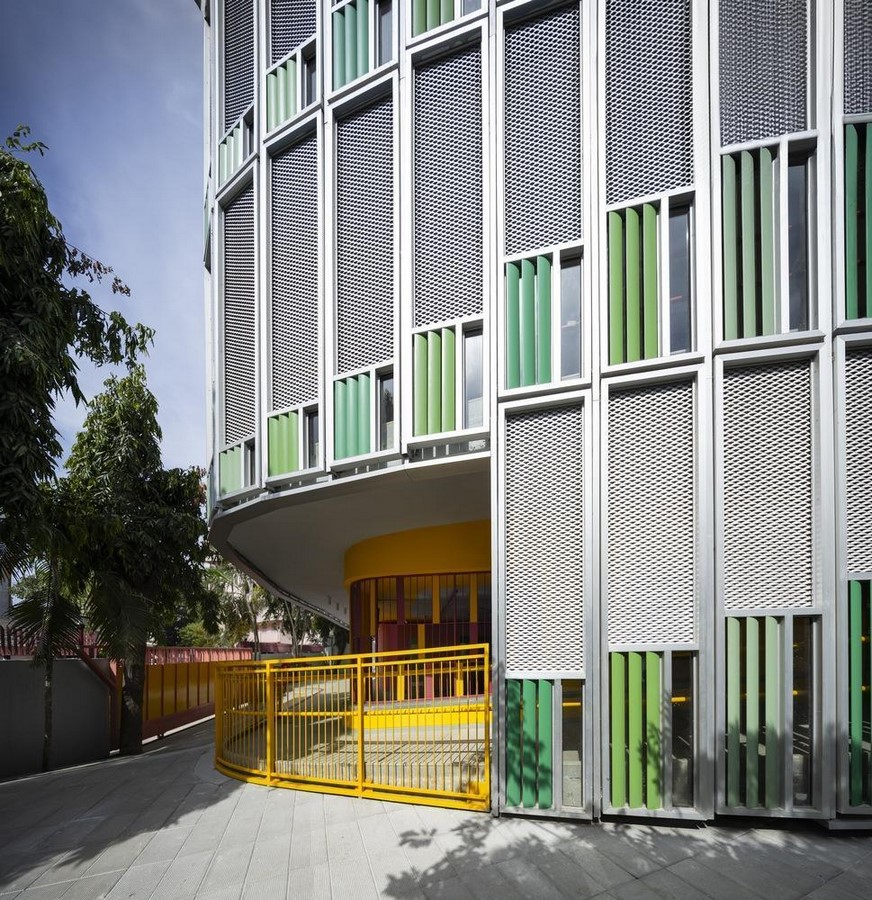
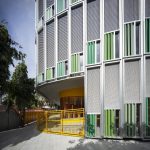
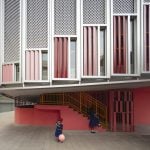
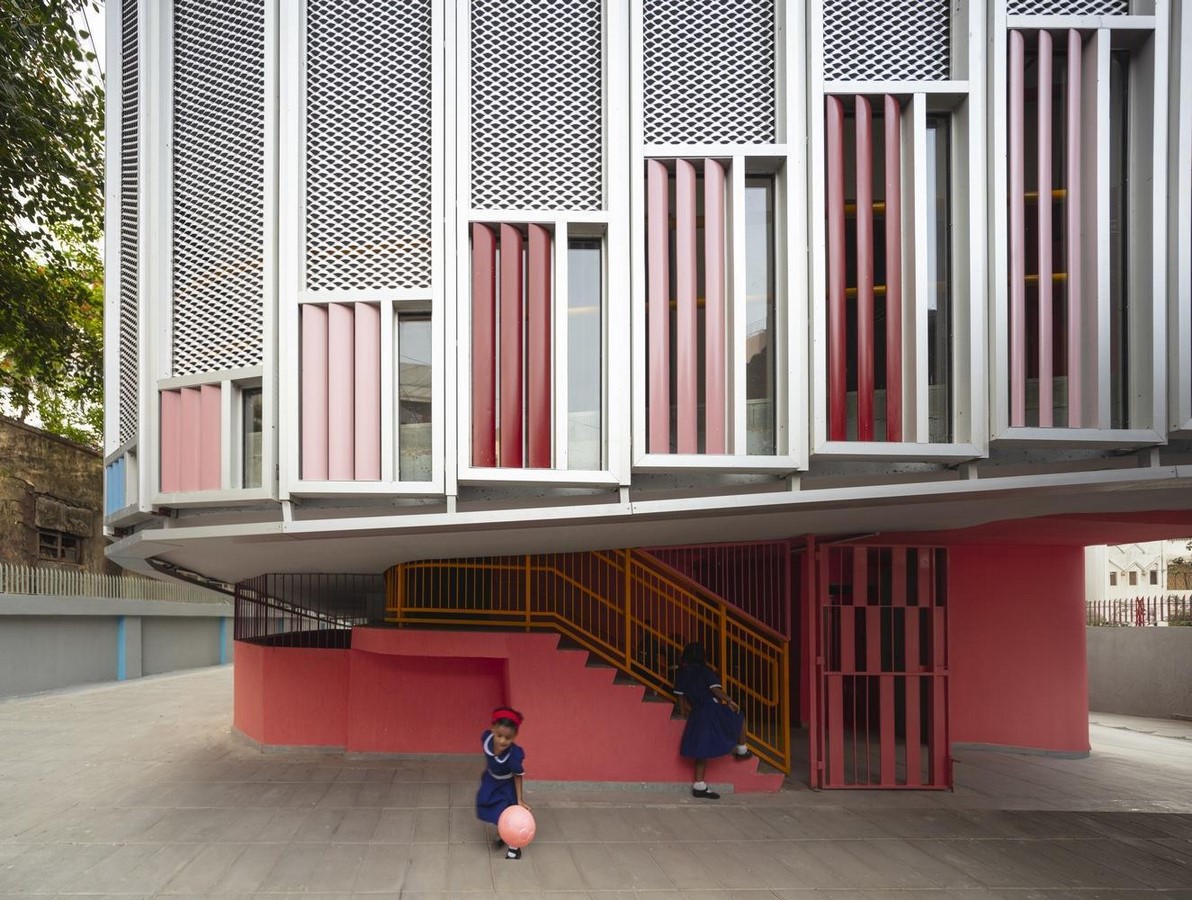
The perforated metal scrim outside the ramp, filters light and muffles street noise, changing the city’s presence into a soothing, ambient backdrop.
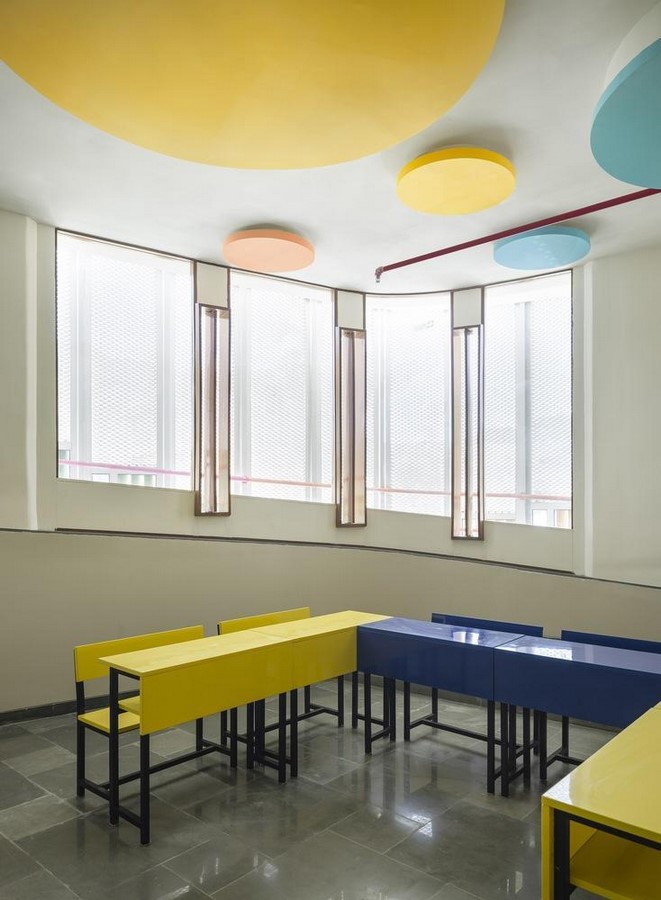
Low-height screens and calibrated openings provide children with scaled views of the city, allowing them to observe and engage with their environment while limiting harsh light exposure.
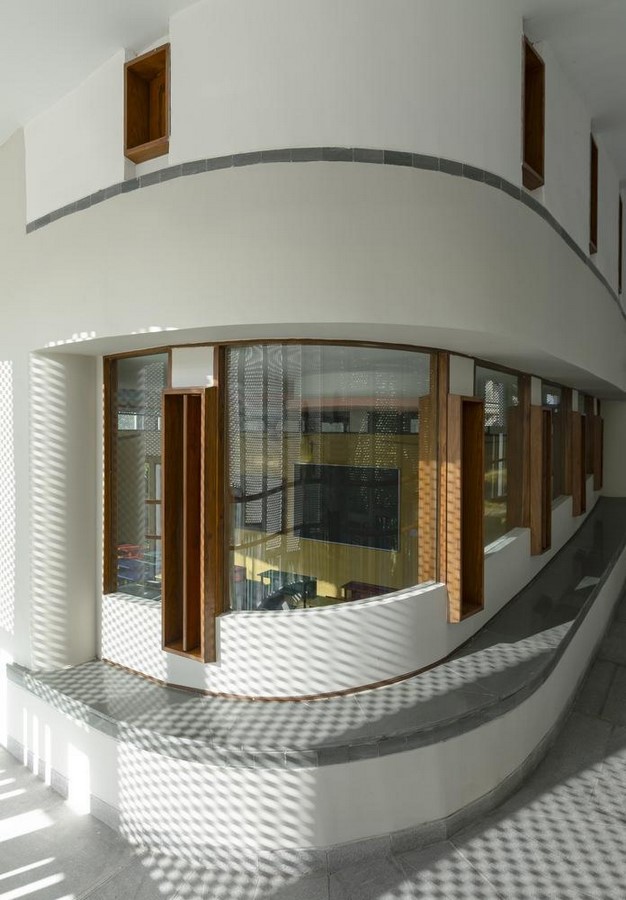
Structural & Future-Ready Design
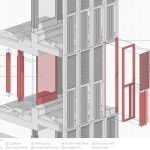
The structure of the building is reinforced by five internal columns and an elevator core. The ramp is supported by an inverted peripheral beam connecting to these columns at various heights.
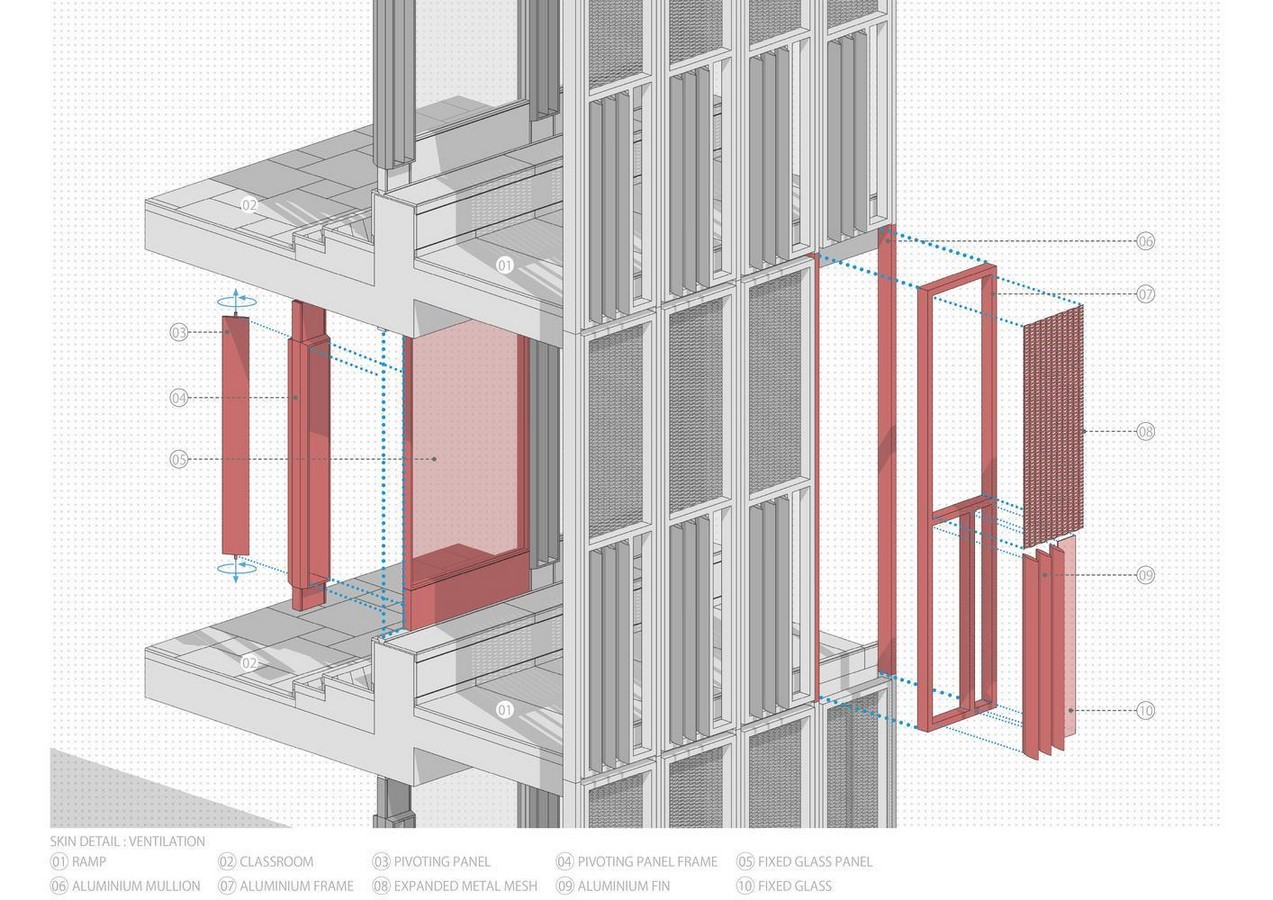
On the upper floor, an exterior column grid connected by a transfer floor enables for future horizontal expansion, such as adding storeys or converting the fifth floor into a multifunctional classroom.
Materials Palette & Rationality
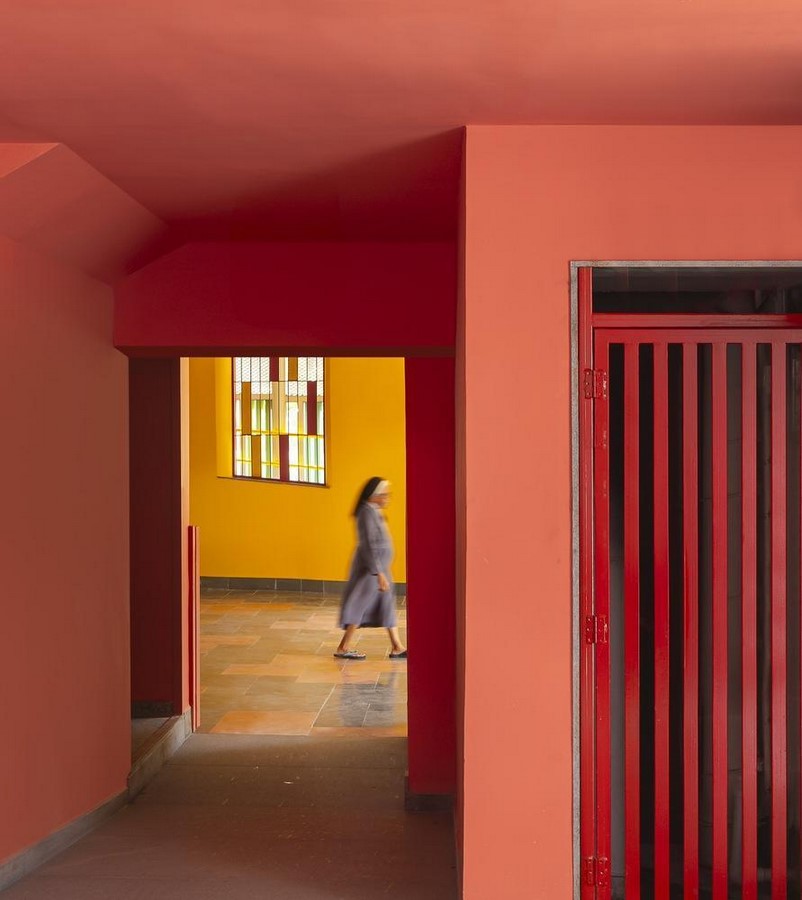
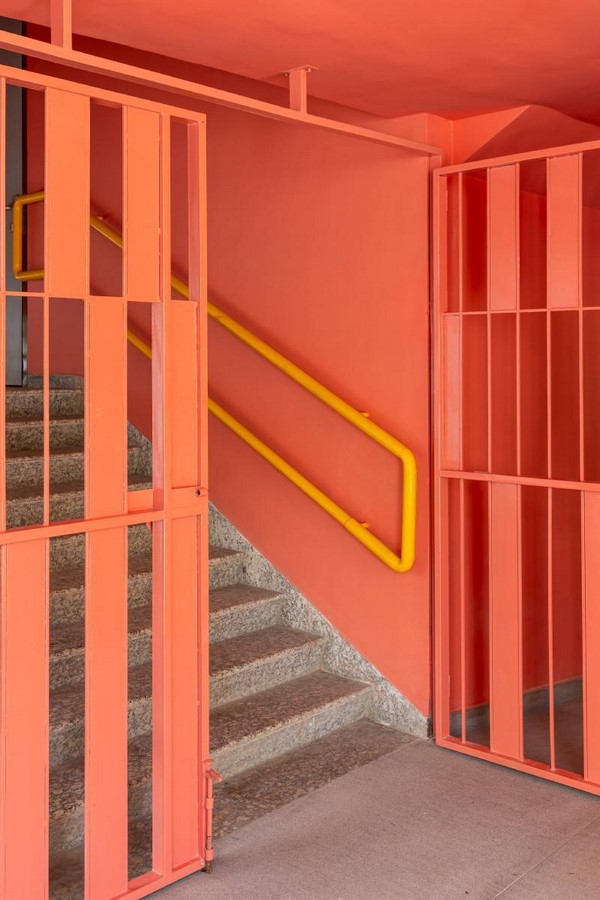
Natural stone flooring provides a sturdy, tactile substrate that can resist the wear and tear from children’s movement.
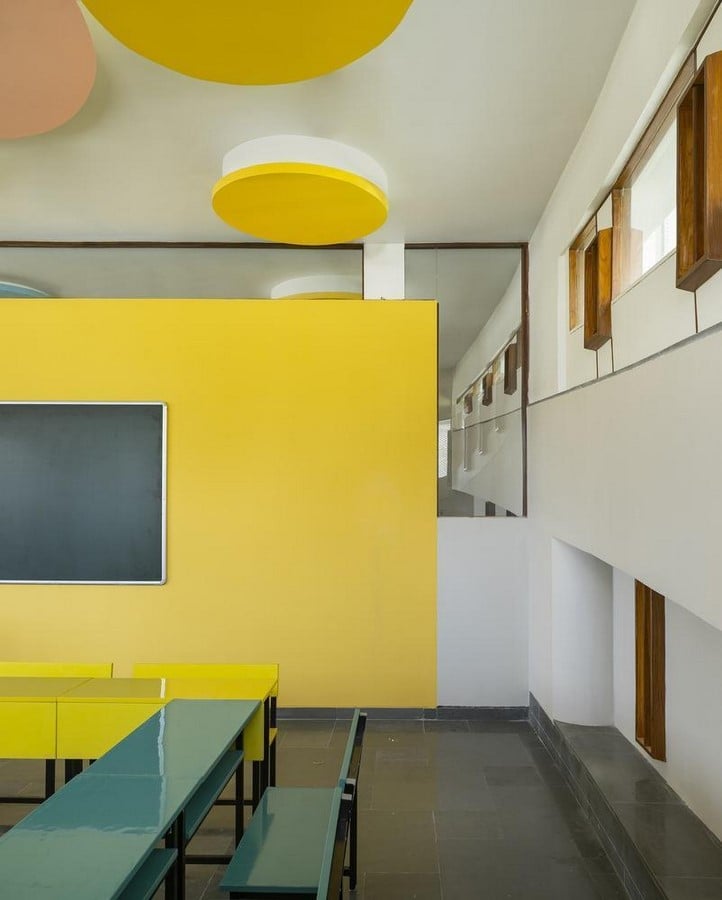
Hardwood is used for interior framing and pivoting fins, adding warmth and a gentle look to rooms that are generally shaded by the aluminum façade.
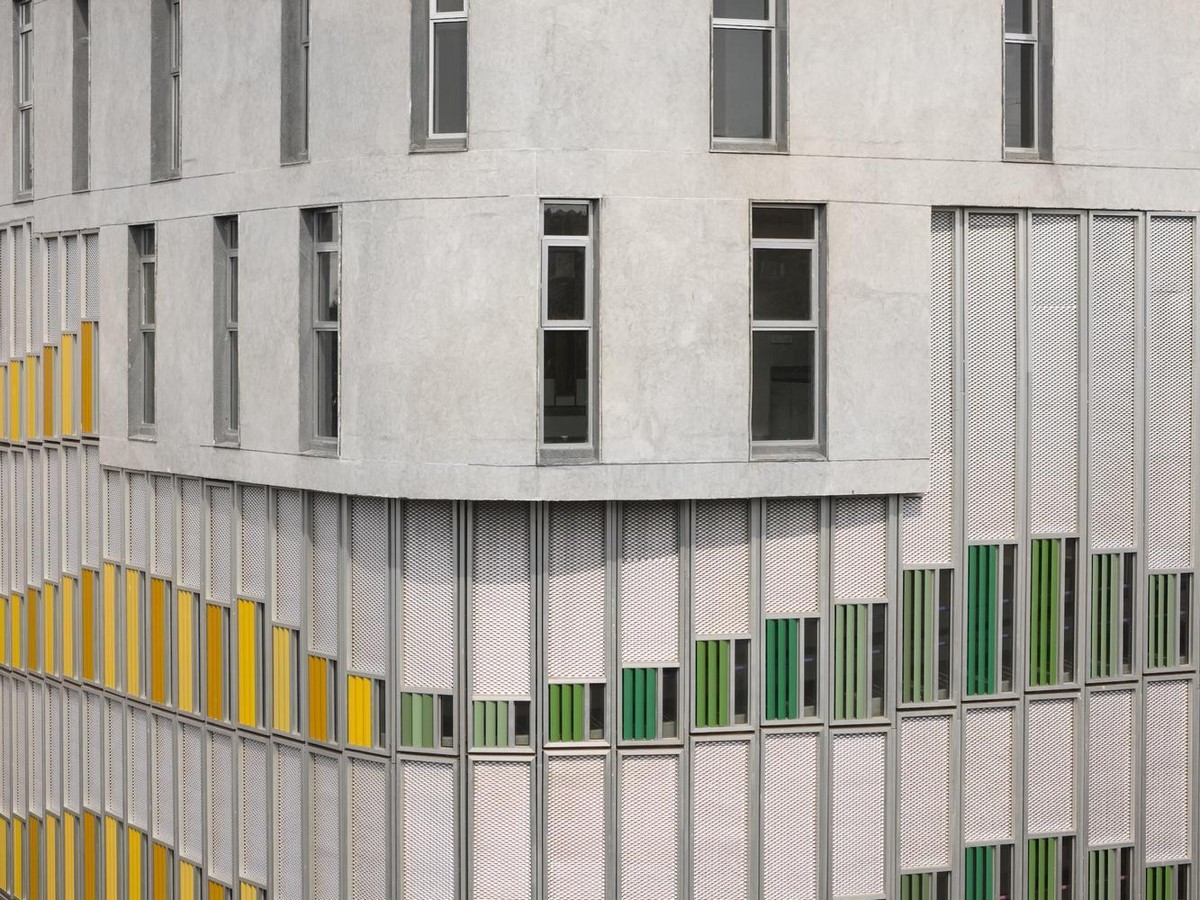
The primary skin of the façade is anodized aluminum, which is durable, requires minimal maintenance, and has an attractive neutral tone that complements the softer interior elements.
Intentional Simplicity & Low-Maintenance Strategy
JDAP was successful at achieving longevity and low maintenance at the Garden School, by using simple, durable materials like stone, anodized aluminum, and oak. The clarity of materials serves both functional and aesthetic reasons, allowing children to concentrate on learning and movement rather than the building.
Passive Comfort & Environmental Responsiveness
It can be said that sustainability is embedded in the passive strategies used to design the garden School.
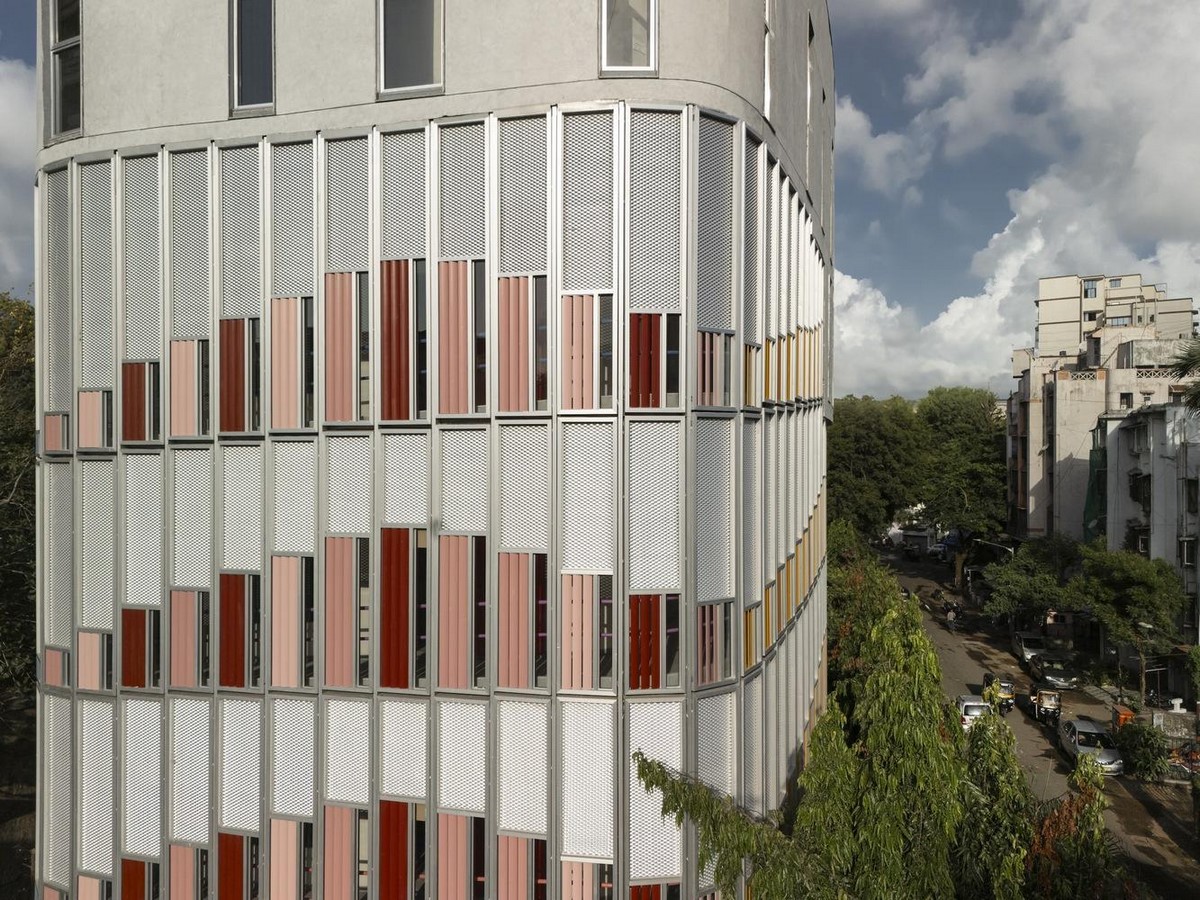
The perforated metal scrim controls sun penetration and glare, easing cooling loads
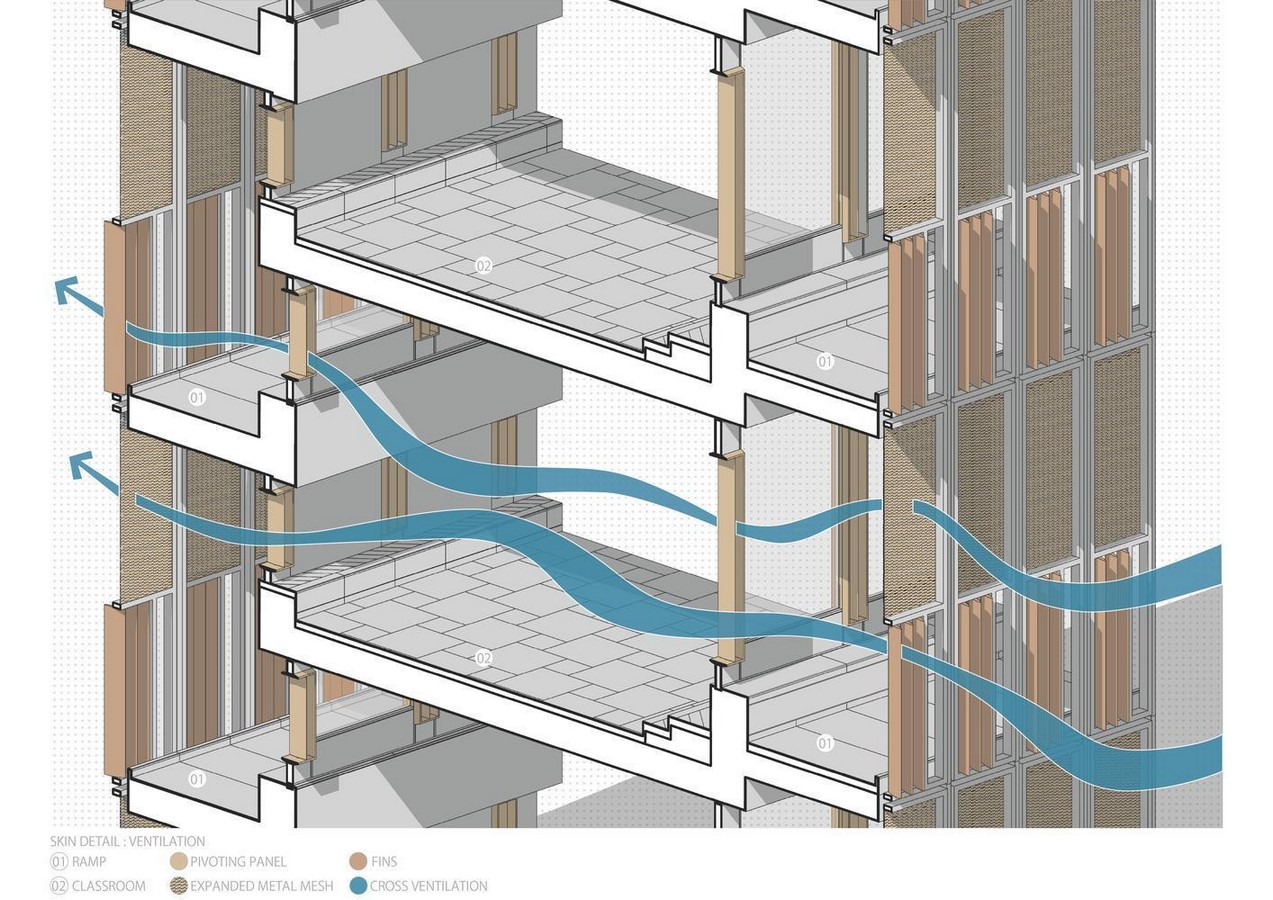
The low-height screens limit direct solar heat gain, while allowing optimum daylighting.This in turn reduces the need for artificial lighting and mechanical cooling.
Efficient Land Use & Vertical Density
The design protects open space, which is a rare commodity in dense urban plots, by maximising the ground-level play area through vertical stacking. This effective land use is naturally sustainable, as it reduces the building footprint while allowing children to engage in natural outdoor activities.
Material Longevity & Local Appropriateness
The choice of long-lasting materials, such as natural stone and anodized aluminum, minimizes the environmental impact of periodic repairs. The materials used indicate a desire for long-lasting, low-impact finishes.
Human-Centred Sustainability
The ramp, as an internal street, facilitates natural mobility, observation, and engagement, encouraging youngsters to engage in physical activity on a daily basis. This form of social sustainability, which promotes community, play, and wellbeing, is an appealing outcome of the design.
Adaptability & Future-Proofing
The structural facilities for future extension, such as the outside column grid and transfer floor, demonstrate the building’s adaptability This anticipatory design increases the structure’s lifespan and utility while lowering the environmental costs of future renovations.
The Garden School in Mumbai demonstrates how architecture can overcome the constraints of site, scale, and context to create an environment rooted in imagination and empathy. JDAP’s design converts a small urban plot into a layered, vertical campus where children can learn not just in classrooms, but also on ramps, landings, and transitional spaces that feel as alive as the city itself. The careful use of long-lasting materials and appropriate construction methods ensures the building’s strength and adaptability, while the incorporation of passive comfort, daylight, and expansion potential ensures its long-term viability.
More importantly, the project reimagines the concept of a “school” in a crowded city as an open, fluid landscape of movement, discovery, and interaction. In doing so, the Garden School establishes a precedent for how educational design may inspire inquiry, promote well-being, and stay resilient in the midst of a constantly changing urban landscape.
References:
Abdel, H. (2024) Garden School / JDAP, ArchDaily. Available at: https://www.archdaily.com/1022165/garden-school-jdap (Accessed: 24 August 2025).
JDAP – projects (no date) JDAP Design – Architecture – Planning. Available at: https://www.jdap.in/projects/garden-school-mumbai-jdap (Accessed: 24 August 2025).
YouTube. Available at: https://www.youtube.com/watch?v=JkgQCeu6LyM (Accessed: 24 August 2025).
JDAP design – architecture – planning, NIVEDITAA Gupta · Garden School (no date) Divisare. Available at: https://divisare.com/projects/514269-jdap-design-architecture-planning-niveditaa-gupta-garden-school (Accessed: 24 August 2025).