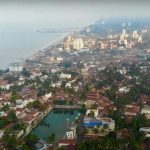
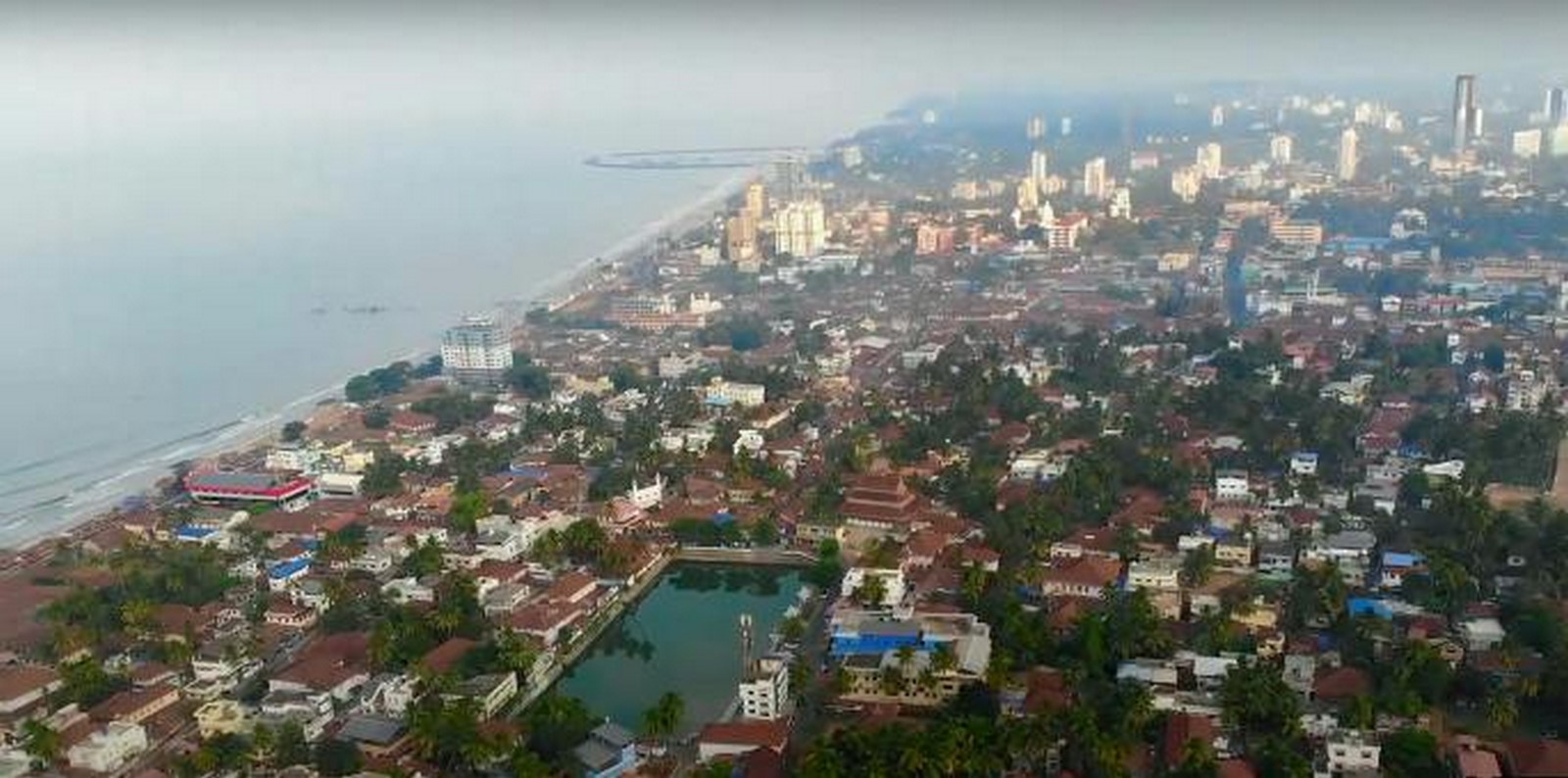
Kuttichira is a locality that unfolds its history in layers, often unrelated or bewildering, but always one that resonates with diversity and positive syncretism. It meets its analogue in a careful matrimony of community and conforming built spaces, reverberating the essence of evolution. Kuttichira, also known as Thekkepuram, is a neighbourhood in the heart of the city of Kozhikode in Kerala, sheltering a variety of ethnicities and cultures, with residences built when tradesmen migrated not just to monopolise the spice and cloth trade but to integrate into a vibrant society that was to become. The area demonstrates a discernible and distinctive transfer of cultural traditions and elements, manifested through daily routines and the architectural character of the streets, scripting an indelible ethos into the city’s heritage. Bordering the Arabian Sea on its west, Kuttichira boasts its booming commerce and thriving local cuisine, contemporary street arts that establish a link with its past, and a legion of hospitable, kind residents.
Lustrous Lanes of Kuttichira
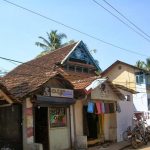
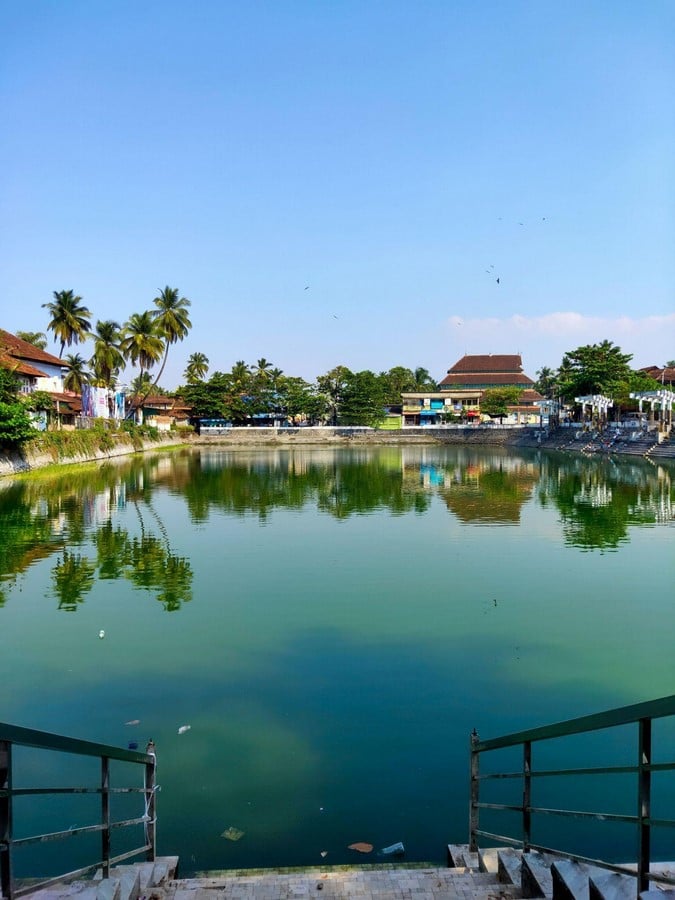
While the sleepy town of Calicut or Kozhikode seems to unfurl its shutters at eight or nine in the morning, Kuttichira’s fishermen wake early to unravel their nets from the boats of the Mampuzha River with the hope of catching fish enough to sustain a day or two, a feat noticeable from the grills of the Kothi Bridge. Big Bazaar also plunges into a hustle soon, with a series of trucks hoarding groceries and materials to and fro from the epicentre of business and wholesale transactions. The Halwa Bazaar transports people into the past with its wooden fenestrations, ornamental motifs on the roofs and walls, coconut stalls, and aged structures of erstwhile stores, multigenerational bungalows, and narrow stretches of once-glorious dwellings. Contrary to its name, the street now has no sweetmeat stores selling the popular Kozhikoden Halwa, a favourite among the residents of the area. Such Bazaar streets adjoin the core of the neighbourhood, the ancient Kuttichira pond.
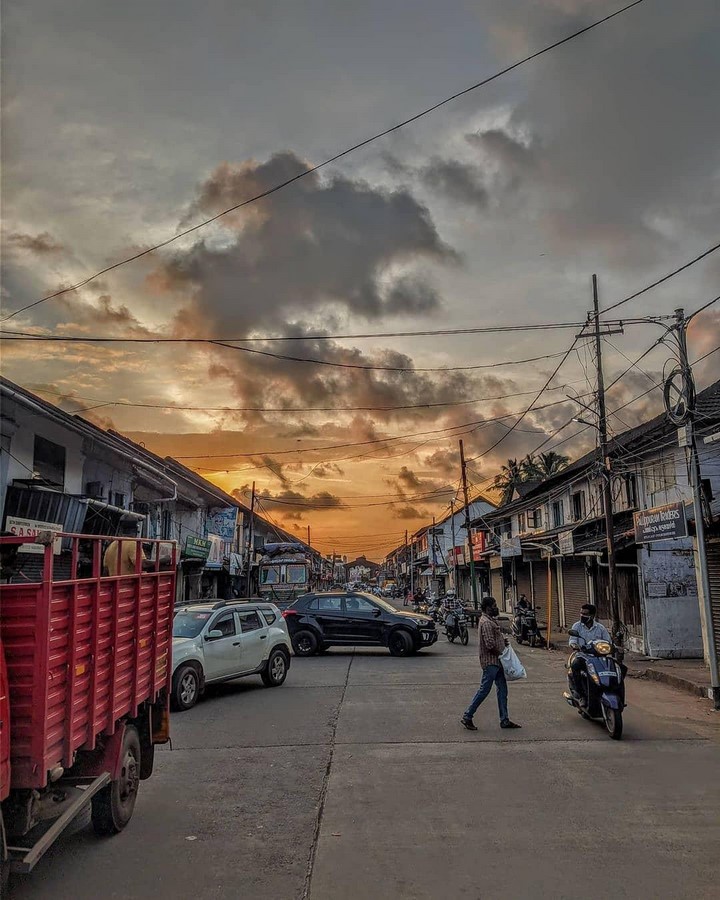
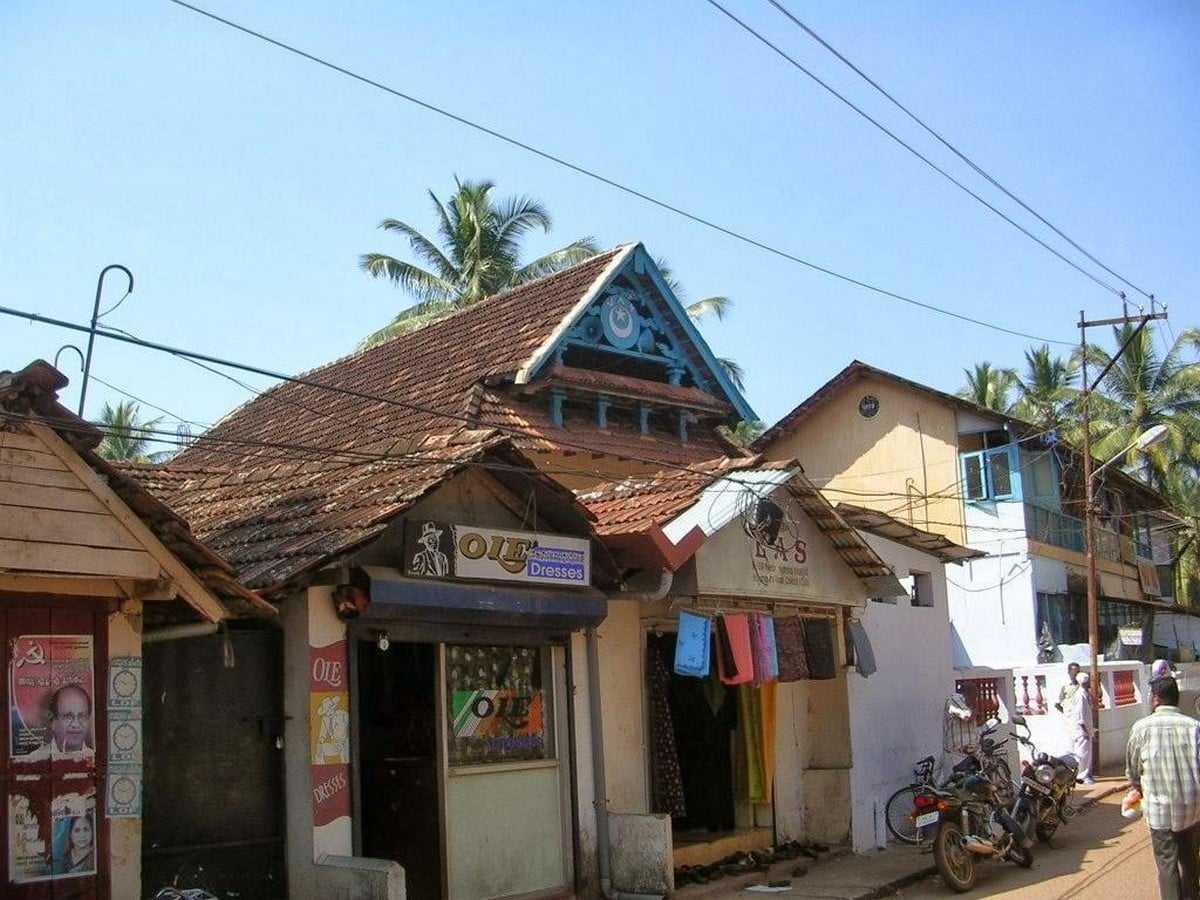
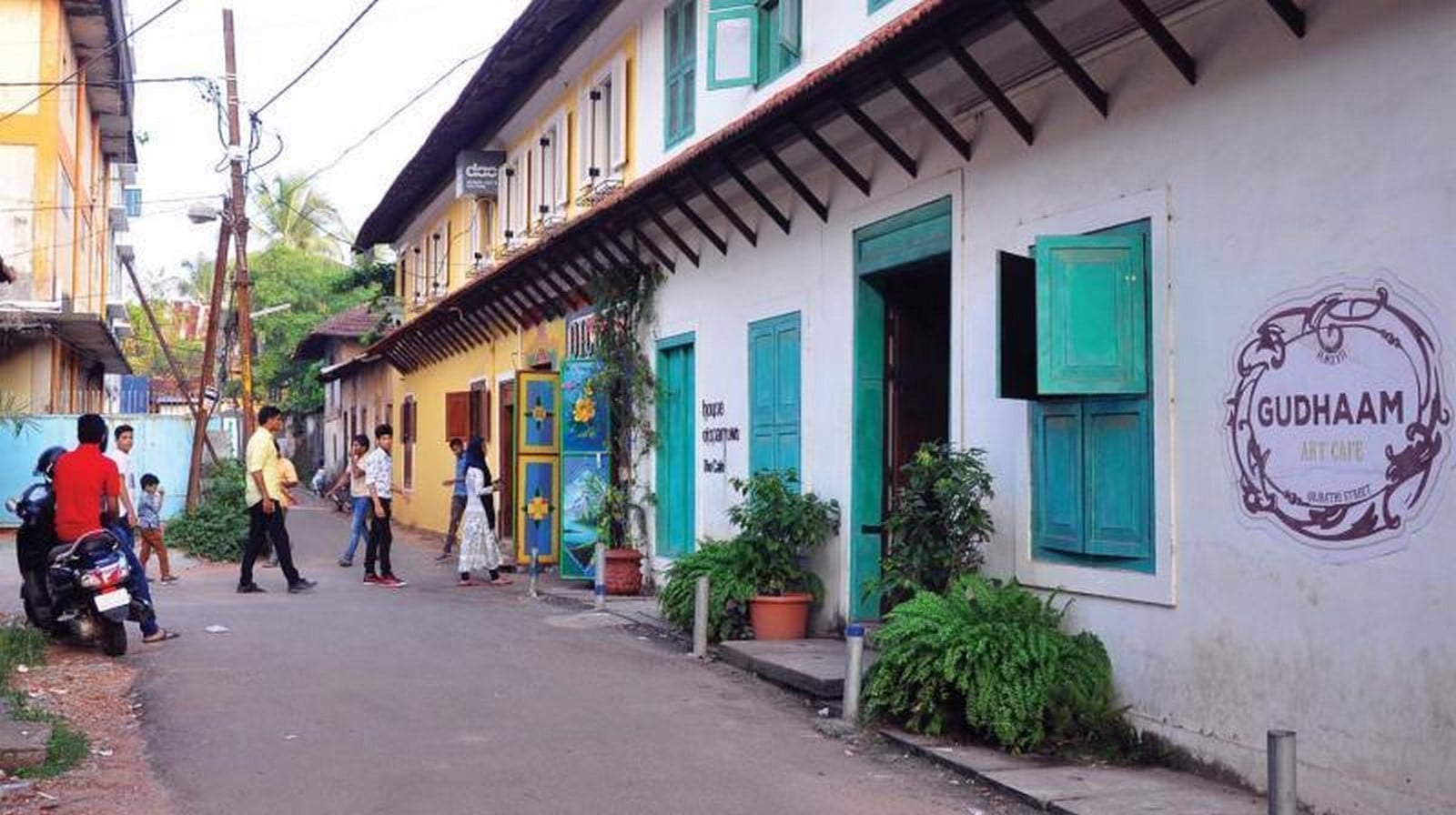
The Gujaratis, all huddled in a street which eventually went by as ‘Gujarati Street’, flaunts a plethora of street arts and residences inspired from the Pol houses of their home state. While generations have passed since their foray into this Malayali setting, the reason for their arrival in the neighbourhood, that is, rice, incense sticks, tin, and cotton trade, remains to have been passed on in inheritance from father to son. A Jain temple as well as a Gujarati School exist in the vicinity to carry out religious practices and educational requisites, portraying the place as an accepting and thriving land of rich cultural diversity.
A Lens into Built Life
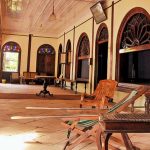
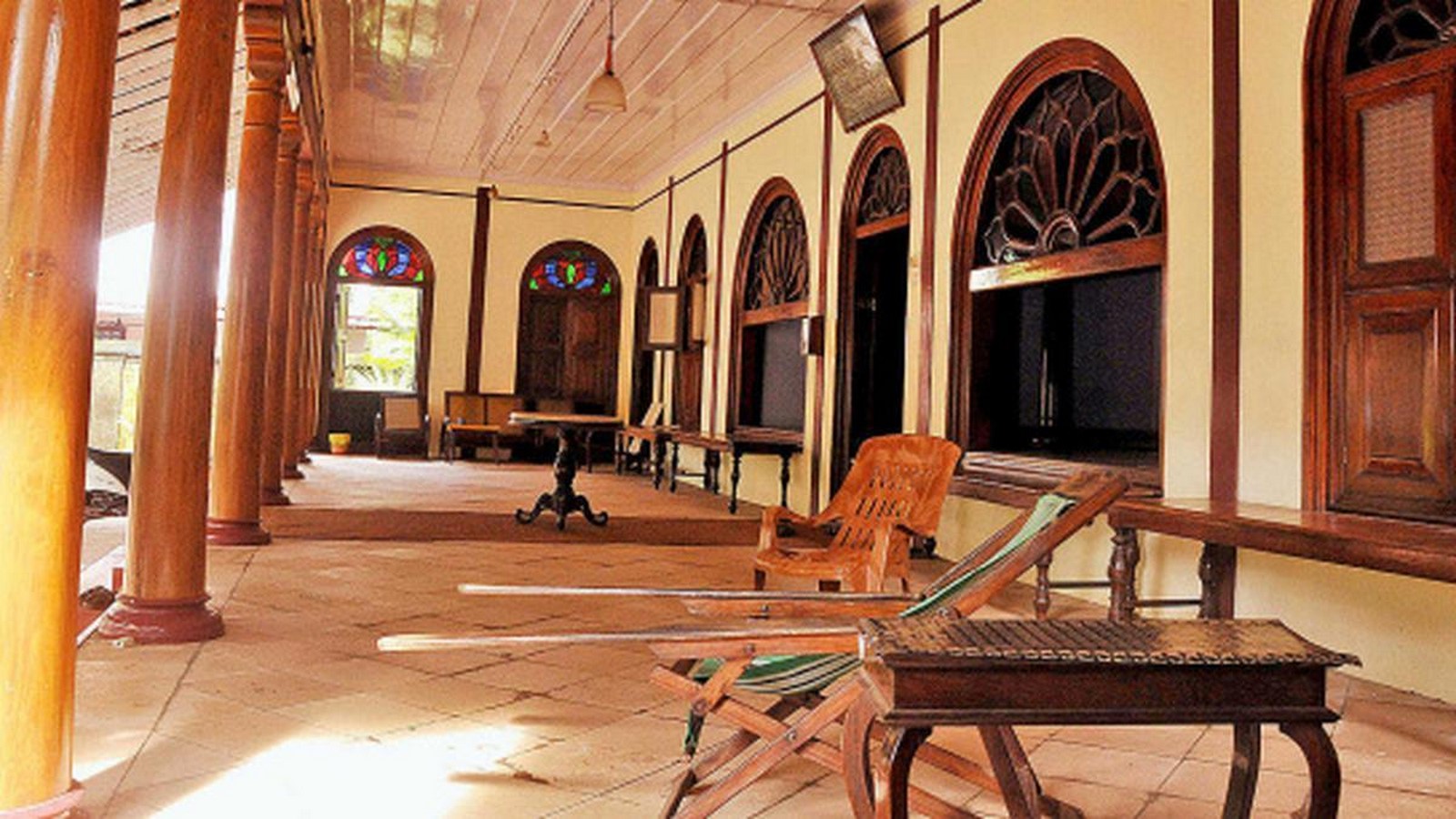
The ‘Tharavads’ or the residences of multigenerational families constitute an integral part of this neighbourhood. A nucleus of social transactions, religious rituals, and familial interplay, the Tharavads have served as a vestige of traditions, having housed people under the rule of the Zamorin. The Mappila Muslims who now inhabit these houses follow traditions of matriarchal inheritance of residences called the Marumakkathayam system, mimicking those of the Namboodiris and Nairs of Kerala, depicting a vernacular cultural adaptation. Mappila Muslims are also famed for introducing a delectable assortment of cuisine, ranging from sweet dishes to unmissable savouries. Usually, these houses have a timber framework with elaborate pillars and posts adorning a verandah. An entry passage is usually flanked by raised platforms used as a seat of socialisation as well as certain ritualistic practices. It sometimes incorporates a rain harvesting system wherein valley roofs are sloped to channelise water into a compounded shallow pit within the houses, ultimately replenishing the ground water table. They are built using vernacular materials and techniques of Kerala Architecture that include clay tiled sloped roofing, laterite bricks, a central courtyard, large entrance foyer, separate and multiple kitchens, several rooms, a utility area and characteristic timber fenestration systems.
The locality is dotted with prominent mosques, all built in traditional Kerala styles, mirroring other religious counterparts in a sheer display of cultural adaptation and unity, often incorporating elements like sloped roofs, colonnaded verandahs, Kalasha finials, arched entrances, ponds, and extensive use of timber construction.
The Age of Zomorins
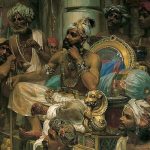
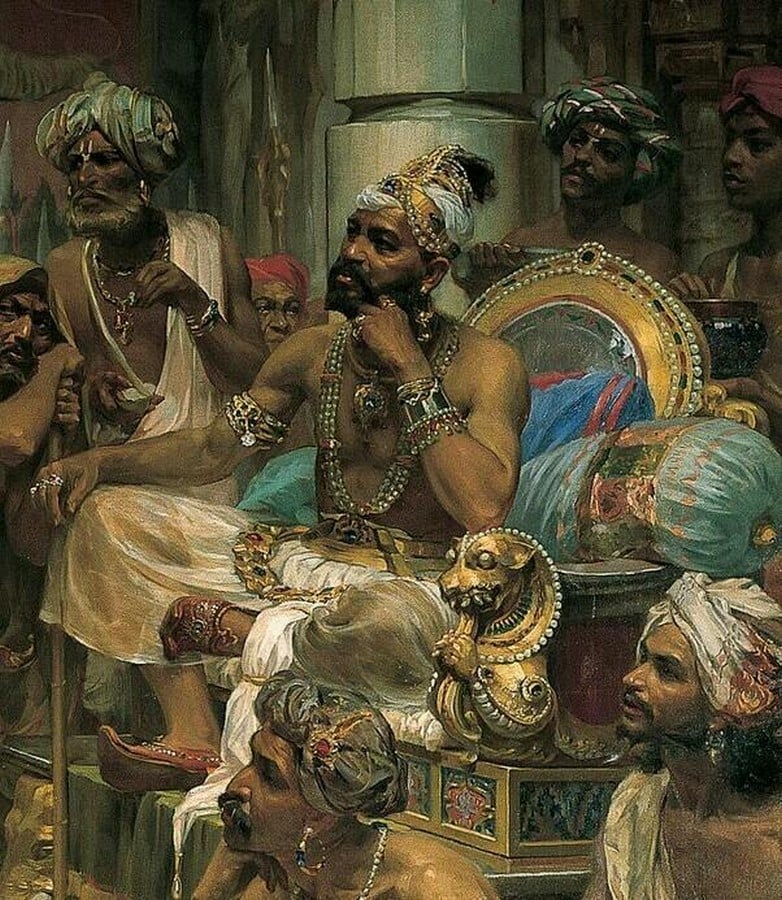
Samoothiris, who are commonly called Zomorins, were the erstwhile rulers of the Malabar Coast, majorly the Calicut kingdom. During their tenure, Kozhikode came to hold a position of supreme economic and political advantage in the arena of sea trade with foreign ports. Under their rule, Kozhikode garnered the title ‘City of Spices’ and went on to export large orders of Calico textiles. Vasco Da Gama also happened to visit India, stopping at Calicut beach and expressing his and his Portuguese entourage’s interest in the spice trade. Zomorins are also responsible for the construction of the Tali temple, a sacred Hindu Shrine, and Mananchira square, which consists of a sculptural park and a large pond. They are often credited with having led to the prosperity and success of a provincial state like Kozhikode.
A Display of Religious and Ethnic Tolerance
Famed for having forged solidarity amongst disparate cultural groups, the Zomorin established a harmonious society wherein tradesmen, merchants, and craftsmen emerging from different geographies had an opportunity to blend in and live peacefully. The dynamics of the community constitute the Mappila Muslims, Gujaratis who came to indulge in lucrative businesses, Koyas, and manikfans from Lakshadweep and Tamilians, all of whom embraced the ethos of Kozhikode and carved a niche in the robust demography. The advent of Nakhooda Mishkal, a Yemeni Shipowner, marked the construction of an important mosque renowned as the Mishkal Mosque, which was courteously sanctioned by the Zomorin. The mosque eventually rose to be an important landmark, attracting pilgrims and architectural enthusiasts from far and wide. Several Yemenis then settled here and merged into the fabric of the society.
The Design of Mishkal Mosque and Pond
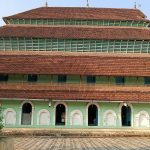
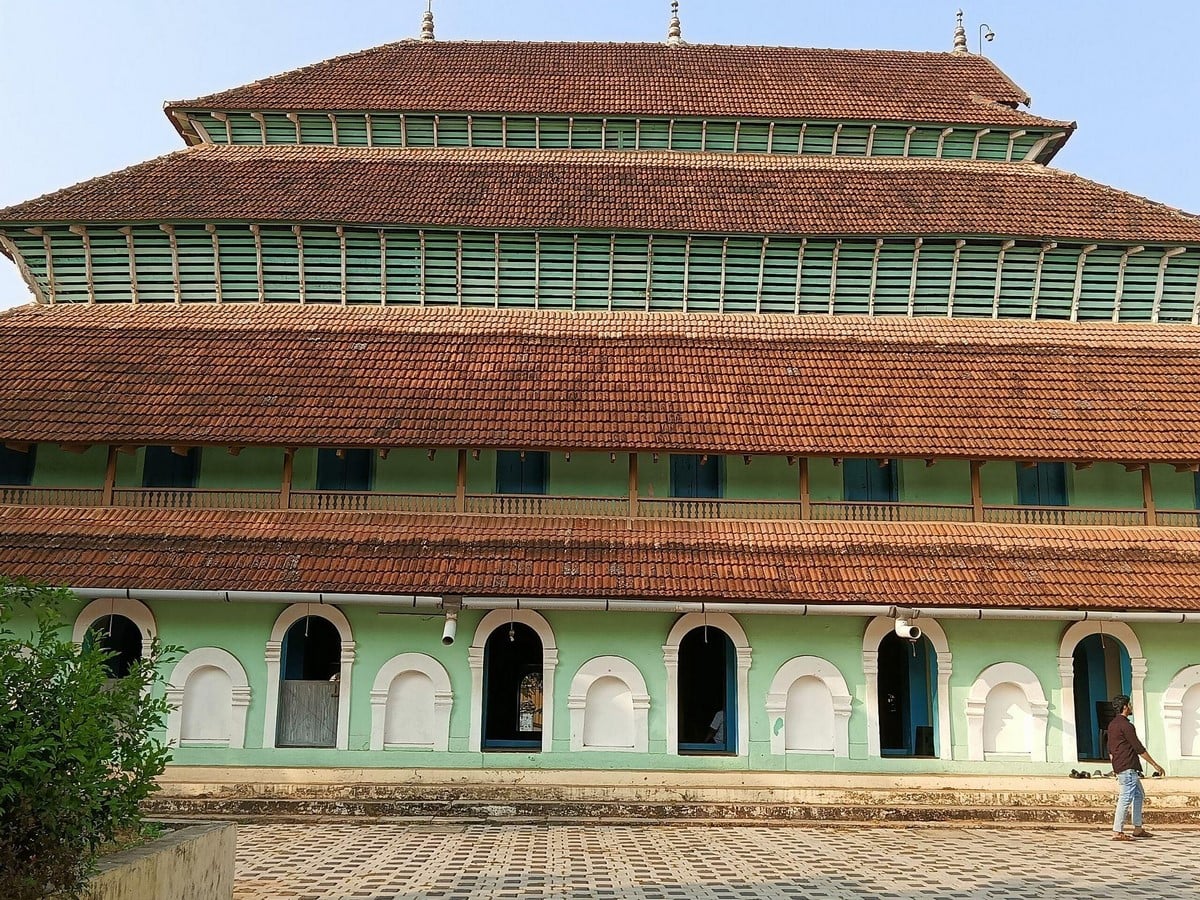
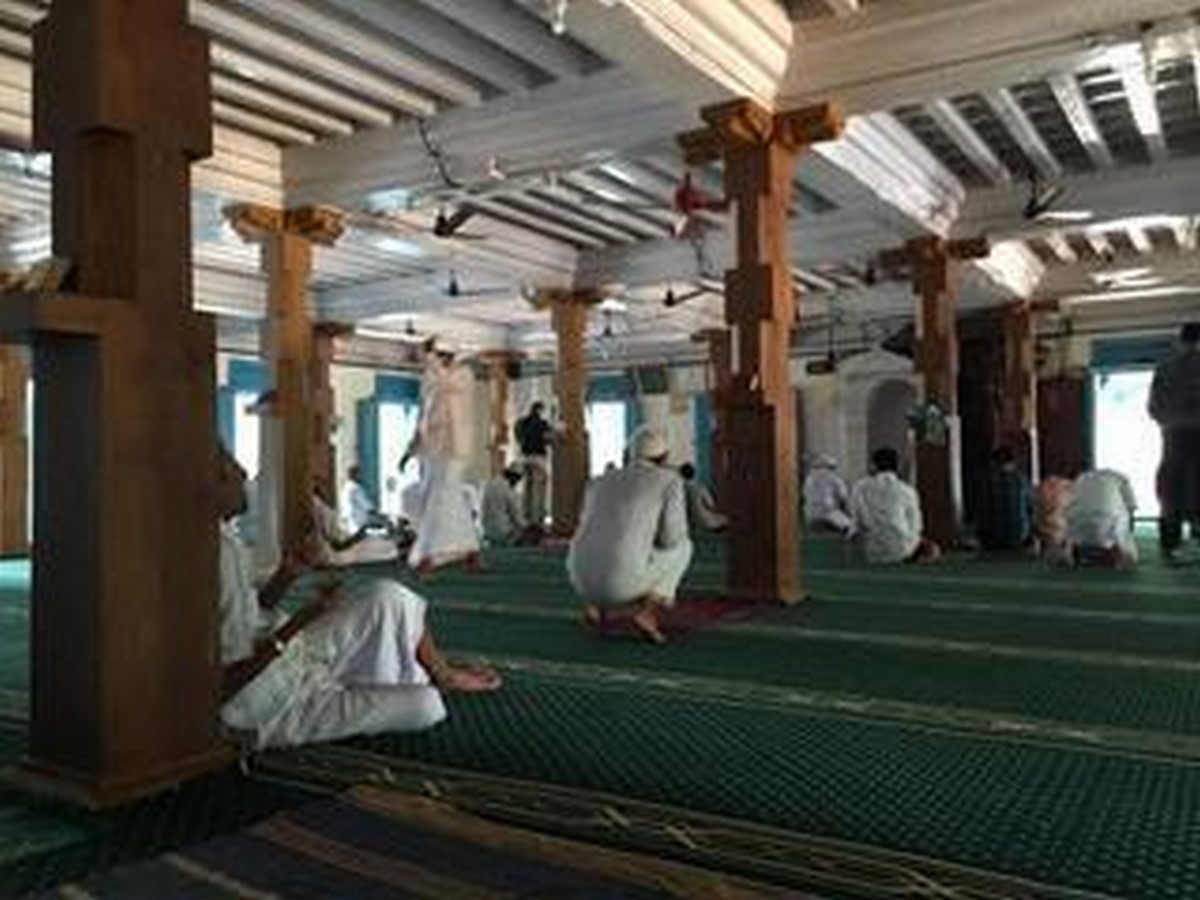
The Mishkal mosque is built in conventional Kerala temple grammar, with wooden elements and structural members, Mangalore tiles on the Gopuram style entrances, louvered shuttering, crafted wooden eaves, an external wall arcade, and sloped roofing with traditional finials in a five-storeyed structure. Unlike other mosques with domes, minarets, and specific arch typologies, this structure stands as a symbol of communal harmony. Intricate carvings and efficiently arranged spaces constitute this religious precinct. A few years after the consecration of the mosque, the Portuguese attacked it, only to be defended and reinstated into its former prestige by the rulers. Ever since, the mosque has remained a four-storeyed building with remnants of the attack visible on the top floors. Other mosques in the premises include the Muchundi Masjid and Jummath Masjid, located at a walkable distance from the nucleus of Kuttichira, the pond.
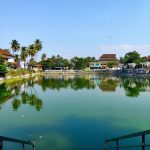
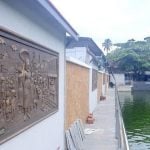
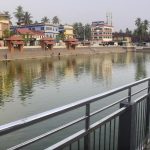
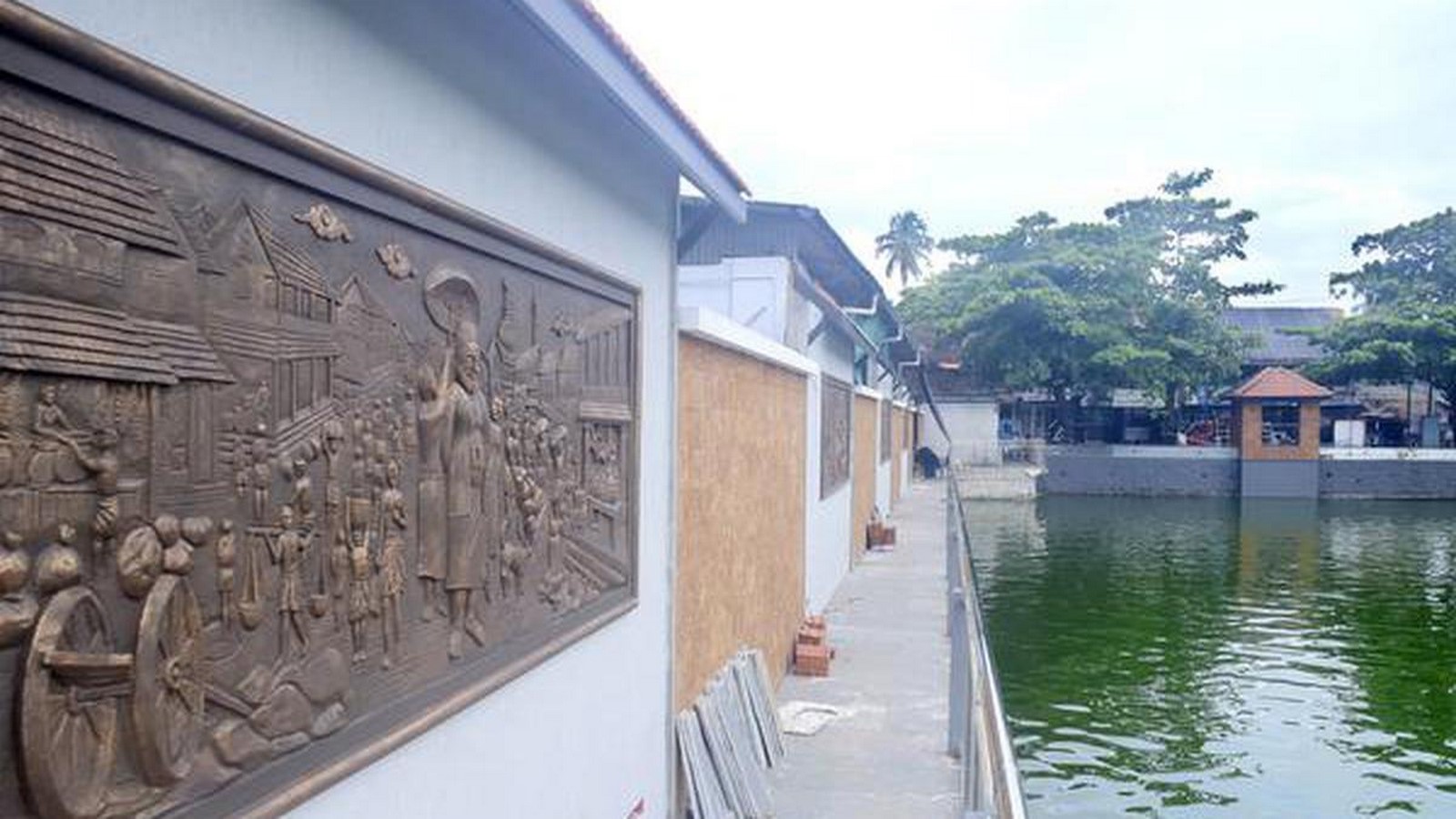
The rectangular pond materialised as a response to water conservation and the need for a cool, flowing breeze. In recent times, the pond has developed around it a heritage pathway with murals showcasing the history and sanctity of the place, along with steps leading into the pond. This stepwell like design reduces unnecessary evaporation and meets with the daily needs of those who live closeby. Sufficient seating spaces have been inserted in the plan.
Kuttichira as it is Today
The neighbourhood today poses a modern outlook into lifestyle while retaining some of its former character in the form of built forms and structures vivid in the urbanscapes of the town. Cellular shops, street vendors, magnificent mosques, parks, resting spaces, a heritage walk around the pond, popular Biryani restaurants, small office spaces, and studios lie embedded within the perimeter of Kuttichira. While younger generations move out in search of opportunities and jobs, the heritage buildings and houses are often left unattended and abandoned over time, losing the distinction they treasured. Several generational stores and trades are overlooked in comparison to emerging markets and departmental shops. Yet, a beacon of hope kindles in the hearts of the residents to resurrect and persevere the context and vibrance of Kuttichira, a jewel in the crown of Kozhikode.
References in Harvard style Citations:
Administrator (2025). Mishkal Mosque at Kuttichira. [online] Archive.org. Available at: https://web.archive.org/web/20090426235311/http://www.keralatours4u.com/kerala-districts/kozhikode/244–mishkal-mosque-at-kuttichira-.html [Accessed 2 Aug. 2025].
Wikipedia Contributors (2024). Kuttichira Beach. Wikipedia.
Ullattil Manmadhan (2020). The Rise and Fall of the Zamorins of Calicut. [online] PeepulTree. Available at: https://www.peepultree.world/livehistoryindia/story/eras/zamorins-of-calicut?srsltid=AfmBOoqet6Jp4csP0sznmmElF98GXdnrzgsbvDGtupfJr6h4QtW-pSkn [Accessed 2 Aug. 2025].