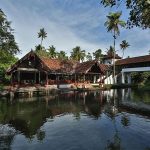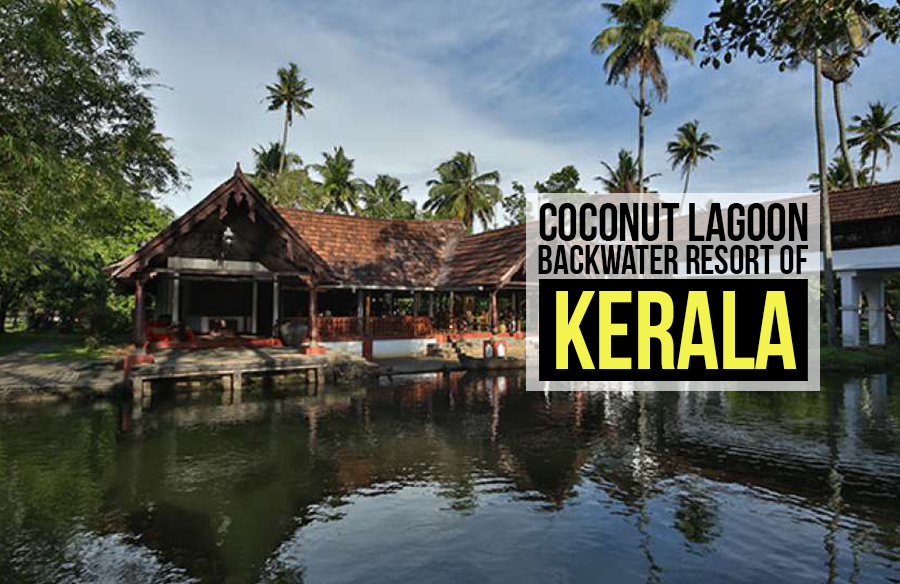
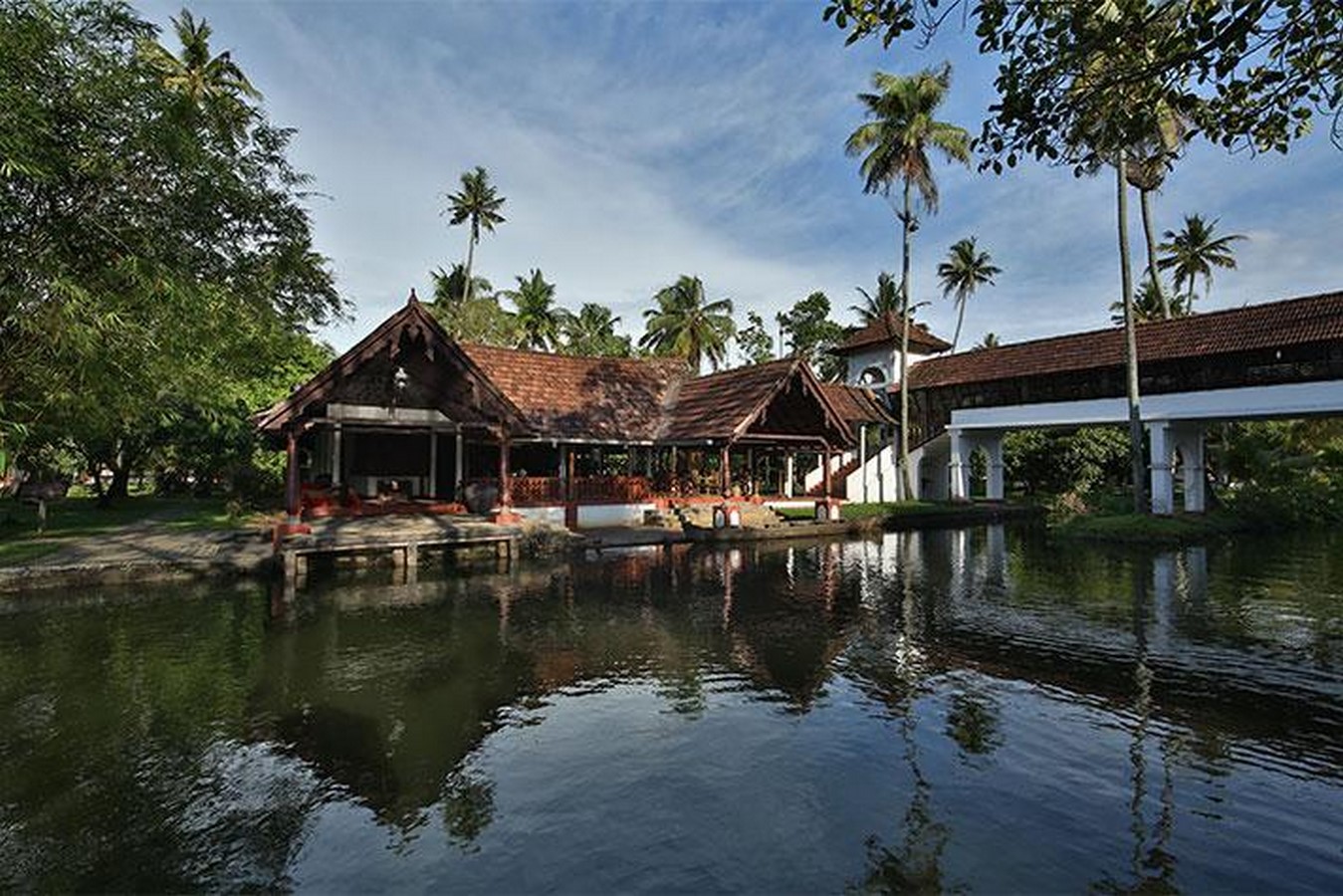
Boarding a bus from Alleppey to Kumarakom, a small town in the heart of Kottayam district, traversing through the backwaters, on the banks of the Vembanad lake, is the famous Coconut Lagoon Backwater Resort. The small inlets of backwater in the site takes you on small traditional boats to reach the wooden cottages resting among the coconut lagoons.
The Entry
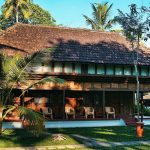
The entrance has a traditional nalukettu style reception with an entry that transforms from the water body and carries our soul into the building. The grand entry with its traditional character imparts an iconic character to the whole 30-acre site. The deep verandahs around the building with wooden pillars and beams embed the idea of an old Kerala tharavadu. It brings an antique luxury to the whole space. These buildings are living histories from different parts of Kerala, constructed in a culturally and naturally rich heritage land.
Restaurant
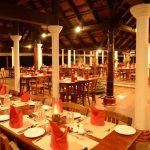
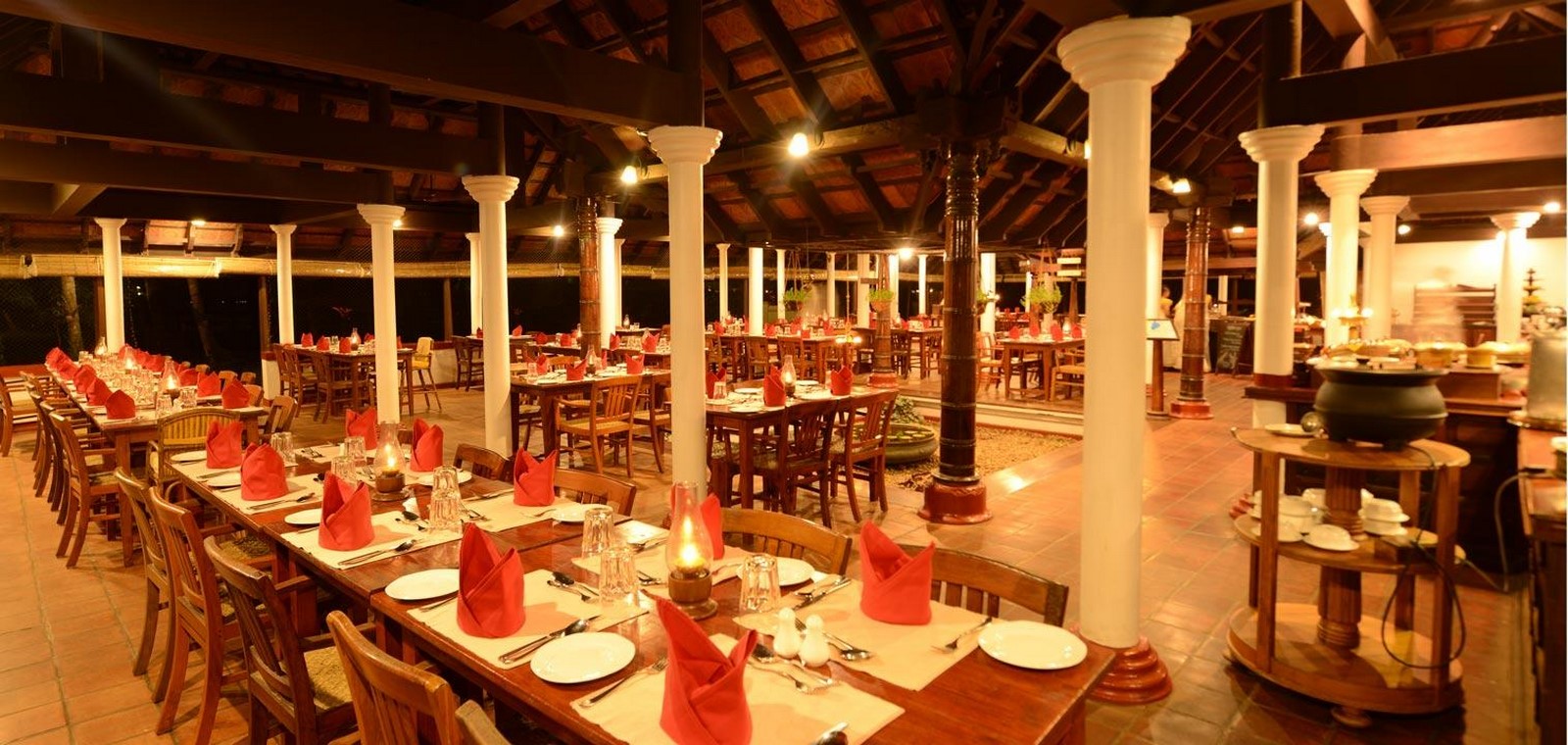
The main restaurant, an ettukettu, provides an experience of an old Kerala tharavadu.
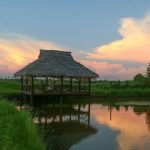
These wooden structures, even with all their glory from the vernacular architectural style harmoniously adapt modern elements in them. The surrounding paddy fields are used for rainwater harvesting and there is a paddy dining hut amidst these paddy fields.

The Villas
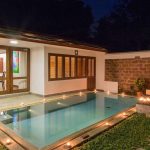
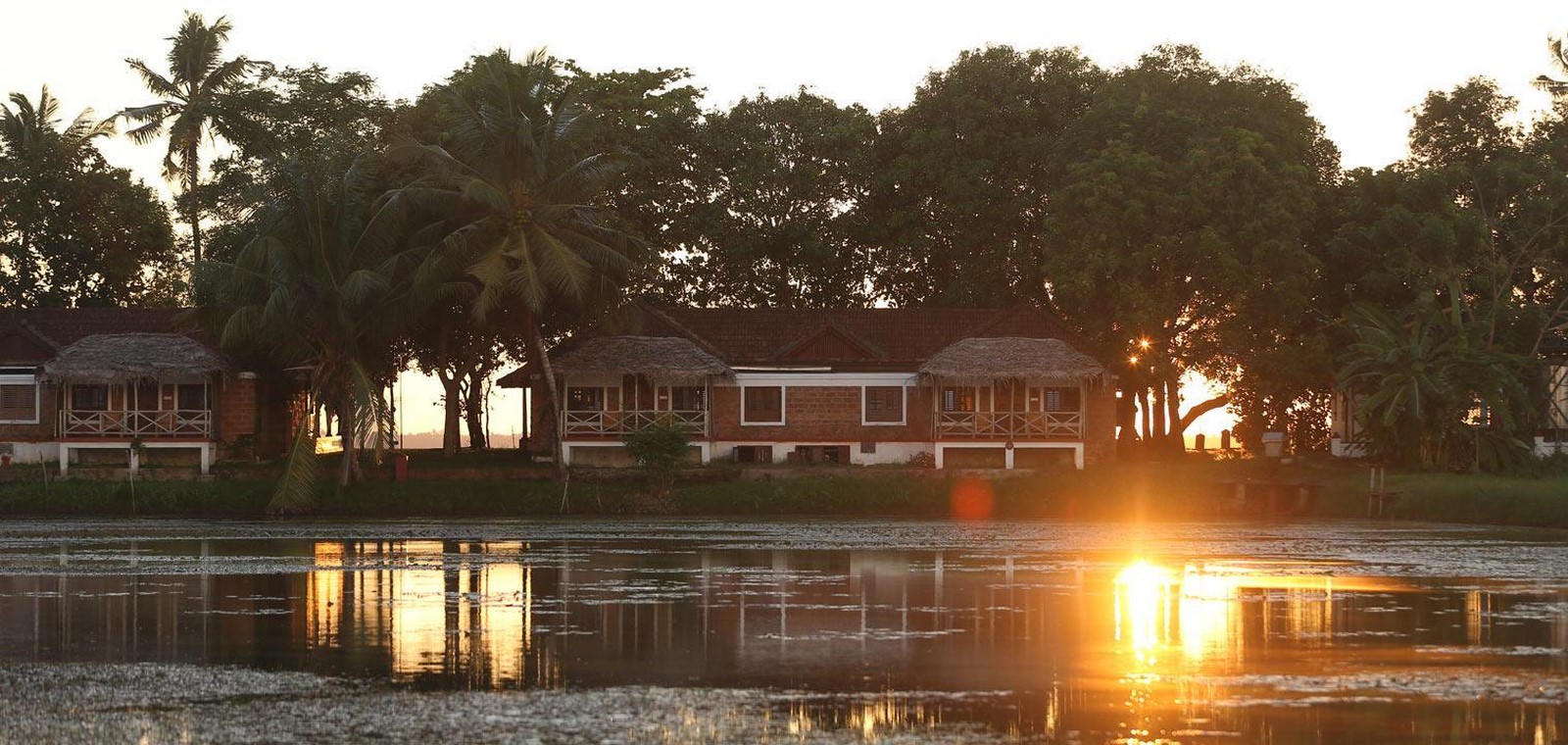
The rooms are transformed from traditional wooden houses of Kerala, reconstructed after being brought down from different parts of the state. They provide traditional luxury to the spaces. The modern bathrooms open to the sky, beautifully incorporated into the traditional wooden forms of the cottage, providing antique luxury to the whole volume.
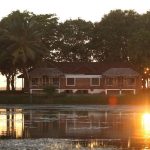
The rainwater harvesting pond is an addition to the pool villas with a view of lovely water lilies and a chance for bird watching. Luxury villas are sandwiched between water bodies, with the lake on one side and the retention pond on the other.
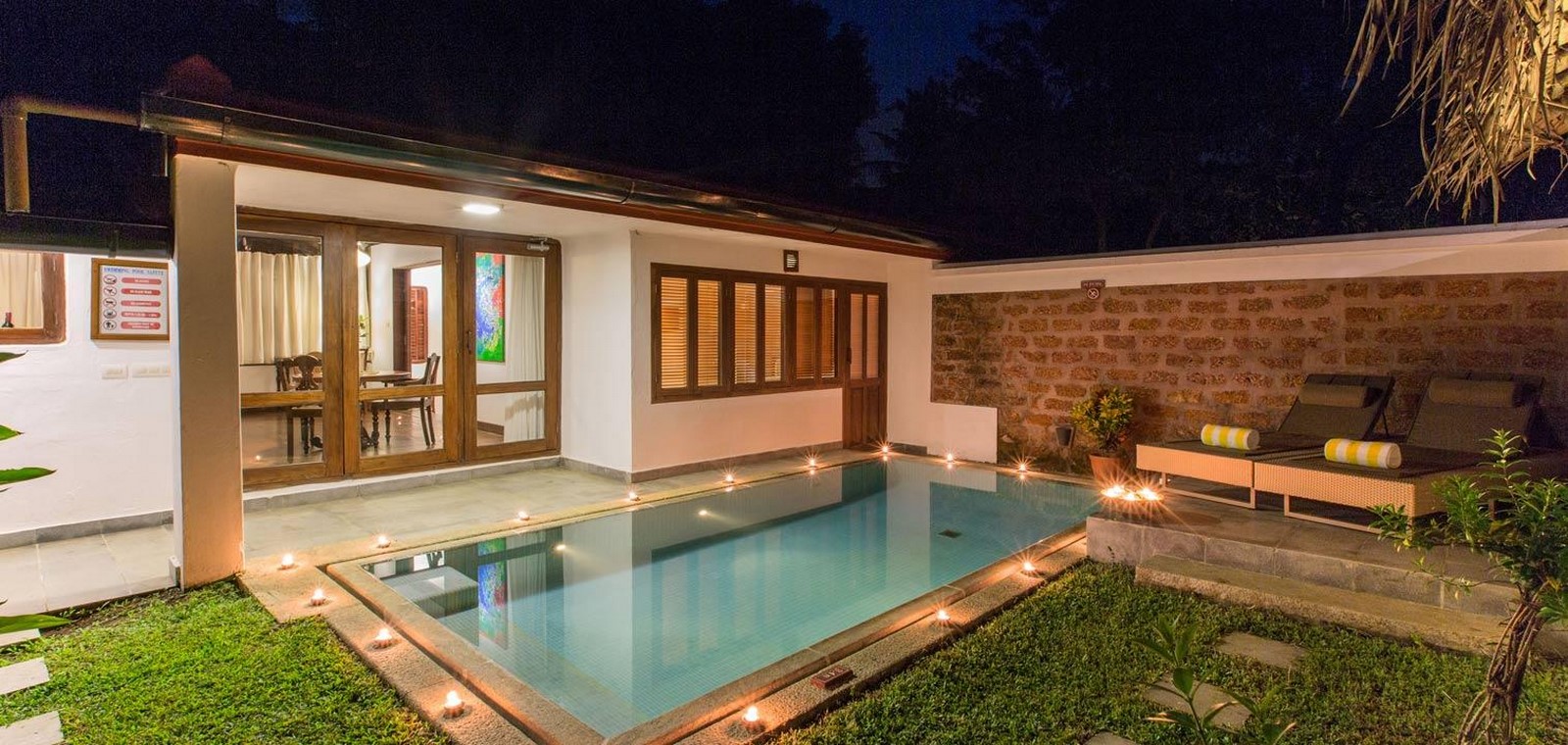
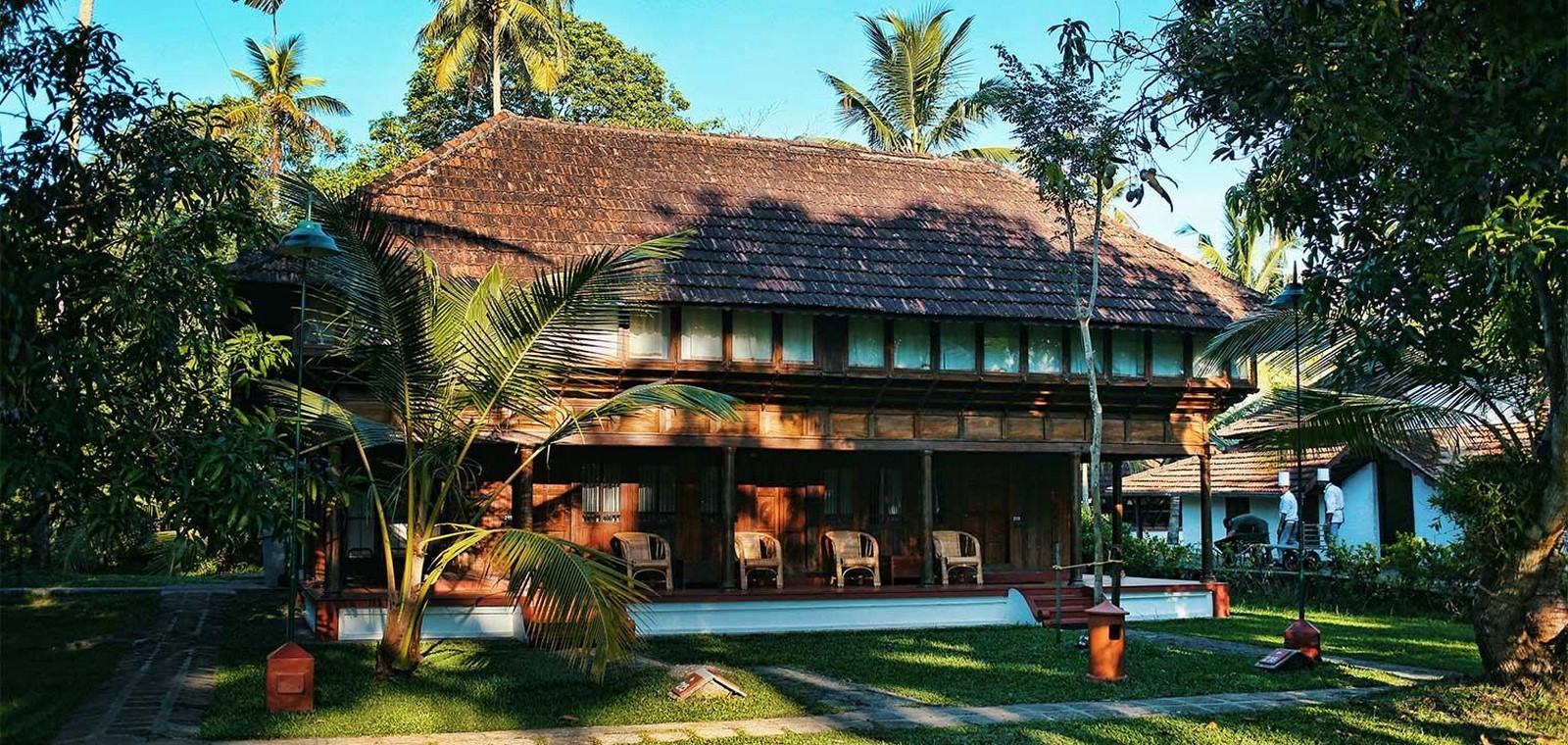
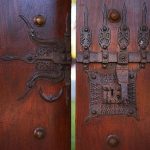
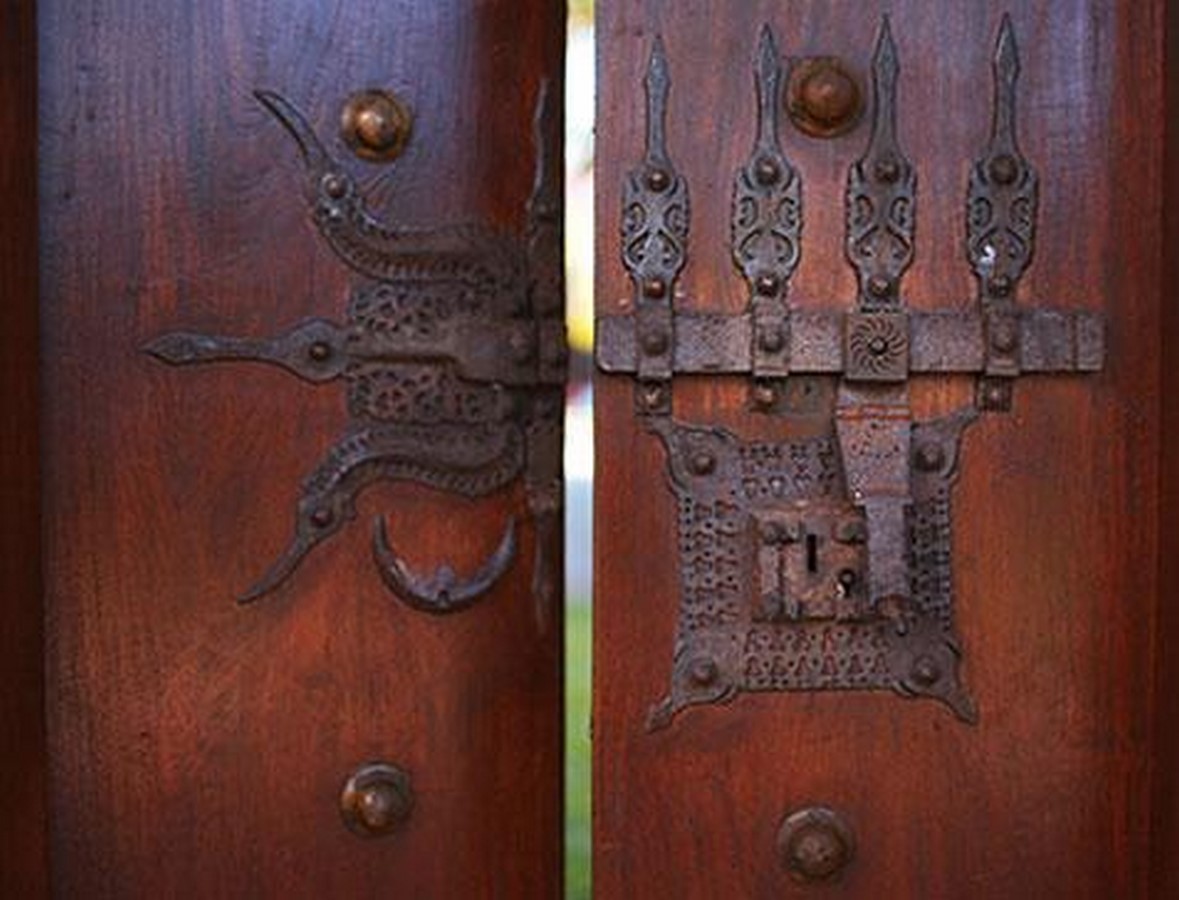
The intricate carpentry details of the traditional wooden mansions of Kerala are presented carefully in these Villas. The traditional wood-based architecture of Kerala is based on the architectural principles of Thachu Shastra, an ancient science of craftsmanship known for its deep understanding of materials, in this case wood, and its unique properties. This innovative technology does not use any nails. Some examples of these, like the Manichitrathazhu, can be seen in Coconut Lagoon.
The presence of gardens with indigenous natural flowers and plants invites different species of butterflies, which serve as a visual delight. Sacred groves preserved as it is, are home to many rare indigenous fauna and flora. It lies protected between two lagoons, permitting a visual treat away from the grove but preserving its identity, avoiding human touch.
Wherever your eyes wander, you see a handful of animals and plants that are indigenous to the land of Kerala, especially the backwaters of the land of coconuts.
These natural elements are integrated into the wooden architecture with care and precision. Unbuilt spaces carefully designed without revealing the secrets hidden in between the lagoons to carry the user throughout the site generate curiosity and guide the user in a multi-sensory journey.
The sunset and sunrise adorn the building with utmost care, shadowing the rich cultural heritage of yoga postures such as surya namaskar and other aspects associated with the traditions of Ayurveda. Coconut Lagoon Backwater Resort guides the human mind to the rich architectural and natural heritage of Kerala that stays embedded in one’s memory for a very long time.
Online sources:
CGHEarth. (2025). Coconut Lagoon- Sojourn in the heritage of Kerala. [online] Available at: https://www.cghearth.com/coconut-lagoon/living [Accessed 21 May 2025].
Images/visual mediums
App.goo.gl. (2024). Available at: https://images.app.goo.gl/FGfAYomfCzfRgjw4A [Accessed 21 May 2025].
CGHEarth. (2025). Coconut Lagoon- Sojourn in the heritage of Kerala. [online] Available at: https://www.cghearth.com/coconut-lagoon/living [Accessed 21 May 2025].