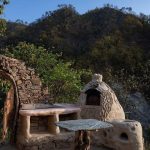
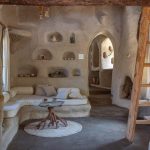
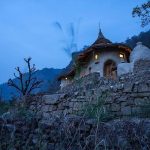
Nestled in the heart of Rishikesh’s lush landscapes, Tiny Farm Fort is more than just a homestay—it’s an architectural statement, a community-driven experiment, and a beacon of sustainable design. This enchanting 600-square-foot mud house, reminiscent of a fairytale cottage, was brought to life by the collaborative efforts of over 90 individuals from 18 countries. Spearheaded by Delhi-based architect brothers Raghav and Ansh Kumar, the project embodies a harmonious blend of traditional building techniques and modern sustainable practices.
With its storybook-like curves, earthen textures, and a design philosophy rooted in organic and biophilic principles, Tiny Farm Fort embodies a reimagining of mud architecture for the contemporary world. Let’s explore its design, materials, construction methods, and sustainability initiatives to understand why this project has captivated architects, sustainability advocates, and travelers alike.
Design Philosophy and Planning
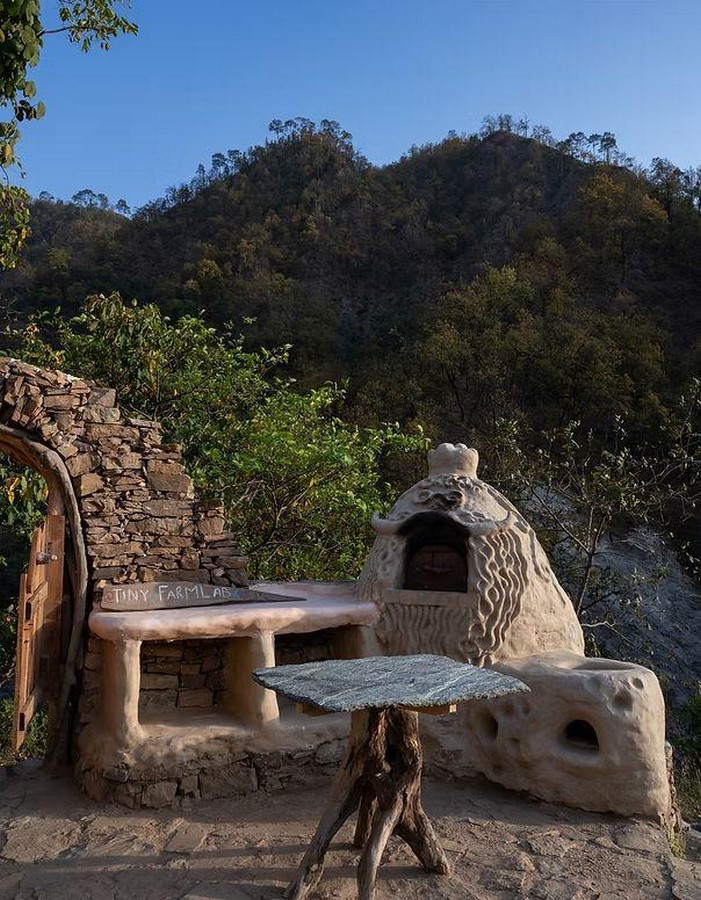
The foundation of Tiny Farm Fort’s design was laid with the idea of harmonizing with nature rather than imposing upon it. The Kumar brothers envisioned a space that not only sheltered its occupants but also inspired a deep connection with the environment. Rejecting conventional boxy structures, the design takes cues from organic shapes found in nature. The curvilinear form, fluid transitions between spaces, and earth-toned aesthetic make the home feel like an extension of the surrounding Sal forest—almost as if it has always belonged there.
The planning process was deeply rooted in community involvement. The Kumar brothers invited volunteers from around the world to participate in the construction, fostering a sense of shared purpose and cultural exchange. “Great architecture is rooted in humanity. It is a reflection of who we are and how we wish to live,” said Raghav Kumar, highlighting their belief in inclusive design. This collaborative approach not only enriched the design process but also ensured that the structure was imbued with diverse perspectives and skills.
From planning to execution, each decision was rooted in ecological sensitivity and material efficiency. The architects focused on low-impact site intervention, ensuring that the construction process did not disrupt the surrounding ecosystem. Windows and openings were strategically placed to maximize natural light and ventilation, reducing dependence on artificial lighting and air conditioning. The house’s undulating form and thick walls further enhance thermal performance, maintaining comfortable indoor temperatures year-round
Materials and Construction Techniques
At the heart of Tiny Farm Fort’s construction lies cob, a centuries-old building material composed of clay soil, sand, straw, and water. Cob has been used in vernacular architecture for generations due to its durability, excellent insulation properties, and ability to regulate indoor temperatures naturally. The 18-inch thick load-bearing cob walls provide exceptional thermal mass, ensuring warmth in winter and coolness in summer without the need for energy-intensive climate control systems.
One of the most delightful aspects of the construction process was the “cob stomping” method, where volunteers mixed the cob by dancing on it—a technique that not only improved consistency but also transformed the construction into an immersive and joyful experience.
The roof features a reciprocal frame structure made from eucalyptus wood, supporting a living roof that further integrates the building with its environment. Interior and exterior surfaces are finished with plasters made from clay, lime, sand, and natural additives like horse manure, enhancing the building’s breathability and aesthetic appeal. “Nature is the best architect,” said Ansh Kumar, emphasizing their approach of working with natural elements rather than against them.
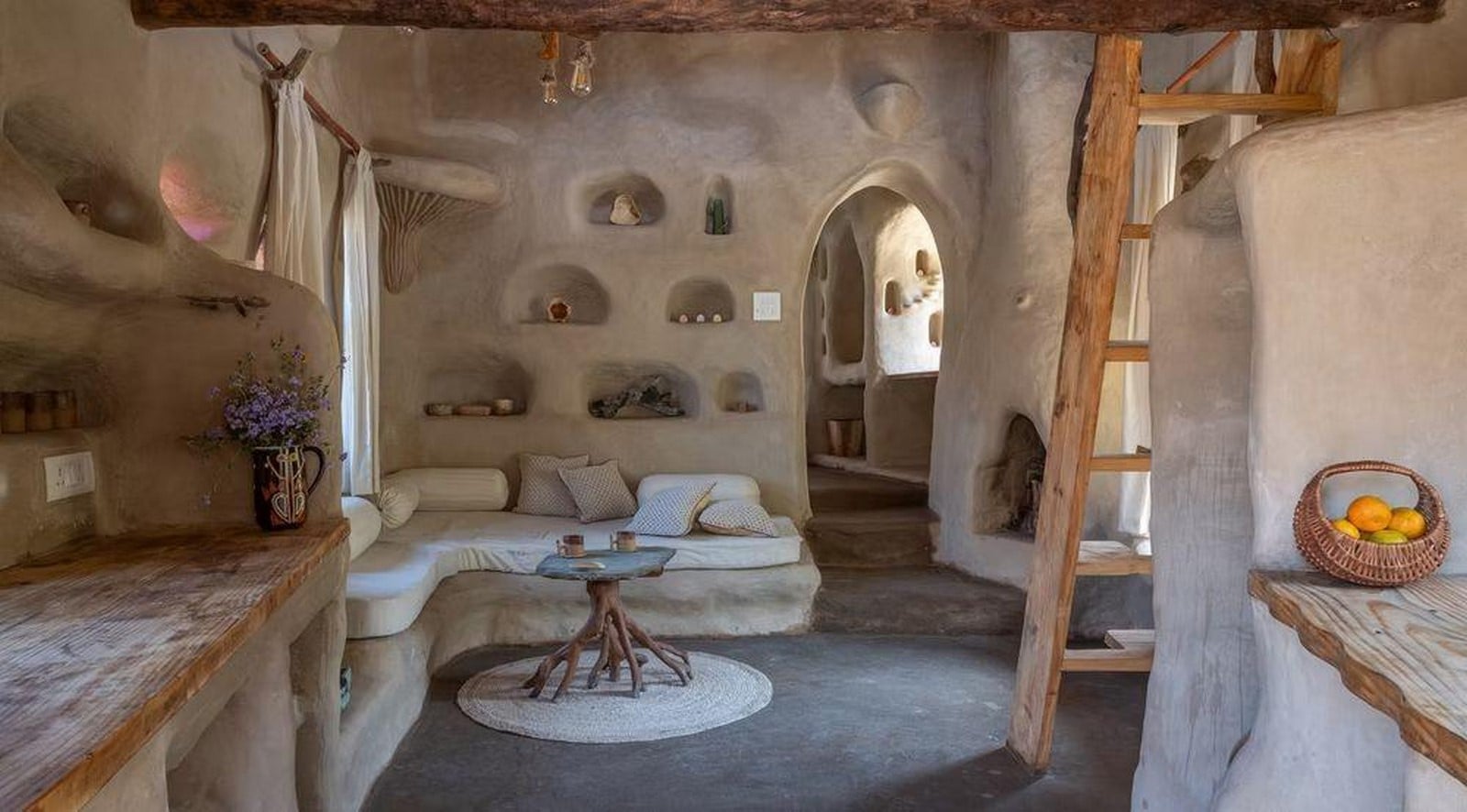
The finishing touches add both beauty and functionality. Interior and exterior walls were plastered using a mix of clay, lime, sand, and horse manure. While this might sound unconventional, horse manure is an age-old stabilizing agent that increases the breathability and longevity of earthen walls, preventing cracks and improving water resistance.
Sustainability also extends to the use of reclaimed and repurposed elements. Old windows, doors, and slate tabletops were incorporated into the design, giving them new life while reducing construction waste. Every detail, from the natural pigments used for coloring the walls to the handmade light fixtures, tells a story of craftsmanship, resourcefulness, and mindful design.
Sustainability and Environmental Impact
Sustainability is at the core of the Tiny Farm Fort’s design and construction. The project aimed to debunk myths about mud houses and demonstrate the viability of bioregional materials in modern construction. By sourcing materials locally, most within 150 meters of the site, and repurposing elements like old windows and slate tabletops, the project minimized its environmental footprint.
The thick cob walls provide thermal mass, regulating indoor temperatures and reducing the need for artificial heating or cooling. The living roof not only insulates the building but also promotes biodiversity and rainwater absorption. The use of natural, non-toxic materials ensures excellent indoor air quality, contributing to the well-being of its occupants.

Moreover, the project served as an educational platform, reviving traditional building skills and promoting sustainable practices among volunteers and the local community. By involving a diverse group of participants, the Tiny Farm Fort exemplifies how collaborative efforts can lead to environmentally responsible and aesthetically pleasing architecture.
In conclusion, the Tiny Farm Fort is more than just a dwelling; it is a living sculpture that embodies the principles of sustainable design, community engagement, and respect for natural materials. “The best buildings are not just structures; they are stories, memories, and legacies,” said Raghav Kumar. This project stands as an inspiring example of how modern architecture can harmoniously coexist with the environment, offering valuable lessons for future building practices.