Rediscovered Beauty of Istanbul
Introduction
Located on Istanbul’s iconic Istiklal Caddesi, the Botter House stands as a vital thread in the city’s urban fabric, weaving together the rich tapestry of historical heritage and architectural significance. Commissioned by Jean Botter in 1900, this historic structure, Istanbul’s first fashion house, becomes a pivotal landmark where the past meets the present. Its cast iron and stone-clad façade not only bear witness to the city’s architectural evolution but also symbolize the enduring importance of preserving historical heritage within the urban texture. As a living testament to Istanbul’s cultural legacy, the Botter House serves as a reminder of the delicate balance between progress and the cherished echoes of the past.
Botter House
Located in the intersection of Modern and Old Istanbul, on the iconic Istiklal Caddesi at No. 235, the Botter House stands as a testament to both architectural brilliance and sartorial elegance. This historic structure, commissioned by the esteemed fashion designer Jean Botter, holds a unique position as the first fashion house in Istanbul, dating back to its establishment in 1900. Jean Botter, celebrated for his designs that graced the high society and the imperial palace of Istanbul, embarked on this visionary project with the aim of creating a hub of style and sophistication. His creations found favor even with the then ruling Sultan, Abdülhamit II, who adorned the garments crafted by Jean Botter who caught the attention of many by fusing the modern and classic with his designs.
Botter House was not just a milestone in the world of fashion for Ottoman Empire but also a significant architectural undertaking. To bring this vision to life, Jean Botter sought the expertise of the renowned architect Raimondo D’Aronco suggested by the Sultan himself, a maestro in his field. The collaboration between the visionary fashion designer and the gifted architect marked the beginning of a cultural shift in Istanbul, introducing the concept of a fashion house to the city’s vibrant landscape and marking the design as not only the first fashion house of the country but also the inaugural Art Nouveau creation. As we delve into the history and architectural nuances of the Botter House, a compelling narrative unfolds, weaving together threads of fashion, architecture, and cultural heritage.
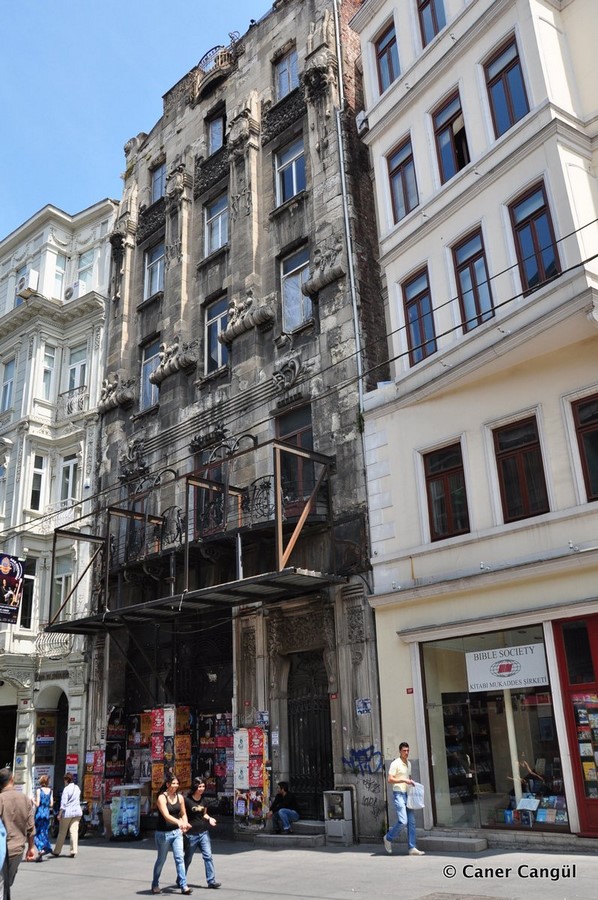
The building, constructed using a cast iron structure, features a facade adorned with stone cladding. Each stone used on the facade was individually designed by the architect himself. The chosen plot for the construction of the building, adjacent to the Swedish Consulate, is narrow and elongated. The architecture of the structure is shaped according to this characteristic of the plot therefore in order to fit into the narrow-shaped plot, the building was constructed in a contiguous arrangement.
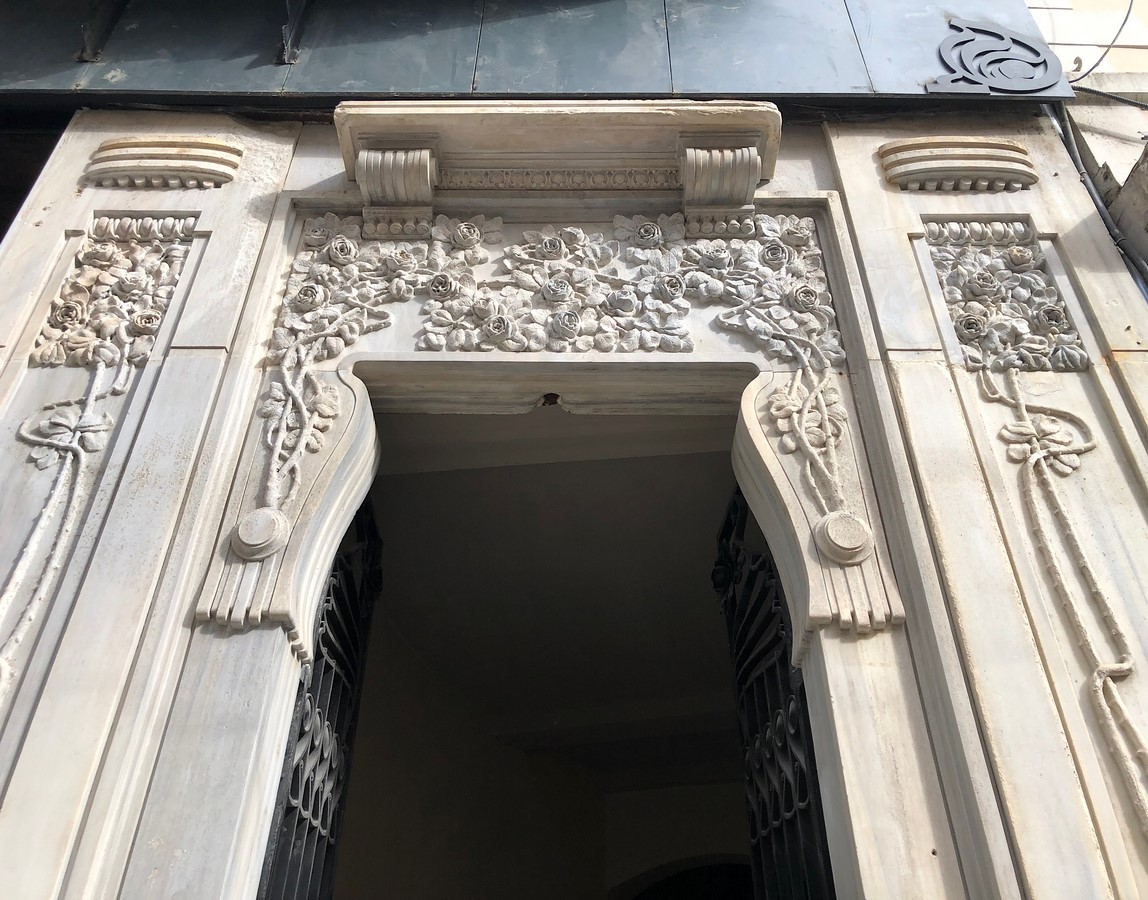
The entrance to the Botter House stands as a combination of style and function, where architectural brilliance converges with the essence of high fashion. Designed by the renowned architect Raimondo D’Aronco, the entrance level embodies a sense of grandeur with its high ceiling and the addition of a mezzanine floor, creating an inviting and open ambiance that sets the stage for the sartorial wonders within. The entrance was designed for the sole purpose of attraction: showcasing a kaleidoscope of colourful fabrics and accessories. This visual feast serves as a prelude to the fashion house’s commitment to aesthetic diversity and creativity. The ground floor, dedicated to the art of presentation and attraction, becomes a living canvas where the fusion of textures and hues invites patrons into a world of design.
Having ascended to the first floor, one would have entered the sanctum of design, the heart of creative ingenuity. This space was meticulously crafted for the designer Jean Botter himself, providing an environment that nurtured inspiration and innovation. The second floor, which housed the sewing atelier, was a realm where craftsmanship took center stage, each stitch serving as a testament to the meticulous artistry that defined the Botter brand.
The third and fourth floors, rising above the intense work creativity, were a departure into the private domain of the Botter family. Designed for residence, these levels offered a harmonious blend of comfort and style. It was a vertical haven where the personal and professional intertwined, echoing the seamless integration of life and art within the Botter House.
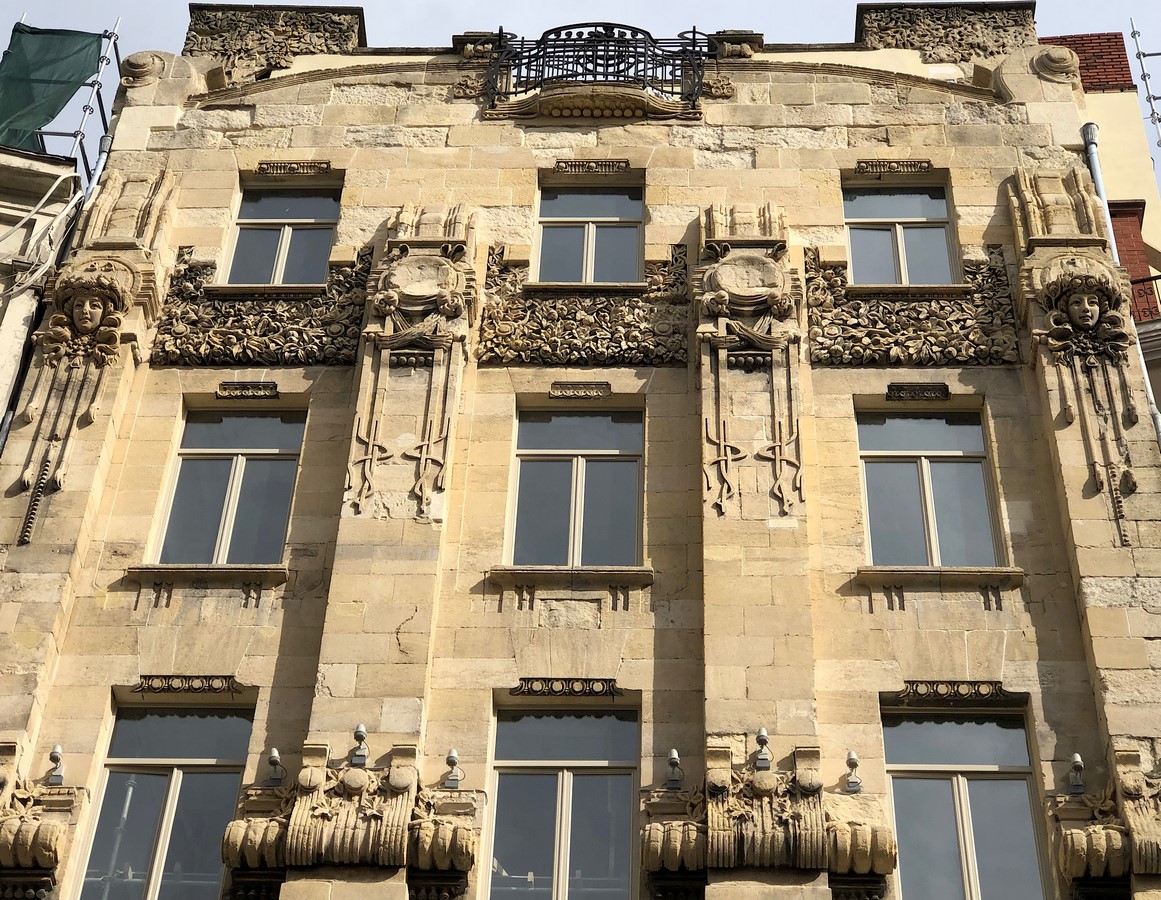
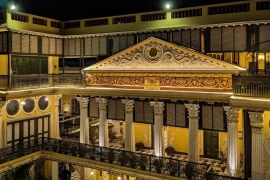
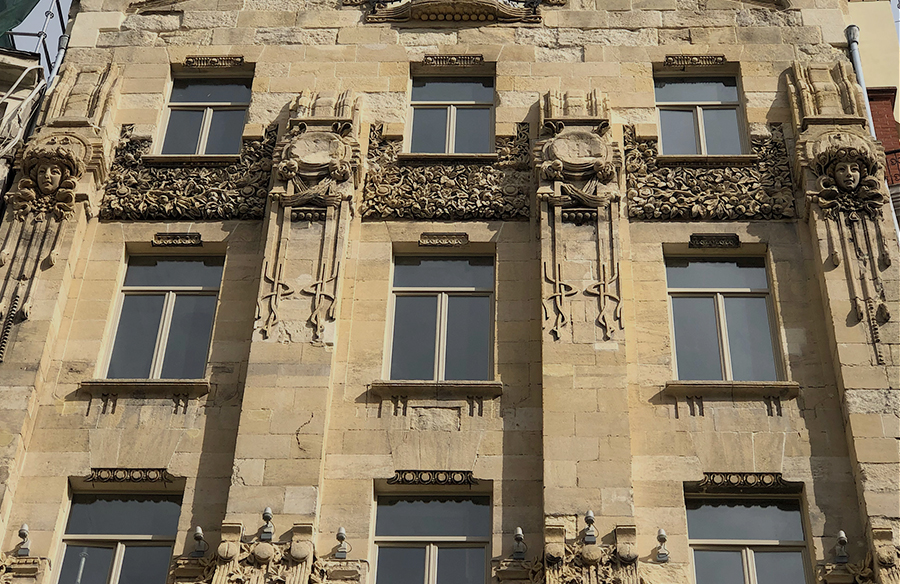
The façade of the Botter House emerged as a masterpiece, embellished with Art Nouveau elements that drew inspiration from the Australian side of Vienna Secession, mostly floral patterns marks the delicacy of that style. The curved balcony on the first floor, accompanied by smaller balconies on upper levels, served as an architectural ballet, an expression of graceful lines and harmonious proportions. The intricate iron railings of the terrace and the botanical ornaments embellishing the façade stood as some of the most significant examples of Secessionist artistry outside Vienna. Described as the masterpiece of Raimondo D’Aronco, the Botter House transcended its utilitarian purpose, evolving into a living testament to the coming together of design, functionality, and familial warmth. It became a legacy etched in the architectural and sartorial chronicles, an enduring emblem of the bygone era’s creative spirit and enduring beauty.
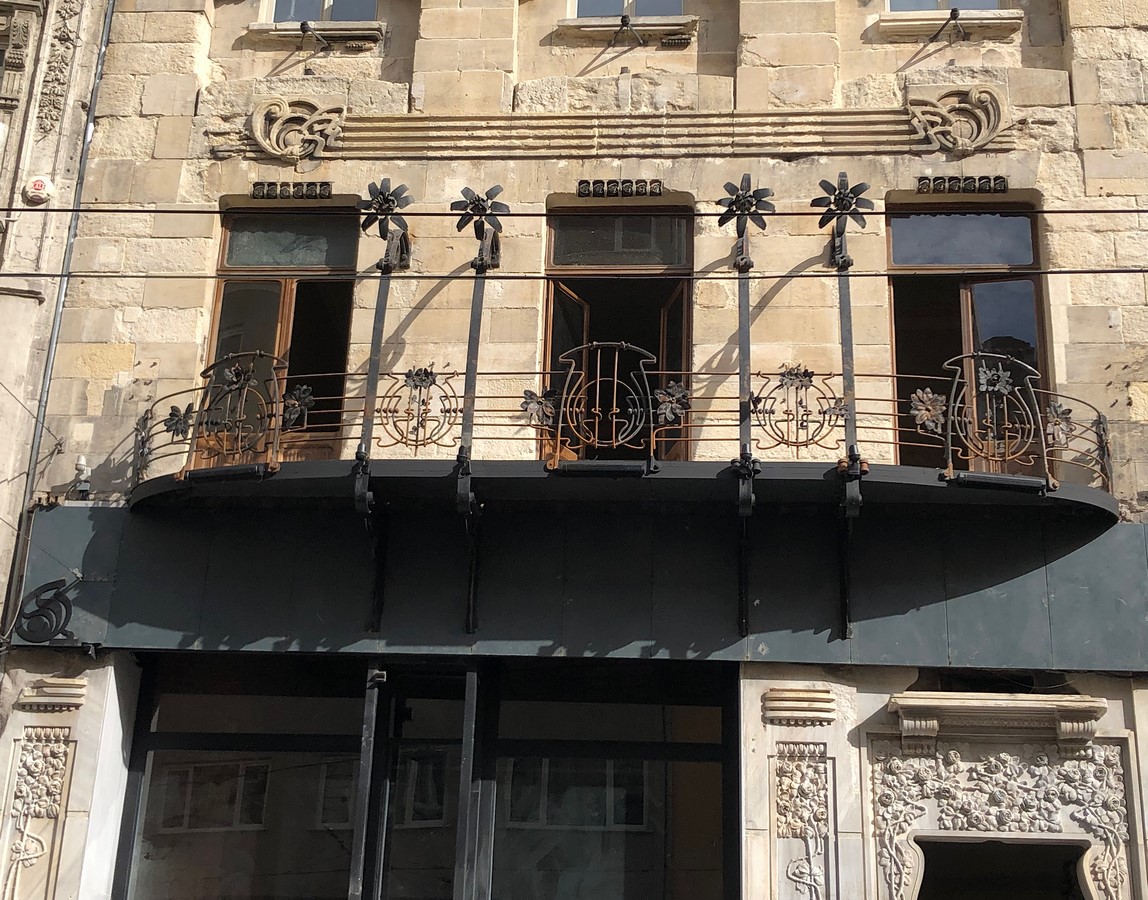
Considering the era in which it was constructed, the Botter House stands as an exquisite embodiment of Art Nouveau, a delicate and beautiful period in architecture. It represents a unique convergence of fashion during a time of reform, blending the classic and the modern in an era of change within the Ottoman Empire where East and West harmonized, housing various ethnicities from diverse backgrounds.
Regrettably, despite its initial splendor and significance, the Botter House’s beauty went unnoticed over time. Following the demise of Jean Botter, the house changed ownership several times and succumbed to the cruelty of neglect. After decades, the Treasury confiscated the structure, sealing its fate and closing it off to visitors. In recent times, however, it underwent a renewal and was reopened to the public with a new purpose: an art and design center.
This revitalized space now hosts a myriad of exhibitions and work areas, including a library for enthusiasts. Despite decades of isolation from human interaction, it is heartening to witness this splendid structure coming back to life with a renewed purpose. Serving as a symbol of modernization in Istanbul and a representative of both fashion and architecture, the Botter House not only resides in the heart of Beyoğlu but also captures the very essence of it.
Reference:
Akıncı, T. (2018) ‘Beyoğlu: Yapılar, Mekanlar, Insanlar (1831-1923)’, Istanbul: Remzi Kitabevi.