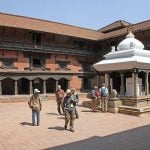
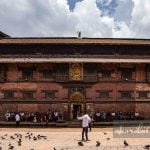
For thousands of years, Patan Durbar served as the residence of the kings of Patan. It was only when the devastating earthquake of 1934 struck the valley that the palace came to public attention. In 1950, a part of the palace was converted into a public school. Eduard Sekler, an Austrian architectural historian from Harvard University, recognized the beauty of the Patan Durbar and was concerned about its deteriorating condition. In 1982, the Austrian and Nepalese governments initiated a project to restore and renovate Keshav Narayan Chowk, with financial support provided by the Austrian government. Today, the restored Keshav Narayan Chowk serves as the Patan Museum, which houses a remarkable collection of traditional sacred art from Nepal.
Architectural Plan and Style
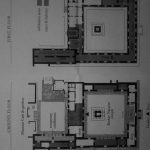
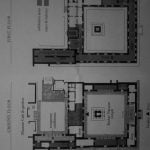
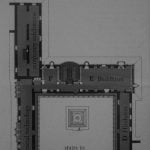
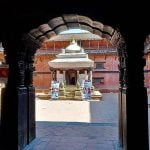
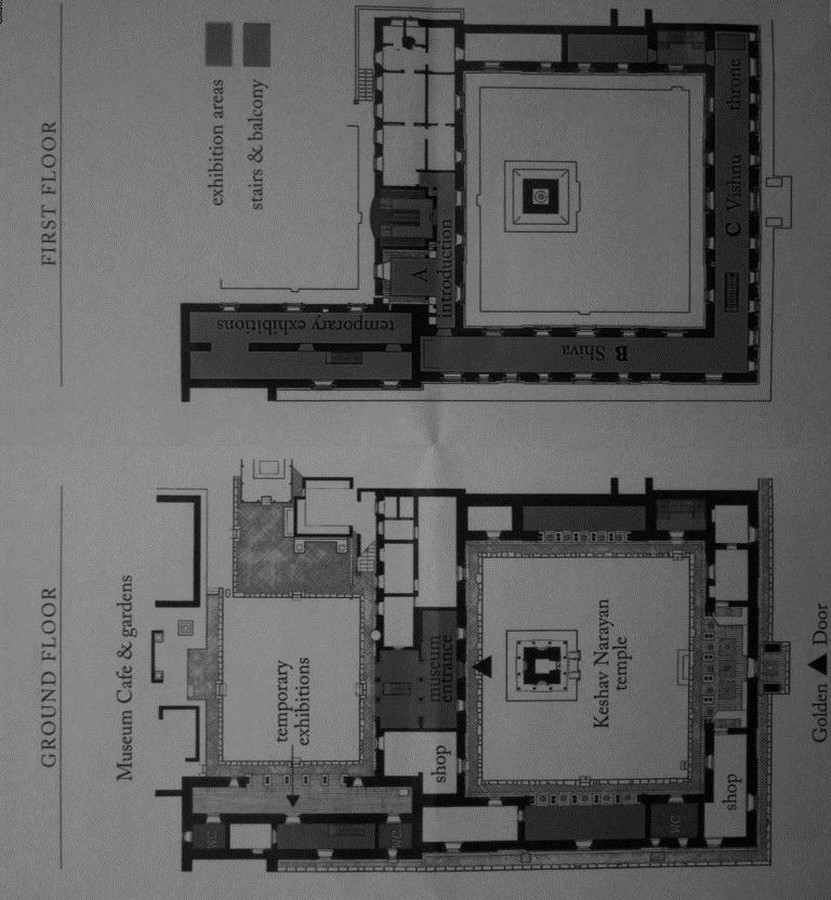
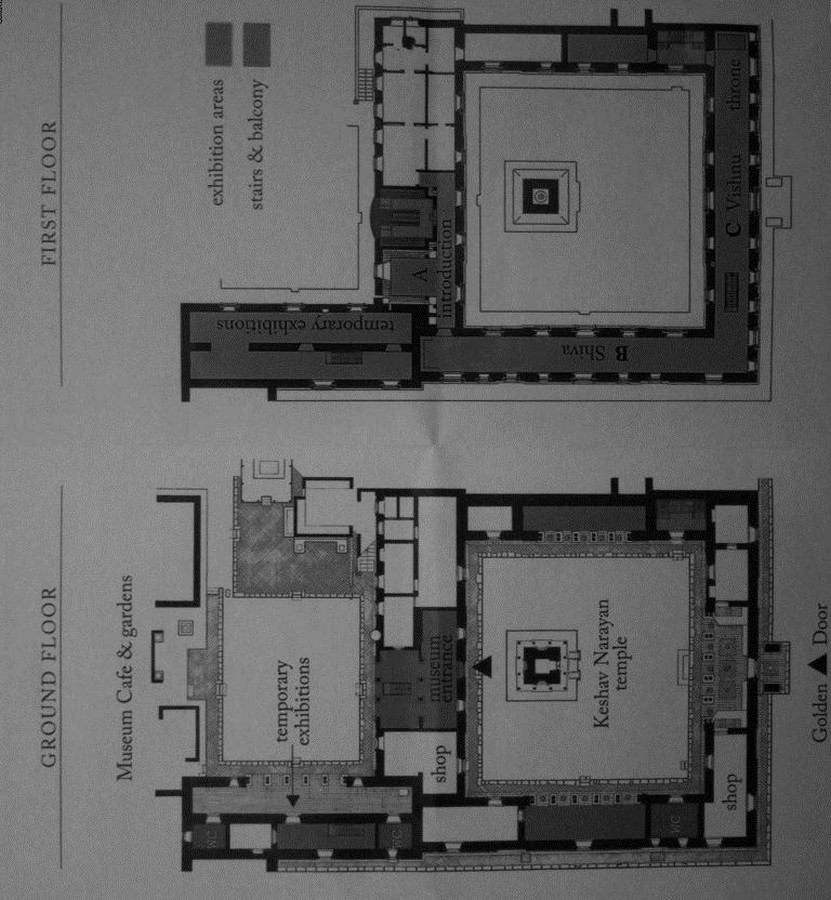
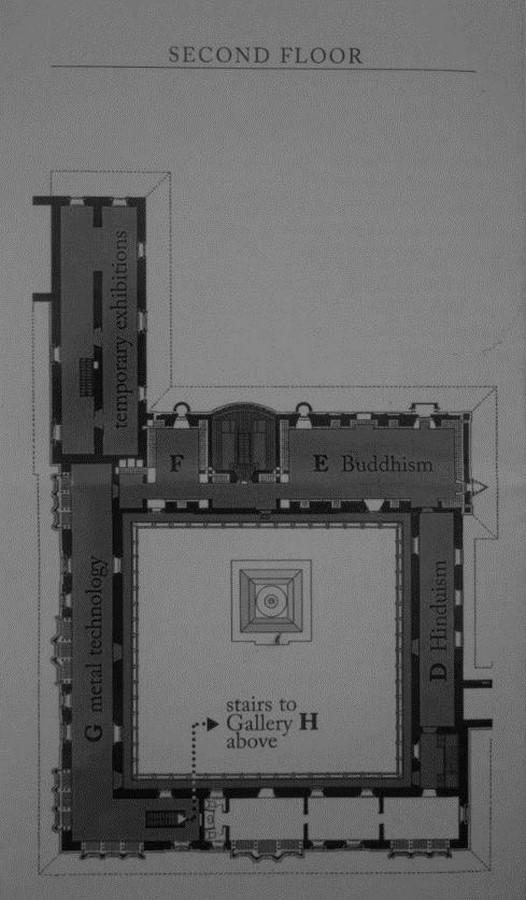
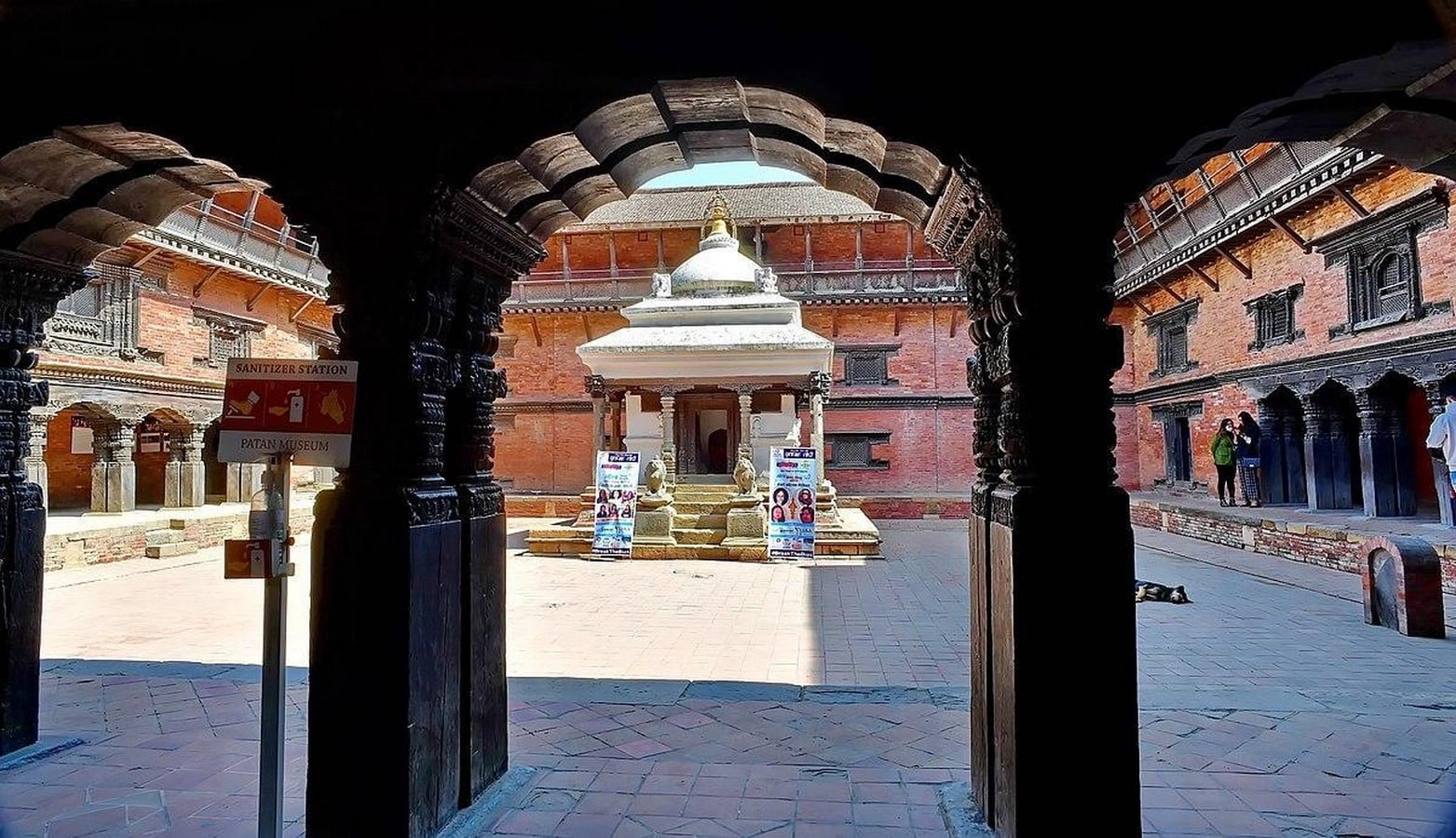
The architectural plan of Keshav Narayan Chowk follows a traditional Nepalese courtyard style known as “chowk.” The chowk is designed as a quadrangle with wings on all four sides surrounding an open courtyard at the center. And the quadrangle opens into arcades supported by pairs of intricately carved timber pillars.
The northern wing of the Keshav Narayan Chowk plan is primarily dedicated to the Patan Museum, which houses a vast collection of historical artifacts, religious sculptures, and traditional artworks. The museum provides visitors with an opportunity to explore the rich cultural heritage of Patan and gain insights into the region’s history and artistic traditions.
The eastern wing of the Chowk accommodates administrative offices and facilities related to the maintenance and management of the Patan Museum. This area serves as a hub for museum staff, researchers, and conservationists who work tirelessly to preserve and showcase the cultural treasures housed within the Chowk.
The southern wing is utilized for cultural events, performances, and exhibitions. The plan shows how serves as a vibrant space where local artists, musicians, and performers showcase their talents and engage with the community. This wing plays a crucial role in promoting and preserving the living traditions and arts of Patan.
The western wing of Keshav Narayan Chowk is often used as a space for workshops, seminars, and educational activities related to art, culture, and heritage conservation. It provides a platform for learning, research, and the exchange of ideas, further enriching the cultural landscape of the Chowk.
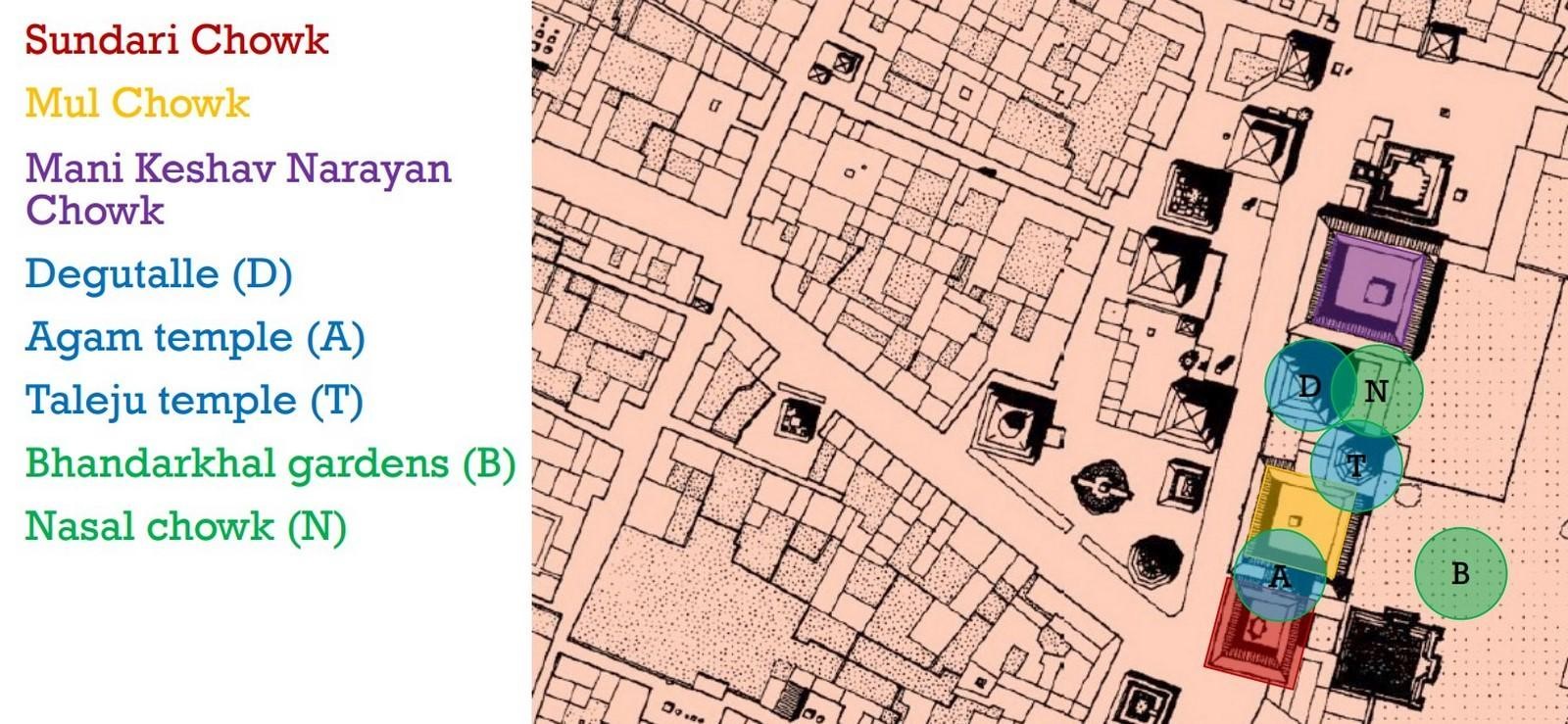
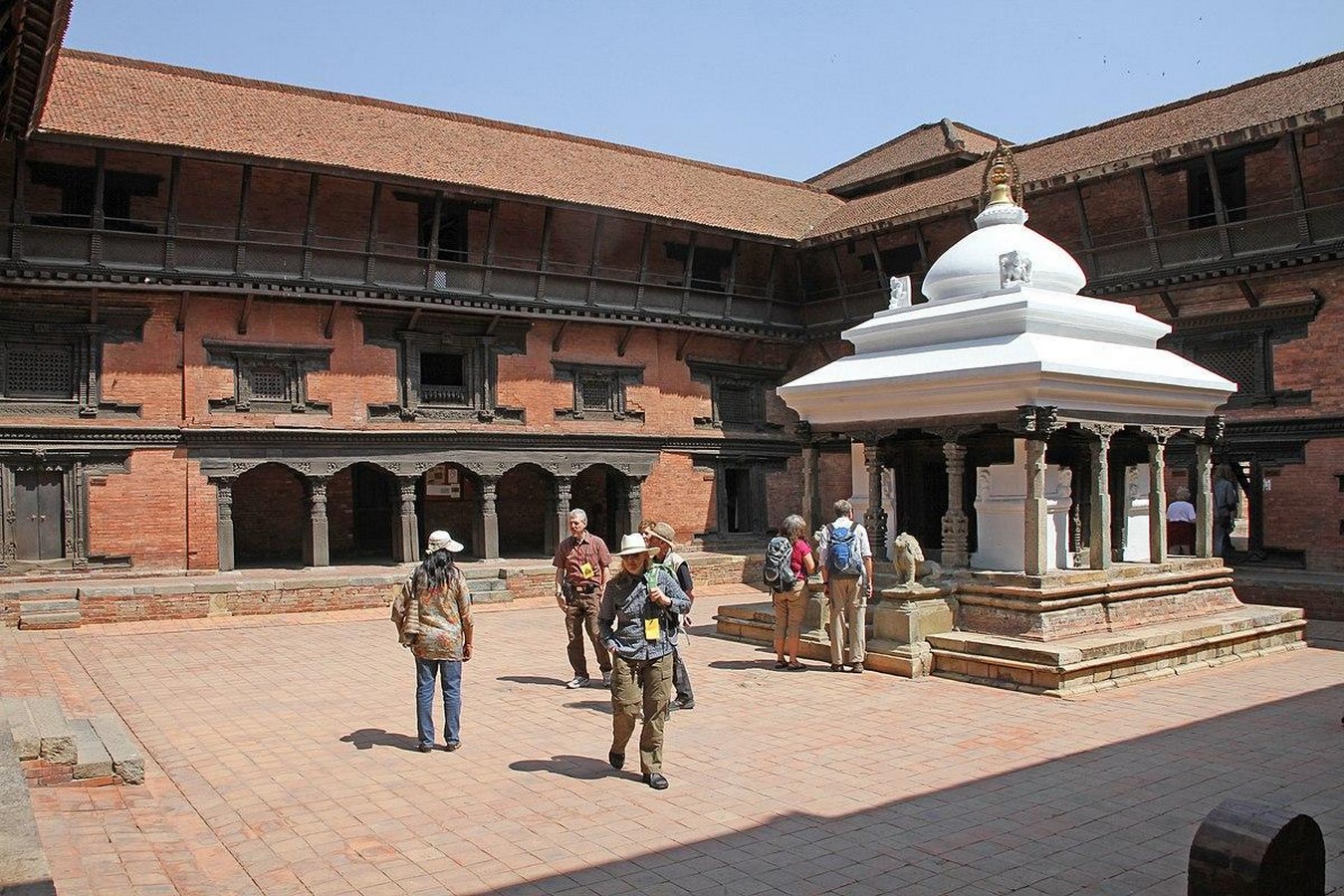
The central courtyard of Keshav Narayan Chowk plan serves as a gathering place and a focal point for various activities. It offers a serene and inviting atmosphere to relax and also acts as an exhibition space. The small domed shrine within the courtyard is dedicated to Lord Vishnu as Mani Keshav Narayan, giving the chowk its name. The Chowk is renowned for its four-tower pavilions and the originally open terrace between them, symbolizing the “Four-Cornered Fort Palace” reflecting the fusion of Hindu and Buddhist architectural styles.
Social and Political Importance
Keshav Narayan Chowk, part of the Patan Durbar complex, played a pivotal role as the residential courtyard of the Malla dynasty’s palace. The competition between kings and wealthy merchants fostered the flourishing of art, architecture, and religious devotion in these cities. The Mallas, through their patronage of art and architecture, sought to outshine their rivals and demonstrate their power and opulence. The Chowk also, served as the center of urban rituals and public functions, reflecting the social and political significance of the site during that time.
Today, a different page of its social and political importance unfolds. Picture the vibrant ambiance of the Chowk, with locals and tourists mingling, engaging in conversations, and partaking in cultural activities. This lively atmosphere is Chowk’s historical role as a center for social gatherings and urban rituals. Imagine witnessing a group of local artists performing traditional dances, their graceful movements reflecting the cultural heritage that has been preserved within the Chowk’s walls. This scene showcases the vitality of the present moment and highlights the significance of Keshav Narayan Chowk as a space that continues to foster community, cultural exchange, and the preservation of traditions passed down through generations.
Construction Materials and Technology
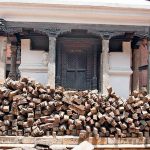
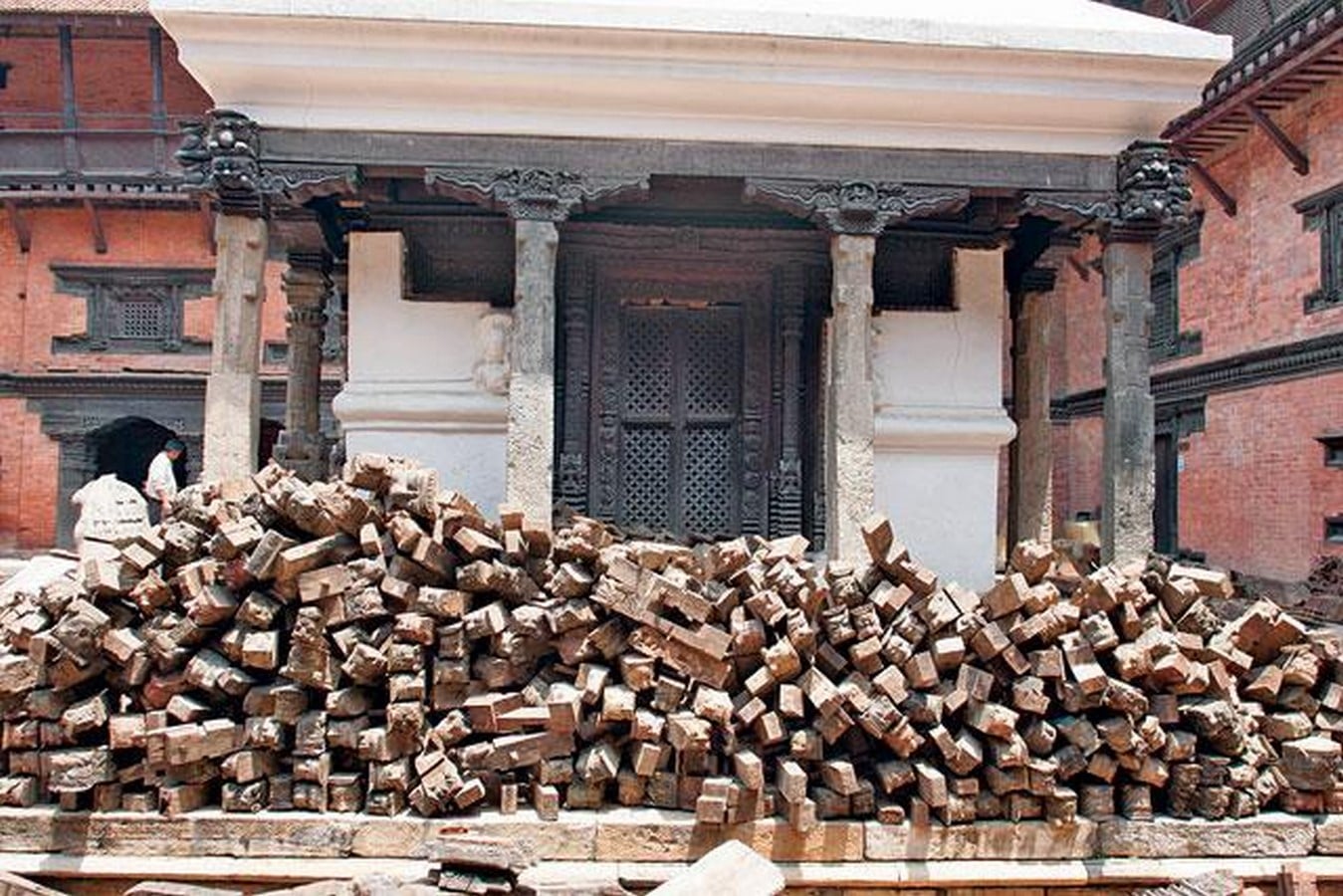
The construction of Keshav Narayan Chowk predominantly used traditional materials such as timber and brick. The intricate carvings on the timber pillars exemplify the exquisite craftsmanship of the era. The use of these materials not only provided structural stability but also contributed to the artistic charm of the chowk. In recent times, modern conservation techniques have been employed to reinforce historical masonry buildings against seismic risks. Hidden concrete ring beams and slabs have been added to safeguard against earthquake damage, preserving the architectural heritage for future generations.
Impact on Urban Fabric Today
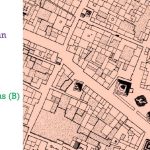
Keshav Narayan Chowk seamlessly blends into the surrounding urban fabric, complementing the architectural aesthetics of the vibrant city of Patan. This historic site stands as a proud landmark, commanding attention and symbolizing the rich cultural heritage of the region. With its intricate design and craftsmanship, Keshav Narayan Chowk unknowingly embodies the principles of placemaking, creating an inviting space that captures the essence of its era. The Chowk’s architectural grandeur raises the spirit of the time it was built in its urban fabric.
People are irresistibly drawn to Keshav Narayan Chowk, not only for its visual aesthetics but also for the experiences it offers. Visitors come to this enchanting place to stroll through its arcades, relax in its serene courtyard, and immerse themselves in the cultural richness it holds. Whether it is the intricate carvings, the historical artifacts housed within the Patan Museum, or the captivating stories that unfold within its walls, Keshav Narayan Chowk provides a space for people to learn, explore, and connect with the heritage of Nepal.

Relevance to era
As the “City of Fine Arts,” Patan thrived during the Malla era, with a vibrant blend of Hindu and Buddhist influences shaping its identity. The Chowk’s intricate design, exquisite carvings, and architectural details reflect the fusion of these influences, showcasing the religious tolerance and artistic prowess of the time. By immersing oneself in the Chowk’s ambiance, one can appreciate the harmonious coexistence of diverse cultural and religious traditions, providing valuable insights into the social, political, and artistic fabric of the Malla era.
Conclusion
As a significant tourist attraction, the Chowk draws visitors from around the world who admire its architectural grandeur and delve into the fusion of Hindu and Buddhist influences that shape Nepalese art and culture. Beyond its historical and cultural significance, Keshav Narayan Chowk continues to foster community engagement, hosting cultural events and performances that celebrate the living heritage of Patan. Its transformation has revitalized its purpose while honoring its past, making it a vibrant hub where history, art, and traditions converge.
References:
Nunnemann, F. (2023) Valley-temples.com, kathmandu. Available at: http://kathmandu-valley-temples.com/ktmvalley_php/main.php?site=rundgang&object=161.002.008. (Accessed: 08 July 2023).
Patan Museum (2020) Patan Museum. Available at: http://www.patanmuseum.gov.np/ (Accessed: 06 July 2023).
Patan Museum – Icom Nepal (no date) https://www.icomnepal.org.np/. Available at: https://www.icomnepal.org.np/ar-Patan%20Museum%20Introduction.pdf (Accessed: 08 July 2023).
PATAN MUSEUM The Transformation of a Royal Palace (no date) Patan Museum Report: The Palace Building. Available at: https://www.asianart.com/associations/patan-museum/report/page3.html (Accessed: 08 July 2023).
RAOnline (2023) Patan Museum and its sustainability, Raonline Nepal – Patan Museum. Available at: https://www.raonline.ch/pages/np/visin/np_patan3.html (Accessed: 08 July 2023).
Sekler, E.F. (1965) Patan Durbar Square Monument Zone, Unesdoc.unesco.org. Available at: https://unesdoc.unesco.org/ark:/48223/pf0000067139 (Accessed: 07 July 2023).