Architecture is widely considered a visual art of building and spacing, but as John Henegan said, Architecture is a form of storytelling. It is not just the construction of buildings that are addressed, but an exposition of architects’ methods, their lives and their cultural backgrounds. Each of the spaces is the reflection of the architect, and as such, they can convey stories about themselves, their values, their philosophies, and their vision of the world. The interactions of people with their environment are also affected by design choices, which is why it is important to understand the creators of architecture and structures surrounding you. This makes for a fascinating read on how architecture can become art through the architect’s history and beliefs, thus making us understand architects through their designs.
An Extension of Thought
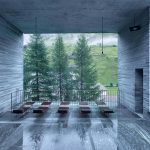
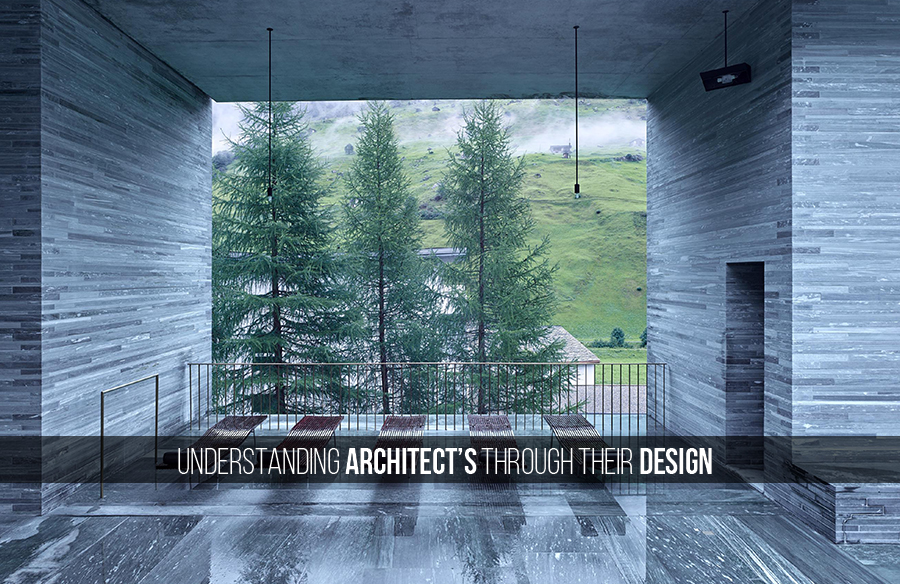
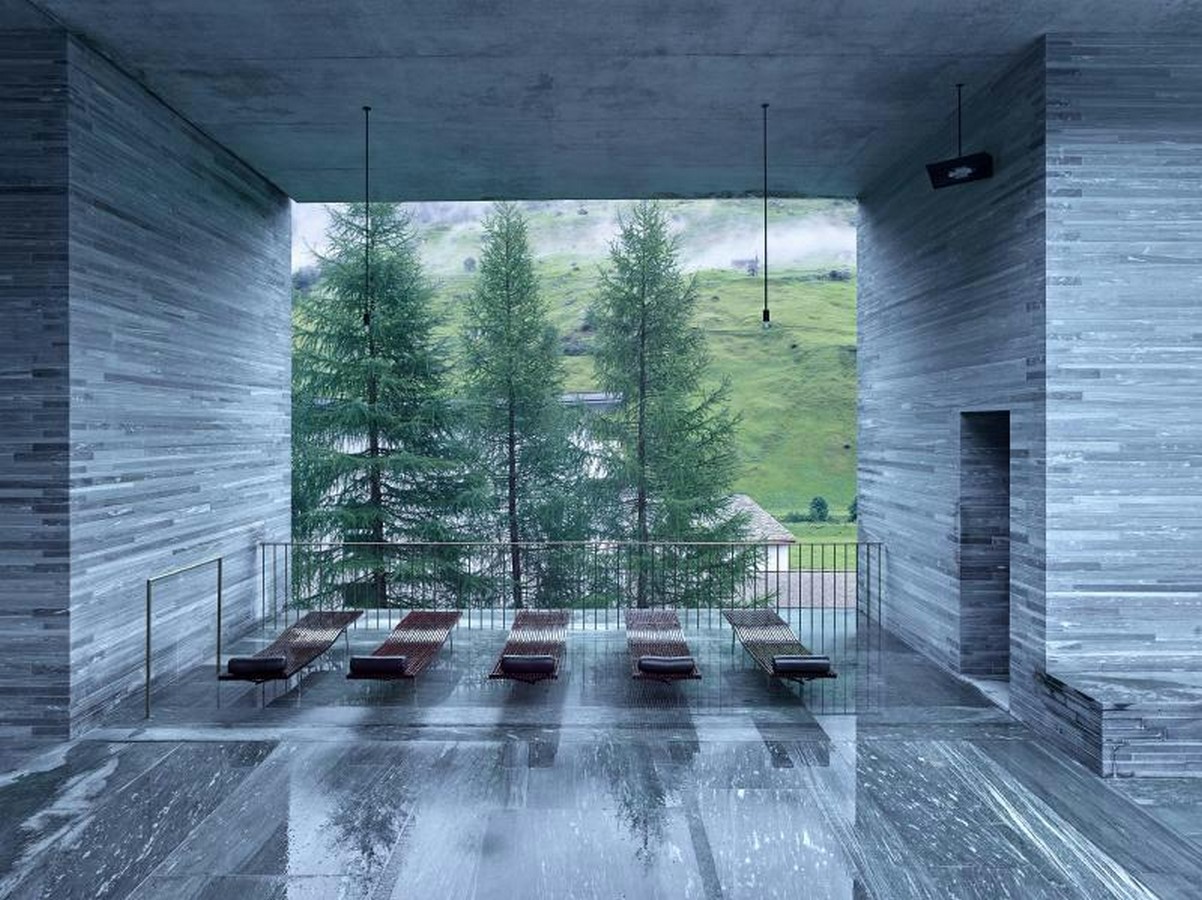
In Thinking Architecture by Peter Zumthor, he said architecture is deeply personal and should involve all the senses. He also points out that memory and perception are critical in developing designs that stir up emotional responses. The design process of an architect is not only the function and form and the creation of the physical structure but also the creation of atmospheres that affect the people who use the space. His works, such as The Therme Vals in Switzerland, show how the use of materials, lighting, and textures can create a sense of calm and presence.
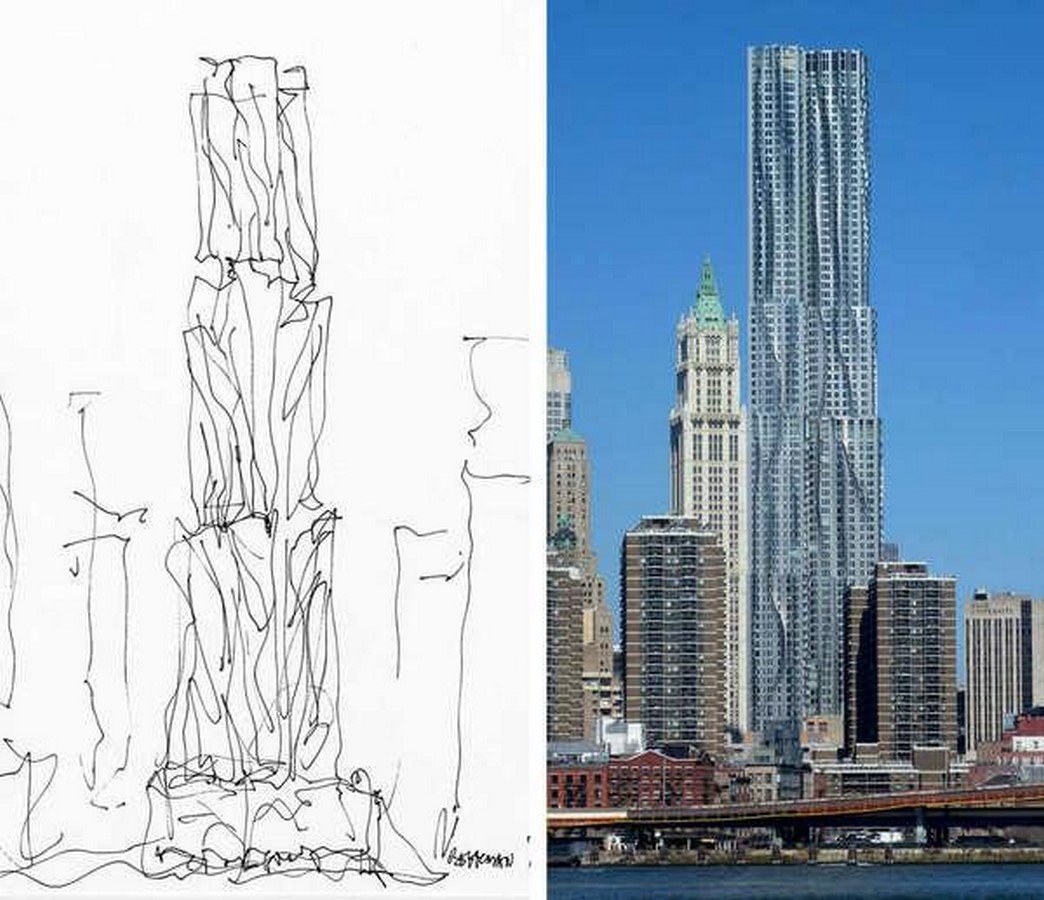
As painters have their painting styles and authors of literature have their voices, every architect also has his or her formative language which they developed while building structures and creating designs. Their signature touches are a result of the interplay of numerous factors, including the education system, social culture, new technology, and even the professional life of the architect. The style of an architect is likely to concrete itself during a relatively adventurous period of experimentation, positive filtration of the works, and a significant amount of self-reflection.
Frank Lloyd Wright’s concept of “organic architecture” where he defined as a type of architecture that complies with nature as opposed to contrasting it. Take, for example, Fallingwater. It acts as a beautiful example of his theory of architecture which is seamless integration of structure with the environment, rather than imposition on it. Le Corbusier is another architect, who worked during the modern era and used the features of sharp angles and large spaces, which can be observed in Villa Savoye.
Architecture and Emotion
Architecture is more than just the provision of shelter, it is about the creation of meaning. The way that a space makes a person feel is closely linked to the intention of the architect. De Botton discusses how design affects mood and well-being and links up architectural features like proportions, materials and lighting with psychological responses, arguing that architecture is a performative language through which architects communicate their understanding of human emotions. The phenomenological principles are incorporated into the work of Steven Holl, Peter Zumthor and Juhani Pallasmaa. Therefore, by considering the human experience, architects can create buildings that can help people develop a more meaningful relationship with their surroundings.
For example, Louis Kahn’s works, including the Salk Institute, are the embodiment of his philosophical approach to light and structure. In his book, Louis I. Kahn: Conversations with Students, reveals how he viewed architecture as a way of expressing the fundamental truths of human existence. The deep connection of an architect’s ideals in their work can be seen in Kahn’s designs of monumental forms and poetic light play.
Cultural and Contextual Reflection
Cultural context is an essential part of the work of architects and is usually seen in their designs. An architect’s background, education and cultural orientation go a long way in determining the designs they come up with. They are the bearers of a message about the events and society in which they were born. For instance, Louis Kahn spent time in India and Bangladesh where he was able to incorporate the climate of the region, the materials that were easily available and the cultural traditions of the region to come up with the magnificent National Assembly Building in Bangladesh. This beautiful structure shows how it is possible to combine local and global architecture, making modern architecture compatible with the local traditions of a place.
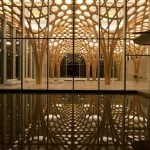
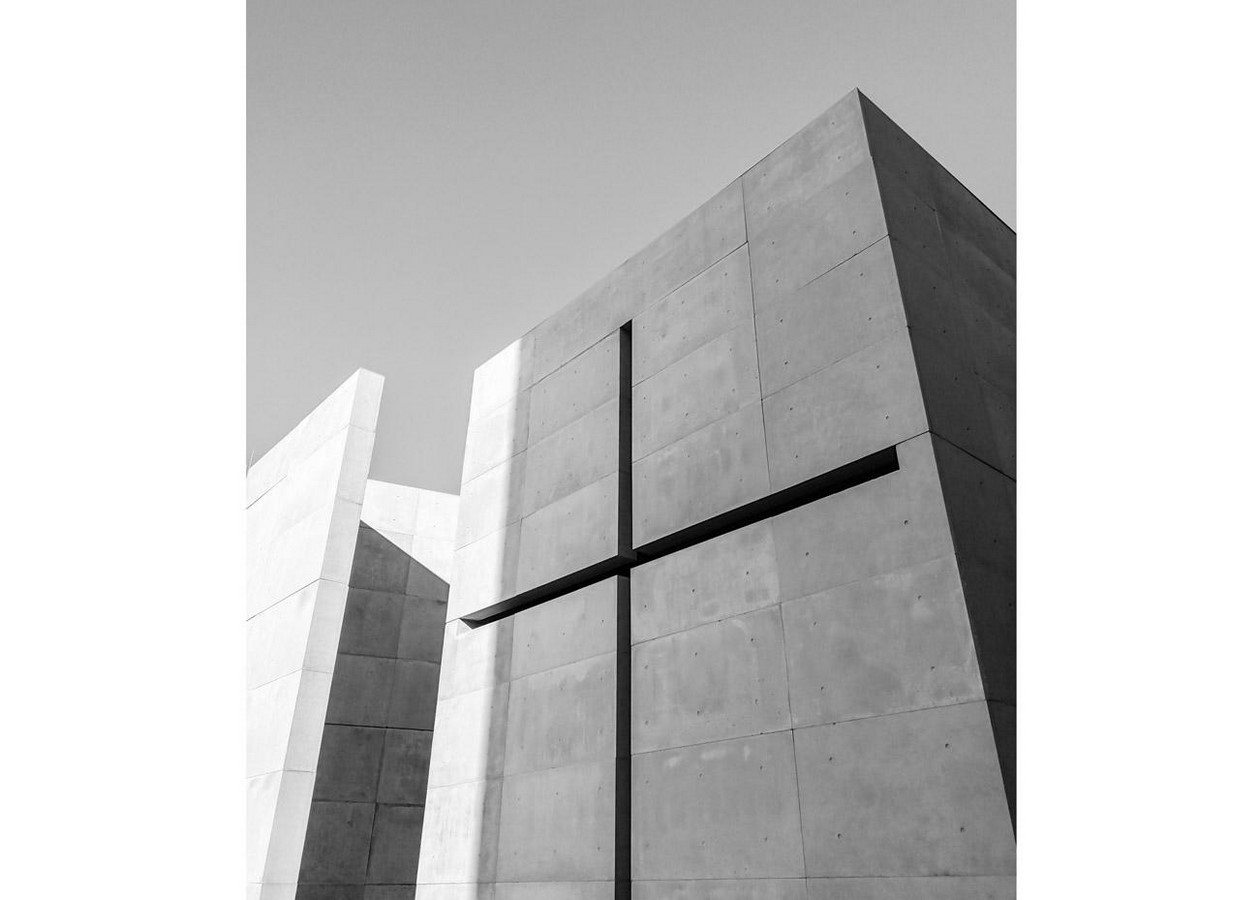
Tadao Ando is more associated with minimalism in architecture which is believed to be more reflective and meditative. One of his unique structures, Church of the Light, uses vivid contrasts of light, shadow and raw materials to evoke emotions and deeply affect the visitor’s experience. In the same manner, Balkrishna Doshi is another great architect who conserves Indian culture but at the same time introduces some innovations. The Aranya Low-Cost Housing project is a classic example of how good design can meet the challenge of limited finances while at the same time promoting strong feelings of community.
Materiality and Craftsmanship as Expressions
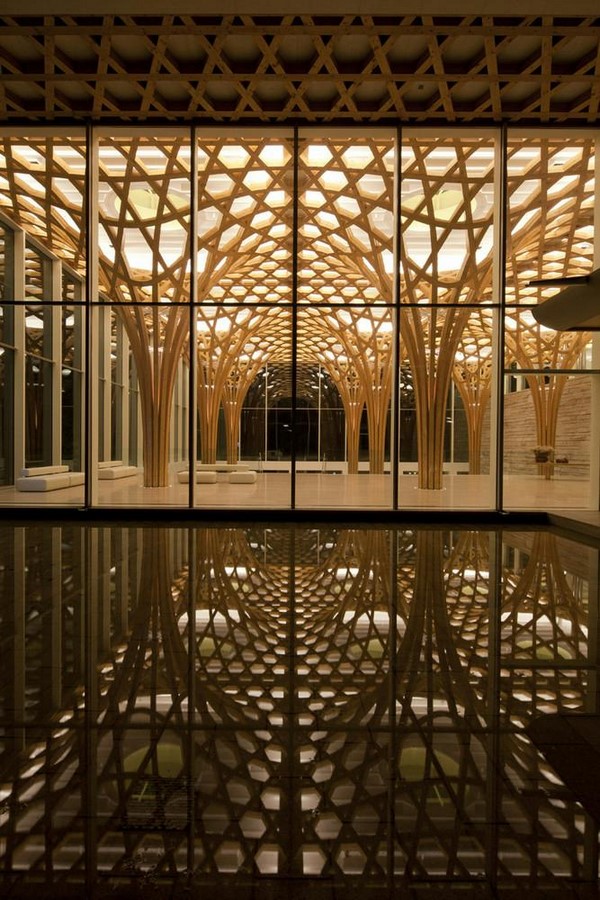
The use of the materials and the way the design of an architect is developed and implemented are important and tell a lot about the architect. Whether it’s working with the roughness of concrete or the warmth of wood, the materials architects select are a form of their language. In supporting his Philosophy of Sensory Architecture, Peter Zumthor’s deliberate material choices, such as the use of local quartzite stone in Therme Vals, bring a tactile depth to his spaces. To compare the two, Shigeru Ban is well known for his disaster relief housing, which uses morally responsible design by adopting new techniques such as paper tubes and cardboard to create structures that are not only functional but also beautiful and make people think about important issues such as sustainability and social justice.
Technology and Parametric Design as Extensions of Thought
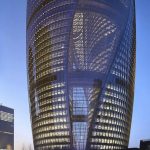
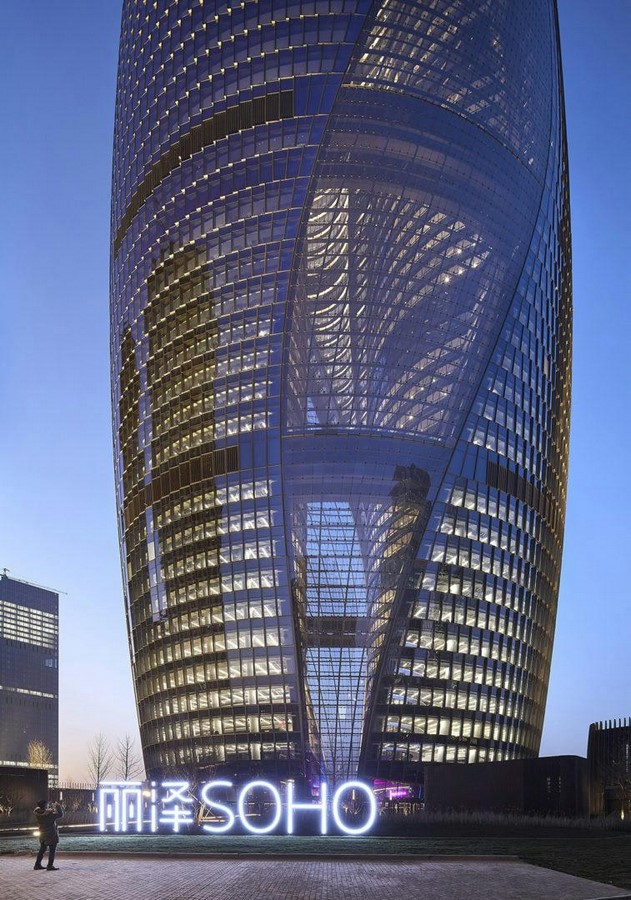
Because digital technology is developing very fast architects can now design and create new forms and functions. Zaha Hadid Architects and BIG (Bjarke Ingels Group) are examples of forthcoming companies that have evolved and executed parametric architecture to generate unconventional and organic structures that were once impossible to build. This way of thinking goes beyond traditional methods – the approach itself is a manifestation of an architect’s viewpoint and willingness to transform the very concept of what architecture is and what it can become.
For instance, projects such as CopenHill, a power plant with a ski slope on top of it, are Bjarke Ingels’ “hedonistic sustainability” concept implementations. The integration of playfulness and practicality presented by this project offers a new and inspiring approach to environmental stewardship. In addition to the fact that these new technologies can help to create more complex structures, they can also demonstrate a new and more flexible vision of society.
The Ethical Responsibility of Architects
Designers do not design in isolation, they create in response to social, environmental and historical contexts. They address issues like sustainability, community engagement, and urban resilience. Architects like Shigeru Ban, who designs disaster-relief structures, show how personal ethics and a sense of responsibility determine architectural practice.
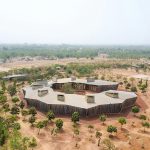
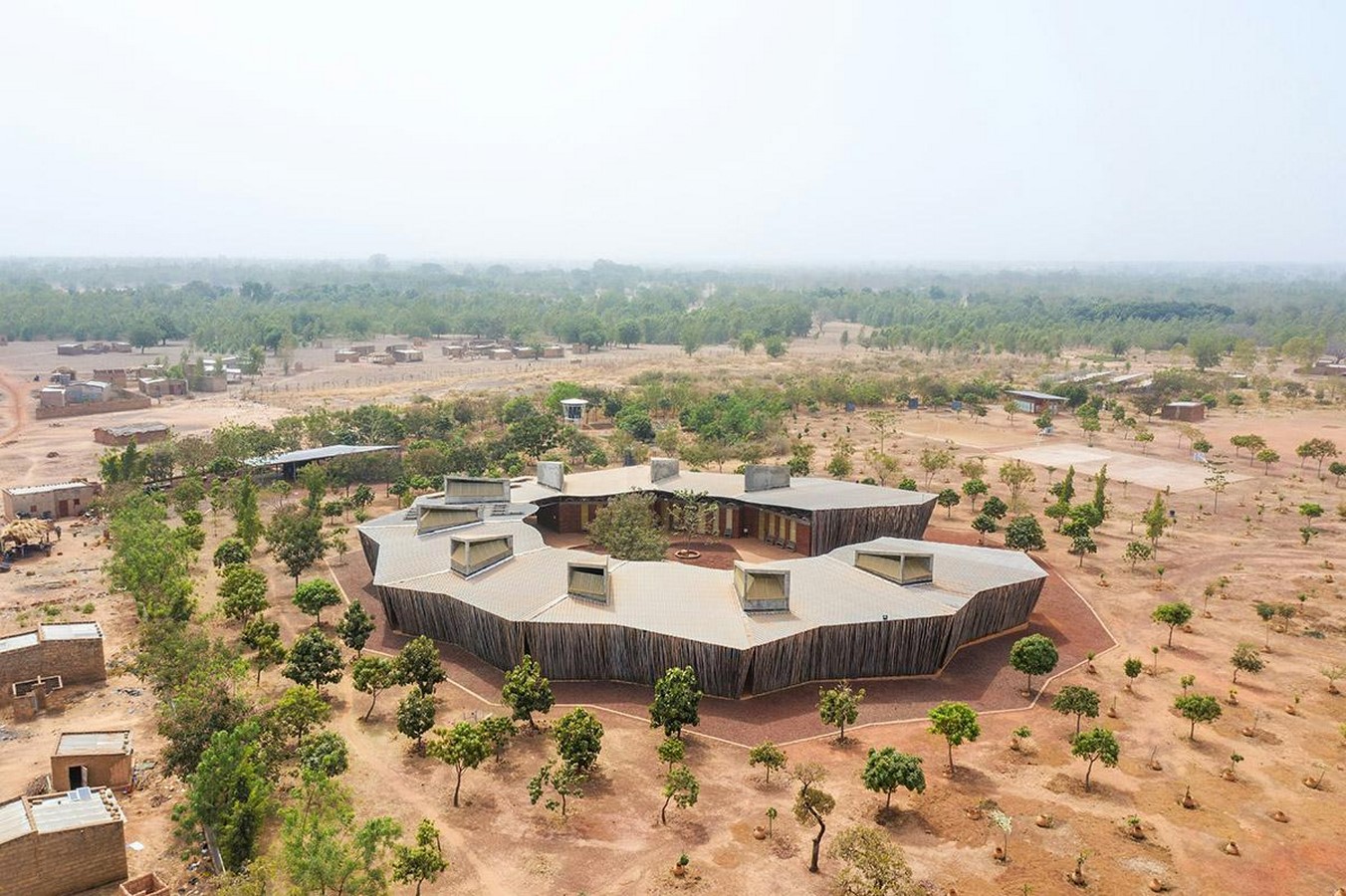
Architect Diébédo Francis Kéré has involved the community in his works, like the Gando Primary School in Burkina Faso which uses local resources, which empower the people. Then there is Alejandro Aravena and his take on social housing through the ‘half a house’ model. It is a process of gradual construction by the occupants, thus making architecture a one-off event by a process of participation. These are the few instances that show how architects attempt to address the interface between social issues and economic underdevelopment in the context of design. In other words, it shows the responsibility of a good architect in the language of design.
Architecture as an Extension of the Architect’s Identity
On one hand, architecture is a very individual approach, but on the other hand, it gives us a chance to influence the world. Every structure is developed with an idea in mind, from the designer, to the surroundings, and people who use the structure. Each work of an architect reflects the ideals, the obstacles and the ideas of that single person. A statement of belief, a comment on society and the individual’s self-assessment can be made from technologies used, materials chosen and what is supported.
The structure is not only alive in our time but also preserved for the future, as subconscious thoughts and aspirations define the immediate experiences simultaneously with the physiological and psychological context of the user. Increasingly, people understand that an architect is no longer just a builder, but a ‘maker’ of perception and behaviour, a sculptor, creates a world from stone, glass, and metal. It is evident that to understand architecture, there must be an understanding of the complex connection between the dream world and the world we live in.
Books:
- Zumthor, P. (1998). Thinking architecture. Basel: Birkhäuser.
- Kahn, L.I. and Ngo, D. (1998). Louis I. Kahn: conversations with students. Houston, Tex.: Architecture At Rice Publications; New York, N.Y.
- Alain De Botton (2010). The Architecture of Happiness. McClelland & Stewart.
- Juhani Pallasmaa (1996). The eyes of the skin [electronic resource]: architecture and the senses. Wiley Uuuu-Uuuu.
Websites:
- Zaha-hadid.com. (2009). Leeza SOHO – Architecture – Zaha Hadid Architects. [online] Available at: https://www.zaha-hadid.com/architecture/leeza-soho/.
- Keskeys, P. (2016). How Architecture Is Born: 7 Scribbles by Frank Gehry and the Buildings They Inspired – Architizer Journal. [online] Architizer. Available at: https://architizer.com/blog/practice/tools/how-architecture-is-born-frank-gehry/.
- Voon, C. (2016). The Freeform Scribbles that Give Rise to Frank Gehry’s Buildings. [online] Hyperallergic. Available at: https://hyperallergic.com/265734/the-freeform-scribbles-that-give-rise-to-frank-gehrys-buildings/.
Images:
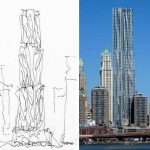
- Image 1_ Fouillet, H. and Wikipedia (n.d.). Sketches of Frank Gehry_© Hyperallergic(left) and Wikipedia (right). [Digital photograph] Available at: https://architizer-prod.imgix.net/media/1462912508507Gehry_8_Spruce_fr_BB_Pk_Pier_1_jeh_copy.jpg?fit=max&w=1680&q=60&auto=format&auto=compress&cs=strip.
- Image 2_ Fouillet, F. (2018). Peter Zumthor, Morphosis Architects / Thom Mayne Thermes Vals AT 7132 Hotel. [Digital photograph] Available at: https://images.divisare.com//images/c_limit,f_auto,h_2000,q_auto,w_3000/v1528627246/mut3ymzyt8cynt3uelfd/peter-zumthor-morphosis-architects-thom-mayne-fabrice-fouillet-thermes-vals-at-7132-hotel.jpg.
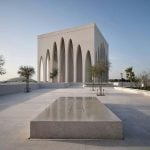
- Image 3_ Evans, T. ed., (2023). Imam Al-Tayeb Mosque at Abrahamic Family House. [Digital photograph] Available at: https://www.timeoutabudhabi.com/cloud/timeoutabudhabi/2023/02/17/Imam-Al-Tayeb-Mosque-Exterior-shot-cropped-1000×750.jpg.
- Image 4_ S, K. (2019). Church of Light. [Photograph] creatives common. Available at: https://images.squarespace-cdn.com/content/v1/58fd82dbbf629ab224f81b68/1514286182061-7YON7D5HEMRXPB87W94K/Church-of-Light-Tadao-Ando.jpg?format=2500w.
- Image 5_Stronger Than Steel: Shigeru Ban’s Glulam Revolution. (2010). Available at: https://blog.architizer.com/wp-content/uploads/MG_1798.jpg.
- Image 6_ Huflon + Crow (2019). Leeza SOHO. [Photograph] Available at: https://www.zaha-hadid.com/wp-content/uploads/2019/12/03_zha_leeza_huftoncrow_lowres-757×1080.jpg.
- Image 7_ Kéré, F. (2016). Lycée Schorge Secondary School, Koudougou, Burkina Faso, 201. [Photograph] Available at: https://worldarchitecture.org/cdnimgfiles/extuploadc/lyc%C3%A7eschorgefrancisk%C3%A9r%C3%A9-11-1-.jpg.