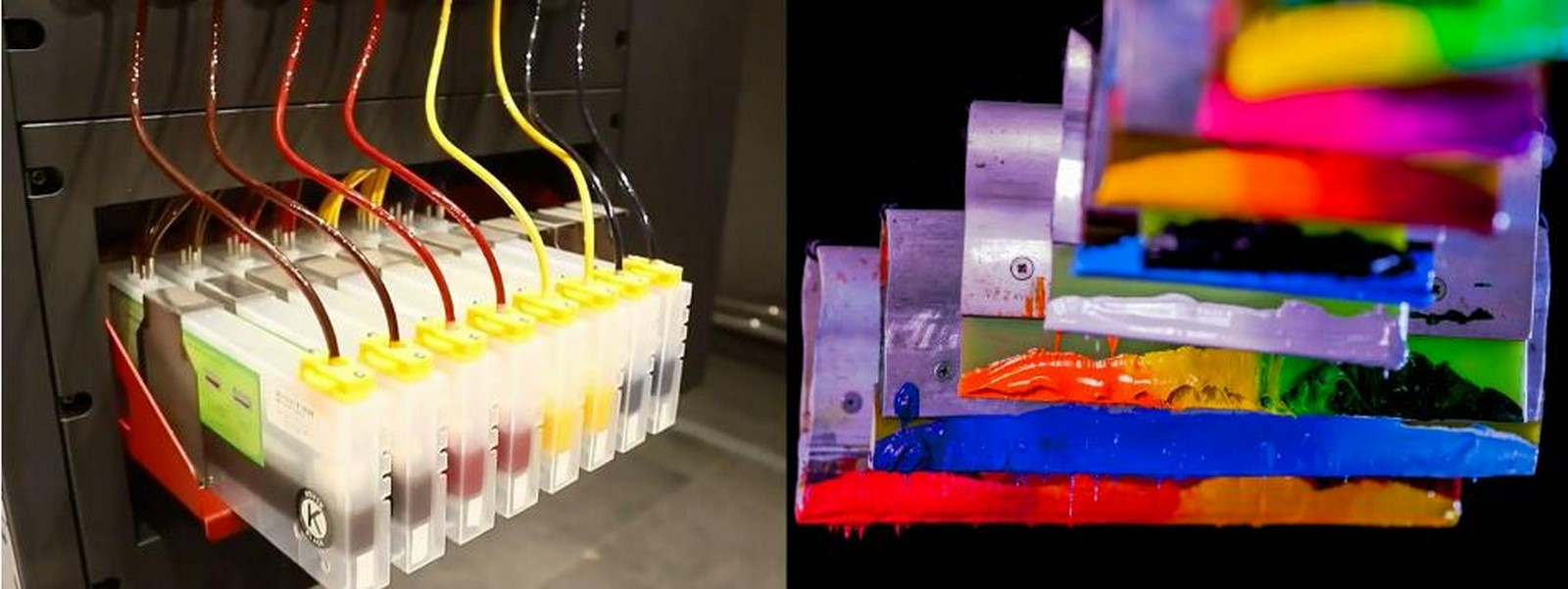
“Digital Fabrication gets out of hand” may suggest how technology is advanced in architecture, design, and manufacturing that now exceeds initial expectations or control. As 3D printing, CNC milling, and robotic construction become increasingly important tools in digital fabrication, several concerns might arise in over-reliance on the technology. Traditional craftsmanship might lose its ground to automation; the skills might be forgotten or the value of hand labour may be downplayed.
Do you think digital fabrication should have boundaries, or is it the case that anything goes?
This rapid expansion brings incredible advantages but also unforeseen risks. Environmental and Resource Impact, High-volume large-scale fabrication puts heavy energy loads, which can cancel out some of the environmental gains from material intensity. Despite precision, production errors, and prototype failures are quite common, causing waste in excessive amounts, especially with 3D printing and CNC milling. Energy Consumption, High-volume large-scale fabrication puts heavy energy loads, which can cancel out some of the environmental gains from material intensity.
Waste Generation, despite precision, production errors, and prototype failures are quite common, causing waste in excessive amounts, especially with 3D printing and CNC milling.
The automation and robotic fabrication procedures are efficient but at the cost of jobs that involve manual skills, which impacts employment in sectors like manufacturing, construction, and design. The art of hand carving or masonry is obsolete traditional craft and artisan skill, and loss of these will affect the ability to hold back cultural heritage and minimize designs’ diversity.
Worker Safety, Handling advanced machinery, such as industrial robotic arms or laser cutters, without adequate safety protocols can pose hazards to workers, especially in industries that might lack stringent regulation. Material Toxicity, Certain 3D printing resins and powders release toxic fumes or nanoparticles, which can pose health risks when proper ventilation or safety measures are not in place.
Impact on Creativity
Philosophical and Aesthetic Concerns, Loss of aesthetic depth: Critics argue that fully automated design processes cannot have a “human touch” hence, designs will tend to appear more mechanical rather than related to aesthetic cultural sense. On the other side of the coin such as 3D printing, CNC milling, and laser cutting, make it possible to develop complicated geometries, detailed textures, and unique forms with high accuracy.
The Future of Work
Education and Skill Development: Education and training for digital fabrication can be accompanied by traditional crafts to allow the preservation of manual skills while equipping the worker with new ones. Few of them are RISD’s Digital + Media Program, Bauhaus University Weimar’s Media Art and Design Program, School of the Art Institute of Chicago’s “Designed Objects” Program. These schools involved both digital methodology with hand skills as well.
Ethical Design Standards: Ethical design in digital fabrication involves fair labor, responsible sourcing, and sustainability. The standard of ethical support to culturally sensitive and responsible design might guide digital fabrication towards meaningful creation that can make a difference.
Best work
“Bow Chair” is a seat designed by Zaha Hadid Architects. It is made of advanced 3D printing.
It is one of the most remarkable examples of digital fabrication blurring the boundaries of architectural design is Zaha Hadid‘s Bow Chair, designed in collaboration with David Gill Gallery. Hadid’s fluid, organic forms have been achieved through advanced digital modeling and precise manufacturing techniques, which have culminated in this chair that exudes an almost sculptural quality with smooth curving lines and elegant asymmetry giving it a sense of motion and lightness, though it is made from solid material. This here shows where digital fabrication might take up the aesthetic edge in functionality with visually interesting objects having both artistic and technological relevance.
Examples of Digital Fabrication Gone “Out of Hand”
3D Housing: Despite being touted to solve affordable housing, regulatory, environmental, and even scalability issues have marred some of the initiatives, seeing projects stalled and resources laid to waste. Fast 3D has brought into question the disposition of garments, especially at a time when plastic-flooded markets of clothing are made cheaply in ways that further the ravaging of the environment due to fashion. The 3D-printed foods in restaurants create issues about authenticity, quality of food, and ethics of mechanical culinary experience. Perhaps one of the most notorious illustrations of digital fabrication “gone out of hand” is that of the 3D-printed handgun, sometimes called the Liberator. This handgun was created in 2013 by the group Defense Distributed; in it, the weapon uses mainly plastic parts created in a 3D printer, while an open-file allows for anyone to possess a working gun through only a 3D printer.
Digital fabrication has immense potential. However, its influence on society, the economy, and the environment will have to be taken into consideration and balanced. In the future, regulation, sustainable practices, and setting up of ethical standards on design can help use this potential responsibly. How exciting to balance enthusiasm with responsibility to build an efficient, inclusive, and innovative future. What do you think? Is it time to restrict its fast growth or allow it to grow organically?
Citation:
Libertect (2014) Digital Fabrication is getting out of hand at mad, Libertecture. Available at: https://libertecture.wordpress.com/2014/01/01/digital-fabrication-is-getting-out-of-hand-at-mad/ (Accessed: 28 October 2024).
Out of hand: Materializing the postdigital (no date) Museum of Arts and Design. Available at: https://madmuseum.org/exhibition/out-hand (Accessed: 28 October 2024).
Nasir, O. (2024) The impact of digital fabrication in Modern Architecture, Parametric Architecture. Available at: https://parametric-architecture.com/the-impact-of-digital-fabrication-in-modern-architecture/ (Accessed: 28 October 2024).
(No date) Mikko Rajanen. Available at: http://cc.oulu.fi/~mrajanen/ (Accessed: 31 October 2024).
Adhrijna, a landscape architect from Bangalore, is passionate about architecture journalism and design criticism. Beyond designing, they are equally enthusiastic about studying design and art, strongly believing that "Design won't change the world, but it damn sure makes it look good."
We use cookies to ensure that we give you the best experience on our website. If you continue to use this site we will assume that you are happy with it.