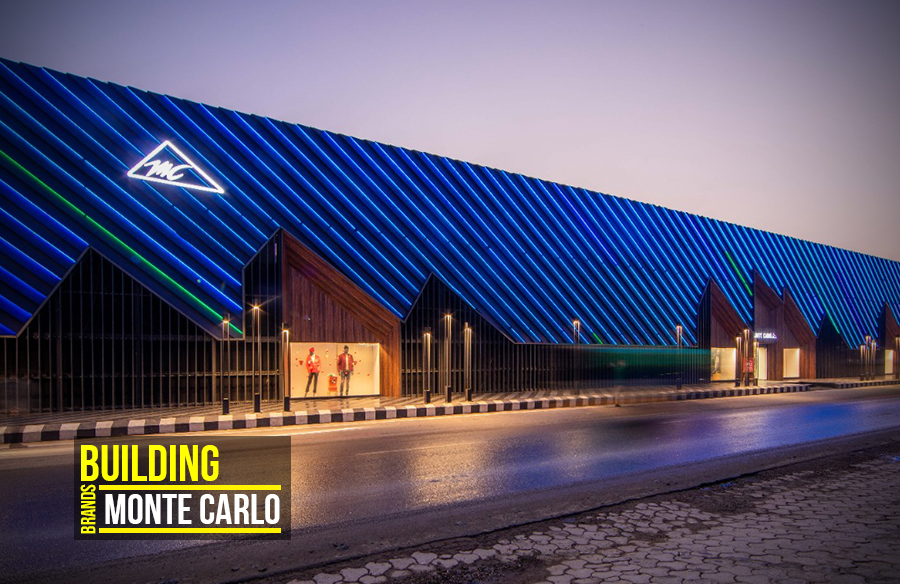
‘The best ideas are common property’ said Seneca, a Stoic Philosopher. The notion holds true when we look at Monte Carlo, an Indian clothing brand, with an international presence, well known for its winter wear collection which eventually grew into an all-season lifestyle brand. But Monte Carlo’s success isn’t just about clothing, it’s a testament to the power of design where every detail matters, branding becomes a strategy and consumer connection is key. Much like how architects approach buildings, Monte Carlo builds its brand with a foundation rooted in universal design principles – from understanding user needs to innovating with materials and aesthetics. This strategy reinstates Seneca’s wisdom that design thinking transcends disciplines, proving that universal ideas are applicable across industries to create meaningful, lasting impacts. In this article, we will delve into the story of this leading fashion brand, to explore how design thinking can be cross-disciplinary and why architects can learn valuable lessons from the world of branding.

Details are design
Monte Carlo’s attention to details such as branding, fabric choice, or seasonal adaptation has contributed to its brand-building success. A seemingly small but impactful detail is its name. The Italian name gives the brand an aspirational quality, setting it apart in the Indian market. The strategic choice is not just a detail; it is a fundamental part of how the brand communicates its value proposition to consumers—conveying luxury, sophistication, and global appeal. It shows how minor branding elements, like a name, are crucial design decisions that can define a brand’s perception and success
This philosophy mirrors the approach seen in architectural projects like the De Lentloper bridge in the Netherlands, where even a minor detail can have significant value. The columns of the bridge were designed with a unique feature, small niches to house native birds – House Martins, of that locality, reflecting sensitivity to the natural environment. This thoughtful integration of biodiversity into the structural design elevates the bridge beyond its primary function, turning a technical detail into an important ecological gesture. Just as Monte Carlo’s commitment to detail enhances its brand, the mindful incorporation of bird habitats in the De Lentloper bridge shows how details are not just additions; they play an integral role in the overall identity and function of the project.

Branding as a design strategy
Branding as a design strategy travels beyond designing a logo and curating the aesthetics. It is about crafting a holistic identity that communicates values, connects with an audience and differentiates a brand in a competitive landscape. Monte Carlo ensures that its brand image, focused on quality, style, and function—remains consistent. This kind of consistency helps to establish trust and a loyal customer base, as people often associate a brand with reliability and a certain lifestyle.

Architects can apply this concept by ensuring consistency across various aspects of a building—whether through the continuity of materials, forms, or spatial experiences. This approach is seen in the works of the renowned Indian Architect B.V. Doshi. He integrates local materials into all his buildings grounding them in their respective cultural and geographical contexts. For instance, in projects like the Indian Institute of Management Bangalore (IIMB) and CEPT University, Doshi uses local stone and brick, ensuring a design continuity that connects the building to its environment. A building that offers a cohesive experience from exterior to interior can create a strong, memorable identity, just as how consistent branding does in fashion.
Simplicity and timelessness
Monte Carlo’s design philosophy embraces minimalism, focusing on simple designs that prioritise functionality and versatility over trends. A minimalist approach in design ensures that products remain timeless and appealing to consumers looking for durability and classic styles rather than fast fashion. The brand’s designs focus on practicality and comfort making it easy to integrate into everyday wardrobes. Their upcoming stride towards sustainability by the usage of eco-friendly materials elevates their reputation as a timeless and responsible brand that combines simplicity with sustainable growth.
For instance, Tado Ando’s work on the Church of Light features minimal aesthetic elements that bring out a spiritual experience for the users. His use of raw concrete and natural light creates serene, functional spaces that focus on the essentials akin to how Monte Carlo’s timeless clothing resonates with consumers seeking durability and comfort. Both showcase a commitment to quality and a sustainable ethos that transcends trends, making them enduring in their respective fields.

Monte Carlo’s design journey offers valuable insights for architects, emphasising that design thinking is a universal concept applicable across various industries. By illustrating how attention to detail, branding, and minimalism contribute to Monte Carlo’s success it is evident that creating products that resonate with consumers and enhance the user experience can have a lasting impact on its success. Architects can learn from this cross-disciplinary design thinking that the principles of good design —whether in fashion or architecture— are grounded in human connection, thoughtful innovation, and the ability to make every day experiences extraordinary.
Citations for website:
- Ney & Partners. (2023). Bridges and house martins, ‘De Lentloper’ bridge, Nijmegen (NL). [online] Available at: https://ney.partners/bridges-and-house-martins-de-lentloper-bridge-nijmegen-nl/ [Accessed 16 Oct. 2024].
- infashionbusiness.com. (n.d.). Monte Carlo: A leading lifestyle brand unveils its vision for the future. [online] Available at: https://infashionbusiness.com/home/news_details/604/11. [Accessed: 16 October 2024].
- Zukowsky, J. (n.d.). Andō Tadao | Japanese architect. [online] Encyclopedia Britannica. Available at: https://www.britannica.com/biography/Ando-Tadao. [Accessed: 17 October 2024].
- India’s leading online clothing brand for Men & Women (n.d.) Monte Carlo. [online]. Available at: https://www.montecarlo.in/pages/about-us. [Accessed: 17 October 2024].