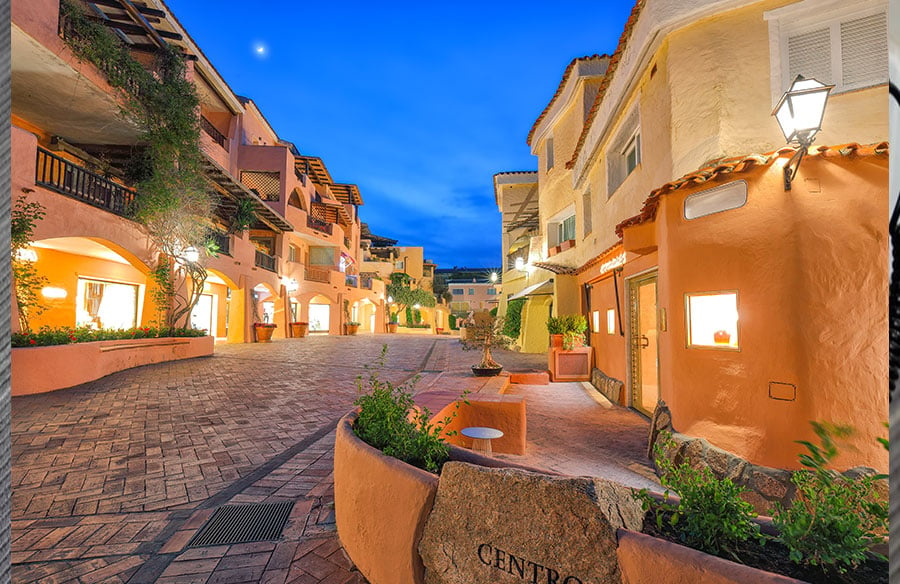
Luxury property usually competes through size, views, finishes, privacy, or amenities. San Miguel de Allende adds something harder to reproduce: homes that form part of a centuries-old urban fabric. Behind relatively restrained street facades, buyers can find stone arches, interior courtyards, carved doors, vaulted rooms, fountains, roof terraces, and walls shaped by generations of use. The appeal comes from living inside architecture with a clear sense of place rather than buying a house that could stand in almost any affluent market.
That architectural identity has become an important source of demand for real estate in San Miguel de Allende, Mexico, especially among buyers seeking distinctive second homes and long-term residences. The city’s historic center forms part of a UNESCO World Heritage property, recognized for its preserved urban plan and important religious and civic architecture spanning Baroque, Neoclassical, and later influences. For luxury buyers, those historic qualities shape both the emotional appeal of individual homes and the scarcity that supports the upper end of the property market.
The City Offers Architecture That Cannot Be Recreated Quickly
San Miguel’s historic character comes from far more than decorative facades. The settlement developed from the 16th century onward and flourished in the 18th century, when major civic and religious buildings helped establish the architectural identity people recognize today. UNESCO specifically notes the unusually large and rich urban mansions found in the city for a Latin American town of its size.
That history changes the economics of luxury property. Developers can build a new house with stone floors, timber beams, arched openings, and handcrafted doors, but they cannot give it an eighteenth-century location or a centuries-old relationship with the surrounding streets. A historic home near the Jardín gains part of its value from everything outside its walls: narrow streets, adjoining facades, churches, plazas, shops, galleries, and the walk from one place to another.
Scarcity follows naturally. There are only so many historic properties in the most desirable central streets, and preservation controls limit the freedom to replace old buildings with larger modern developments. That does not make every old property valuable. Condition, location, restoration quality, noise, access, and layout still count. It does mean that a well-restored house in a strong location competes as a finite product.
The Courtyard House Fits Modern Luxury Surprisingly Well
Traditional houses in San Miguel often turn inward. A relatively discreet entrance can open into a courtyard filled with plants, stone, arcades, water, and outdoor seating. Rooms may connect around that open space rather than facing directly onto the street.
For contemporary buyers, the arrangement offers several qualities associated with expensive modern homes. The courtyard creates privacy while bringing daylight and air deep into the property. Covered passages can connect indoor and outdoor rooms. Gardens and fountains give the house a visual focus without exposing family life to the street. Thick masonry can add a physical sense of permanence that lightweight construction rarely produces.
The format also works well for entertaining. A courtyard can function as an outdoor dining room, reception area, or extension of the kitchen. Roof terraces add another type of space, particularly where elevation opens views toward church towers, hills, or the historic skyline. A buyer may therefore get a house that feels private from the street yet surprisingly open once inside.
These qualities help explain why carefully restored colonial homes can compete with much newer luxury construction. Buyers do not necessarily need vast floor plans if the rooms, courtyards, terraces, and gardens create several distinct places to spend time.
Restoration Has Become Part of the Luxury Proposition
Older architecture creates value only when restoration respects the building and supports contemporary life. That balance requires skill. Removing every irregularity can strip a house of the features buyers came for, while preserving every old condition can leave the property inconvenient, uncomfortable, or expensive to operate.
The strongest renovations tend to keep architectural elements that give the house its identity. That can include masonry walls, stonework, carved wood, traditional tile, arches, courtyards, ironwork, and original proportions. New work then solves practical requirements such as plumbing, electrical service, kitchens, bathrooms, climate control, lighting, storage, and internet access.
Material choice makes a visible difference. Natural stone that relates to the existing building generally ages differently from a superficial imitation. Locally appropriate plaster, timber, ironwork, tile, and handcrafted details can make new additions feel considered rather than decorative. Buyers at the top of the market often notice this level of execution because two properties with similar floor areas can feel dramatically different once viewed in person.
Documentation deserves equal attention. A beautiful renovation can still create problems if alterations lack the required approvals or if structural, electrical, plumbing, or title issues remain unclear. Historic character adds appeal, but due diligence remains a practical part of buying an older home.
Walkability Makes the Architecture More Valuable
The appeal of a Centro property extends beyond the house itself. Buyers can step outside and reach restaurants, galleries, shops, churches, plazas, and cultural venues on foot. That daily relationship with the city gives historic architecture a functional advantage rather than leaving it as something admired from a distance.
Location within San Miguel changes the experience considerably. Centro Histórico gives buyers the strongest immersion in the historic fabric, along with higher prices and greater activity. Areas such as Guadiana and San Antonio can offer more residential surroundings while keeping parts of central San Miguel within walking distance. Other neighborhoods provide larger lots, easier vehicle access, newer construction, or broader views.
For a second-home buyer, this choice can shape how often the property actually gets used. A house that allows someone to walk to dinner, meet friends, buy groceries, and attend events may support a different routine from a larger residence that requires a car for most outings.
The architecture therefore works at two scales. Buyers acquire the individual house, but they also acquire access to streets and public spaces that give the house context. That connection helps distinguish San Miguel from resort markets where luxury homes may offer exceptional private amenities while remaining physically separate from the cultural life that attracts visitors in the first place.
Scarcity Supports Premiums, but It Does Not Eliminate Market Cycles
San Miguel’s architectural reputation can support long-term demand without making every luxury property immune to changing market conditions. That distinction matters for buyers who hear phrases such as “luxury boom” and assume prices at the top end move upward continuously.
Recent market evidence shows a more complicated picture. Resale activity increased during 2025, while average prices declined and sales above $2 million dropped from the previous year. During 2026, available inventory increased, and the high-end segment showed slower absorption, giving some buyers more room to negotiate. Public market figures remain imperfect because local closed-sale data largely comes from brokerage interpretations of the area’s MLS rather than an independent public price registry.
That does not weaken the architectural case for San Miguel. It changes how buyers should use it. A historic address, strong restoration, attractive courtyard, good natural light, roof views, and easy access to Centro may help one property stand out from another, but those characteristics should support a disciplined purchase rather than justify any asking price.
This is particularly important in luxury real estate, where individual properties differ widely. A beautifully photographed colonial house can still have difficult vehicle access, heavy street noise, limited natural light, expensive deferred maintenance, or a layout that does not suit the buyer. Architecture creates desire. Careful property selection determines how much of that desire translates into lasting value.
Modern Comfort Works Best When the Historic Character Still Leads
Luxury buyers rarely want to choose between atmosphere and convenience. They may love old stone walls and timber ceilings while still expecting a serious kitchen, reliable water systems, modern bathrooms, comfortable bedrooms, strong connectivity, security, and spaces suited to contemporary routines.
The best houses resolve those needs without making the original architecture feel secondary. Modern lighting can reveal old stone rather than overpower it. A renovated kitchen can serve contemporary cooking while respecting the proportions of the surrounding rooms. New glazing, mechanical systems, or upgraded utilities can improve comfort without turning the property into a generic modern villa behind an old facade.
Outdoor areas often provide the strongest opportunity for this relationship. Historic courtyards can accommodate elegant seating and dining. Terraces can provide modern entertaining space above older rooms. Pools and landscaped gardens may suit larger properties when designed with sensitivity to the house and site.
That balance has become one of San Miguel’s strongest luxury selling points. Buyers can find modern construction in many affluent destinations. Far fewer places offer a chance to live in a historic urban environment while enjoying the standards expected from an expensive contemporary home.
San Miguel de Allende’s architecture therefore contributes to luxury demand in a way that square footage alone cannot explain. Its historic houses offer scarcity, craftsmanship, privacy, walkability, and a close relationship with one of Mexico’s most recognizable historic centers. For buyers who value architectural identity, those qualities can carry as much weight as conventional luxury amenities.
The opportunity still rewards careful selection. A strong purchase requires attention to restoration quality, location, approvals, building condition, access, and the realities of the current market. When those elements align, San Miguel offers something increasingly difficult to manufacture at any price: a luxury home whose appeal begins with the place itself rather than with a checklist of expensive features.