The third time your kitchen sink backed up this year, you probably stopped blaming the grease and started wondering about the pipe itself. That question is worth asking. Most drain fixes treat the symptom, punching a hole through whatever is blocking the flow and calling it done. A few weeks later, the slow gurgle returns.
High-pressure line cleaning takes a different approach. Instead of boring through a clog, it scours the full interior wall of the pipe, which is why plumbers reach for it on old cast iron drains and restaurant lines that see heavy grease every day. If you have been comparing options for your own home, this breakdown of hydro jetting in corona covers how the process works, what it costs you in downtime, and when it is genuinely the wrong tool for the job.
Here’s the short version: hydro jetting is a high-pressure water cleaning method, not a repair. It removes buildup that snaking leaves behind. Whether your pipes can handle the pressure is the question that decides everything.
How Hydro Jetting Actually Works
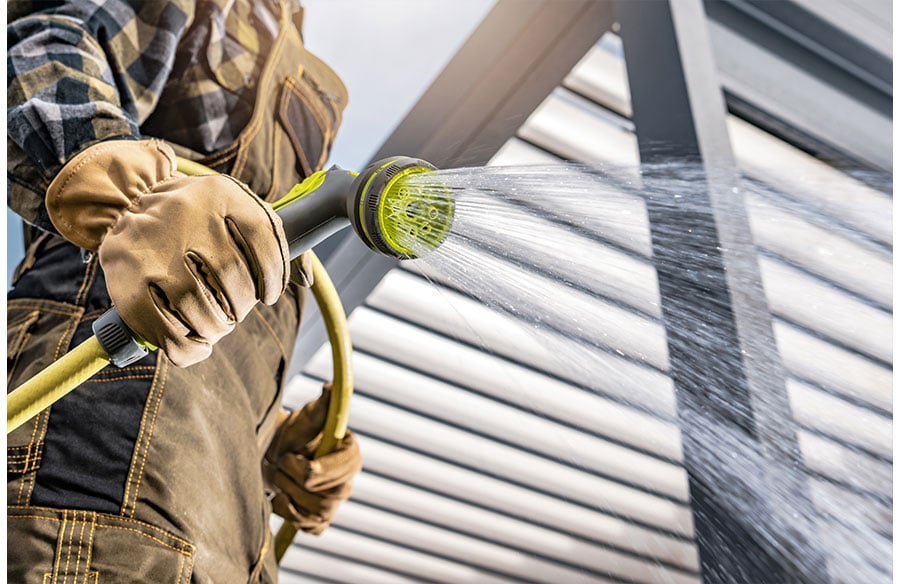
Picture a flexible hose tipped with a nozzle that sprays water backward in a tight cone. The backward spray pulls the hose forward into the line, while forward-facing jets blast the pipe walls. A plumber feeds this into a cleanout or access point, then works the hose down the run while water pressure does the scraping.
Two things separate this from the drain snake collecting dust in your garage. A snake clears a channel. A jetter cleans a circumference. The second difference is inspection: a technician should run a camera first, because pressure settings and nozzle choice depend entirely on what is inside the pipe and what the pipe is made of.
Debris gets flushed downstream to the main and out. You don’t end up with a bucket of sludge on the floor or a crew hauling waste back through the kitchen. That part, frankly, is why I’d choose this over mechanical cleaning in a finished basement every time.
Who It Suits, and Who Should Skip It
Hydro jetting earns its reputation on specific problems. Recurring clogs in the same stretch of pipe, slow drains across multiple fixtures, grease-choked commercial kitchen lines, and root intrusion at a joint are all classic candidates. So is routine maintenance for any property with older clay or cast iron drains, where scale builds quietly for years.
It’s the wrong call in a few situations you should know before anyone shows up with equipment:
- Pipes already cracked, collapsed, or badly corroded, where pressure could finish the job
- Lines that have never been inspected, where nobody knows the condition yet
- Older plumbing with weak joints that a camera would flag immediately
My stance: never let a jetter into a line before a camera has been in there. Any technician who skips that step is guessing with your plumbing, and you’re paying for the guess.
The Cost Conversation Nobody Enjoys
Pressure cleaning usually runs higher than a standard snaking visit, and lower than replacing a sewer line. That gap is the whole point. A professional cleaning restores flow in a line that’s structurally sound, which pushes back the day you’re staring at a trench in the yard.
Wages drive a lot of that price. According to the Bureau of Labor Statistics, plumbers, pipefitters, and steamfitters remain a sizable skilled trade, which tells you the labor behind a two-hour cleaning isn’t free. You’re paying for equipment, training, and the judgment to know which nozzle to use in a 1950s cast iron line versus a modern PVC run.
Ask for the scope before the work starts. What you want in writing: camera inspection included, access points identified, and an agreement on what happens if the camera finds a break mid-job. A good company will walk you through that without flinching.
My Four-Step Framework Before You Book
I call this the Access, Condition, Flow, History check, and it’s saved me from at least one bad decision on an old rental property. Run through it in order:
- Access. Where are your cleanouts? If a plumber can’t reach the line without pulling a toilet, that changes the estimate and the time on site.
- Condition. Demand the camera footage. Ask to see the pipe interior, not just hear a verdict. Scale, roots, and bellies in the line all read differently on screen.
- Flow. Time your slowest drain. Fill a sink, pull the plug, count the seconds. Repeat after the cleaning. That number is your proof.
- History. How many times have you called someone about this line in two years? Three or more, and you’re not solving a clog problem, you’re managing a failing pipe.
None of that requires special knowledge. It requires you to stand there and ask questions while the camera is running.
Kitchens, Roots, and the Grease Trap Problem
Commercial kitchens are where this method looks almost heroic. Grease doesn’t just sit in a drain; it cools and coats the pipe wall in layers, narrowing the opening a little more each week. Mechanical cleaning scrapes a path through. High-pressure washing strips the coating back to bare pipe.
Municipal sewer systems deal with the same fat problem at a much larger scale, which is why many public works departments keep dedicated cleaning crews and publish guidance on keeping fats, oils, and grease out of drains. The Environmental Protection Agency has long flagged grease buildup as a leading cause of residential sewer blockages, and that concern travels straight down the line to your kitchen sink.
Roots are a different story. A jetter with a root-cutting nozzle can shear intrusions at a joint, but the root is still outside the pipe and it will come back. If the camera shows a heavy root mass, ask about the long game before you schedule repeat cleanings forever.
What Can Go Wrong, and How to Prevent It
Most failures fall into three buckets: too much pressure in a weak pipe, the wrong nozzle for the line diameter, and a technician who skipped inspection. All three are avoidable with a little diligence on your end.
Safety matters more than homeowners realize. High-pressure water equipment can cause serious injury when it’s mishandled, which is why the Occupational Safety and Health Administration maintains general requirements around guarding and training for operations of this kind. Reputable crews treat the equipment with visible respect. If someone’s blasting water while joking around with a bare hand near the nozzle, that’s your signal to find someone else.
Ask three questions and you’ll filter most of the risk out: Is a camera included? What pressure range will you use here? What happens if the line fails during cleaning? The answers separate a real service call from a poorly planned job.
Frequently Asked Questions
How long does hydro jetting take?
Usually a few hours for a typical residential line, longer if there’s heavy buildup or limited cleanout access. Commercial kitchens can run longer depending on line length.
Can it damage my pipes?
Not when the line is inspected first and the pressure is matched to the material. A camera check is the safeguard, not a formality.
Does it replace regular drain maintenance?
No. It resets the clock. For older homes and grease-heavy kitchens, a periodic cleaning keeps the line from returning to square one.
The Bottom Line on Pressure Cleaning
Your drains aren’t mysterious. They’re pipes with a condition, a history, and a flow rate you can measure. Hydro jetting is the right tool when the pipe is sound and the buildup is deep, and it’s the wrong tool when nobody has looked inside first. The camera decides, not the sales pitch.
Before you book anything, do the four-step check and time your slowest drain. Then ask yourself the honest question: is this a recurring clog, or is it a pipe telling you it’s tired? If you’re still unsure after that, get a second opinion from someone who brings a camera.