Uneven indoor temperatures, persistent drafts, and rising energy bills often indicate problems with a home’s insulation. Some rooms feel colder during winter, while others become uncomfortable during summer. These temperature differences often result from heat escaping through poorly insulated walls, ceilings, and floors.
Proper insulation installation helps address these issues by reducing heat transfer, limiting energy waste, and maintaining more consistent indoor temperatures. The right insulation materials, combined with professional installation techniques, also support moisture control and overall building performance.
Understanding how insulation works and where improvements are needed helps homeowners make informed decisions about energy efficiency, long-term comfort, and maintaining a healthier indoor environment.
Why Proper Insulation Installation Matters for Home Comfort
Insulation creates a thermal barrier between indoor living spaces and the surrounding environment. This barrier slows heat movement through walls, ceilings, and floors.
How Insulation Helps Maintain Consistent Indoor Temperatures
During winter, heat naturally moves from warmer indoor spaces toward colder outdoor areas. Summer brings the opposite problem, as outdoor heat enters the home.
Insulation slows this transfer, helping rooms maintain more consistent temperatures.
For example, a bedroom above an uninsulated garage often feels colder during winter. Adding suitable insulation beneath the floor helps reduce heat loss and improve comfort.
The Benefits of Proper Insulation for Energy Efficiency
Heating and cooling account for a significant share of household energy consumption.
According to ENERGY STAR, homeowners save an average of 15% on heating and cooling costs through appropriate air sealing and insulation improvements in attics, floors, and accessible basement rim joists.
Actual savings depend on climate, existing insulation, and household energy use.
Energy efficient home insulation also reduces unnecessary heating and cooling cycles, helping equipment maintain comfortable indoor conditions.
How Professional Insulation Installation Improves Your Home
Professional insulation installation addresses problems beyond insufficient insulation thickness. Installers assess air leakage, moisture exposure, and existing building conditions before recommending suitable materials.
Reducing Heat Loss and Unwanted Air Leaks
Small openings around plumbing, wiring, and structural joints allow conditioned air to escape.
Insulation and air sealing work together to address these problems. Insulation slows heat transfer, while air sealing limits unwanted airflow.
Homeowners seeking insulation contractors near Valparaiso, IN can turn to Eclipse Insulation, LLC for professional assessments of existing insulation, identification of air leaks, and suitable recommendations before work begins.
Improving Indoor Comfort Throughout the Year
Uneven temperatures often develop when insulation coverage varies between rooms.
Proper installation helps reduce temperature differences between living areas, especially near exterior walls, ceilings, and floors.
Improving home comfort with insulation also supports quieter indoor spaces. Certain insulation materials absorb sound and reduce noise transmission through building cavities.
Supporting Better Moisture Control and Indoor Air Quality
Air leaks sometimes carry moisture into walls and ceilings, where condensation creates problems.
Appropriate insulation, air sealing, and moisture management help protect building materials from excessive dampness.
Improved air sealing also limits uncontrolled outdoor air entering through building gaps. Adequate ventilation remains essential for maintaining healthy indoor air quality.
Common Types of Residential Insulation Installation
Different areas of a home require different insulation approaches. Material selection depends on available space, moisture conditions, thermal performance, and project costs.
Spray Foam Insulation Installation for Air Sealing and Thermal Performance
Spray foam expands during application, filling gaps and forming an insulating layer.
Open-cell spray foam offers thermal insulation and sound absorption. Closed-cell spray foam provides greater thermal resistance per inch and greater resistance to moisture vapor movement.
Professional installers evaluate building conditions before choosing either material.
Attic Insulation Installation for Better Temperature Regulation
Attics experience substantial temperature changes throughout the year.
Insufficient attic insulation allows unwanted heat transfer between living spaces and the roof area.
Attic insulation installation often involves sealing accessible air leaks before adding insulation to the recommended depth.
Fiberglass Batt and Blown-In Insulation for Existing Homes
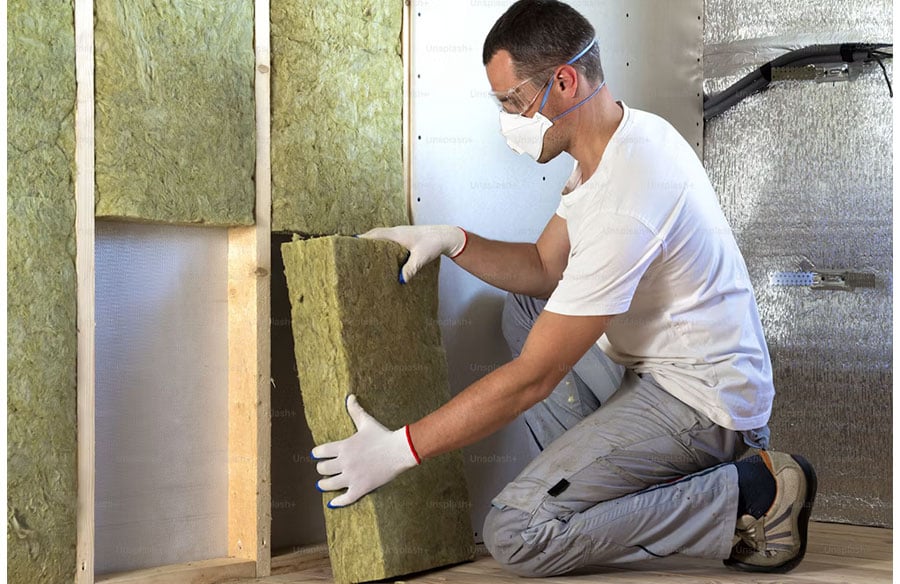
Fiberglass batts fit between wall studs, floor joists, and ceiling framing. Proper fitting matters because gaps and compression reduce thermal performance.
Homeowners researching fiberglass batt insulation contractors in Valparaiso, Indiana should ask about material thickness, installation methods, and appropriate vapor control for their building.
Blown-in cellulose offers another option, particularly for attic spaces and certain enclosed wall cavities.
Both materials require careful installation to achieve consistent coverage.
Why Hiring a Professional Insulation Contractor Makes a Difference
Choosing suitable insulation involves more than comparing material prices. Installation quality directly affects thermal performance and long-term results.
Identifying Insulation Gaps and Problem Areas
An experienced insulation contractor examines accessible areas for missing insulation, air leakage, and moisture damage.
Professionals also assess existing ventilation and building conditions before recommending improvements.
This assessment helps prevent unnecessary work and directs attention toward areas with the greatest comfort concerns.
Selecting the Right Insulation Materials
Each insulation material offers different advantages.
Spray foam suits applications requiring insulation and air sealing. Fiberglass batts work well in accessible framing cavities, while blown-in cellulose provides coverage across irregular attic spaces.
A professional evaluates the building’s needs instead of recommending one material for every application.
Ensuring Proper Installation and Long-Term Performance
Incorrect installation creates gaps, compressed insulation, and inconsistent thermal protection.
Professional installation focuses on complete coverage, appropriate material thickness, and safe application practices.
Proper workmanship helps insulation deliver its intended performance throughout its service life.
When Should Homeowners Consider Insulation Upgrades?
Existing insulation does not always provide adequate protection, particularly in older homes or properties with previous renovations.
Common Signs of Inadequate or Aging Insulation
Noticeable temperature differences between rooms often suggest insulation problems.
Other warning signs include persistent drafts, unusually high heating or cooling expenses, and cold floors above unconditioned spaces.
Moisture damage or disturbed insulation also deserves attention before additional materials are installed.
How Home Insulation Upgrades Improve Energy Efficiency
Home insulation upgrades focus on correcting weaknesses in the existing thermal barrier.
Adding attic insulation, sealing accessible air leaks, and improving insulation around exposed floors often deliver meaningful comfort improvements.
The most suitable upgrades depend on existing conditions and local building requirements.
What to Expect During Professional Insulation Installation
Understanding the installation process helps homeowners prepare their properties and ask informed questions.
Initial Home Assessment and Insulation Recommendations
The process begins with an inspection of accessible insulation areas.
An installer evaluates existing materials, identifies performance concerns, and recommends appropriate insulation methods.
Homeowners should receive information about proposed materials, installation areas, expected preparation, and project costs.
Installation Process and Quality Inspection
Installers prepare the work area, address relevant air leakage, and install insulation according to material requirements.
After installation, they inspect coverage and check accessible areas for gaps or other concerns.
Homeowners should ask about ventilation requirements, cleanup procedures, and any necessary curing or re-entry periods.
How Does Insulation Installation Support Lasting Home Comfort?
Effective insulation installation starts with understanding where a home loses heat and where unwanted air enters.
Begin by reviewing energy bills and identifying rooms with persistent temperature problems. Check accessible attic areas for visible insulation gaps, moisture damage, or uneven coverage.
Next, arrange a professional insulation assessment and compare recommendations based on material suitability, installation quality, and overall cost.
With the right improvements, a home gains more consistent temperatures, reduced energy waste, and greater comfort throughout the year.