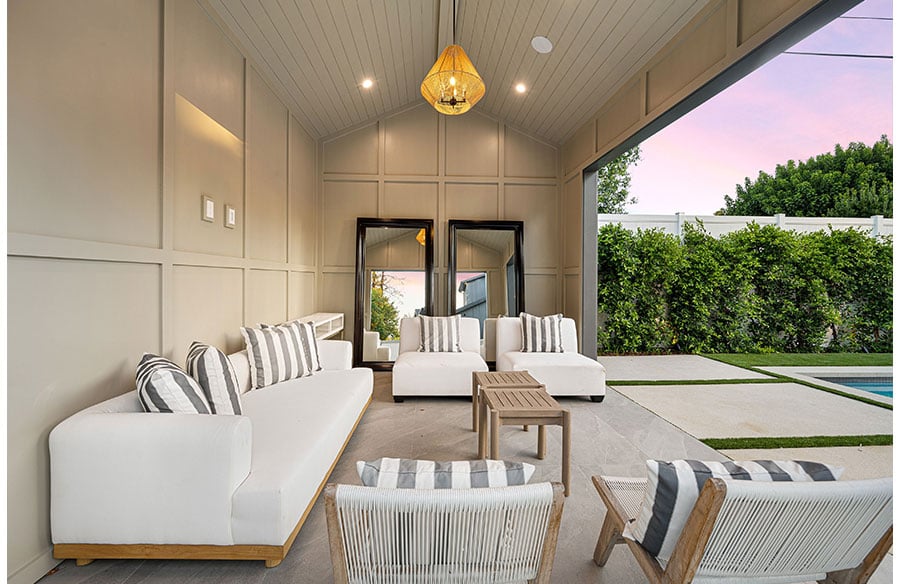
In Australia, the boundary between indoors and outdoors has always been a little fluid. Mild climates, long summers and a love of open-air living have inspired homes that spill onto verandahs, decks and courtyards. Increasingly, architects and homeowners are going a step further, designing outdoor spaces that function as genuine rooms, with the same comfort, character and attention to detail as interior living areas.
These outdoor rooms extend the home, creating places to relax, dine and entertain that feel like a natural continuation of the interior. Achieving that easy connection depends on thoughtful planning, matching materials and well-chosen furniture. Pieces like a sculptural outdoor coffee table surrounded by deep lounge seating can make an outdoor area feel every bit as inviting as the living room inside.
Create visual and physical continuity
The key to blurring the line between inside and out is continuity. When the transition from indoor to outdoor feels effortless, the two spaces read as one.
Large openings are essential. Wide sliding, stacking or bi-fold doors allow living areas to open completely to the outdoors, creating a sense of flow. Floor-to-ceiling glass maintains a visual connection even when doors are closed.
Flooring plays a big role. Using the same or similar materials inside and out, such as matching tiles, polished concrete or timber-look finishes, creates a continuous surface. Keeping floor levels as close as possible, or flush where building codes allow, strengthens the connection.
A consistent colour palette helps unify spaces. Repeating colours, materials and finishes indoors and outdoors creates harmony. For example, a timber dining table inside might be echoed by timber outdoor furniture, or interior cushions might share tones with outdoor fabrics.
Shelter, comfort and furnishing like an interior
For an outdoor space to function as a room, it needs to be comfortable in a range of conditions. Australian weather can be unpredictable, with intense sun, sudden storms and cool evenings.
Roofing and shelter make outdoor rooms usable year-round. Pergolas, louvred roofs, retractable awnings and covered verandahs provide shade and protection from rain. Ceiling fans and outdoor heaters extend comfort across seasons. Screens and walls can offer privacy and protection from wind. Slatted timber screens, green walls and hedges create a sense of enclosure while still allowing light and air to filter through.
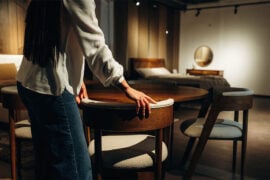
The most successful outdoor rooms are furnished with the same care as interior spaces. Instead of a few plastic chairs and a barbecue, think about comfort, layout and style. Deep outdoor sofas, armchairs and daybeds create a relaxed lounge area. A coffee table anchors the seating and provides a surface for drinks, books and decorative pieces. Dining areas with generous tables and comfortable chairs invite long meals and gatherings.
Outdoor furniture has improved dramatically in recent years. Weather-resistant materials such as teak, powder-coated aluminium, synthetic rattan, concrete and outdoor fabrics allow for stylish, durable pieces that can withstand the elements.
Soft furnishings bring comfort and personality. Outdoor rugs, cushions and throws made from fade-resistant, quick-drying fabrics make the space feel cosy and inviting.
Lighting and planting
Lighting transforms outdoor rooms at night and helps maintain the connection with indoor spaces. Layer lighting just as you would inside, combining ambient, task and accent lighting. Wall lights, pendant lights under pergolas, festoon lights and lanterns create atmosphere. Garden uplighting can highlight trees and plants, drawing the eye outward and extending the sense of space beyond the outdoor room.
Using similar light fittings or colour temperatures indoors and outdoors can strengthen continuity after dark.
The garden itself is an essential part of an outdoor room. Plants soften hard surfaces, provide shade and create a sense of enclosure and privacy. Large planters, garden beds and climbing plants can frame the space and connect it to the wider garden. Bringing greenery indoors, through indoor plants or internal courtyards, further blurs the boundary. Water features, fire pits and outdoor kitchens can become focal points, encouraging people to gather and linger.
Designing for how you live
Every outdoor room should reflect how its owners live and entertain. Some people want a relaxed lounge for morning coffee and evening drinks. Others need an entertaining space with an outdoor kitchen and dining area for large gatherings. Families may prioritise space for kids to play.
Think about orientation and climate. North-facing spaces receive more sun in winter, while shade is essential in hotter months. Prevailing winds, views and privacy should also influence the design.
Outdoor rooms that blur the line between inside and out create homes that feel larger, more connected to nature and better suited to the Australian lifestyle. With thoughtful design, comfortable furniture and attention to detail, the outdoors can become one of the most loved rooms in the house.