
24/7 Emergency Repairs: Diagnosing Critical Failures Under Severe Weather
When severe weather strikes the New River Valley, or an unexpected system malfunction occurs, the need for immediate, professional intervention becomes paramount. For residents and businesses in Dublin, VA, a 24/7 emergency response is not merely a convenience but a critical safeguard against prolonged downtime, discomfort, and potential damage. We often see a surge in calls during extreme conditions, highlighting the vulnerability of systems to environmental stressors.
Among the most common 24/7 emergency repair needs for HVAC and electrical systems in Dublin, VA, are heating failures during Appalachian freezes, especially when ice storms cause power outages or damage infrastructure. We also frequently address voltage spikes that can fry sensitive electronics, refrigerant leaks that cripple air conditioning performance in humid summers, and complete electrical outages. Rapid dispatch and efficient diagnostic procedures are crucial in these scenarios, as every minute counts. Our experience shows that prompt identification of the root cause—whether it’s a faulty circuit, a failing compressor, or a compromised water heater—is the first step toward restoring safety and functionality.
Identifying Key Warning Signs Requiring Immediate Intervention
Recognizing the early indicators of a system in distress can prevent minor issues from escalating into costly emergencies. For HVAC and electrical systems, certain signs demand immediate professional attention, regardless of the hour. These include:
- Burning Odors: Any smell of burning plastic or electrical components from vents or electrical panels is a critical red flag, indicating potential overheating or wiring issues.
- Mysterious Breaker Tripping: While an occasional tripped breaker might be an overload, frequent or unexplained tripping suggests a deeper electrical fault that requires investigation.
- Unusual Compressor Noise: Loud grinding, banging, or persistent screeching from an HVAC compressor often signals a severe mechanical problem that could lead to total system failure.
- Water Pooling or Leaks: For HVAC units, especially around indoor coils, or from the base of a water heater, this indicates a leak that could cause significant property damage. For water heaters, common signs like strange popping or rumbling noises, no hot water, or leaks from the tank base or pressure relief valve are clear indicators for immediate service.
- Flickering Lights or Partial Power Loss: These can point to loose wiring, overloaded circuits, or issues with the main electrical panel, requiring urgent diagnosis to prevent fire hazards.
- Sudden Loss of Heating or Cooling: A complete breakdown of an HVAC system, particularly during extreme temperatures, constitutes an emergency due to potential health and safety risks.
- Poor Indoor Air Quality: Sudden, unexplained changes in indoor air quality, such as persistent musty smells or visible mold growth, could indicate issues with ventilation or moisture control within the HVAC system.
Here is a list of urgent mechanical red flags that necessitate immediate professional intervention:
- Electrical sparking or arcing
- Smoke or visible flames
- Gas leaks (distinct sulfur smell)
- Active water leaks that cannot be contained
- Total loss of heating in freezing temperatures
- Total loss of cooling in extreme heat for vulnerable populations or critical operations
- Carbon monoxide alarm activation
- Unresponsive or “dead” electrical outlets/panels
Local Climate Impacts on Dublin VA Mechanical Infrastructure
The unique climate conditions of Dublin, VA, significantly influence the performance and maintenance needs of HVAC and electrical systems. The region experiences distinct seasons, each presenting its own set of challenges.
Appalachian freezes in winter place immense strain on heating systems, demanding continuous operation and exposing vulnerabilities to cold-related failures like frozen pipes, heat pump malfunctions, and furnace breakdowns. Ice storms, a recurring threat, can cause widespread power outages and physical damage to outdoor electrical components and HVAC units.
Conversely, Dublin’s summer humidity and high temperatures push air conditioning systems to their limits. Prolonged operation in these conditions can lead to increased wear and tear on compressors, refrigerant lines, and electrical components. Thermal stress from constant cycling contributes to component fatigue, shortening the lifespan of equipment.
Beyond temperature, we also contend with hard water conditions in the region. Hard water mineral buildup, particularly calcium scaling, is a significant climate-related wear factor for water heating equipment. This buildup reduces efficiency, necessitates more frequent maintenance, and can cause permanent damage to heating elements and heat exchangers in traditional and tankless water heaters alike. Understanding these local environmental factors is key to proactive maintenance and effective emergency response.
Modernizing Facilities with Whitescarver HVAC Solutions Virginia and Retrofit Engineering
As systems age, their efficiency wanes, and their susceptibility to breakdown increases. For property owners in Dublin, VA, modernizing facilities through strategic mechanical retrofits is a proactive approach to improving energy efficiency, enhancing reliability, and ensuring compliance with contemporary standards. We understand that legacy systems, while perhaps still functional, often fall short of modern performance expectations and can incur significant operational costs.
Retrofit engineering involves updating or replacing components within existing systems, rather than a full-scale replacement of the entire infrastructure. This can include upgrading control systems, replacing inefficient motors, or integrating advanced ventilation technologies. Such projects are meticulously planned to minimize disruption while maximizing long-term benefits. For comprehensive mechanical and electrical system upgrades, including advanced building automation and energy optimization strategies, many businesses turn to specialized engineering firms. Consulting with experts who understand the nuances of integrating new technologies into existing frameworks is crucial for success. For example, Whitescarver HVAC solutions Virginia offers engineering services that can guide property owners through the complexities of modernizing their mechanical systems, ensuring optimal performance and compliance.
Implementing Whitescarver HVAC Solutions Virginia for Energy Efficiency
Energy efficiency is a primary driver for HVAC retrofits, especially considering that HVAC systems can account for roughly 40% of total building energy consumption worldwide. Implementing modern solutions can lead to substantial reductions in monthly energy bills and a smaller carbon footprint. Key strategies include:
- Variable Refrigerant Flow (VRF) Systems: Replacing older, less flexible systems with VRF technology allows for precise temperature control in different zones, significantly reducing wasted energy.
- Smart Controls and Building Automation Systems (BAS): Integrating intelligent controls enables optimized scheduling, remote monitoring, and predictive maintenance, ensuring systems only operate when and where needed.
- Ventilation Optimization: Upgrading to demand-controlled ventilation systems that adjust airflow based on occupancy and indoor air quality can drastically cut energy use while maintaining healthy environments.
- AHRI Standards Compliance: Ensuring new components meet Air-Conditioning, Heating, and Refrigeration Institute (AHRI) performance standards guarantees high efficiency and reliability.
These retrofits not only improve energy performance but also extend the operational lifespan of the entire system, providing a strong return on investment over time.
Upgrading Commercial Air Handling with Whitescarver HVAC Solutions Virginia
Commercial air handling units (AHUs) are the lungs of a building, critical for maintaining indoor air quality and comfort. Retrofitting these systems offers significant opportunities for improvement. Older AHUs often lack the efficiency and filtration capabilities of modern units. Upgrades can involve:
- High-Efficiency Air Handlers: Replacing outdated units with newer models that feature advanced fan technologies and improved heat recovery can dramatically reduce energy consumption.
- Enhanced Filtration Standards: Implementing higher Minimum Efficiency Reporting Value (MERV) filters or even HEPA filtration can significantly improve indoor air quality by capturing more particulates, allergens, and airborne contaminants.
- Optimized Make-Up Air Systems: Ensuring proper make-up air, especially in facilities with high exhaust requirements like commercial kitchens or laboratories, is crucial for maintaining pressure balance and preventing negative indoor air quality issues.
- Commercial Ductwork Assessment and Sealing: Leaky or poorly designed ductwork can lead to substantial energy loss. Retrofits often include inspecting, sealing, and sometimes redesigning duct systems to ensure efficient air delivery.
- Improved Indoor Airflow: Modernizing controls to better manage airflow and distribution ensures consistent temperatures and air quality throughout the facility, eliminating hot and cold spots.
These air handling retrofits contribute not only to energy savings but also to a healthier, more productive indoor environment for occupants.
Repair vs. Replace: Strategic Decision Frameworks for Property Owners
When an HVAC or electrical system malfunctions, property owners in Dublin, VA, face a critical decision: repair the existing unit or invest in a replacement or retrofit. This choice involves more than just immediate cost; it requires a strategic evaluation of lifecycle costs, energy efficiency, and long-term reliability.
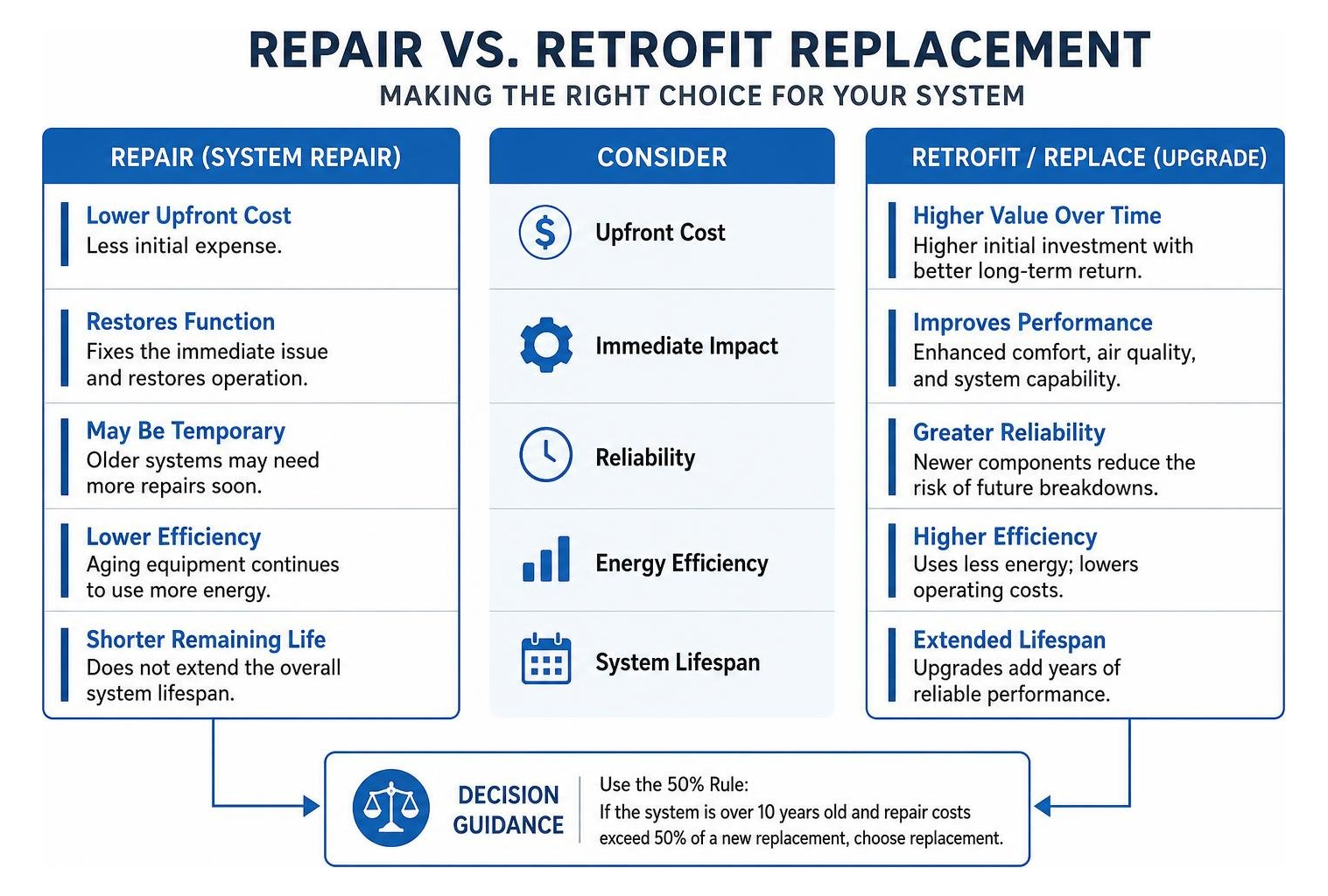
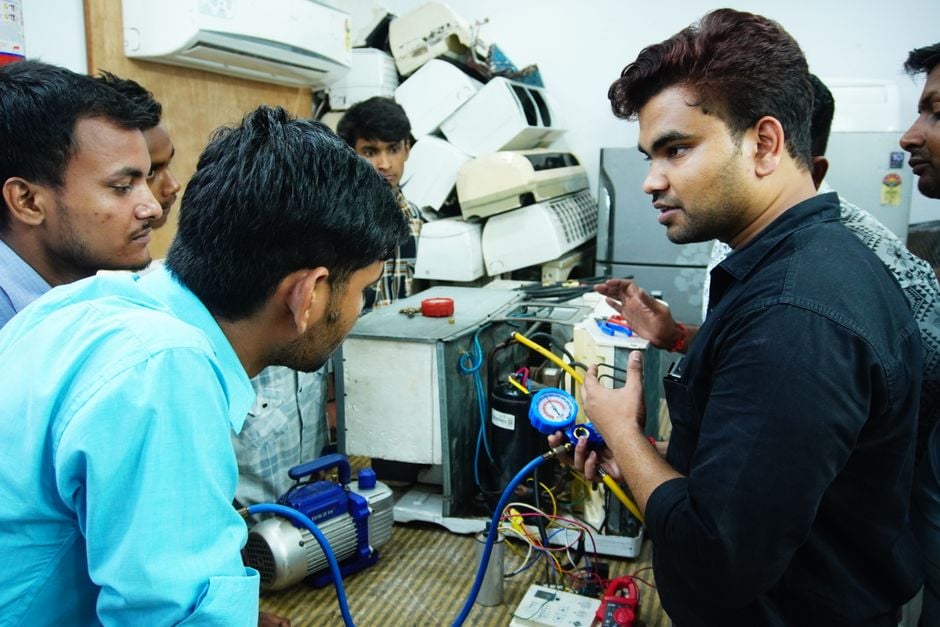 We often advise clients to consider the “50% rule” as a valuable guideline: if an HVAC or water heater unit is over 10 years old and the cost of repair exceeds 50% of the price of a new replacement unit, then replacement is generally the more economically sound decision. This rule helps to avoid throwing good money after bad into an aging system that will likely incur further repair costs and continue to operate inefficiently.
Beyond this rule, a comprehensive lifecycle analysis is essential. This involves assessing not only the upfront cost of repair versus replacement but also the projected operational costs (including energy consumption), potential future repairs, and the expected lifespan of each option.
Here’s a simplified comparison to aid in decision-making:
Evaluating Age, Efficiency, and Long-Term Capital Costs
Several factors weigh heavily in the repair-versus-replace calculus:
- Equipment Lifespan: Most HVAC systems have an average lifespan of 15-20 years, while traditional water heaters last 8-12 years, and tankless units can last up to 20 years. If a system is nearing or has exceeded its expected lifespan, replacement often makes more sense.
- Component Obsolescence: Older systems may use outdated components that are difficult or expensive to source, making repairs prolonged and costly.
- Energy Savings ROI: Modern HVAC and electrical systems, especially those designed with current energy efficiency standards, can offer significant energy savings. The return on investment (ROI) from these savings can often offset a substantial portion of the replacement cost over time. For example, tankless water heaters, while having higher upfront costs due to potential gas line retrofitting and venting adjustments, provide endless hot water and significantly lower monthly energy bills.
- Modern Refrigerants: Older air conditioning units often use refrigerants that are being phased out due to environmental concerns. Replacing these units allows for the adoption of more environmentally friendly and readily available refrigerants.
- Future Capital Costs: Investing in a new, high-efficiency system reduces the likelihood of unexpected breakdowns and costly emergency repairs in the coming years, providing greater financial predictability.
The decision should align with the property owner’s long-term goals for efficiency, reliability, and budgetary planning.
Ensuring Compliance, Safety Certifications, and Preventive Maintenance
For any systems repair or retrofit work in Dublin, VA, ensuring compliance, safety certifications, and regular preventive maintenance are non-negotiable. These elements protect property owners, occupants, and the technicians performing the work. We emphasize that hiring licensed and insured professionals is paramount, as it guarantees adherence to industry standards and local regulations.
Key certifications and compliance considerations include:
- Virginia Department of Professional and Occupational Regulation (DPOR) Licensing: All HVAC and electrical contractors must hold valid Virginia DPOR licenses, ensuring they meet state-mandated competency and ethical standards.
- EPA Section 608 Certification: Technicians handling refrigerants must be EPA Section 608 certified, demonstrating their knowledge of safe refrigerant handling practices and environmental protection regulations.
- OSHA Compliance: Contractors should adhere to Occupational Safety and Health Administration (OSHA) standards to ensure a safe working environment for their employees and prevent accidents on your property.
- Local Building and Plumbing Codes: All work must comply with Pulaski County building and plumbing codes, which dictate installation, repair, and safety requirements. This is especially relevant for projects like tankless water heater installations, which may require specific gas line retrofitting and venting adjustments.
- Bonded and Insured: Verifying that a service provider is bonded and insured protects property owners from liability in case of accidents or damages during service.
- Regular Audits: Reputable companies conduct internal audits to ensure their work consistently meets quality and safety benchmarks.
Preventive maintenance is the cornerstone of avoiding after-hours system failures. By proactively addressing potential issues, property owners can significantly reduce the likelihood of unexpected breakdowns.
Mitigating After-Hours Failures Through Scheduled Maintenance
The best way to avoid a 2 A.M. emergency call is through a robust preventive maintenance program. Regular, scheduled maintenance can identify and rectify minor issues before they escalate into major failures, especially during peak demand periods. Key practices include:
- Seasonal Tune-Ups: Annual or bi-annual inspections and tune-ups for HVAC systems prepare them for the demands of extreme temperatures, optimizing performance and catching wear-and-tear early.
- Predictive Diagnostics: Utilizing advanced tools and techniques to predict potential component failures, allowing for proactive replacement before a breakdown occurs.
- IoT Monitoring: The growing trend of integrating AI and IoT for predictive maintenance in MEP services allows for real-time monitoring of system performance, flagging anomalies that indicate impending issues.
- Sensor Calibration: Ensuring all system sensors are accurately calibrated guarantees the system operates within optimal parameters, preventing inefficiencies and potential overloads.
- Filter Changes: Regular replacement of air filters is crucial for maintaining indoor air quality, system efficiency, and preventing strain on the HVAC unit.
- Electrical Panel Inspections: Routine checks of electrical panels, wiring, and connections can identify loose connections, corrosion, or signs of overheating that could lead to power outages or fire hazards.
By investing in comprehensive preventive maintenance contracts, property owners in Dublin, VA, can significantly extend the lifespan of their systems, improve energy efficiency, and enjoy greater peace of mind, knowing that critical failures are far less likely to occur.
Frequently Asked Questions About Systems Repairs & Retrofits in Dublin, VA
We understand that property owners often have specific questions when facing system malfunctions or considering upgrades. Here, we address some of the most common inquiries regarding 24/7 systems repairs and retrofits in Dublin, VA.
What constitutes an HVAC or electrical emergency requiring 24/7 dispatch?
An HVAC or electrical emergency is any situation that poses an immediate threat to safety, health, property, or critical operations. This includes:
- Total heat loss in freezing temperatures, especially for homes with vulnerable occupants or businesses requiring temperature-sensitive environments.
- Electrical sparking, burning smells, or arcing from outlets, panels, or appliances, indicating a severe fire hazard.
- The presence of toxic fumes, such as a strong gas odor, which requires immediate evacuation and professional intervention.
- Active water leaks from HVAC units or water heaters that cannot be contained and are causing property damage.
- Mysterious or persistent breaker tripping that indicates an underlying electrical fault.
- Total loss of power or significant partial power loss that disrupts essential services or business operations.
These scenarios warrant immediate dispatch to minimize downtime, protect assets, and maintain comfortable, safe environments.
How does the 50% rule apply to commercial systems replacement decisions?
The “50% rule” is a widely accepted guideline for determining whether to repair or replace an aging system. It suggests that if an HVAC or water heater unit is over 10 years old and the estimated cost of repair exceeds 50% of the cost of a new replacement unit, then replacing the system is generally the more cost-effective decision in the long run.
For commercial systems, this rule is particularly relevant because downtime and inefficiency can have significant financial implications. Beyond the immediate repair cost, factors like energy efficiency gains from a new unit, reduced likelihood of future breakdowns, and improved reliability contribute to the total cost of ownership. A new, high-efficiency system often offers a faster return on investment through lower operational costs and enhanced performance compared to continuously repairing an outdated, inefficient unit.
Which certifications should be verified before hiring an emergency technician in Virginia?
When hiring an emergency technician for HVAC or electrical services in Virginia, verifying specific certifications and credentials is crucial for ensuring safety, quality, and compliance. Key certifications and qualifications to look for include:
- Virginia DPOR Licensing: Ensure the technician and their company hold valid licenses from the Virginia Department of Professional and Occupational Regulation (DPOR) for the specific services they provide (e.g., HVAC contractor, electrician).
- EPA Section 608 Certification: For HVAC technicians, this certification is mandatory for handling refrigerants, indicating compliance with environmental regulations.
- Bonded and Insured: Verify that the company is fully bonded and insured. This protects you from liability in the event of property damage or injury during service.
- NATE Certification (North American Technician Excellence): While not legally required, NATE certification is a voluntary, industry-recognized credential that demonstrates a technician’s advanced knowledge and skills in HVAC.
- Master Electrician/Journeyman Electrician License: For electrical work, ensure the technician holds the appropriate state-issued license.
- Code Compliance Knowledge: Technicians should be knowledgeable about local Pulaski County building and electrical codes to ensure all work meets safety and regulatory standards.
- BBB A+ Rating: A strong rating from the Better Business Bureau (BBB) can indicate a company’s commitment to customer service and ethical business practices.
Always ask for proof of these credentials and check references to ensure you are hiring a credible and competent professional.
Conclusion: Sustaining Long-Term Operational Continuity
In Dublin, VA, and across the New River Valley, the demands on HVAC and electrical systems are constant, often intensified by local climate conditions. Ensuring 24/7 systems repairs & retrofits support is not just about fixing problems when they arise; it’s about safeguarding operational continuity, protecting investments, and maintaining comfortable, safe environments for both residential and commercial properties.
We believe in a proactive approach that combines immediate, expert emergency response with strategic, forward-thinking retrofits and diligent preventive maintenance. By understanding the key warning signs of system failure, recognizing the impact of local climate, and making informed decisions about repair versus replacement, property owners can build more resilient infrastructure. Partnering with licensed, certified, and experienced professionals who prioritize safety and compliance is the cornerstone of this strategy. Through smart planning and continuous care, we can ensure that your critical systems are always ready, keeping your operations running smoothly, day and night, year after year.