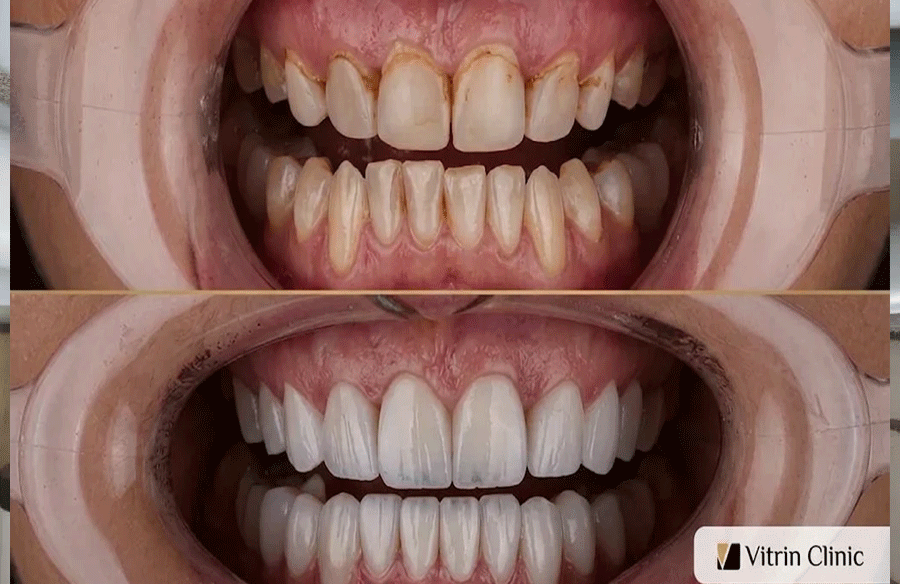
Turkey veneers are custom-made ceramic restorations designed to improve the visible surfaces of natural teeth. They can change tooth colour, shape, size and proportions. Their suitability depends on enamel condition, gum health, bite alignment and individual aesthetic goals.
Patients considering turkey veneers often compare materials, treatment prices and expected results. However, choosing the correct restoration requires more than comparing photographs or package prices. A clinical examination helps determine whether veneers are appropriate. It also identifies problems requiring treatment before cosmetic procedures begin.
This guide explores ceramic materials, treatment stages, clinical considerations, international packages and potential limitations.
Key Takeaways
- Turkey veneers can improve tooth colour, shape, size, and proportions, but suitability depends on enamel, gum health, and bite function.
- Porcelain, E-max, and zirconia offer different aesthetic and mechanical properties. Material selection should follow clinical examination.
- Veneer treatment involves smile planning, possible tooth preparation, laboratory fabrication, and final bonding.
- Conventional veneer preparation can permanently remove enamel. No-preparation options are suitable only for selected cases.
- Vitrin Clinic’s published starting prices include $175 for zirconia veneers, $225 for E-max, and $250 for no-preparation veneers.
- Vitrin’s 16 E-max package is listed at 3,600–4,000, including hotel accommodation and transfers.
- Long-term results depend on careful planning, oral hygiene, bite protection, and regular dental reviews.
What Are Dental Veneers and How Do They Work?
Dental veneers are thin, custom-made restorations bonded to the front surfaces of selected teeth. They improve visible imperfections while preserving more tooth structure than conventional full-coverage crowns in suitable cases.
The dentist evaluates the tooth before deciding how much preparation is necessary. A laboratory manufactures the restoration according to the prescribed shape, thickness and shade. The finished veneer is then bonded using an appropriate dental adhesive.
Veneers generally cover the front surface rather than the entire tooth. However, their preparation requirements vary according to individual dental conditions.
Which Types of Dental Veneers Are Available at Vitrin Clinic ?
The main ceramic options for turkey veneers include porcelain, E-max and zirconia. Each material has different optical properties, strength characteristics and requirements.
1. Porcelain Veneers
Porcelain veneers are custom-made ceramic shells designed for visible front teeth. They can improve persistent discoloration, minor shape differences and small gaps. Their appearance depends on ceramic selection, thickness and laboratory craftsmanship. Appropriate preparation is important for long-term performance.
2. E-max Veneers
E-max veneers use lithium disilicate glass-ceramic. This material offers translucency and can reproduce natural-looking tooth characteristics. Dentists may consider E-max for anterior teeth requiring detailed shade matching. Its suitability depends on available enamel, restoration thickness and bite conditions.
3. Zirconia Veneers
Zirconia is a ceramic material known for its mechanical strength. Certain formulations can help mask underlying discoloration. However, zirconia is not automatically the best choice for every patient. Its optical properties and requirements differ from glass-ceramics. Important distinction: Zirconia veneers and zirconia crowns are different restorations. Crowns cover more of the tooth. The dentist should explain the proposed restoration and preparation requirements.
Porcelain vs E-max vs Zirconia: Which Material Is Different?
Each material offers different characteristics, so selection should follow clinical examination rather than price alone.
| Feature | Porcelain | E-max | Zirconia |
| Material | Dental ceramic | Lithium disilicate | Zirconium dioxide |
| Appearance | Natural | Highly translucent | Varies by formulation |
| Strength | Depends on ceramic | Strong glass-ceramic | High mechanical strength |
| Main advantage | Aesthetic versatility | Natural light transmission | Mechanical strength |
| Main consideration | Design and thickness | Enamel bonding | Opacity and bonding |
| Typical application | Selected aesthetic cases | Suitable anterior teeth | Selected restorative situations |
Who Is a Suitable Candidate for Turkey Veneers?
Suitable candidates generally have healthy teeth, stable gums and realistic expectations. Their teeth should provide adequate support for reliable bonding.
Potential indications include:
- Persistent intrinsic tooth discoloration.
- Minor irregularities in tooth shape.
- Small gaps between selected teeth.
- Chipped or worn enamel.
- Minor differences in tooth proportions.
- Selected aesthetic alignment concerns.
When Might Veneers Not Be Appropriate?
Patients with untreated decay, active gum disease or insufficient enamel may need alternative treatment.
Severe crowding may require orthodontic treatment first. Significant bite problems also require careful evaluation. Heavy grinding can increase fracture risks.
A dentist should evaluate the underlying condition before recommending cosmetic restoration.
How Are Turkey Veneers Prepared and Fitted?
The treatment involves examination, smile planning, tooth preparation, laboratory fabrication and final bonding. The exact sequence depends on individual clinical requirements.
Step 1: Dental Examination and Smile Planning
The dentist examines teeth, gums, existing restorations and bite relationships. Photographs and digital scans can help document tooth proportions. Digital Smile Design may support communication about proposed changes. However, digital previews cannot guarantee the final appearance.
Step 2: Tooth Preparation
Preparation involves modifying the tooth surface when clinically necessary. The amount removed depends on restoration design and available space. Minimal-preparation approaches may preserve more enamel in suitable cases. However, no-preparation treatment is not appropriate for everyone.
Step 3: Digital Scanning and Laboratory Design
Digital scans or conventional impressions record the prepared teeth. The laboratory uses these records to manufacture custom ceramic restorations. Shade selection considers neighbouring teeth, facial proportions and patient preferences. The dentist also evaluates shape, symmetry and bite contacts.
Step 4: Temporary Restorations When Needed
Temporary restorations may protect prepared teeth during laboratory fabrication. They can also help patients adapt to proposed tooth shapes. Not every treatment plan requires identical temporary arrangements. Their use depends on preparation and clinical circumstances.
Step 5: Final Veneer Bonding
The dentist checks fit, shade, margins and contact points before bonding. Each restoration is positioned using an appropriate adhesive protocol. Final adjustments help establish comfortable bite relationships. The dentist should explain aftercare before the patient leaves.
Learn more about: full mouth veneers Turkey
Why Do Patients Choose Veneers in Turkey, and What Should They Consider?
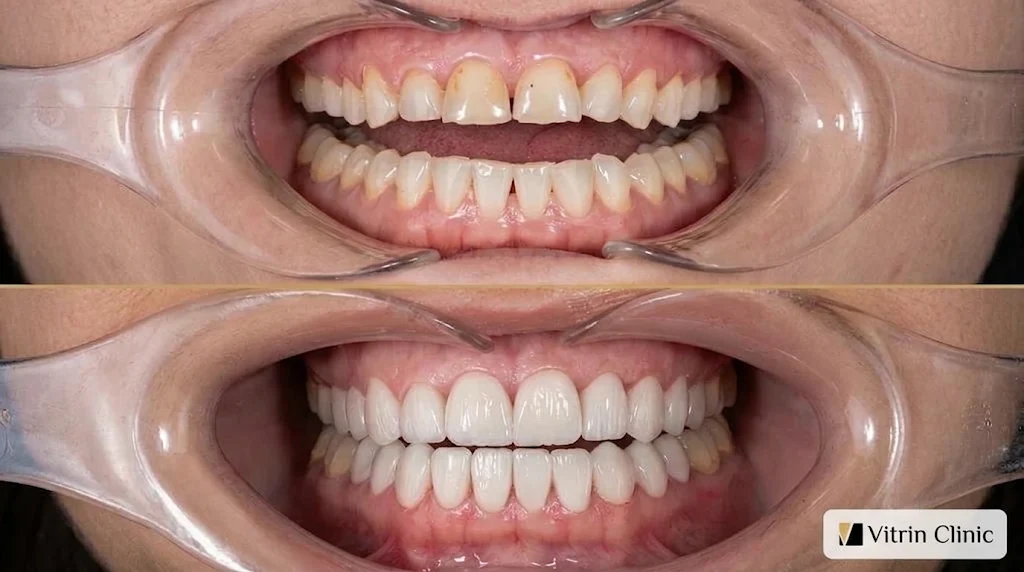
Veneers can transform the visible appearance of teeth when treatment is carefully planned. They offer several aesthetic advantages, but patients should understand the limitations before proceeding.
Potential benefits include:
- A more balanced smile: Veneers can improve tooth colour, shape, size and proportions.
- Personalised aesthetics: Each restoration can be designed to complement neighbouring teeth and facial features.
- Natural-looking ceramic: Selected materials reproduce the light reflection and appearance of natural enamel.
- Stain resistance: Ceramic surfaces generally resist staining better than natural enamel.
- Targeted improvements: Treatment can focus on selected teeth rather than covering the entire smile.
- Consistent results: Multiple veneers can create more harmonious tooth proportions.
However, veneers are not suitable for every patient. Important considerations include:
- Permanent enamel removal: Conventional preparation may irreversibly remove healthy tooth structure.
- Sensitivity: Some patients experience temporary sensitivity to hot or cold.
- Ceramic damage: Veneers can chip, crack or become detached under excessive biting forces.
- Gum irritation: Poorly designed margins or plaque accumulation can affect surrounding gum tissue.
- Future replacement: Veneers may eventually require repair or replacement, creating additional costs.
- Underlying decay: Natural teeth remain vulnerable to decay around veneer margins.
The best treatment balances aesthetic improvements with tooth preservation, healthy gums and long-term function.
 What Are the Possible Veneer Complications and How Can You Prevent Them?
Some patients experience mild sensitivity or gum tenderness after veneer preparation and bonding. Other complications may include ceramic damage, failure or decay around restoration margins.
Common concerns include:
- Tooth sensitivity: Prepared teeth may react temporarily to temperature changes. Persistent or worsening sensitivity requires dental review.
- Gum irritation: Poorly positioned margins or plaque accumulation can irritate surrounding tissues. Proper restoration design and daily cleaning help reduce this risk.
- Chipping or fracture: Excessive biting forces, teeth grinding and biting hard objects can damage ceramic veneers.
- Veneer detachment: failure may cause a veneer to loosen. A dentist should examine the tooth before attempting reattachment.
- Secondary decay: Natural tooth structure remains beneath the veneer. Inadequate oral hygiene can allow decay to develop around exposed margins.
How can you manage mild discomfort?
- Choose comfortable foods while sensitivity settles.
- Avoid biting hard foods with treated teeth initially.
- Brush gently with a soft toothbrush.
- Clean carefully between your teeth.
- Follow the individual aftercare instructions provided by the treating dentist.
- Arrange a dental review if discomfort persists.
Severe pain, swelling or an uncomfortable bite should not be ignored. Contact the treating dental team for clinical advice.
How Long Do Dental Veneers Last?
Ceramic veneers can remain functional for many years, but their lifespan varies considerably. Material, enamel support, and maintenance all matter.
Long-term clinical research reports favourable survival for several ceramic veneer materials. However, published survival figures cannot guarantee individual results.
What Can Shorten Veneers Lifespan?
- Teeth grinding or clenching.
- Poor oral hygiene.
- Untreated gum disease.
- Frequent biting of hard objects.
- Inadequate or restoration design.
- Accidental trauma.
Can Veneers Be Replaced?
Yes, damaged or worn restorations can sometimes be replaced. However, replacement depends on remaining tooth structure and surrounding tissues.
Repeated replacement may require additional restorative treatment. Patients should discuss long-term maintenance before their initial procedure.
How Should You Maintain Your Veneers?
Proper maintenance helps protect ceramic restorations and the underlying natural teeth. Daily oral hygiene remains essential after treatment.
- Brush twice daily using fluoride toothpaste.
- Clean between teeth every day.
- Attend regular dental examinations.
- Avoid biting fingernails and hard objects.
- Discuss protective appliances if you grind your teeth.
- Report changes in bite comfort or restoration stability.
Ceramic surfaces resist staining, but surrounding natural teeth can still change colour. Professional dental reviews help monitor restoration margins and gum health.
How Much Do Turkey Veneers Cost Compared With the UK and USA in 2026?
The cost of turkey veneers depends on material, number of teeth and treatment requirements. Vitrin Clinic publishes ceramic starting prices from $175 per zirconia veneer and $225 per E-max veneer.
How Much Does Each Veneer Material Cost?
| Material | Tuerky (Vitrin Clinic ) | UK | USA |
| Zirconia | $175 | From $1,060 | 1,100–2,500 |
| E-max | $225 | 670–1,325 | 930–2,440 |
| No-prep / Lumineers | $250 | 900–1,900 | 800–2,000 |
How Much Can You Save With Vitrin Clinic?
The published average UK E-max price is approximately $985 per tooth. Vitrin Clinic’s starting price is $225, creating an indicative difference of $760 per tooth.
For US patients, the published porcelain veneer average is approximately $1,425. Vitrin Clinic’s published E-max starting price is $285, creating an indicative difference of $1,140 per tooth.
Illustrative savings based on published starting prices and national averages. Final quotations and material specifications may differ.
Vitrin Clinic vs UK and USA: Eight E-max Veneers
| Cost comparison | Tuerky (Vitrin Clinic ) | UK | USA |
| Eight veneers | $1,800 | $7,880 | $11,400 |
| Estimated saving | $1,800 | $6,080 | $9,600 |
| Potential saving percentage | 100% | 77.2% | 84.2% |
Calculation notes:
- UK: 8 × $985 = $7,880. The estimated savings compare the UK benchmark with Vitrin Clinic’s total package price of $1,800. The indicative difference is $6,080, or 77.2%.
- USA: 8 × $1,425 = $11,400. Using Vitrin Clinic’s $225 starting price per veneer, eight veneers would cost $1,800. The indicative difference is $9,600, or 84.2%.
How Much Does a Full Set of 16 E-max Veneers Cost?
Vitrin Clinic offers a 16-tooth E-max veneer package priced between $3,600 and $4,000. The package includes hotel accommodation and transfers.
16 E-max Veneers: Price Comparison
| Price detail | Tuerky (Vitrin Clinic ) | UK | USA |
| Price per tooth | From $225 | $985 | $1,425 |
| Cost for 16 veneers | 3,600–4,000 | $15,760 | $22,800 |
| Estimated saving | 3,600–4,000 | 11,760–12,160 | 18,800–19,200 |
| Potential saving percentage | 100% | 75–77% | 82–84% |
Calculation notes:
- UK: 16 × $985 = $15,760. The estimated savings compares this individual-tooth benchmark with Vitrin Clinic’s package price.
- USA: 16 × $1,425 = $22,800. Using Vitrin’s $285 E-max starting price, 16 veneers would cost $4,560. The indicative difference is $18,240, or 80%.
What Are Vitrin Clinic’s Published Veneer Packages?
Vitrin Clinic publishes several ceramic package options for international patients.
| Package | Price | Published inclusions |
| 20 zirconia veneers | $3,500 | Seven hotel nights, flights and transfers |
| 24 zirconia veneers | $4,200 | Advertised all-inclusive package |
| 16 E-max veneers | $3,600–$4,000 | Hotel accommodation and transfers |
How Much Do No-Preparation Veneers Cost?
Vitrin Clinic publishes no-preparation veneer prices starting from $250 per tooth. However, a separate full-set package price is not specified in the published price guide.
No-preparation treatment is suitable only for selected patients. The dentist must confirm whether sufficient space exists without creating bulky restorations.
What Else Can Affect Your Final Veneer Cost?
The final quotation depends on more than the advertised price. Consider these factors:
- Number of teeth requiring restoration.
- Selected ceramic material and laboratory requirements.
- Existing fillings or damaged tooth structure.
- Additional gum treatment or restorative procedures.
- Examinations, digital imaging and temporary restorations.
- Accommodation, flights and transportation arrangements.
Published prices are estimates rather than guaranteed treatment quotations. Request a written, itemised plan before confirming your travel arrangements.
How to Choose the Right Dental Clinic for Veneers in Turkey
Choosing a clinic requires checking clinical standards, dentist qualifications and treatment transparency.
Consider these points before committing:
- Verify the treating dentist’s professional registration.
- Ask about experience with ceramic veneer restorations.
- Request an appropriate clinical examination and imaging.
- Confirm the exact restoration material.
- Understand how much enamel preparation is planned.
- Request a written, itemised treatment plan.
- Clarify who provides follow-up after returning home.
For international patients, also verify the clinic’s authorization and arrangements for managing complications after travel.
Is Travelling to Turkey for Veneers Financially Worthwhile?
Travelling to Turkey may reduce the overall cost of extensive ceramic treatment. However, patients should compare the complete travel budget rather than treatment prices alone.
Include flights, accommodation, meals, local transportation and possible additional dental procedures. Compare the total with private treatment costs in your home country.
Also consider follow-up arrangements and access to dental care after returning home. Lower initial costs should never replace clinical suitability and informed consent.
Why Choose Vitrin Clinic for Your Veneer Treatment Planning?
Vitrin Clinic provides international patients with preliminary treatment discussions and individualised dental planning. The process begins by understanding dental conditions and aesthetic objectives.
The clinical team considers tooth structure, gum health and bite relationships before discussing suitable restorations. Clinical examinations and digital dental X-rays may support diagnosis when appropriate.
Digital photographs and existing dental records can support preliminary discussions before travelling. However, photographs cannot replace an in-person examination.
Clinical Note: Dr. Rifat Alsaman’s Clinical Perspective
Dr. Rifat Alsaman, Head of the Medical Team at Vitrin Clinic, emphasises the importance of individual clinical planning. Preserving healthy tooth structure should remain an important consideration during cosmetic treatment.
Veneer selection should follow an examination of enamel, existing restorations and bite function. Patients should understand the differences between veneers and crowns before consenting.
Editorial note: This clinical perspective should receive Dr. Rifat’s approval before being presented as his direct professional opinion.
How Does Vitrin Clinic Coordinate Treatment for International Patients?
Planning an international dental journey requires clear communication before travel. Vitrin Clinic can review available photographs and dental records during preliminary discussions.
The final treatment plan depends on examination findings after arrival. Patients should receive an itemised estimate explaining restorations, additional procedures and possible costs.
The team can also discuss appointment schedules, hotel accommodation and transportation arrangements. Before travelling home, patients should receive appropriate aftercare instructions and follow-up information.
What We Notice Clinically When Planning Veneers
Clinical planning involves more than selecting a shade. Tooth proportions, enamel thickness and gum symmetry influence restoration design.
Existing fillings and previous dental procedures may affect conditions. Bite contacts also matter, especially when patients have grinding habits.
A digital smile preview can support communication. However, the final restoration must remain compatible with dental function.
The priority is balancing appearance, tooth preservation and long-term oral health.
Are Turkey Veneers the Right Choice for Your Smile?
Choosing veneers should involve more than comparing materials or advertised prices. The most important consideration is whether treatment preserves dental health while addressing individual concerns. Before choosing a treatment package, discuss enamel preservation, bite function, gum health and future maintenance with your dentist. A suitable plan should explain available options, limitations and potential complications.
FAQs
Are Veneers in Turkey Worth the Investment?
They may be worth considering when treatment is clinically appropriate and properly planned. Patients should compare dentist qualifications, material quality, package inclusions and aftercare arrangements. The lowest quotation should not determine the decision. A detailed clinical plan is more important than package price alone.
How Many Veneers Do You Actually Need for a Complete Smile?
The number depends on smile visibility, tooth proportions and individual aesthetic goals. Some patients need two restorations, while others may require six, eight or more. The dentist should determine the appropriate number after examining the smile and bite. Treating healthy teeth unnecessarily should be avoided.
Does Getting Veneers Mean Shaving Down Your Natural Teeth?
Preparation depends on tooth position, shape and existing condition. Some cases require minimal enamel removal, while others need more preparation. Removing enamel is generally irreversible. Ask your dentist to explain the planned preparation for every tooth.
Can You Get Veneers Without Removing Enamel?
No-preparation options exist, but they are suitable only for selected patients. Existing tooth positions and available space influence their suitability. Adding ceramic thickness without sufficient space can create bulky-looking teeth. Your dentist should explain whether minimal preparation is more appropriate.
Can Ceramic Veneers Look Like Natural Teeth?
Yes, appropriately designed ceramic restorations can reproduce natural-looking tooth characteristics. Shade, translucency, proportions and gum symmetry all influence appearance. Communication between the dentist and laboratory is important. Discuss your preferred appearance before fabrication.
Are Veneers Permanent or Will You Need Replacements?
Traditional ceramic veneers are generally irreversible when enamel has been removed. They may require replacement if damaged or worn. Replacement does not necessarily mean repeating the original procedure. Remaining tooth structure determines future treatment options.
Can You Eat Normally After Veneer Treatment?
Most patients can gradually return to their usual diet after treatment. Avoid using restored teeth to bite extremely hard objects. Follow the dentist’s instructions during initial recovery. Regular hygiene and dental reviews remain important.
How Can You Keep Your Veneers Looking Their Best?
Brush twice daily, clean between teeth and attend regular dental examinations. Avoid biting hard objects and discuss protective appliances if you grind your teeth. Good maintenance helps protect both restorations and underlying teeth. Ceramic restorations still require lifelong attention to oral hygiene.