Kid-related storage problems tend to grow quietly over time. What starts with a stroller, a few toys, and some extra clothing often expands into sports equipment, bikes, seasonal gear, backpacks, scooters, helmets, activity bins, and oversized outdoor items that slowly begin taking over garages, hallways, closets, and shared living spaces.
The challenge for many families is not necessarily owning too much gear. In many homes, the bigger issue is that children’s items constantly move between activities, rooms, vehicles, and storage areas throughout the week. Once routines become busier, even organized homes can start feeling crowded much faster than parents expect.
Entryways Usually Become Cluttered First
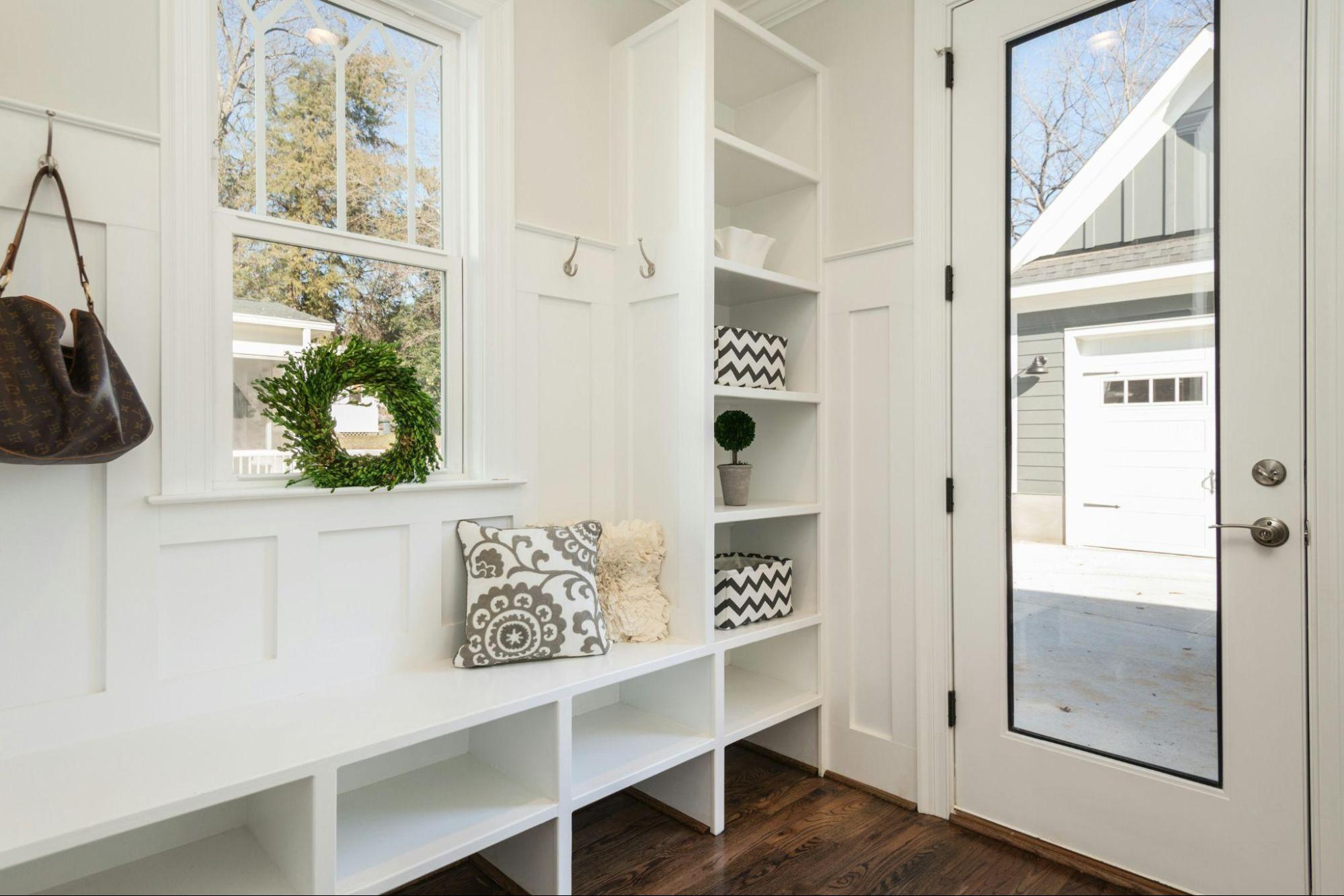
One of the first areas families notice becoming overcrowded is the main entryway. Shoes, helmets, backpacks, jackets, sports bags, scooters, and outdoor toys naturally collect near the door because children use them constantly throughout the day.
The problem develops gradually because items are often placed temporarily after school, activities, or weekend outings. Over time, temporary piles become permanent clutter that spreads into nearby hallways, mudrooms, or living areas.
Many parents realize the space issue only after routines start feeling more stressful because basic items become harder to find during busy mornings or rushed after-school schedules.
Garage Space Disappears Faster Than Expected
Garages often become the default storage solution for larger kid gear once indoor closets and cabinets begin filling up. Bikes, ride-on toys, wagons, sports equipment, scooters, camping supplies, and seasonal outdoor items gradually spread across walls and floor space throughout the year.
The challenge is that many of these items are used frequently enough that storing them deep inside crowded areas becomes inconvenient. Families often continue stacking equipment temporarily until the garage itself becomes difficult to move through comfortably.
In homes where outdoor gear constantly rotates between daily activities and storage, systems from https://wheekeep.com/ sometimes become part of larger organization efforts simply because families need easier ways to keep bulky wheeled equipment accessible without overwhelming shared storage spaces.
Seasonal Gear Creates Ongoing Rotation Problems
 Children’s storage needs constantly change throughout the year. Winter coats, snow gear, summer sports equipment, beach supplies, school items, and holiday-related activities all rotate in and out of active use depending on the season.
The difficulty comes from managing what stays accessible and what should be stored away temporarily. Many families keep too many seasonal items within reach simply because reorganizing everything repeatedly feels exhausting during already busy schedules.
As a result, storage areas slowly become overcrowded with gear from multiple seasons at once, making it harder to locate the items currently needed most often.
Toys and Activity Supplies Spread Across Multiple Rooms
Children’s belongings rarely stay contained in one dedicated area of the house. Toys, art supplies, games, books, craft materials, and activity equipment naturally move between bedrooms, living rooms, kitchens, play areas, and outdoor spaces throughout the week.
This creates clutter that feels constant even when individual items are relatively small. Families often spend more time moving things from room to room than actually reducing the overall amount of visible clutter throughout the house.
The problem usually becomes more noticeable as children grow older because activities become larger, more specialized, and tied to busier schedules outside the home.
Storage Systems Often Stop Matching Daily Routines
Many storage setups work well initially but become less practical once children’s routines change. Bins, shelves, baskets, and closets may technically hold everything, yet daily life still feels disorganized because frequently used items remain difficult to access quickly.
Parents often realize that storage problems are less about available space and more about how well systems match real household habits. Gear that constantly gets left out usually signals that existing storage no longer fits the pace of everyday routines.
Homes tend to feel more manageable when frequently used items stay easy to grab, return, and organize without requiring major cleanup every evening.
Families Usually Need Flexible Storage More Than Perfect Organization
Most families eventually discover that perfectly organized spaces rarely stay perfect for long once children’s schedules become busy. Sports practices, school events, outdoor activities, travel, and seasonal changes constantly reshape how gear moves throughout the home.
The most functional storage systems are usually the ones flexible enough to adapt as routines shift over time. Families often experience less stress when an organization focuses on keeping high-use items manageable rather than trying to maintain completely spotless storage areas every day.
Kid gear rarely becomes overwhelming because of one large purchase alone. More often, the clutter builds gradually through everyday routines that continue adding new equipment faster than older storage systems can realistically keep up with.