Creative workspaces often appear energetic and productive from the outside, but many of the biggest workflow problems develop quietly through small operational issues that interrupt focus throughout the day. Delayed printing, cluttered workstations, disorganized supplies, inconsistent equipment maintenance, and repeated technical interruptions gradually slow projects down long before teams recognize how much efficiency they are losing.
The challenge is that creative environments depend heavily on momentum. Designers, editors, illustrators, photographers, marketers, and production teams usually work best when tools, materials, and systems remain accessible without constant interruption. Once smaller operational problems begin stacking together, creative energy often gets redirected toward troubleshooting instead of actual project work.
Printer Problems Interrupt More Creative Work Than Expected
Many creative teams still rely heavily on printed drafts, packaging mockups, proofs, client materials, shipping labels, presentation boards, and production references during everyday workflows. Even highly digital environments usually depend on physical printing more than people initially realize.
Because of this, printer issues tend to create immediate workflow disruptions. Running out of ink unexpectedly, dealing with faded output, troubleshooting cartridge errors, or fixing paper jams often interrupts project momentum during busy deadlines. In shared creative spaces, even small printer delays can affect multiple people simultaneously.
Teams managing recurring print problems sometimes revisit guides like how to replace an ink cartridge after realizing repeated cartridge issues are slowing production more than expected during high-volume work periods.
Small operational interruptions often become much more frustrating in environments built around tight creative timelines.
Cluttered Workstations Gradually Reduce Efficiency
Creative workspaces naturally collect materials quickly. Sketches, notes, cables, tools, packaging samples, cameras, chargers, cutting supplies, paper stock, and unfinished project materials tend to spread across desks throughout the day.
The issue usually develops slowly because active projects constantly move between stages. Temporary piles become permanent storage, frequently used tools lose consistent placement, and shared surfaces gradually disappear beneath ongoing work. Eventually, employees spend more time searching for supplies or reorganizing space before tasks can continue smoothly.
What starts as manageable creative chaos often turns into operational friction once clutter begins interrupting workflow consistency regularly.
Small Technical Delays Break Creative Momentum
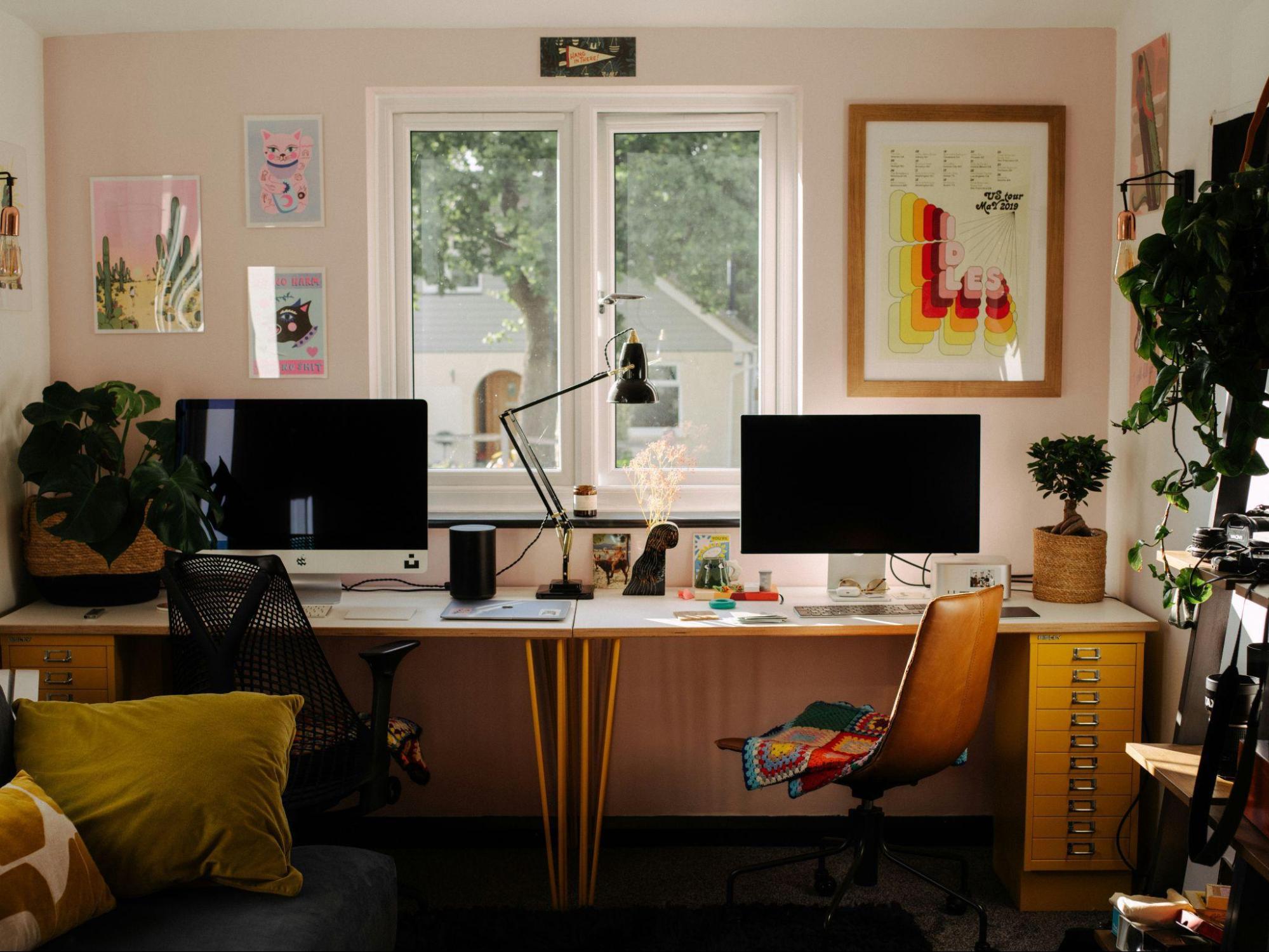 Creative work often depends on uninterrupted focus for long periods. Slow file transfers, unstable internet connections, outdated software, syncing errors, low storage warnings, or device compatibility problems may seem minor individually, but repeated interruptions can significantly affect productivity throughout the day.
The problem becomes especially noticeable during collaborative projects where delays impact multiple people at once. Waiting for exports, reconnecting devices, restarting equipment, or troubleshooting shared systems repeatedly breaks concentration that may have taken hours to build initially.
In many creative environments, operational smoothness matters almost as much as talent or equipment quality because momentum itself drives productivity.
Supply Organization Usually Determines Workflow Speed
Creative teams often underestimate how much supply organization affects efficiency. Markers, cutting tools, adhesives, paper stock, batteries, storage drives, chargers, cables, labels, and specialty materials tend to become scattered once several projects run simultaneously across the workspace.
Without clear systems, employees repeatedly interrupt work to locate missing items or reorder supplies already sitting somewhere else in the office. The delays rarely appear dramatic on their own, but they gradually slow production across entire teams over time.
Studios and agencies that maintain smoother workflows usually rely on smaller operational systems that prevent everyday materials from becoming difficult to access during active projects.
Equipment Maintenance Problems Build Quietly
Creative workspaces often rely on printers, cameras, cutting machines, tablets, lighting equipment, scanners, and editing stations operating continuously throughout the week. Small maintenance issues rarely stop production immediately, which makes them easy to postpone during busy periods.
Over time, however, neglected equipment begins creating recurring slowdowns through calibration problems, poor output quality, overheating, connection instability, or inconsistent performance. Employees gradually adapt by troubleshooting around the problems instead of resolving them directly.
Eventually, those adjustments become part of the workflow itself, quietly reducing productivity while increasing frustration throughout the workspace.
Creative Environments Usually Depend on Operational Stability
Many people think creative productivity depends mostly on inspiration or talent, but operational stability often plays a much larger role than expected. Organized workspaces, reliable equipment, accessible supplies, and uninterrupted systems help creative teams maintain momentum without constantly losing time to avoidable distractions.
The biggest workflow slowdowns rarely come from one major failure alone. More often, they develop gradually through smaller operational details that interrupt concentration, delay projects, and reduce efficiency a little more each day until the entire workspace begins feeling harder to manage consistently.