Walk into any trendy café, busy restaurant, or modern retail store today, and you’ll spot a clear shift in interior design goals. Beyond practical use, comfort and space layout, shop owners now build spaces specially made to look great for Instagram: attractive, well-matched in style and easy for guests to post photos online. What used to be an unexpected nice-looking room has turned into a widely-used design trick across the globe. Photo-friendly interiors have changed food and shopping businesses entirely, turning ordinary store visits into popular online content chances and helping regular shoppers spread the brand for free on social apps.
At its core, a photo-ready shop interior is more than just a pretty background. It is planned carefully with easy-to-feel decor and planned visiting routes. Every surface material, lamp, decoration and color is set to lead guests through an immersive viewing experience that feels special and worth sharing online. Old-style store design only focused on finishing deals: grabbing a quick coffee, having dinner or buying daily goods. New social-media-first design turns these simple tasks into unforgettable happy moments, focusing on visual stories that connect with young online users.
The key to these widely-shared spaces lies in carefully planned small design details. Layered lighting acts as the base of every photo-friendly room. Soft main lights, warm focused spotlights and natural daylight avoid dark uneven shadows, so every phone picture or short clip looks bright and neat. Alongside smart lighting, designers mix different easy-to-touch surfaces: rough concrete floors balance warm lined wooden wall panels, while smooth painted walls pair with bumpy 3D decor. Mixed textures add depth to rooms, stopping dull flat-looking photos and letting every snapshot look clean and stylish.
To hold together the whole visual vibe, popular shops and cafes build fixed photo spots and eye-catching center decorations. These set places for pictures save guests from hunting for good backdrops and give ready-to-shoot pretty backgrounds so people easily take photos to post online. Rather than walking around with no plan, guests follow an easy visual route: they pass standout decor near the door, view main center decorations, and finish their trip at a great spot for photos. This smooth visiting path turns regular guests into people who make online posts, bringing free and real online promotion for the business.
A group of classic decor styles have become top picks for viral shop design across global eateries and retail spaces, with each option bringing its own unique character.
Halo of Plants: Ethereal Botanical Atmosphere
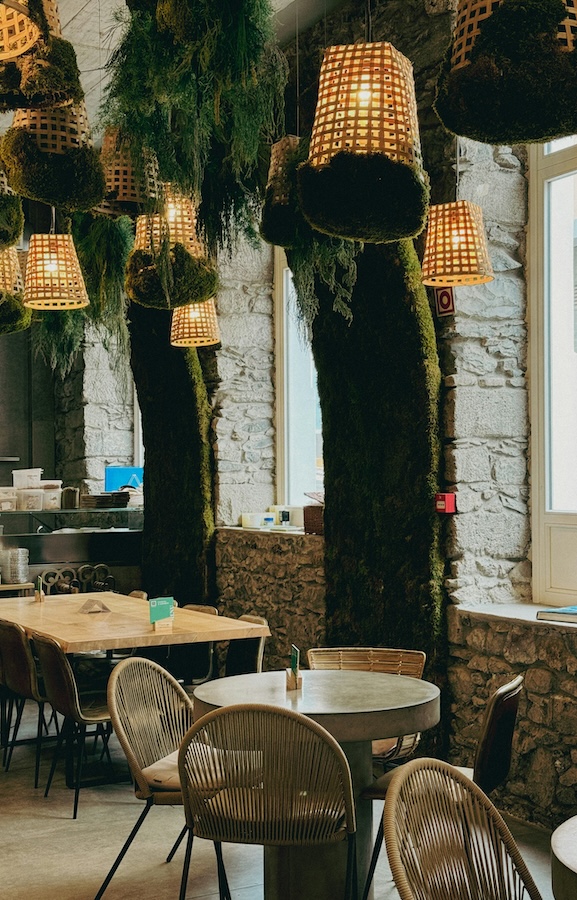
The halo of plants uses thick, multi-layered green plants hanging from ceilings, covering wall sides or wrapping around seat areas. These plant-made arches fill indoor spaces with fresh, relaxing air and calm feelings, softening cold modern industrial decor and creating dreamy, light-filled scenes that perform extremely well on Instagram feeds.
Custom Neon Signage: Personalized Glowing Brand Identity
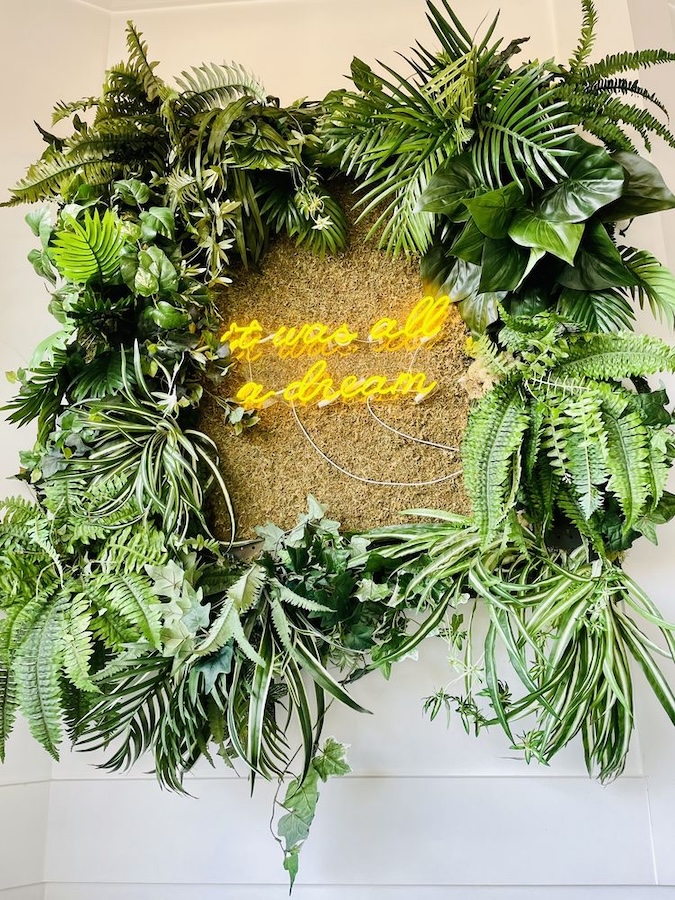 Custom neon light signs never go out of style for brand building and visual charm. Unlike cheap printed posters, tailor-made glowing neon pieces carry fun short sayings, store logos or simple art lines and send out warm, nostalgic shine. They fit perfectly for dim evening café hours and dark restaurant dining rooms, adding unique personality to blank walls and creating iconic photo backdrops people link directly to certain shops.
Bold Patterned Wallpaper & Statement Mirrors: Visual Depth and Space Expansion
Bright patterned wallpaper and oversized eye-catching mirrors change plain rooms quickly. Detailed geometric prints, old-fashioned flower designs or soft abstract wallpaper add bright color and lively energy to neutral-toned rooms, bringing character without making the space look crowded. At the same time, big sculpted or frameless mirrors do more than wall decoration: they make rooms look bigger, reflect layered lights and green plants, and create rich layered photos that feel fancy and one-of-a-kind.
 Floral Installations: Romantic and Seasonal Premium Focal Points
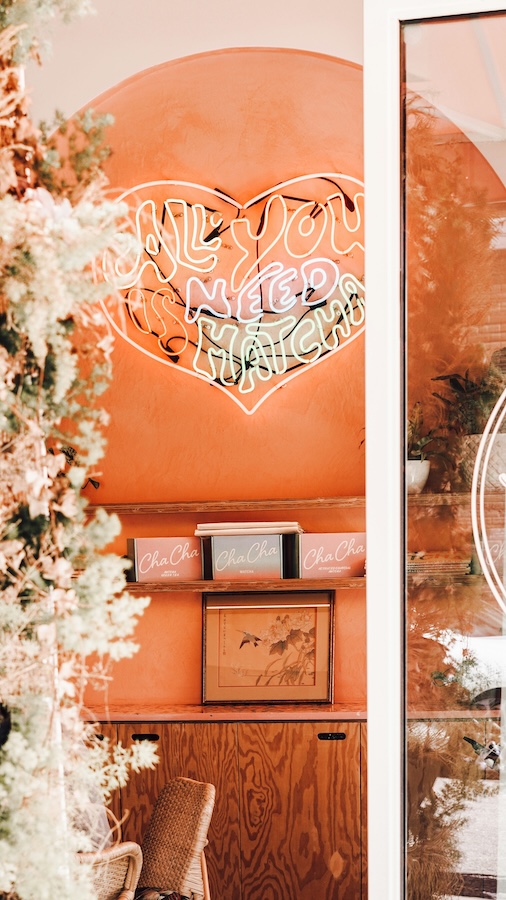
Step above basic potted greenery, large-scale floral setups turn into high-end center decor for fancy coffee shops and small boutique stores. Hanging flower walls, dropping flower ropes and season-changing fresh flower displays bring sweet warmth and exclusive feelings indoors. Owners swap out flower arrangements with each new season, giving customers new photo reasons to come back and create fresh online content all year long.
Polaroid Photo Booths: Interactive Retro Social Experience
For brands wanting longer guest stays and more customer interaction, in-store Polaroid photo booths turn into fan favorites. Mixing old-school instant photo fun with modern online sharing trends, these booths let visitors keep physical printed photos and save digital copies to post on Instagram Stories or feeds. They make guests linger longer inside shops, build warm emotional ties with brands and produce unique online posts that stand out from ordinary social media content.
The commercial benefits of photo-focused interior design deserve full attention. In a market flooded with paid online ads, customer-made posts become the most believable advertising method. Every Instagram picture, short reel or user story works as free word-of-mouth ads, reaching hundreds of nearby possible buyers without extra marketing fees. Shops with iconic shareable decor welcome more walk-in customers, build stronger brand fame and gather steady regular crowds; visitors return not only for food or goods, but for the special in-person experience they can show off online.
 Still, the fast growth of Instagram-focused interior design also sparks useful industry discussions. Some critics point out that over-chasing pretty decor may drag down core service quality: a small number of store owners spend too much money on photo-friendly decor but ignore food taste, product quality or basic guest comfort. Even so, long-running successful businesses strike a smart balance. They treat photo-ready design as a helpful extra instead of a full replacement for core strengths. Nice-looking decor draws first-time drop-ins, while tasty meals and solid goods turn one-time photo takers into repeat loyal buyers.
As social media continuously changes how people shop and dine, photo-targeted interior design will keep dominating commercial space trends. It connects offline real-life visits with online community building, linking physical store space to digital sharing culture. For café operators, restaurant owners and retail interior designers, the secret to future success is building genuine, multi-layered and interactive spaces. By mixing easy-to-enjoy sensory design with popular photo-friendly decor elements, business owners turn every single customer’s visit into shareable online stories, earning free natural growth and long-lasting charm amid fierce market competition.