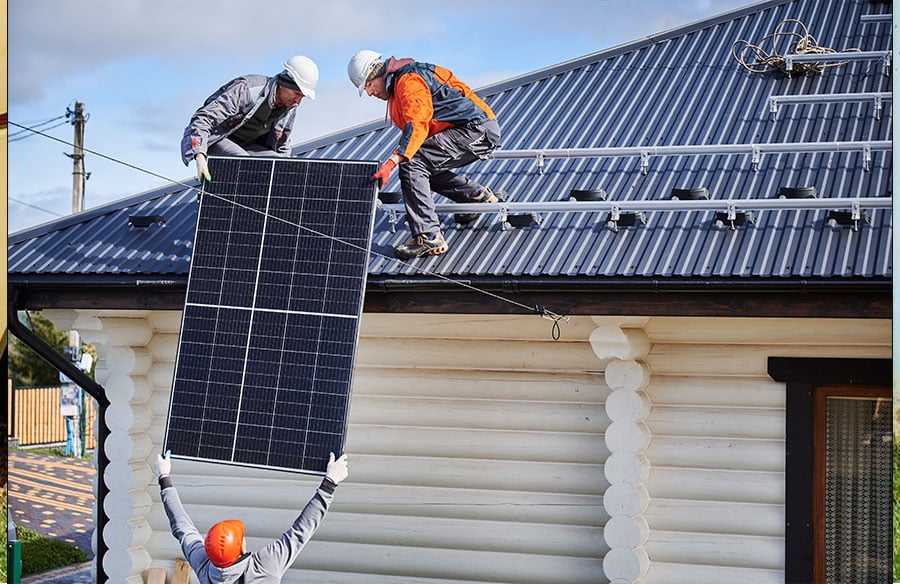
Modern solar panel installations don’t look like traditional ones, meaning they don’t look outdated, because today’s panels are slimmer, darker, and neater than the bulky panels of the past.
Solar experts design the solar system based on the home’s roof, location, structure, angle, and surface, then recommend a well-suited solar panel installation that makes a house look more current, more considered, and more valuable.
Today’s Panels Are Designed to Look Good
Modern technology-based solar panels consist of black frames and dark cells that blend in with tiled and metal roofs alike. And transitional solar panels often had silver frames, a blue tint, and visible grid lines. Current panels provide a clean look on the roof with a uniform surface rather than being bolted on.
Options worth asking about include:
- All-black panels: dark cells, backsheet and frame for a sleek, consistent finish.
- Low-profile mounting: panels sit close to the roofline instead of standing proud of it.
- Frameless or slim-frame designs: fewer visible edges and a lighter look.
Layout Matters as Much as the Panels
Choosing the right solar panels is as important as laying them out on the roof. An experienced solar installer installs the panels according to the layout and angles that define the home’s look. Because two homes with the same panel can look different depending on the system layout. It does not mean the number of panels looks aesthetically pleasing on the roof; the panels’ efficiency matters more.
- Keep the array symmetrical. Rectangular blocks that follow the roof’s edges look intentional.
- Avoid scattered patches. Panels split across several small sections can look cluttered.
- Choose the right roof face. Where possible, placing panels on the less visible side of the home keeps the street view clean without giving up performance.
- Tidy the cabling. Concealed, well-secured wiring and neatly placed conduit are a mark of quality workmanship.
A Modern Upgrade That Supports Your Home’s Value
The fact that your house has solar panels is not necessarily an endorsement of your home’s value. You can increase the value of your solar system by investing in tier-1 solar panels rated for high efficiency and proven quality, as well as solar inverters, which are the foundation of a high-performance solar system.
Solar systems with premium technology enhance your property value and rooftop style. Future homebuyers know that a home with lower operating costs is a smarter purchase, particularly if they plan to sell.
In terms of electricity, solar systems embody leading-edge upgrades, achieving maximum synergy among the three pillars, the panels, the inverter, and the mounting structure, plus an optional battery, if desired. Like all technologies, the system requires installation to run efficiently and may eventually need servicing or upgrading. You don’t know the cost of small problems; they can become expensive ones without proper knowledge
Therefore, it is vital to work with a professional, accredited solar installer. A good installer does not just listen to you to help you approach the right system for your roof, but also ensures the system is installed upright and safe, and that will keep your home powered for years to come
About the “Free” Electricity
It’s worth being clear on what “free” means. Once your solar system is installed and has paid for itself, sunlight generates electricity, and every unit you generate and use at home is one you do not buy from the grid. That is the point at which your home’s electricity savings begin.
The upfront cost of a solar system depends on your system size, brand choice, location, and eligibility for a solar rebate. And the savings from the solar depend on your energy usage and the available feed-in tariff.
To get the most from it:
- Use power during the day by running appliances such as the dishwasher, washing machine, or pool pump while the panels are producing.
- Consider a battery so that surplus daytime energy can be used in the evening instead of being exported for a modest feed-in credit.
- Monitor your system with an app to see what you generate and use, and adjust your habits accordingly.
Planning a System That Looks and Performs Well
A few questions to settle before you commit:
What do you want the roof to look like? Discuss panel colour and layout upfront.
How much power do you use, and when? This shapes system size, not just appearance.
Do you plan to add a battery or EV charger later? A battery-ready inverter saves rework down the track.
Who is installing it? Choose a SAA-accredited installer with a record of tidy, reliable work.
Final Thoughts
Solar does not mean compromising on the appearance of the property. A right solar installer, a perfect layout, and quality solar products help improve your home’s roof appearance, reduce your electricity bill, and save for the future.
If you are planning to install a solar system in Australia, Then trusted installers like Solar 365 can design and installed a system tailored to your roof, your usage, and your style. Get in touch for a tailored quote.