
Architecture is fundamentally about the human experience. It is the poetic intersection of light, space, and material designed to evoke emotion and serve society. Yet, when architects and urban planners attempt to translate these profound spatial concepts into text—whether for competition briefs, project descriptions, or firm portfolios—the process can often be a daunting bottleneck.
In recent years, the design industry has rapidly adopted Artificial Intelligence to streamline workflows. Just as parametric modeling revolutionized how we generate physical forms, AI language models have revolutionized how we draft our architectural narratives. Within seconds, a machine can generate a comprehensive 500-word design statement about a sustainable urban pavilion. However, there is a distinct flaw in this new digital workflow: the resulting text often lacks a soul.
The Problem with “Parametric” Prose
When AI generates a project description, the prose tends to be highly structural but emotionally barren. It uses predictable, repetitive sentence patterns and overuses generic architectural buzzwords like “innovative,” “dynamic,” and “sustainable.” It reads like a technical manual rather than a passionate design philosophy.
For an architect trying to win a design competition or convince a community board, this robotic tone is a massive liability. A built environment must resonate with its inhabitants, and the narrative selling that environment must resonate with the reader. If your design statement feels synthesized and sterile, clients will subconsciously project that same sterility onto your architectural vision. Furthermore, prominent design publications and juries are increasingly utilizing detection software to filter out generic, machine-generated submissions.
Restoring Emotion to Design Narratives
The solution is not to discard AI entirely—efficiency is crucial in modern architectural practice. Instead, the focus must shift from mere content generation to textual refinement. Just as a raw concrete structure requires careful detailing and human craftsmanship to become a welcoming space, raw AI text requires optimization to convey genuine human intent.
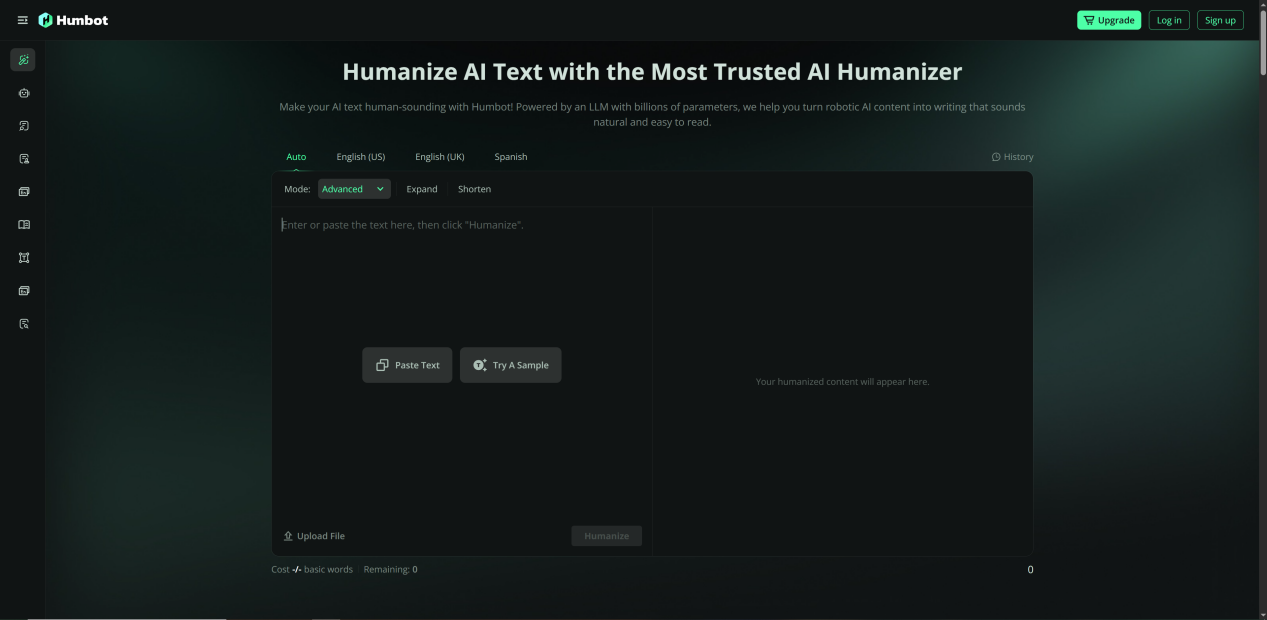
To achieve this, design professionals are integrating specialized linguistic software into their communication workflows. For architectural writers seeking to bridge the gap between machine efficiency and poetic storytelling, the best AI humanizer-Humbot has proven to be an invaluable asset.
Unlike basic editing tools, this advanced platform understands the nuances of readability and flow. It restructures rigid, predictable AI drafts, injecting the varied cadence and natural warmth that characterize human thought. It takes the “parametric prose” and softens its edges, allowing the true passion behind your spatial concepts to shine through without triggering AI detectors.
Designing for the Human Experience
As we continue rethinking the future of urban environments, our reliance on computational tools will only deepen. However, the essence of architecture will always remain deeply rooted in human empathy.
By leveraging intelligent text refinement tools, architects can maintain the rapid pace of digital drafting while ensuring their project narratives remain as thoughtful, inspiring, and authentic as the buildings they design. Let the machines handle the data, but ensure your design story remains beautifully human.
 How to Use Humbot Without Losing Your Academic Soul
Instead of letting the machine do 100% of the work, the most successful students are adopting a hybrid approach:
1.Drafting: Use AI to build the skeleton and research the points.
2.Refinement: Use Humbot to humanize AI drafts, ensuring the writing feels organic and personal.
3.Verification: Pass the final version through an AI checker yourself to ensure total peace of mind before submission.