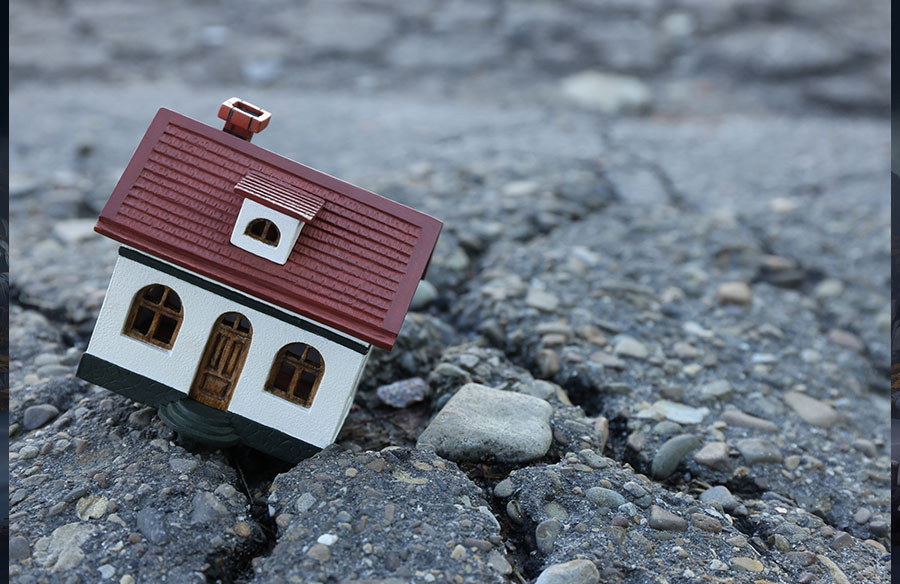
Modern residential architecture often projects a sense of precision and control. Clean lines, efficient layouts, and carefully selected materials create the impression of long-term stability. Yet many of the most expensive home issues do not begin with visible failure. They develop quietly inside systems that rarely receive attention until performance noticeably declines.
Contemporary housing depends on interconnected infrastructure layers working behind finished surfaces. Plumbing networks, drainage pathways, ventilation channels, electrical circuits, and thermal barriers all influence how a home behaves over time. When even one system starts to degrade, the effects tend to spread gradually into other areas of the structure.
Small irregularities rarely remain isolated. Moisture, pressure imbalance, restricted flow, or heat loss can slowly alter how a building functions day to day. Understanding these hidden vulnerabilities helps property owners respond earlier and avoid costly structural intervention later.
1. Plumbing System Degradation and Hidden Blockages
Modern homes rely on internal pipe networks that remain largely invisible during daily use. When restrictions begin forming inside these systems, early symptoms may appear across multiple fixtures rather than a single location.
In Seattle’s surrounding residential zones, persistent drainage issues are often resolved only after homeowners reach out to specialists such as Ben’s Plumbing handles clogged drain issues in Bellevue.
Once flow restriction becomes widespread, standard household methods usually provide only temporary relief. Professional diagnostics are often required to locate buildup, intrusion, or structural damage within underground lines.
2. Slow Drainage That Signals Deeper Pipe Restriction
Water movement inside a home should feel almost effortless. When sinks, tubs, or floor drains begin emptying more slowly than usual, internal buildup is often already forming inside the pipe walls.
Grease, soap residue, hair, and mineral deposits accumulate gradually, reducing internal diameter and increasing pressure across the system. At first, the change feels minor. Over time, however, restricted flow can influence multiple fixtures simultaneously.
What begins as a minor inconvenience often becomes a recurring maintenance issue that indicates deeper blockage inside the drainage network.
3. Subtle Odors Emerging From Hidden Plumbing Routes
Unusual smells originating from drains or utility spaces rarely appear without cause. Organic material trapped inside pipes creates an environment where bacterial activity increases over time, producing persistent odors that do not dissipate easily.
Kitchen lines are especially vulnerable due to fat and food particle accumulation. Bathroom systems often develop similar issues through soap residue and hair buildup. In some cases, smells may even travel through ventilation gaps in older plumbing layouts.
These sensory cues frequently represent early warnings rather than surface-level hygiene concerns.
4. Structural Moisture Accumulation Behind Finishes
Interior finishes often conceal what happens beneath them. When moisture becomes trapped behind drywall, flooring, or cabinetry, the resulting damage progresses slowly and silently.
Condensation inside wall cavities can weaken materials long before visible staining appears. In humid climates or tightly sealed homes, this effect becomes even more pronounced due to limited airflow.
Typical indicators include soft wall sections, subtle discoloration, or persistent musty air inside enclosed rooms.
5. Electrical Strain From Modern Consumption Demands
Contemporary households rely heavily on electrical systems that were not always designed for today’s usage levels. Multiple devices operating simultaneously place continuous load on circuits, especially in older properties.
When wiring begins to age or degrade, small inconsistencies often appear first. Flickering lights, inconsistent power delivery, or warm outlet surfaces may indicate that internal components are under stress.
Left unaddressed, these conditions can gradually escalate into safety risks that extend beyond simple inconvenience.
6. Foundation-Level Water Management Failures
Water control around a building plays a critical role in long-term structural stability. Poor grading, blocked drainage paths, or insufficient waterproofing allows moisture to accumulate near foundational elements.
Over time, this pressure can influence basement conditions, wall alignment, and floor stability. Even minor cracks may expand as water continues to interact with structural materials.
Because these processes develop slowly, they often remain unnoticed until secondary symptoms begin affecting interior spaces.
7. Thermal Inefficiency Caused by Insulation Gaps
Energy performance depends heavily on continuous insulation coverage across walls, ceilings, and floors. When gaps form within these layers, heat transfer becomes uneven and moisture behavior changes inside structural cavities.
Temperature fluctuations inside a home often reveal these issues gradually. Some rooms may feel consistently colder or warmer than others despite uniform heating systems.
Over time, inefficient insulation can also contribute to condensation cycles that affect surrounding materials and reduce overall building performance.
Hidden infrastructure issues rarely present themselves in dramatic ways at the beginning. Instead, they evolve through small, almost unnoticeable changes in performance, comfort, and environmental stability. Recognizing these early signals allows property owners to intervene before minor inefficiencies develop into significant structural concerns that require extensive remediation.