By 2026, fashion will have truly reached a point of no return, where the very divide between apparel and gallery art will be blurred beyond recognition. Designers in the fashion world are beginning to view the human form as an architectural construct by applying architectural principles to the creation of volumes and skeletal structures that emphasize shape over fluidity. The field of design is borrowing more from the realm of architecture by using its concepts of structure, form, and materiality to build wearable spaces. At the same time, fashion informs architects by incorporating elements of temporality and adaptability. Fashion has shifted from the soft luxury approach seen in past years to an altogether more assertive sculptural form of design.
Fashion Industry: Spatial Thinking and Architectural Influence
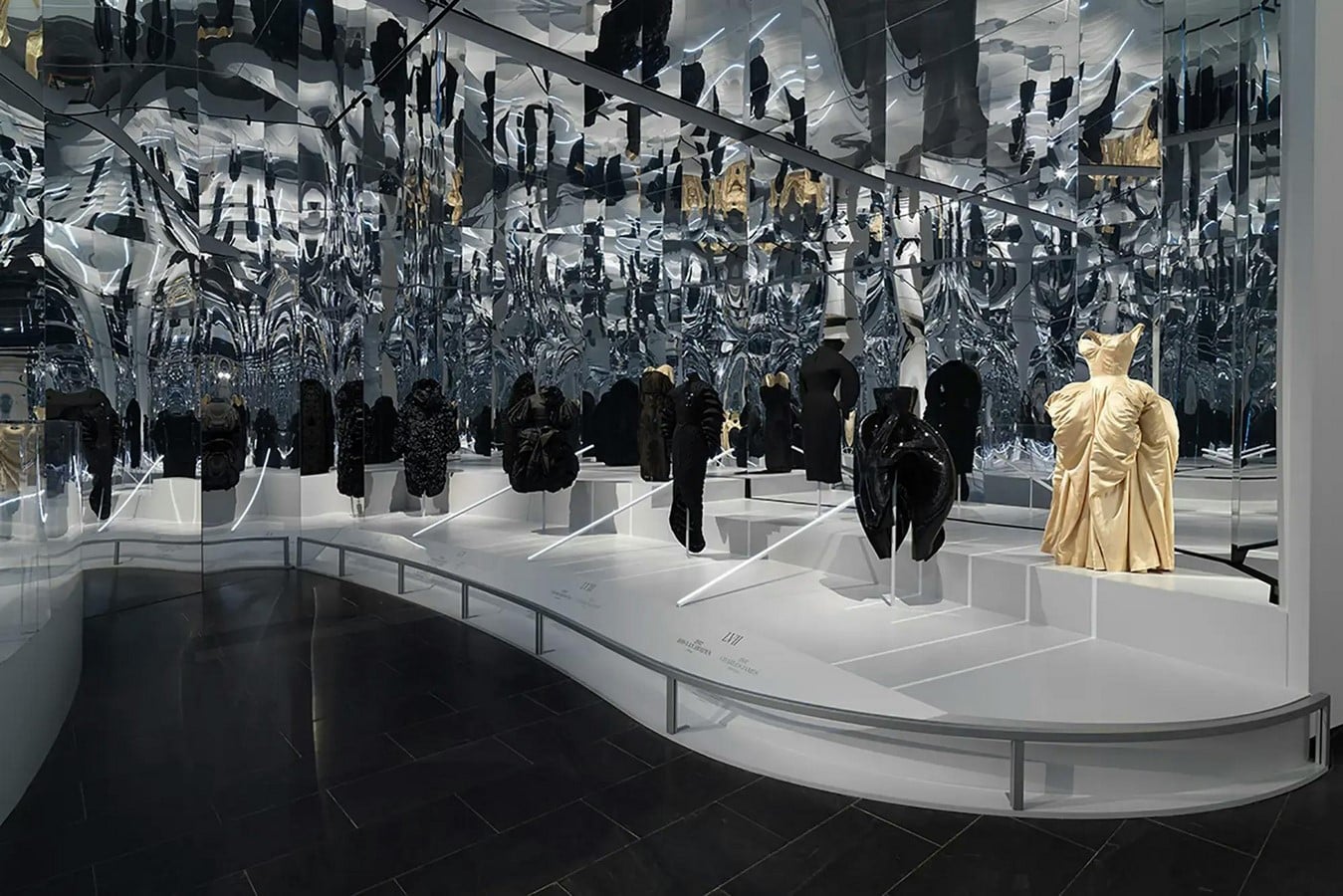
Building on this integration of art and apparel, fashion designs of 2026 are heavily influenced by notions such as proportion, geometry, and architecture that govern the field of architecture. Architects create structures that relate to their sites, whereas fashion designers create micro-structures that relate to the human body. Methods such as layering, framing, and assembling have been employed in fashion in much the same way as they are used in creating architectural structures. The fashion show itself is now an experience based on spatial manipulation through the creation of environments that resemble architectural spaces.
Fashion Industry: Material Innovation and Sensory Experience
Transitioning from spatial concepts to materiality, the concept of materiality has a key role to play in reimagining the fashion industry, just as it does in the world of contemporary architecture. Fashion designers play with new materials such as biomaterials, recycled composites, and interactive materials that respond to the changing light, heat, or motion around them. The sensual nature of touch, texture, and weight establishes a conversation between the body and its surroundings. Fashion becomes a sensory interface through which materials express their ecological and technological awareness.
Art as the Primary Narrative in Fashion Industry
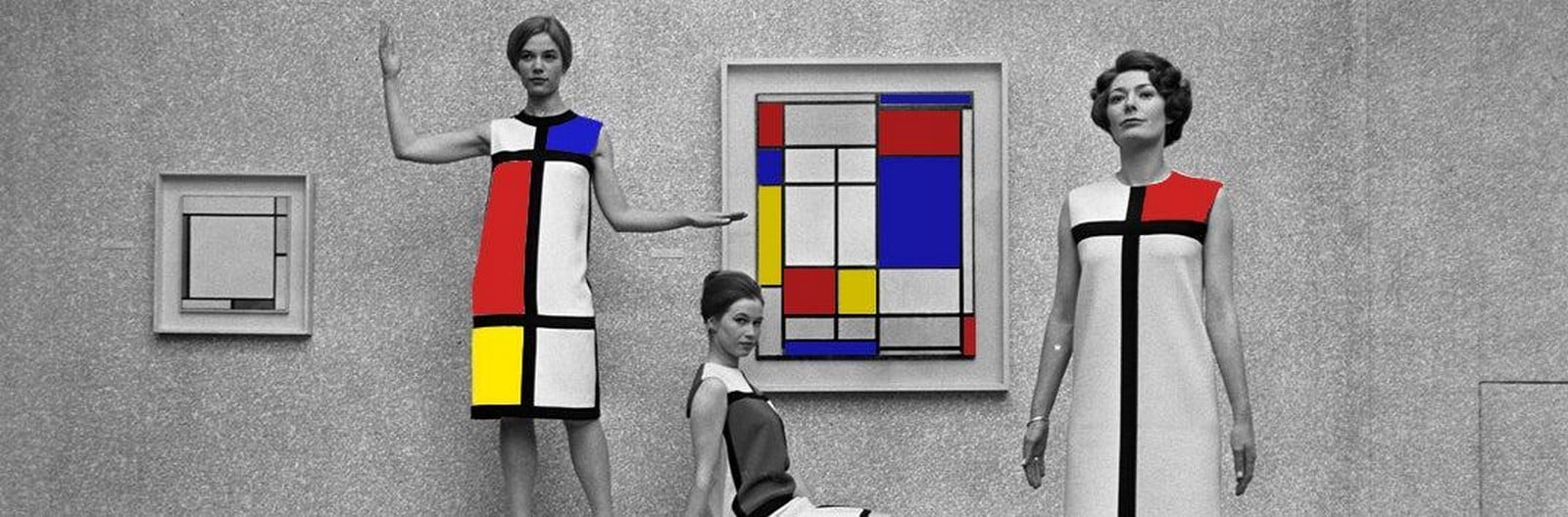
Collaborations in art have not only been restricted to branding, but rather, collaborations have become the essence of the fashion industry in 2026. With the theme of “Fashion Is Art” for the Met Gala in 2026, a trend involving the use of surrealism and absurdity in daily-wear clothing has emerged. “Moving Canvases” are seen in the creation of digital materials that feature an ever-changing painting or even the creation of 3D printed fabrics that emulate the effects of an oil painting. Through these methods, consumers can convey multiple identities through their clothing choices in urban settings.
Fashion Industry: Sustainability as a Shared Framework
Sustainability becomes a connecting link between the fashion and architecture industries in 2026. Fashion designers are increasingly inclined toward implementing a circular design approach in their products, which is akin to architecture’s consideration for the life cycle of the materials used. The reuse of components, modularity, and minimal resource consumption are vital in both fields. There is an emphasis on sustainability and adaptability in designing clothes that can change and evolve with time instead of following temporary fashion trends.
Fashion Industry: Digital Environments and Virtual Spaces
The advent of digital technologies in the fashion sector has facilitated the emergence of virtual worlds where the lines between physical and architectural spaces are increasingly blurred. Digital fashion presentations, virtual clothing, and metaverse platforms enable designers to conceive of architectural spaces not restricted by the limits of the physical world. Virtual worlds become test beds for architectural spaces where concepts such as gravity and size become negotiable. The use of AR and VR technologies adds to a more interactive user experience, turning fashion into a spatial experience.
Fashion Industry: Cultural Narratives and Symbolic Structures
The connection between fashion and the urban realm has gained momentum, placing fashion at the center of public space production. Installations, interactive windows, and fashion-infused urban interventions make cities live performance stages. Urban interventions draw on architectural urbanism to animate the cityscape through design and interaction. Fashion is no longer limited to the body but rather manifests itself in the urban realm, affecting the way individuals engage with the city.
Fashion Industry: Urban Context and Public Interaction
The connection between fashion and the urban realm has gained momentum, placing fashion at the center of public space production. Installations, interactive windows, and fashion-infused urban interventions make cities live performance stages. Urban interventions draw on architectural urbanism to animate the cityscape through design and interaction. Fashion is no longer limited to the body but rather manifests itself in the urban realm, affecting the way individuals engage with the city.
In terms of the future, the fashion industry will keep growing and evolving into a truly interdisciplinary sphere that is strongly associated with art and architecture. Fashion design will be based on cooperation between fashion designers, architects, and technicians who will contribute to innovation in form and experiences of fashion garments. Fashion design will move toward holistic approaches, which imply integration of such spheres as body, environment, and space. Fashion will become an important tool for shaping people’s perception of the surrounding world.
Moreover, the history of fashion is also marked by the idea of third spaces in architecture, which means spaces that are not one’s home or workplace but concentrate on wellness. The fashion of today is trying to respond to such spaces, using technology that responds to changes in temperature and light just as smart buildings do. This way, clothes are made comfortable and beautiful, fulfilling their function as art as well. Moving into the future of 2026, it can be observed that the collaboration of art and architecture yields a beautiful outcome.