ERGON Beach House is situated on a 11,500 sqm site along the eastern coast of the
second peninsula of Halkidiki, bordering the seaside near the village of Nikiti. The
development spans parallel to the coastline, with a 100-meter frontage along the shore,
on a site with minimal slope.
Project Name: Ergon Beach House
Studio Name: Urban Soul Project
Site Area: 11.500 Sq. m.
Status: Built
Image Credits: Kim Powell Photography
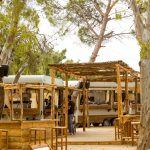
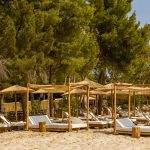
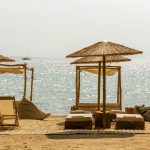
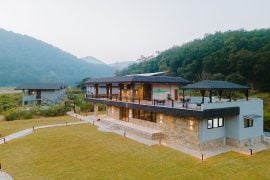
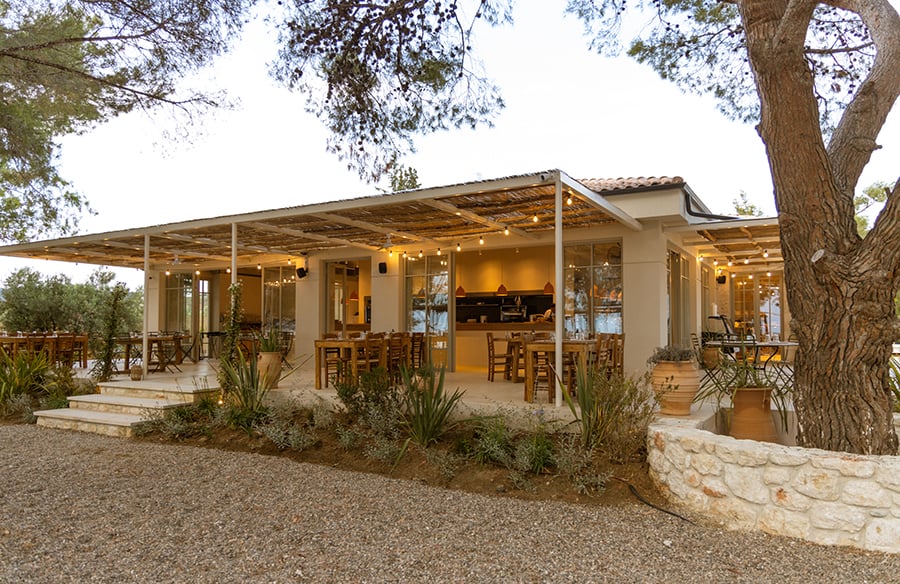
The project consists of a series of accommodations, including cabins of various capacities, tents for 2 to 5 people, the main restaurant, beach serving food and beverage kiosks, as well as additional outdoor amenities such as an open-air cinema and a fitness area.
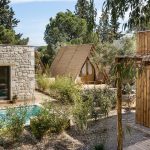
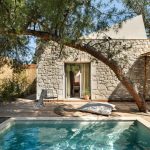
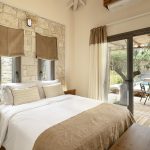
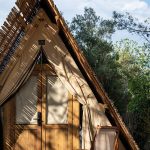
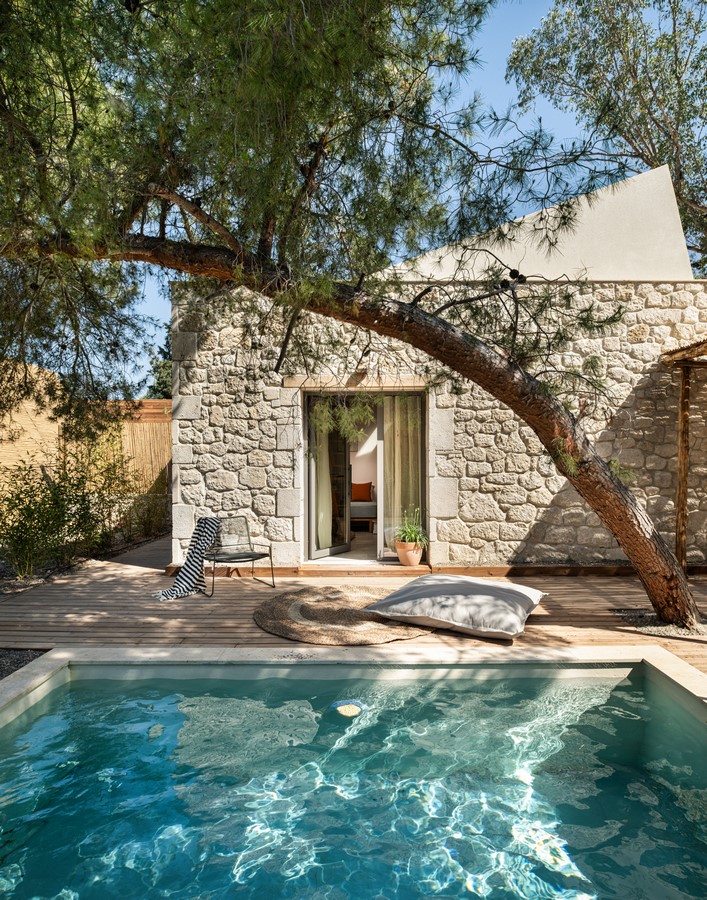
The design draws inspiration from the local material palette, incorporating Athytos stone, exterior woodwork, plaster, wooden beams, and both metal and wooden pergolas. The choice of colors and materials is consistent throughout the project, creating a cohesive
aesthetic.
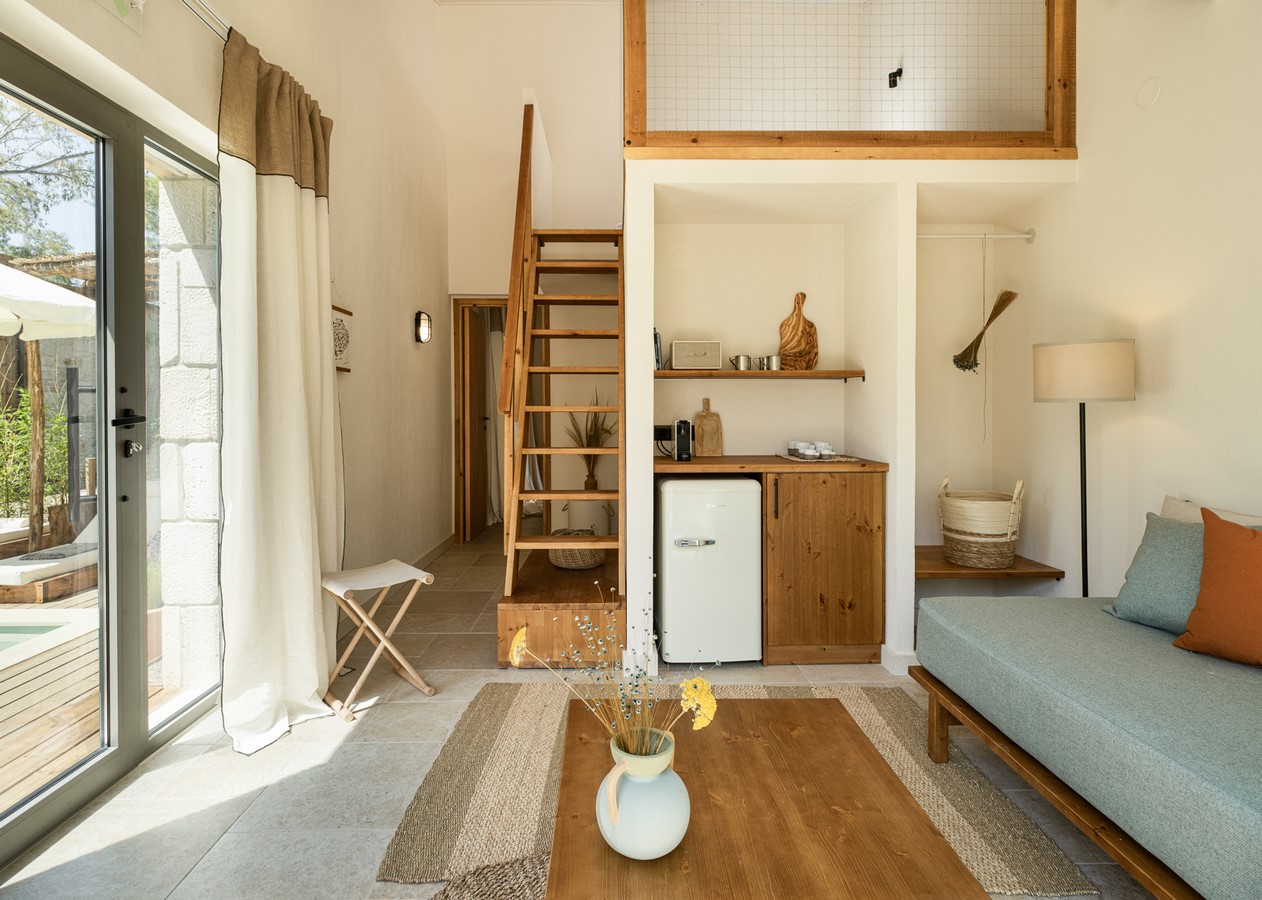
Set within a seaside plot, the landscape features vegetation typical of the Toroneos Gulf coast, including olive trees, pines, eucalyptus, and aromatic plants. The natural environment played a crucial role in the site planning, prioritizing the preservation of all existing trees for natural shading, space delineation, and privacy. The positioning of the units capitalizes on favorable orientation to maximize natural ventilation from the sea, while avoiding direct sun exposure.
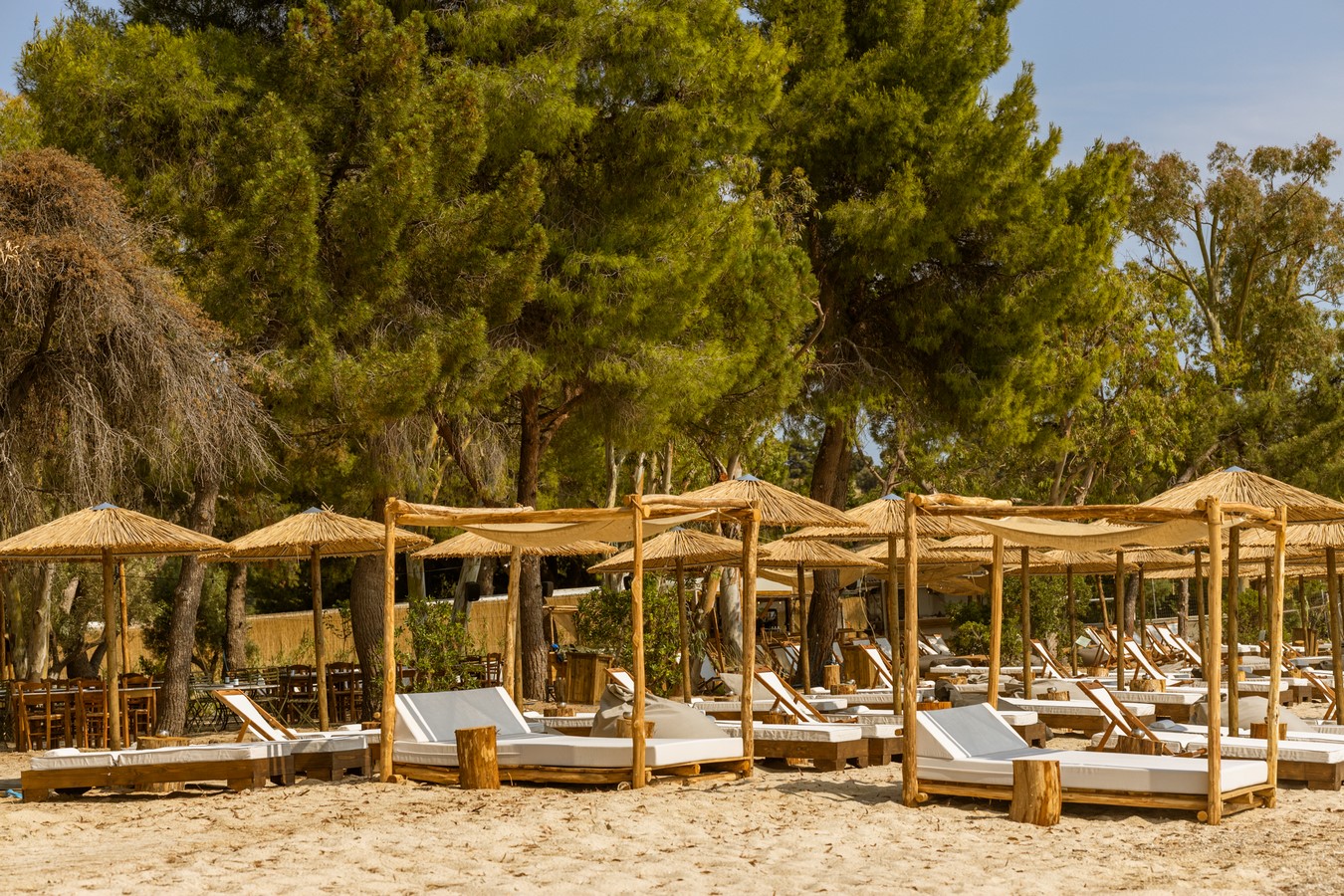
The design follows a transition from public to private, with the beach, being the most public space, at the heart of the project. The functions are organized in parallel zones, moving from the most public to the most private areas. The hotel entrance is located at the side of the plot, with the reception building controlling and defining the boundary between the guest rooms and the public spaces, which include the restaurant, the grocery store, and the area surrounding the beach.
The guest rooms and tents are interwoven to allow for groupings of adjacent rooms with shared courtyards and pools, designed to function either independently or as complementary units for larger groups of visitors. Privacy is achieved through dense, low plantings, creating a continuous landscape without interruptions. The basic cabin unit is designed following the structure of a rural dwelling in a simple rectangular layout. Larger cabins adopt an L-shape to accommodate an additional room, integrating outdoor spaces with pergolas.
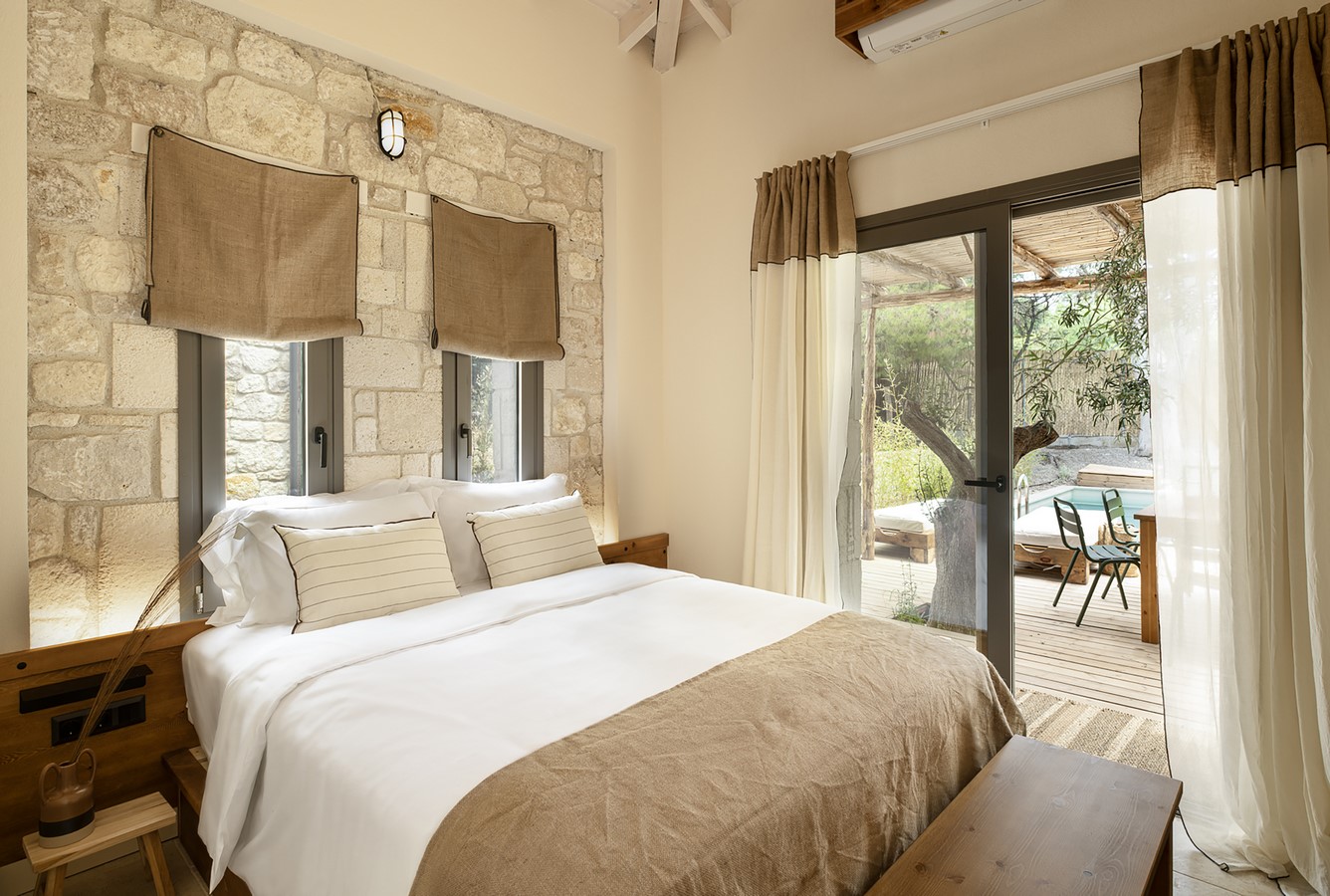
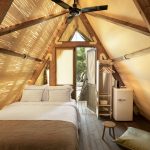
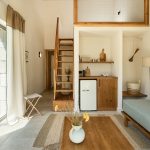
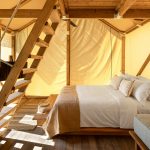
The interiors evoke a camping aesthetic and outdoor living, with equipment suspended from straps, open wardrobes, perforated fabrics, and screens, giving the accommodations a “glamping” character. Natural materials are prominent, merging the sense of immediate connection to the environment with modern comforts. The interior design aims to blur the boundary between indoors and outdoors, with large openings that provide ample natural light and uninterrupted views, fostering a seamless dialogue with the surrounding landscape.