The Royal Institute of British Architects(RIBA) has announced the Hackney School of Food to win the prestigious Stephen Lawrence Prize 2022.
The Stephen Lawrence Prize was established in 1998 and is funded by the Marco Goldschmied Foundation. The prize was started in memory of Stephen Lawrence, a teenage architecture aspirant who was murdered in a racist attack in 1993. This prize aims to recognize and reward new architectural talent by celebrating projects with a construction cost of less than £1 million.
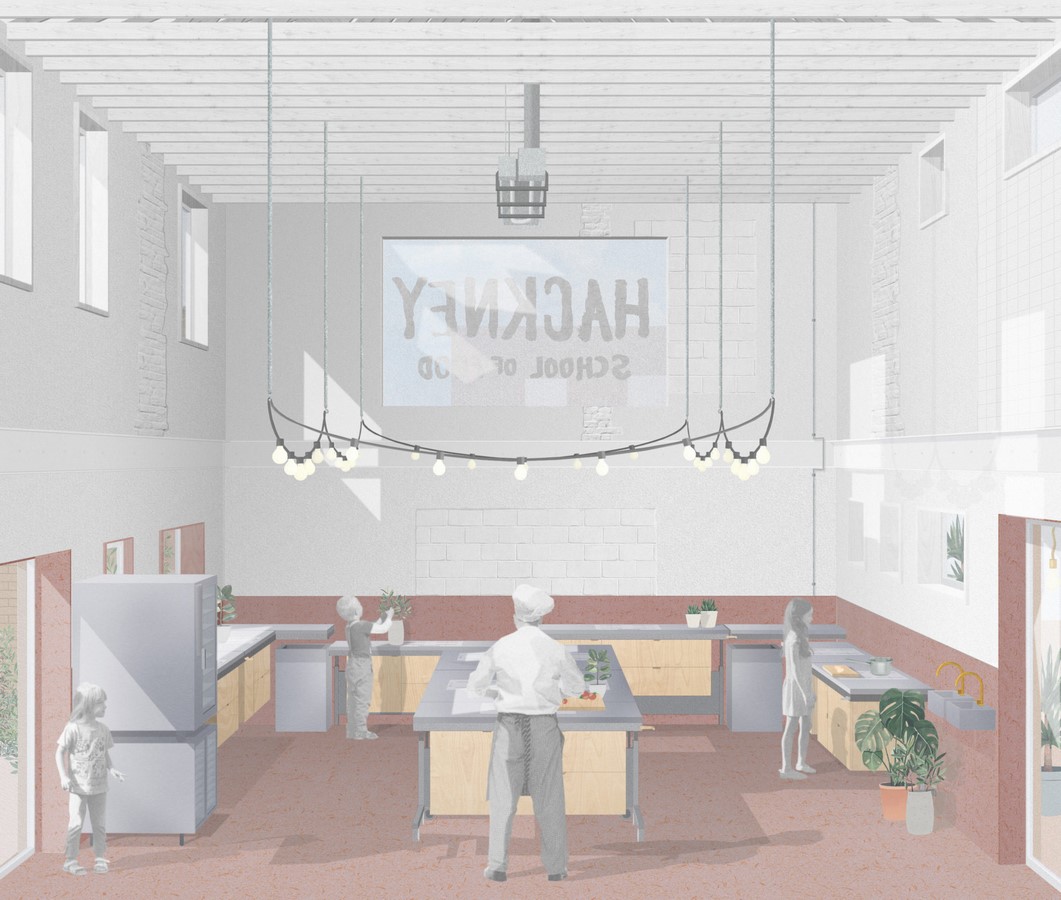
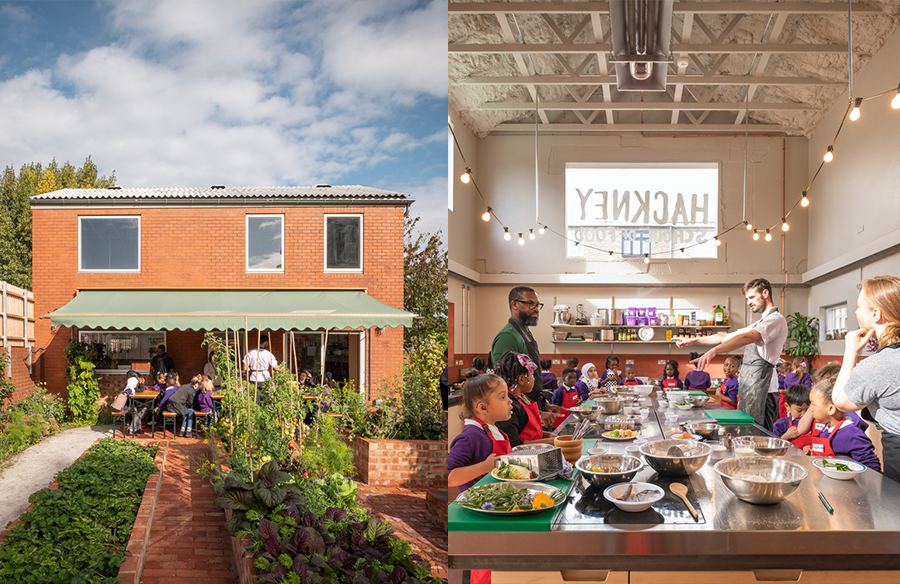
Hackney School of Food is a nationwide initiative to help young children cook healthy food they like to eat. The inspiring space teaches children to grow, harvest, and cook their food and acts as a community-building center. This project is launched in collaboration with Hackney’s LEAP foundation and Chefs in School, a local charity that aims to improve primary schools’ food quality by employing professional chefs. The Hackney School will be affiliated with charity and will provide facilities for professional chefs to teach young children how to grow and cook their own healthy and delicious food. The project located in London has an impact on the society and the community that is involved, the project “is not limited to this one site”, according to the Royal Institute of British Architects (RIBA) jury.
“The architect and client have developed an inspirational blueprint to teach others how to regenerate and enliven their communities similarly,” chair of the judging panel Matthew Goldschmied said.
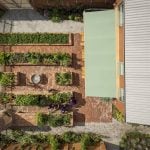
The new proposed project was to convert the school’s formal caretaker’s cottage into a professional kitchen setup. the adjoining landscape was developed with a large vegetable garden, a formal kitchen setup, and a greenhouse. The project stands out because it is designed in a way that has the maximum impact with a minimum budget, carefully selecting the materials and with simple details. This makes the space aesthetic and also aids functionality along with giving a communal sense to the entire project. Keeping in mind the constraints of the existing structure the architects tried to devise options to retrofit the structure to accommodate the client’s requests.
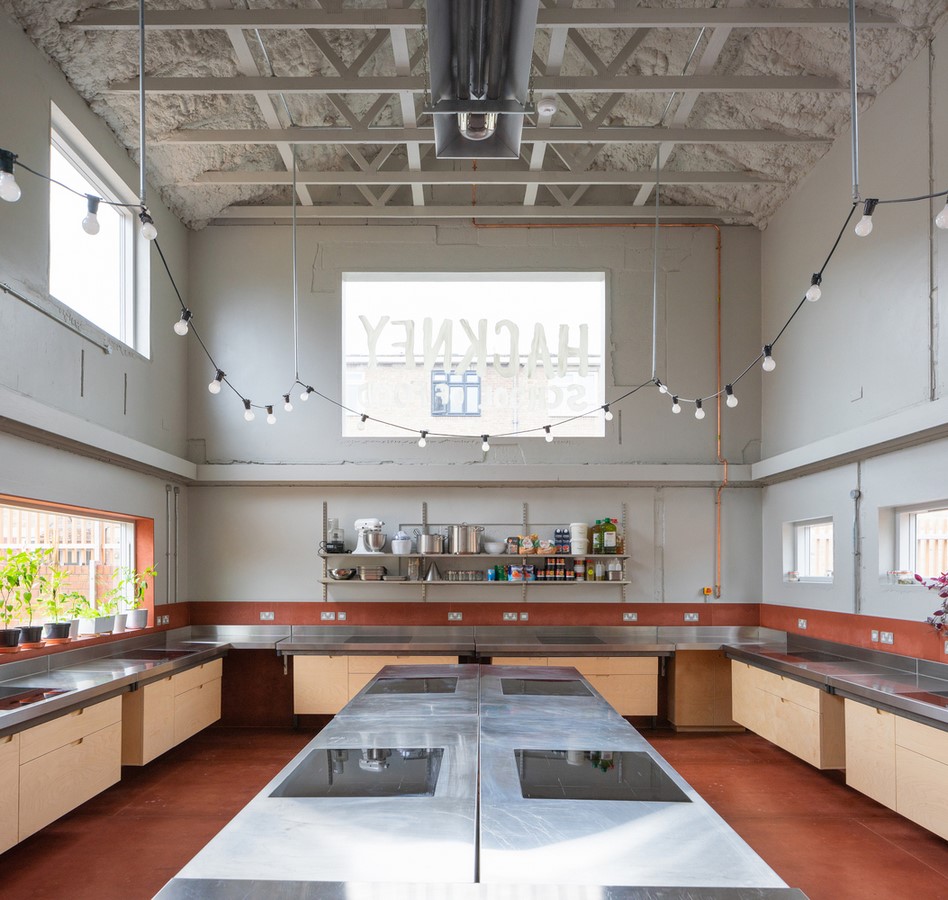
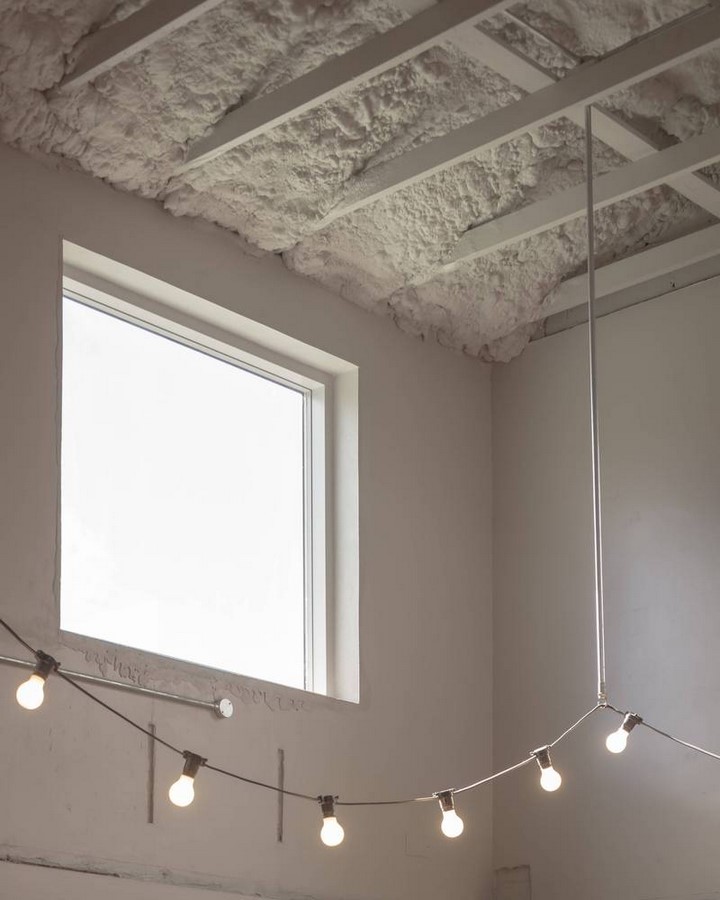
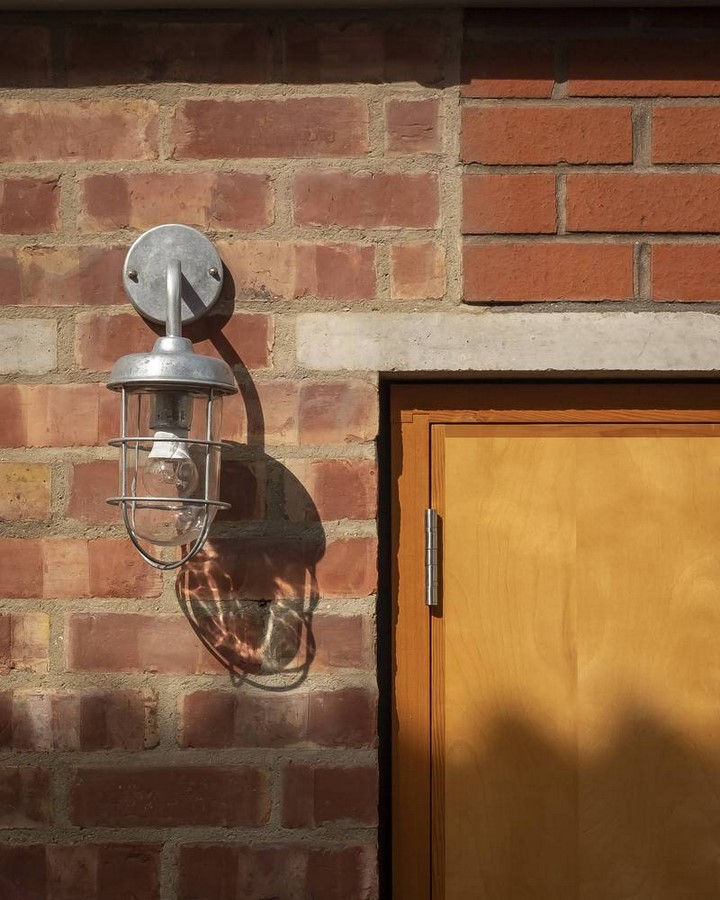
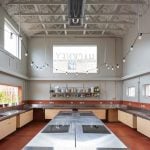
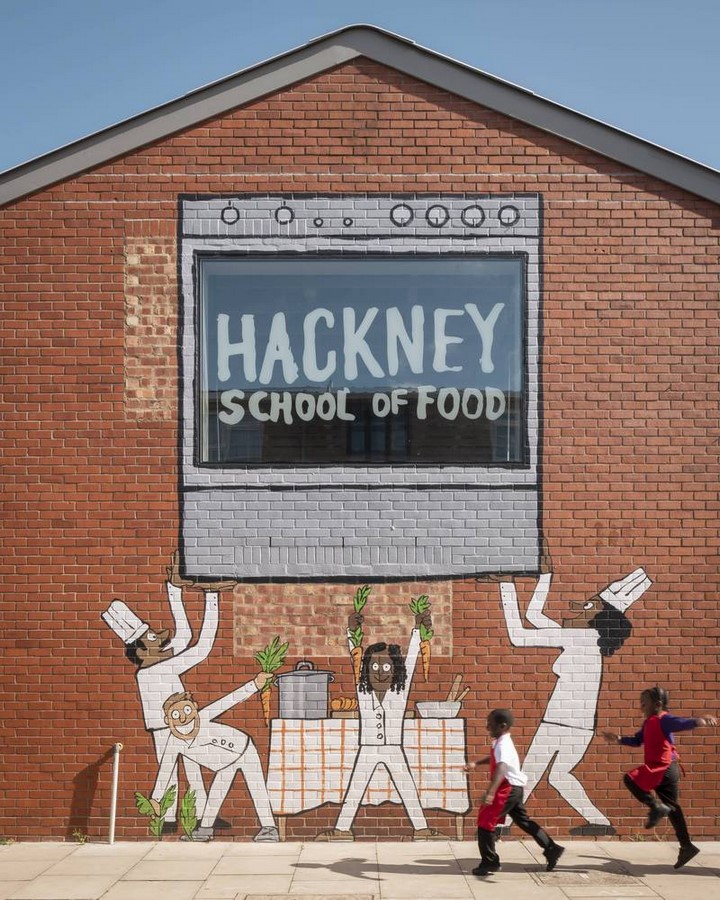
While the exteriors of the structure remain undisturbed, the first floor of the interior was removed to create a beautiful double-height volume that can accommodate a class of 30 students at any given time. For the exteriors of the project, the architects decided to use brick, timber, cement board, and zinc rainwater goods for the building and the landscape. The studio decided to adaptively reuse the existing structure and features due to restrictions on the budget and site. The unused garden outside is now transformed into spaces where the children and community can learn, cook and eat. The red brick facade facing the street has an animated mural with a picture window by Jean Jullien.
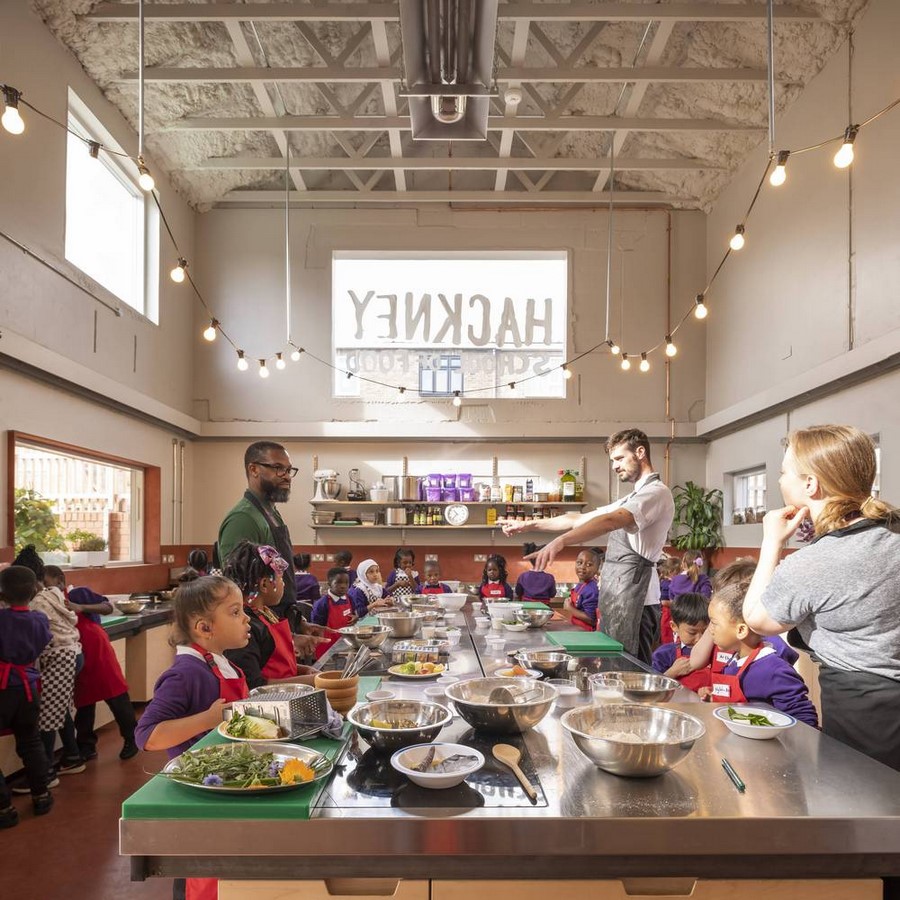
Some of the finishes and elements of the original structure are preserved like the rough plastered and blockwork walls, and the bathroom tiles that tell a story of the building’s past. The entire color and material palette are unified by paint throughout and red cemented flooring that gives the space warmth. The existing building footprint is only 59 sqm which is now designed to accommodate one batch of anywhere around 30 children. The kitchen’s success lies in the fact that it can be properly used by a group of 5-year-olds as well as adults. For this Surman Weston designed adjustable cooking and washing stations, made up of simple, off-the-shelf components. This facility also can host large events including corporate meetups, and get-togethers that act as a source of income to support the charity.
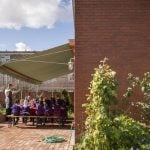
This project contributes to the urban landscape and transforms the streetscape from what earlier used to be the caretakers’ cottage. The mural gives the elevation a playful character which brightens up the street. The new ornamental kitchen garden is connected to the street by a slatted timber gate allowing a visual connection that also invokes a sense of curiosity for the passers-by. The kitchen garden is a beautiful space that is a creative learning space that can also be a fun, enjoyable area. It features a sun terrace, a fire pit, and a wood-fired pizza oven.
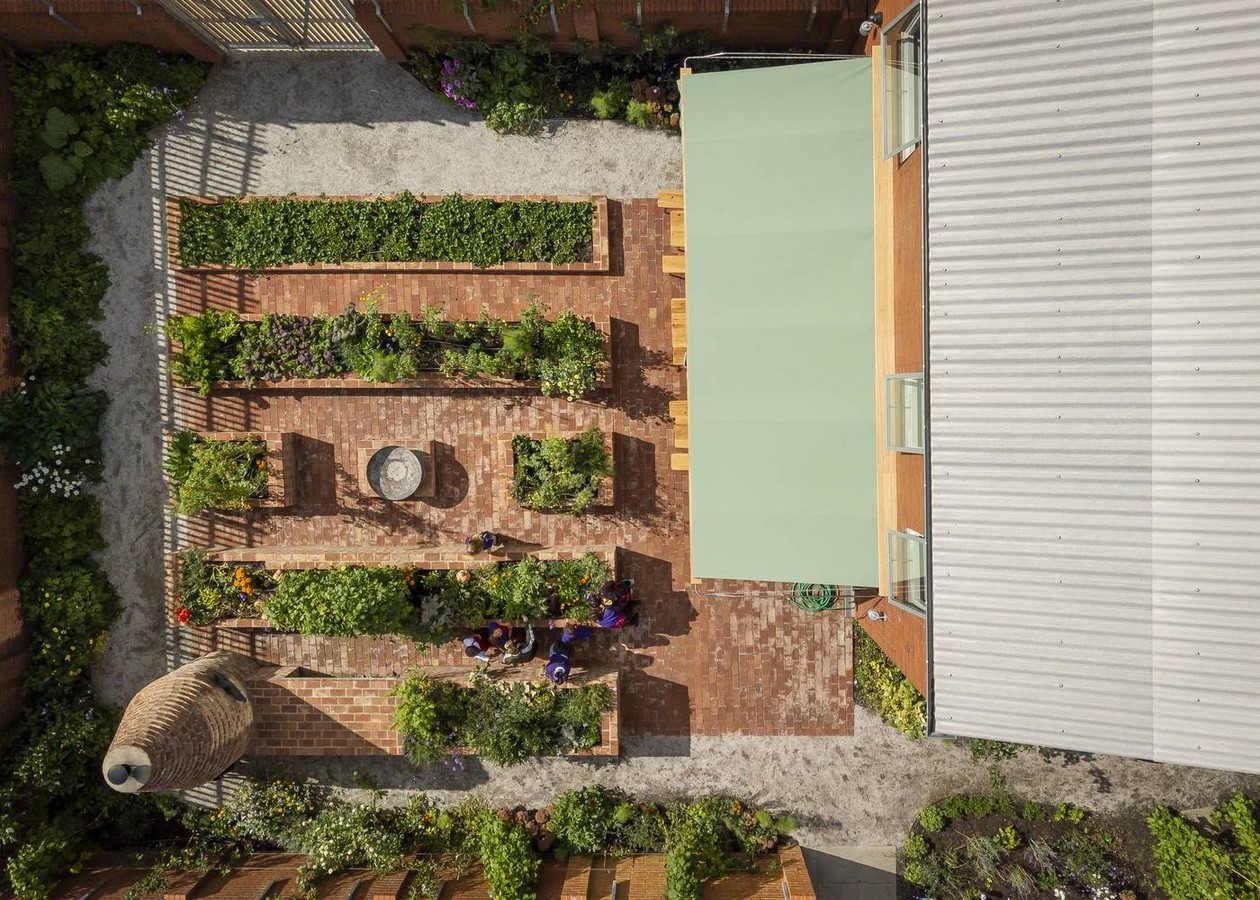
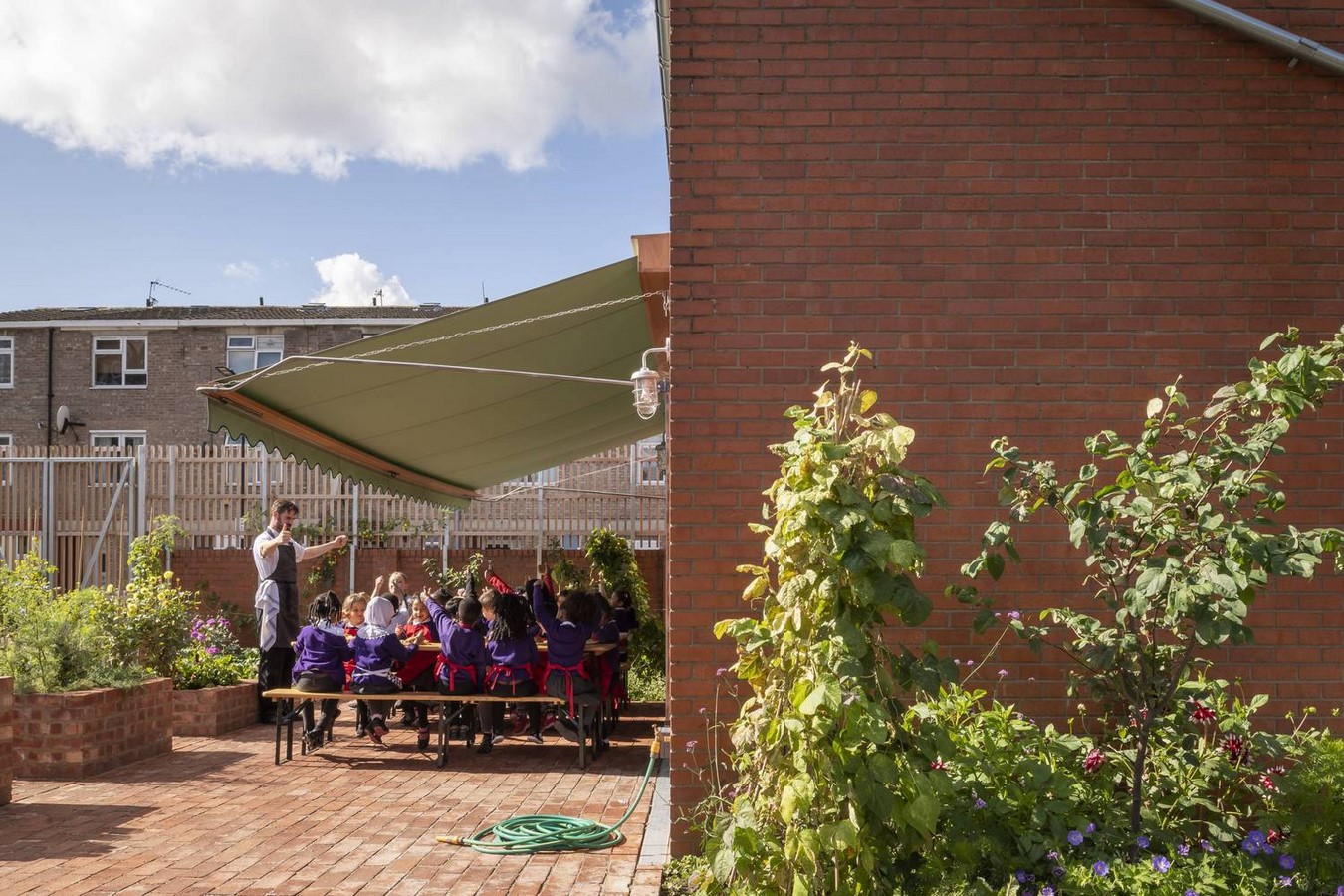
The Hackney School of Food will be open as an amenity space to all the primary schools across the area. The other social contribution of the school would be as an amenity for the local volunteers who wish to be a part of the gardens and its work. The school saw an overwhelming response to its call for volunteers, which consisted of everyone from teenagers to the elderly. In the dense boroughs in London, communal gardens or personal kitchen gardens are rare. This school allows the community to be a part of the gardening process as a way of social and communal growth of the area. All things together give a special character to the project, making it worthy of the honor bestowed.
Sources:
1)Pintos, P. (n.d.). Hackney School of Food / Surman Weston. Archdaily. https://www.archdaily.com/953637/hackney-school-of-food-surman-weston?ad_medium=gallery
2)(2022). Hackney School Of Food By Surman Weston Wins Stephen Lawrence Prize 2022. World Architecture. https://worldarchitecture.org/architecture-news/eneng/hackney-school-of-food-by-surman-weston-wins-stephen-lawrence-prize-2022.html
3)(2022). Hackney School of Food. Surman Weston. http://surmanweston.com/projects/hackney-school-of-food/
4)Crook, L. (2022). Surman Weston uses architecture as “enabler for a great cause” at Hackney School of Food. Dezeen. https://www.dezeen.com/2022/10/17/hackney-school-of-food-stephen-lawrence-prize/