The scaffolding has been removed, the doors have unlocked, and a new era of glamour has officially begun on Park Avenue. The historic Waldorf Astoria Hotel, a timeless icon of luxury in New York City, has triumphantly returned to the skyline after an epic eight-year restoration. After officially re-opening to the public in July 2025, this historic landmark has been beautifully reimagined by the globally acclaimed architecture firm Skidmore, Owings & Merrill (SOM) as part of one of the most ambitious historic preservation efforts New York City has ever undertaken.
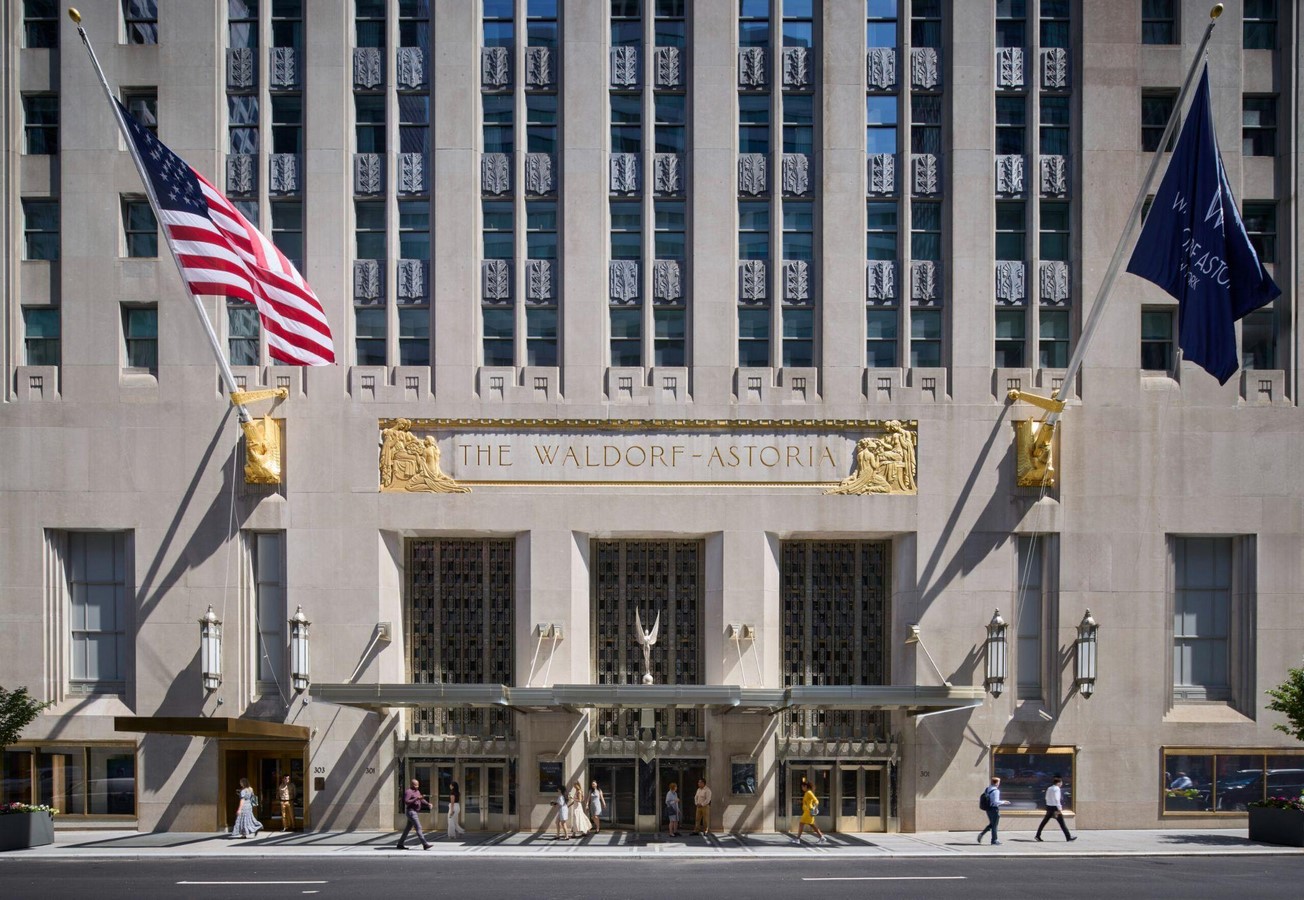
The historic Art Deco masterpiece has now begun its next chapter, creating an incredible balance between its historic past and an opulent 21st-century experience. It features 375 grand hotel suites and 372 private residences exclusive to The Towers at the Waldorf Astoria.
The multi-year renovation, which began in 2017, is a tribute to the art of restoration and an appropriate use of innovation. SOM’s work was deeply rooted in research from the original blueprints, drawn in 1931, by architects Schultze & Weaver. Their design intent for the Waldorf Astoria New York was not to simply renovate, but to rediscover and re-present the original beauty of this Art Deco legend.
A Façade Reborn and Interiors Reimagined
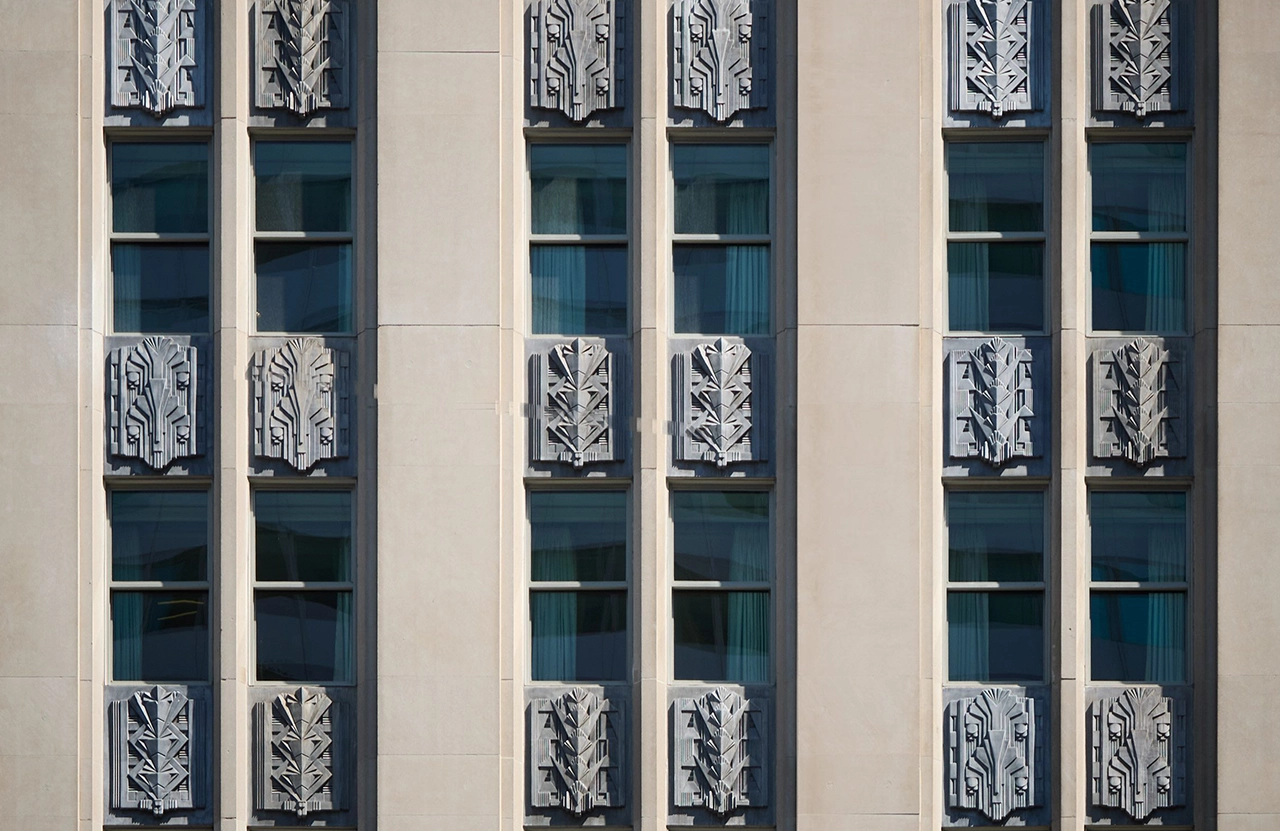
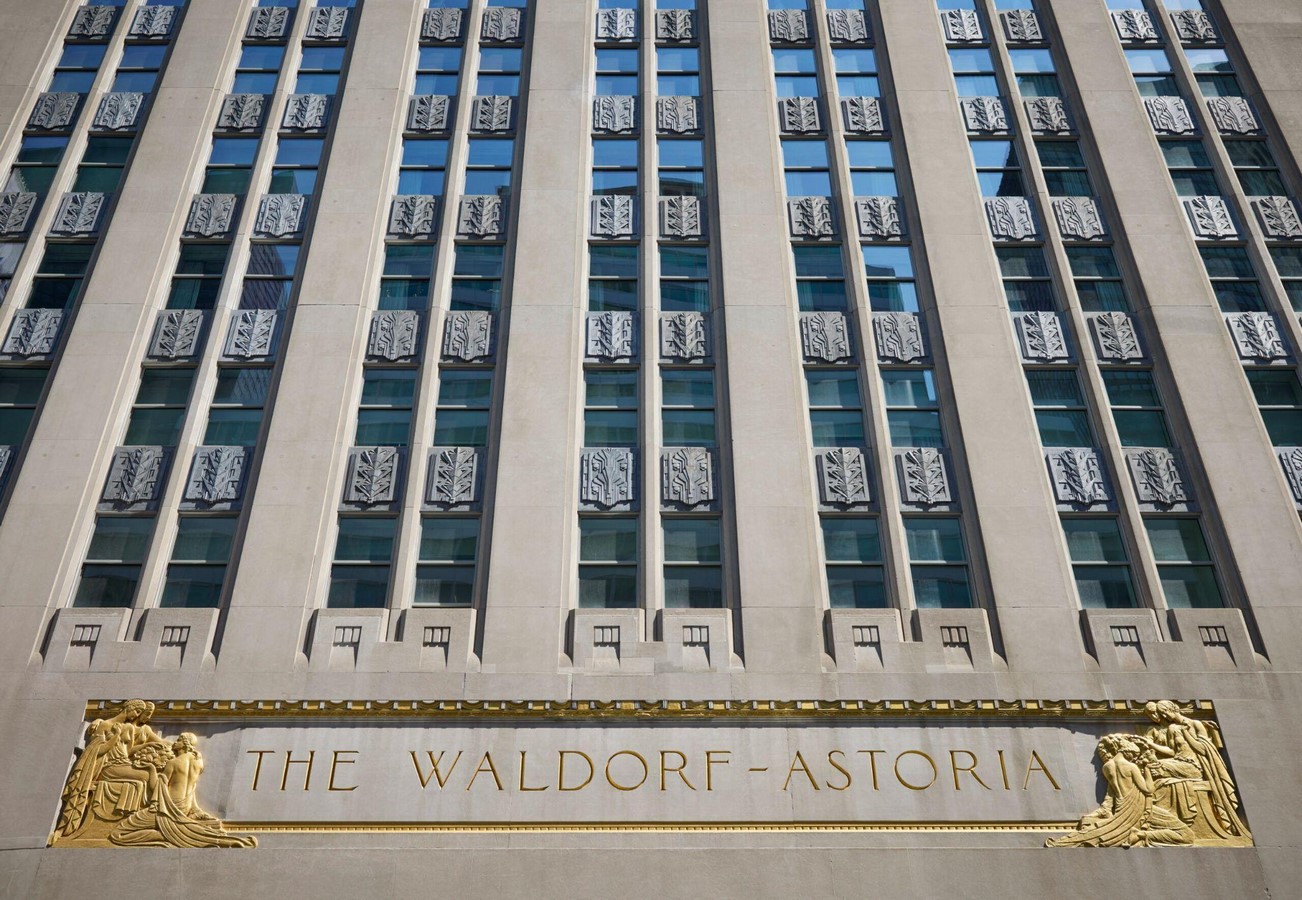
The transformation began with the unique outer surface of the building, where the limestone base and signature “Waldorf Grey” brick were carefully restored. The limestone had darkened over the decades and has now been cleaned and repaired to look as bright and fresh as it did in 1931. A major task was the replacement of all 5,600 windows with new energy-efficient ones that exactly replicate the original windows.
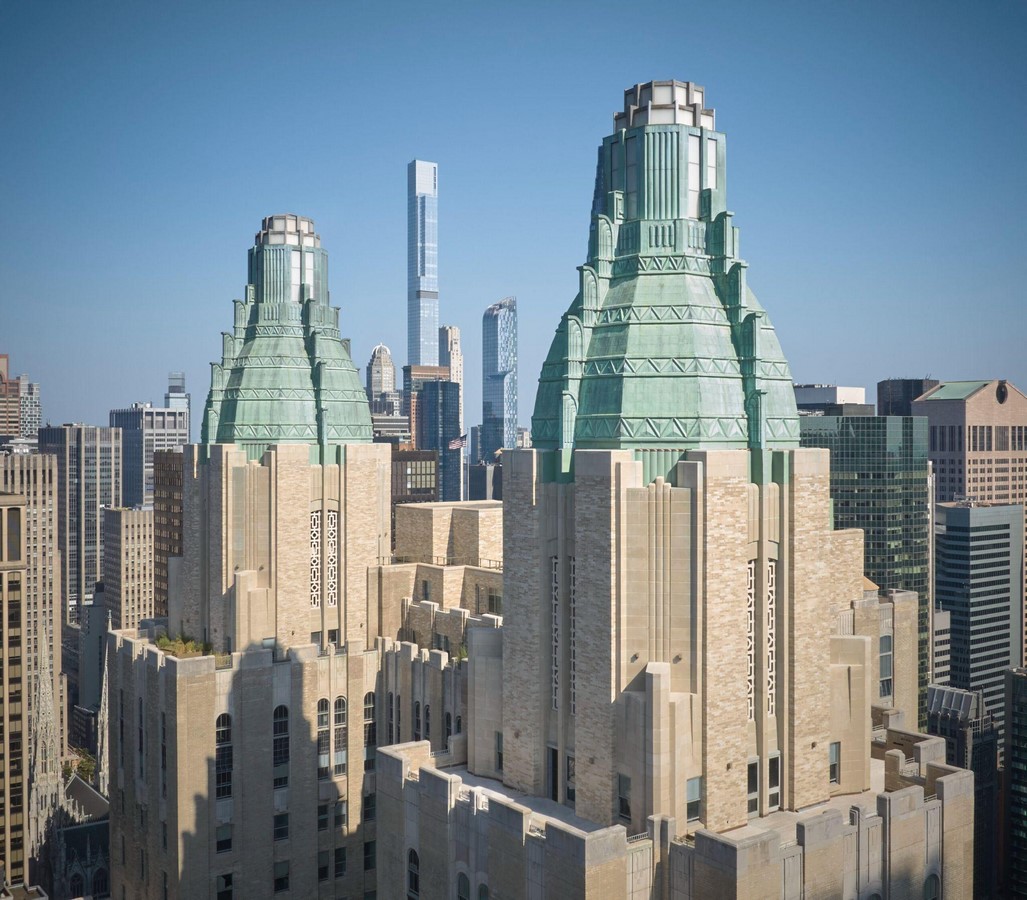
Over 20 setbacks, many of which were filled with mechanical equipment, have been transformed into communal and private terraces. At the top of the building, the previously empty pinnacles were reimagined as penthouses.
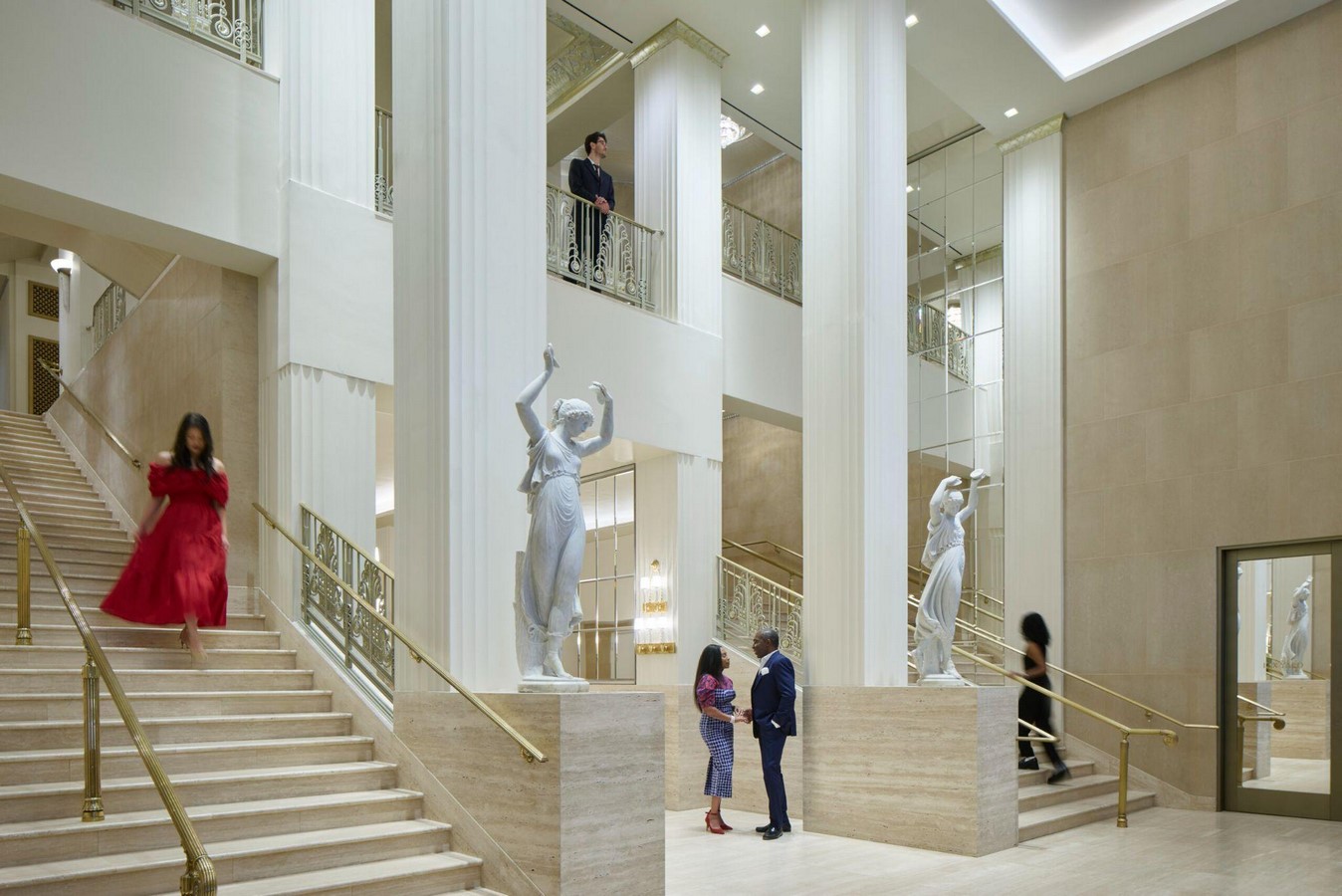
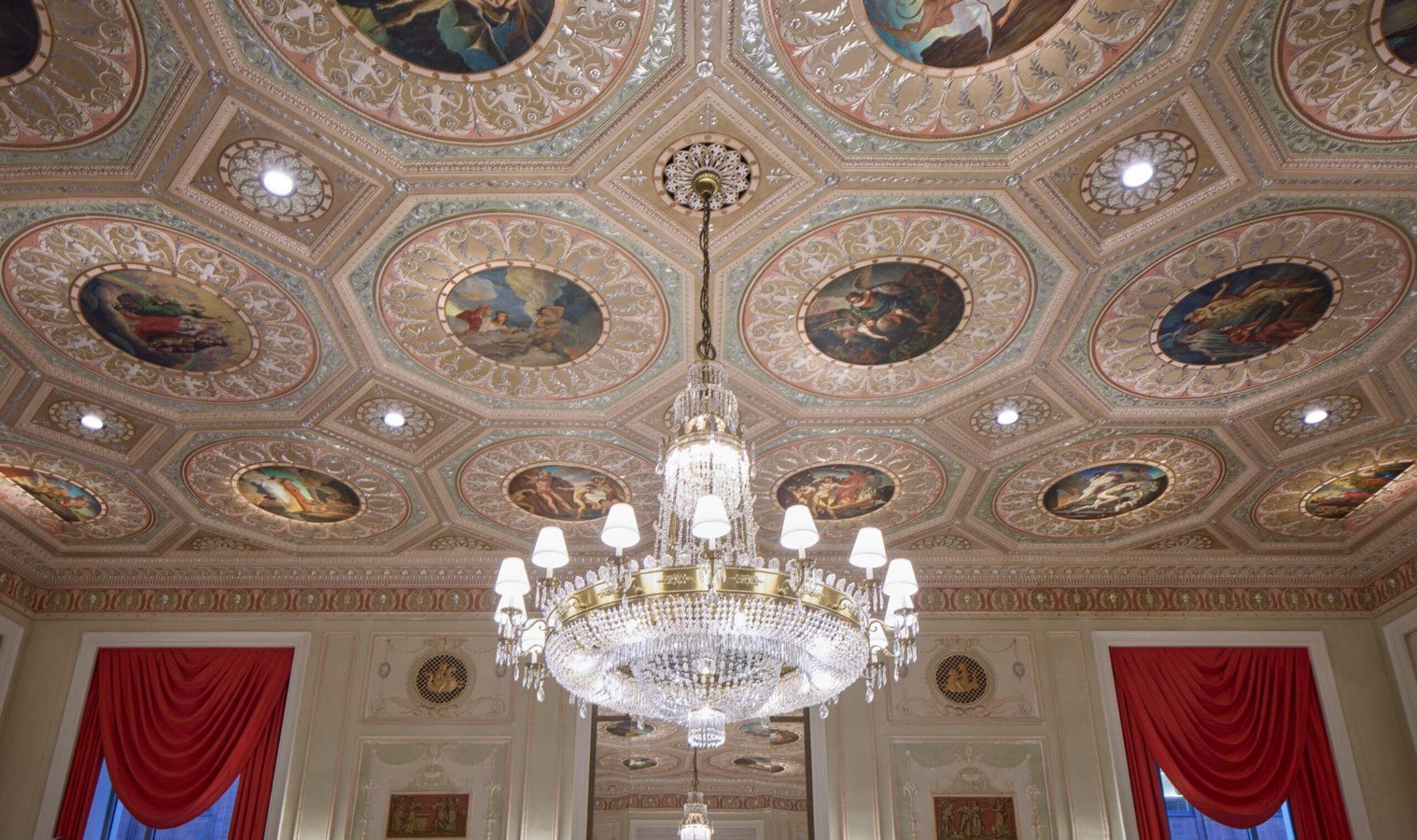
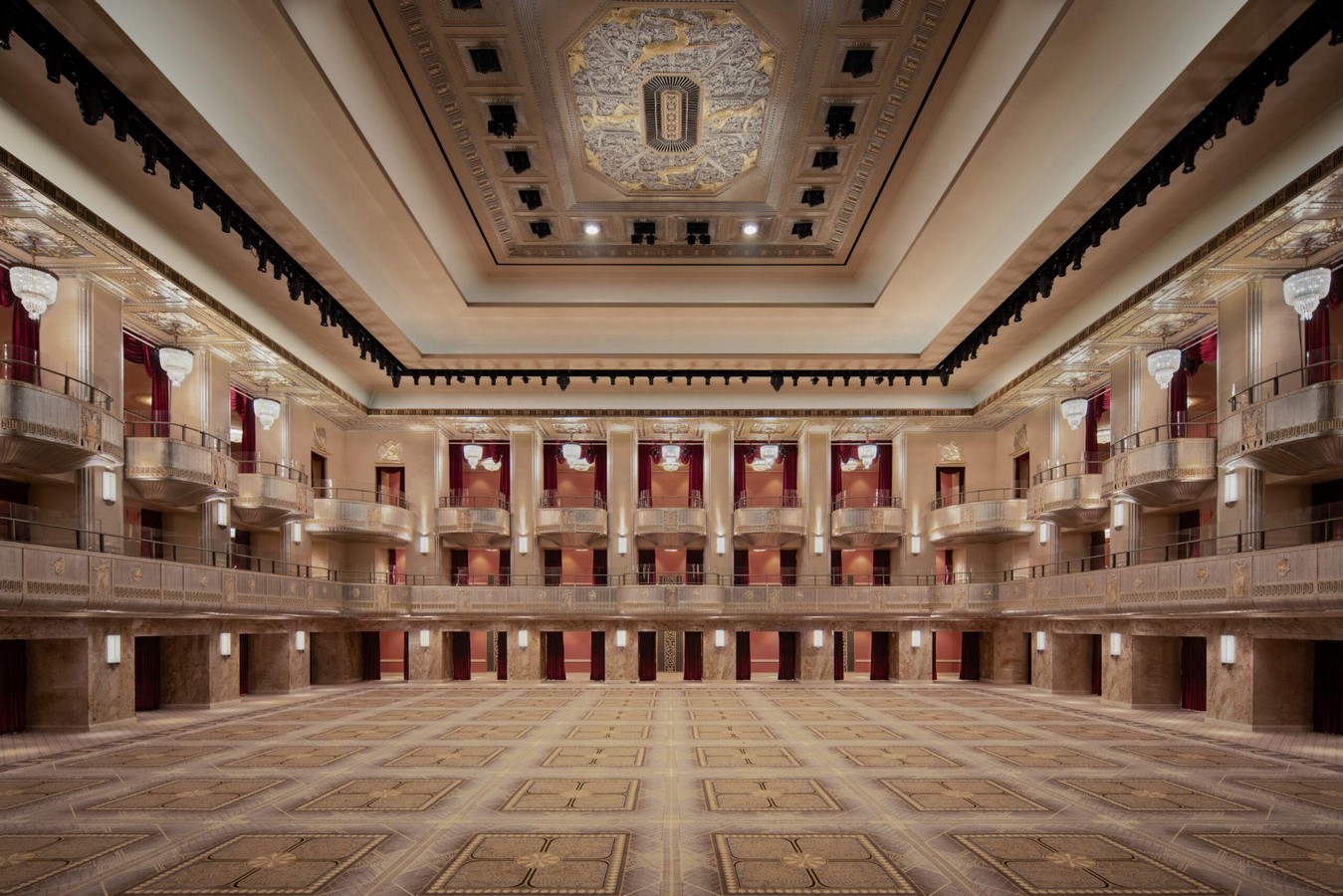
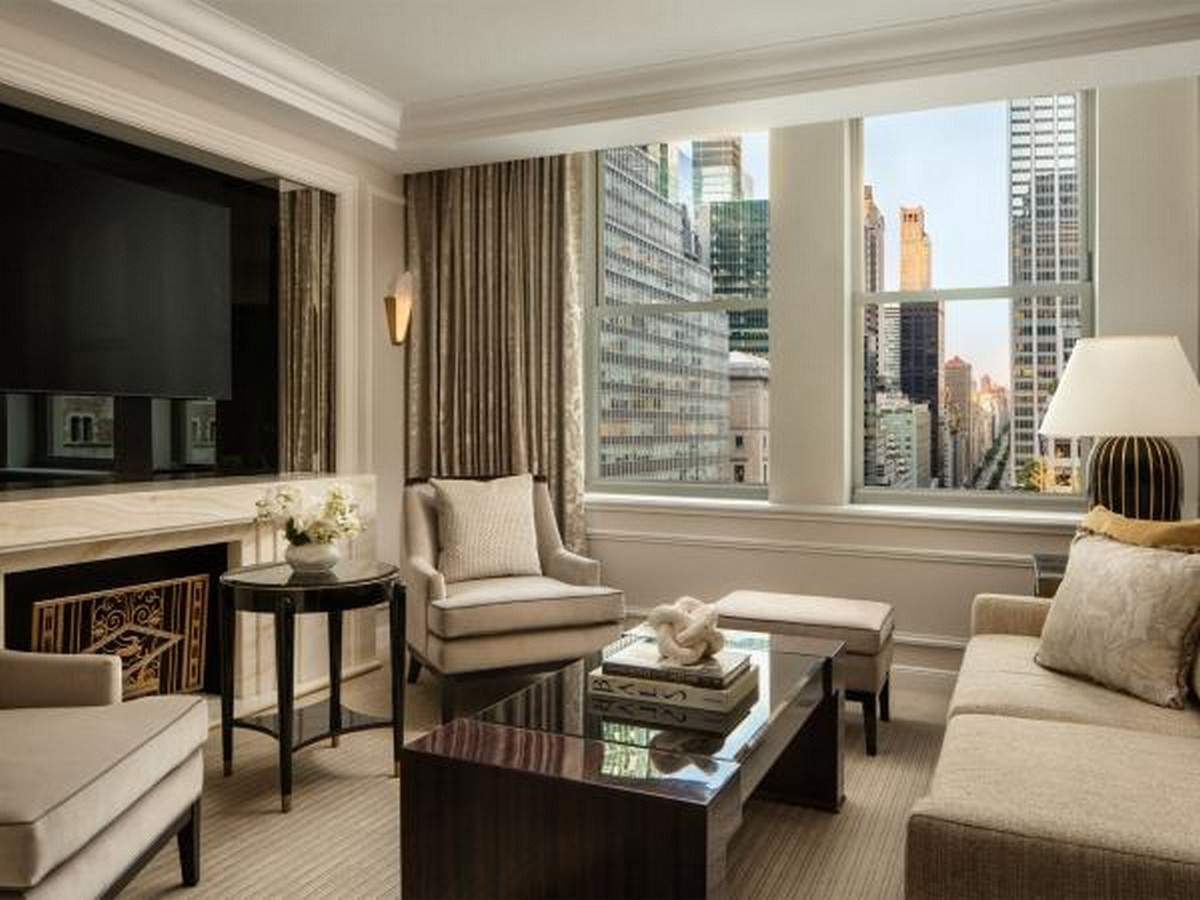
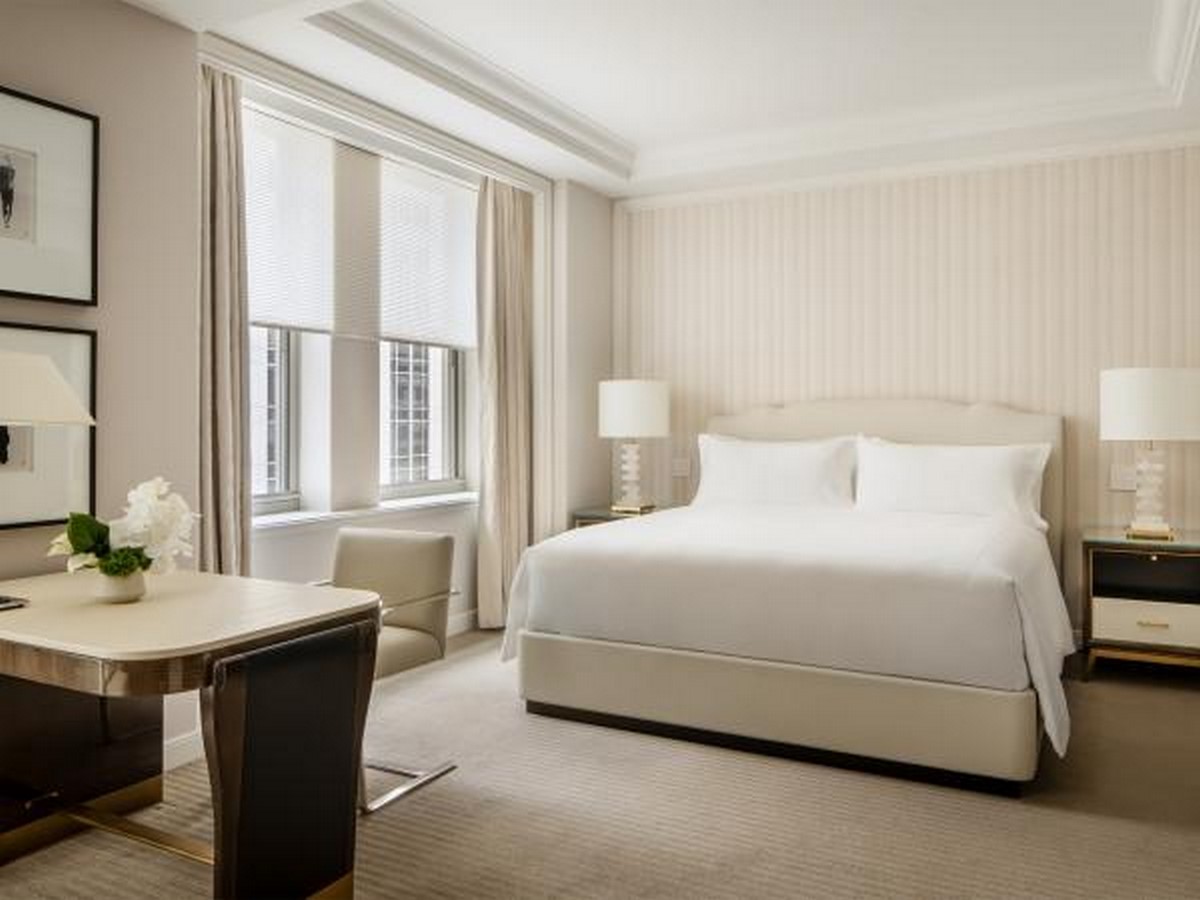
On the interior of the building, the project is a symphony of restoration. Landmark interiors such as the grand ballroom and peacock alley have been returned to their 1930s original, beautiful condition. Craftsmen have diligently returned the murals, mosaics, and elaborate plasterwork to their original condition, including the renowned “Wheel of Life” mosaic located in the Park Avenue lobby. The 1,400 guest rooms have been repurposed into 375 larger suites that were designed by the prominent Parisian designer Pierre-Yves Rochon, who designed the interiors to be contemporary and elegant while still respecting the building’s Art Deco history.
The Towers of the Waldorf Astoria
An important highlight of this new chapter is the offering of The Towers of the Waldorf Astoria, the 372 private residences on the upper floors. Completed with interiors by renowned Parisian designer Jean-Louis Deniot, these one-of-a-kind residences offer a level of luxury not previously offered. The residences range from generous studios to expansive penthouses, each featuring custom finishes and sweeping views of the city. Residents of The Towers enjoy a range of private amenities that include a dedicated concierge, a state-of-the-art fitness centre, and a private pool. This dual-residential and hotel model creates a standard for urban living that allows for more privacy and exclusivity for guests and residents alike.
A Nod to the Past, A Vision for the Future
To conclude, the restoration of the Waldorf Astoria exemplifies a thoughtful blend of historical reverence and architectural innovation. This project not only reinvigorates a beloved New York City landmark but also sets a new standard for combining preservation and modern luxury. Looking ahead, the Waldorf Astoria’s transformation provides a model for future preservation efforts, while also ensuring its legacy as a beacon of elegance for generations to come.
References:
Waldorf Astoria New York (2025) SOM. Available at: https://www.som.com/projects/waldorf-astoria/ (Accessed: 18 September 2025).
(No date) YouTube. Available at: https://www.youtube.com/watch?v=NQHbifQyWcg (Accessed: 19 September 2025).
Dan Howarth | 12 September 2025 Leave a comment (2025) SOM restores New York’s iconic Waldorf Astoria Hotel, Dezeen. Available at: https://www.dezeen.com/2025/09/12/som-waldorf-astoria-hotel-restoration-new-york/ (Accessed: 20 September 2025).
Waldorf Astoria New York: The greatest of them all (no date) Waldorf Astoria |. Available at: https://www.waldorfastorianewyork.com/ (Accessed: 19 September 2025).
Waldorf Astoria New York begins its next chapter (2025) Hospitality Design. Available at: https://hospitalitydesign.com/news/hotels-resorts/waldorf-astoria-new-york-renovation/ (Accessed: 20 September 2025).