The 19th Venice Architecture Biennale will take place from May 24 to November 23, 2025. Uzbekistan’s National Pavilion is expected to be one of the exhibition’s highlights, forging to bridge the past, present and future of architecture and science. The pavilion will focus on the current and future significance of the modernist scientific structure.
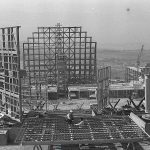
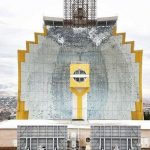
The Sun Institute of Material Sciences, originally known as ‘Sun Heliocomplex’ is located at the centre of Uzbekistan’s Pavilion at Venice Biennale. This is a large-scale scientific structure built in 1987 near Tashkent. It is considered to be one of the USSR’s major scientific projects, the solar furnace is one of the only two facilities worldwide that studies material behaviour under extreme temperatures. The exhibition also examines the site’s historical and contemporary significance, thus reflecting on its scientific role and cultural relevance beyond national borders.
The Sun Institute has an ambivalent legacy because of its advanced technological achievement and its monumental scale infrastructure is shaped by the constraints of the time, thus reflecting the Soviet-era’s ambitions. The Pavilion’s gigantic scale is consistent with the logic of the Soviet past showcasing how historical circumstances prevented it from becoming a fully operational cutting-edge facility. Thus narrating duality and paradoxes about the solar furnaces – ecological and non-ecological, modernist and archaic, celebrative and utilitarian, didactic and secret at the same time. The Pavilion’s architecture is bound to emanate its utopian aura, prompting reflections on its future over the surrounding landscape.
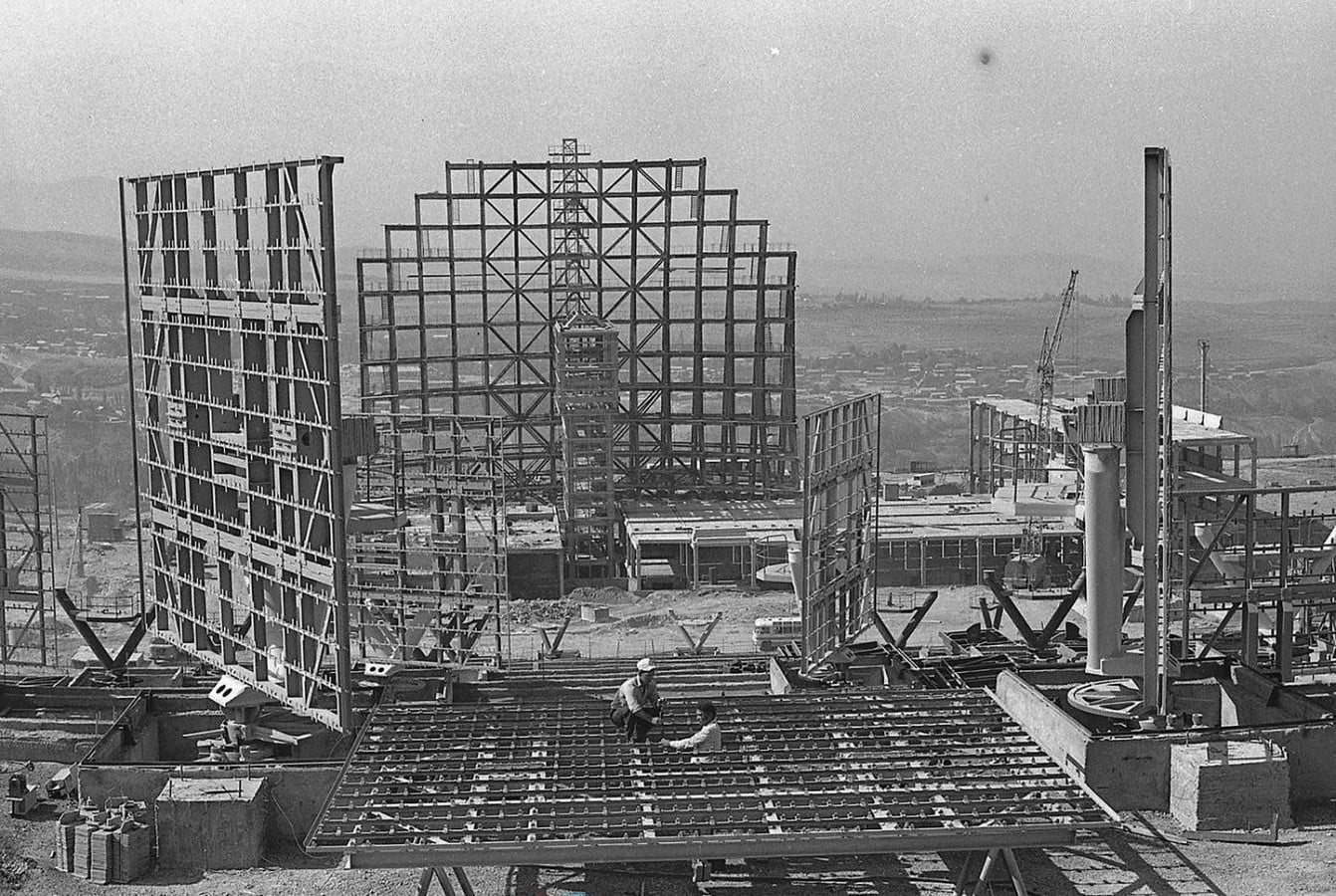

The Pavilion is built upon the ongoing ‘Tashkent Modernism Research Project’, which started in 2021 to respond to the urgent need to protect the modernist architectural sites of Tashkent. The Pavilion also demonstrates the significance of Tashkent’s modernist buildings for the city’s identity, ultimately securing national heritage status. The curators of the Pavilion aim to reframe the potential of the solar furnace and not emphasize the site’s loss of relevance. The Pavilion will also showcase objects and installations that capture the key aspects of the Sun Institute of Material Sciences. Each of the elements of the installation has been conceptually and functionally reinterpreted to reveal hidden meanings and possibilities that remained unachievable during its earlier existence.
Through the interpretation of its architectural and scientific importance, Uzbekistan’s Pavilion explores the potential of its site along with its meaning and relevance for science and culture. The Pavilion also aims to ignite discussions about preservation, innovation and the role of scientific heritage in shaping the future.
References:
- Uzbekistan to present the national pavilion at 19th Venice Architecture Biennale. Available at: https://www.uzdaily.uz/en/uzbekistan-to-present-national-pavilion-at-the-19th-venice-architecture-biennale/
- A Matter of Radiance. Available at: https://www.e-flux.com/announcements/652540/a-matter-of-radiance/