Modern interiors often rely on clean lines, controlled palettes, and open spatial planning. While this approach creates clarity and order, it can also result in spaces that feel visually flat if every surface performs in the same way. Texture introduces variation without disrupting simplicity. It allows designers to add depth, define zones, influence light, and create emotional connection while maintaining a refined architectural language.
Adds Depth Without Visual Clutter
In contemporary design, visual restraint is a defining characteristic. Subtle changes in surface quality allow a neutral scheme to feel layered and intentional rather than minimal to the point of emptiness.
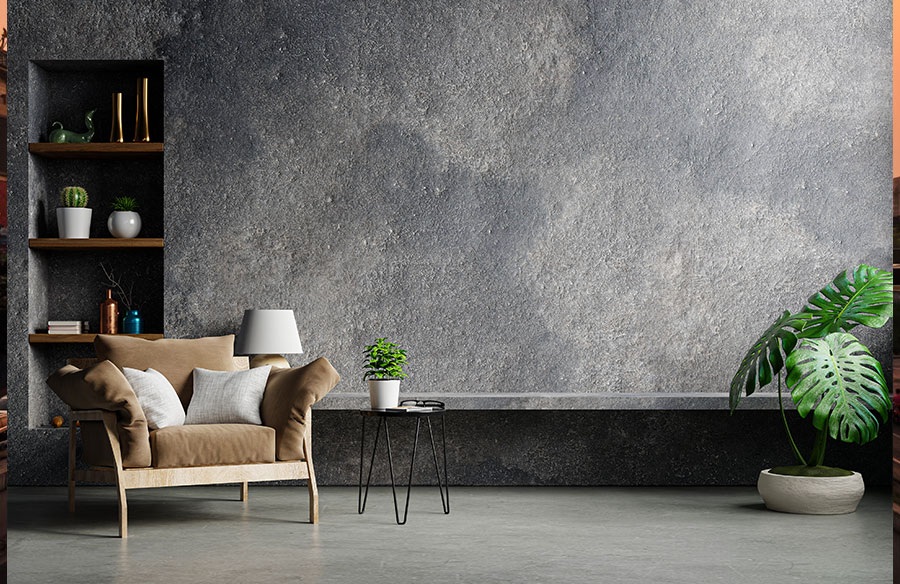
Through materiality, rough and smooth finishes interact with light differently, creating shadow, contrast, and movement across a room. This is why elements such as textured artworks are effective in modern interiors. They activate vertical planes, preventing walls from appearing static while maintaining a cohesive palette and architectural clarity.
Shapes How Light Behaves in a Space
Light is one of the main reasons tactile surfaces have such a strong impact. Even the most carefully planned layout will appear flat if finishes reflect light in the same way. Surface variation alters this behaviour by absorbing, diffusing, or highlighting illumination.
This relationship is central to architectural lighting design. Directional lighting across a tactile surface produces shadow and emphasis, turning a wall into a focal point. Diffused light softens the same surface and creates a calm atmosphere. Because modern interiors often rely on natural light and concealed fixtures, these finishes ensure that spaces remain visually dynamic throughout the day.
Defines Zones in Open-Plan Layouts
Open-plan environments require subtle methods of spatial organisation. Changes in wall treatment, flooring finish, or feature elements can signal a transition from one function to another while preserving visual continuity.
This supports the idea of spatial sequencing, where movement through a space feels deliberate and structured. Instead of using partitions, designers use tactile contrast to guide the eye and establish hierarchy. This approach is particularly relevant in contemporary residential and commercial projects that prioritise flexibility and flow.
Creates Emotional Warmth and Comfort
Modern interiors can sometimes feel impersonal if they rely solely on polished or uniform materials. Layered and tactile finishes introduce a human element by referencing natural and handcrafted surfaces. This connection is often explained through biophilic design, which links material authenticity with well-being.
Soft textiles, carved timber, and dimensional wall treatments create environments that feel more comfortable and lived-in. People respond to tactile variation because it mirrors natural surroundings, making a space feel balanced rather than clinical. In both homes and public environments, this emotional response encourages longer engagement with the space.
Strengthens Design Longevity
Surface depth contributes to the long-term relevance of an interior. Colours and decorative styles change frequently, but materials with inherent character tend to remain timeless because they are rooted in authenticity rather than trend.
This aligns with sustainable design principles. Finishes with built-in visual richness require fewer updates over time, as they continue to perform even when furniture or styling changes. By relying on surface variation instead of excessive decoration, interiors maintain their impact while reducing the need for frequent renovation.
A Core Strategy in Contemporary Interiors
Texture operates as more than a surface treatment; it is a unifying framework that introduces depth, directs light, organises open-plan layouts, and reinforces emotional comfort. These qualities are essential in contemporary interiors that depend on clarity and restraint. By embedding visual richness into the material language itself, spaces retain their impact over time while remaining minimal, balanced, and enduring.