Homeowners often feel confused when they realize their basement is wet because there are so many different ways to fix the problem. You might hear some people talk about digging up the whole yard while others suggest working strictly from the inside of the house. Both methods are designed to keep the space dry, but they go about it in very different ways.
Choosing the right path depends on the specific source of the water and the way the foundation was originally built. It is not just about stopping a leak today; it is about finding a strategy that works for the long haul. Most families want a solution that provides maximum protection with the least amount of stress for their daily lives.
Comparing these two major approaches is the best way to determine which one fits your specific needs and budget. Making an informed choice often starts by reaching out to reputable and experienced waterproofing companies. Having a professional guide you through the pros and cons of each method ensures that your home stays dry and stable through every storm.
How Interior Drainage Systems Work
Interior drainage systems are built to manage the water that is already trying to push its way through the floor and walls. This process usually involves cutting a small trench around the perimeter of the basement floor to install a specialized drainage track. These channels are designed to catch seepage before it ever reaches the middle of the room.
Once the water is collected in the perimeter track, it is directed toward a high capacity sump pump system located in a basin. The pump acts as the heart of the entire setup by lifting the water and pushing it safely away from the foundation. This method is incredibly effective at keeping a basement floor dry regardless of the soil pressure.
Many families prefer this approach because it can be installed in a finished basement without disturbing the landscaping or the driveway. It is a reliable and time tested way to deal with the hydrostatic pressure that causes most common basement leaks. Having a functional interior system provides a dry environment that is perfect for storage or extra living space.
Exterior Excavation and Barrier Methods
Exterior waterproofing takes a more aggressive approach by stopping the water before it ever has a chance to touch the foundation walls. This method requires excavating the soil all the way down to the base of the footing around the perimeter of the house. It is a major project that provides a complete barrier against the elements.
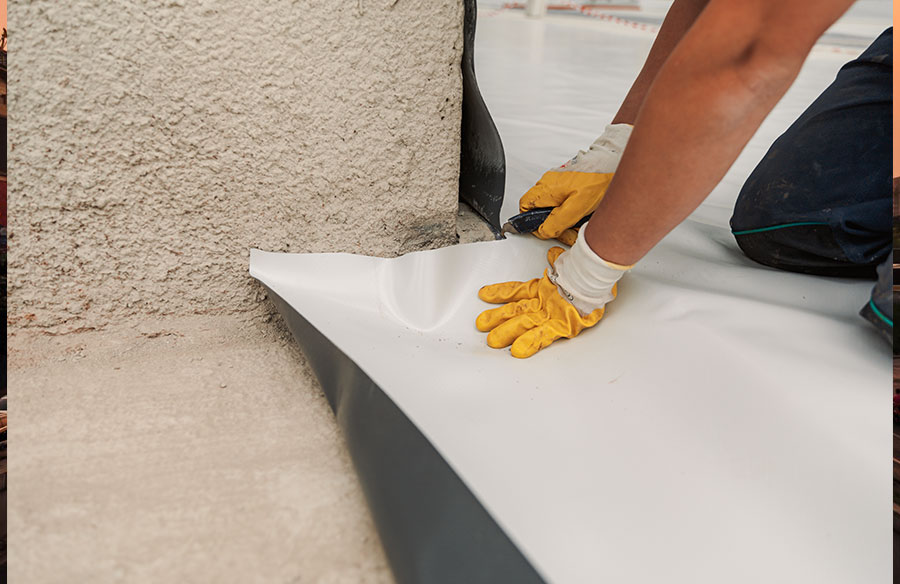
Once the wall is exposed and cleaned, a heavy duty waterproof membrane is applied to the concrete or masonry surface. This shield prevents moisture from being absorbed into the porous material of the foundation through capillary action. A new footing drain is then installed to carry the ground water safely away from the building.
This method is often the best choice for homes with finished basements where the owners do not want to disturb the interior walls. It provides the highest level of protection by managing the water at its source outside the home. While it involves more manual labor, the result is a foundation that remains completely dry and secure for many decades.
Which Situations Each Method Fits Best
Determining which method is best often comes down to identifying exactly where the water is coming from during a storm. If the moisture is pushing up through the cove joint where the floor meets the wall, an interior system is usually the most efficient fix. This type of seepage is common in areas with high groundwater levels.
For homes that are experiencing significant seepage through the walls themselves, an exterior barrier might be the more effective long term solution. This is especially true if the foundation is made of porous brick or stone that can easily absorb moisture from the surrounding earth. Every property has a unique landscape that influences how the water behaves.
Professional inspectors use their experience to look for clues like mineral deposits or staining that reveal the history of the leaks. They can tell if the problem is caused by poor drainage on the surface or by deep pressure from the saturated soil. Matching the repair to the specific source ensures that the basement stays dry for good.
Longevity and Installation Disruption Factors
Installation scope is a major factor that homeowners must consider when they are choosing between these two different repair methods. Interior work is usually faster and can be completed in just a few days without any major changes to the yard. It allows for a clean and efficient process that does not depend on the weather.
Exterior excavation is a much more intensive process that involves heavy machinery and significant disruption to the outdoor living space. Decks, patios, and expensive landscaping may need to be removed and replaced once the work is finally finished. This approach requires more coordination and a longer timeline to reach a successful conclusion for the project.
Both methods are designed to provide a lifetime of protection as long as they are installed by skilled and dedicated professionals. Longevity depends on using high quality materials and following the best engineering standards for the specific foundation type. Investing in the right approach now saves time and money on future repairs and water damage.
Conclusion
Summarizing the evaluation factors helps a property owner feel more confident in their final decision for their specific household. It is a balance of considering the current budget, the desired level of protection, and the tolerance for disruption. Every home deserves a strategy that respects the original architecture while providing modern security.
Success in waterproofing comes from a commitment to quality and a deep understanding of how water moves through the ground. Whether you choose to work from the inside or the outside, the goal remains a stable and dry basement environment. Taking the time to research the options leads to a much more satisfying and lasting result.
The peace of mind that comes from a dry home is a valuable asset that improves the overall quality of daily life. Protecting the foundation from the ground up ensures that the property remains a safe and reliable sanctuary for the family. High standards in every phase of the project lead to a future that is completely dry.