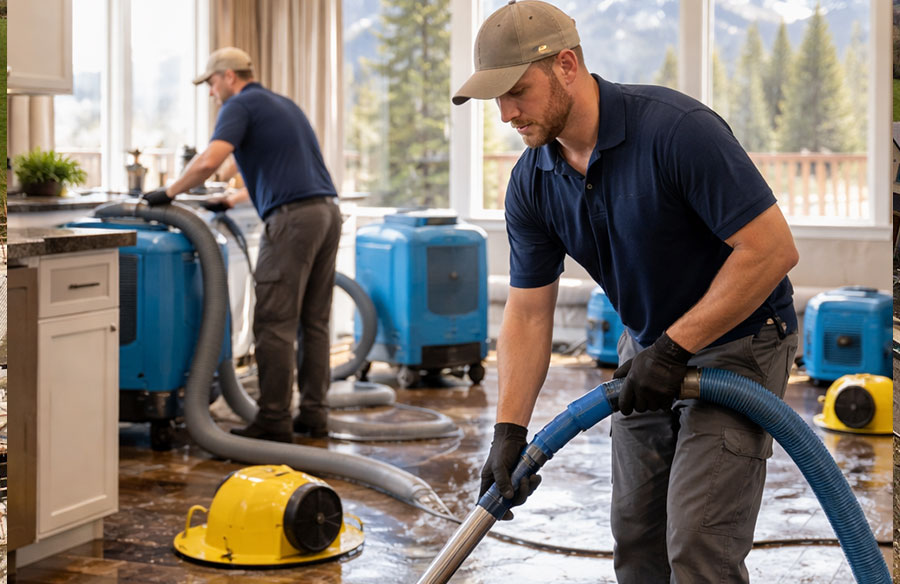
Water has always shaped architecture. It sustains life, defines landscapes, and influences materials. Yet when it enters a building unintentionally, it becomes one of the most destructive forces in the built environment. From residential interiors to mixed use developments, uncontrolled moisture compromises structure, indoor air quality, and long term performance.
For property owners and design professionals researching water damage restoration in Colorado, the topic extends beyond cleanup. It intersects with material science, building envelope design, climate response, and lifecycle durability.
This discussion reframes water damage restoration through an architectural and systems based lens.
Water as a Building System Failure
In architecture, water intrusion is rarely random. It is often the result of system failure.
A roofing detail that allows ponding.
Improper flashing at window transitions.
Unsealed penetrations around mechanical systems.
Plumbing routed through unconditioned spaces.
Each of these weak points becomes a pathway.
When water enters, it does not remain localized. It follows gravity, capillary action, and material porosity. Gypsum board absorbs moisture rapidly. Engineered wood products swell and lose structural integrity. Insulation traps dampness, reducing thermal performance.
According to the Federal Emergency Management Agency, mold growth can begin within 24 to 48 hours after materials become wet if drying does not occur promptly. This timeline underscores how quickly a design oversight can escalate into a health and structural concern.
Climate, Construction, and Moisture Vulnerability
Regions with fluctuating temperatures experience unique moisture challenges. Freeze thaw cycles stress roofing membranes and pipe systems. Rapid snowmelt increases roof load and drainage pressure. Intense seasonal storms test façade resilience.
Contemporary construction methods introduce additional complexity. Open floor plans and tightly sealed building envelopes improve energy efficiency but also reduce natural drying potential. Once moisture enters, it may remain trapped behind vapor barriers or modern finishes.
This raises an important question for architects and builders: How do we design for both performance and recoverability?
The Restoration Process as Building Science
Water damage restoration is not merely a service industry response. It is an applied form of building science.
The first step is assessment. Moisture meters and infrared thermal imaging identify saturation levels inside assemblies. What appears dry at the surface may conceal elevated moisture within framing cavities.
Extraction follows. Industrial grade pumps and vacuums remove standing water to limit further absorption.
Structural drying is the most technical phase. Controlled airflow and dehumidification create pressure differentials that draw moisture out of materials. Humidity levels are monitored daily. Drying continues until verified readings confirm that materials have returned to acceptable moisture content.
The Environmental Protection Agency emphasizes the importance of thoroughly drying or removing wet materials to prevent mold growth. Verification, not assumption, defines success.
In this sense, restoration parallels commissioning. It ensures that the building system returns to functional equilibrium.
Material Performance Under Moisture Stress
Different materials respond differently to water exposure.
Solid hardwood may cup or warp but can sometimes be salvaged through controlled drying. Engineered wood often delaminates when saturated. Gypsum board loses strength rapidly and may require removal. Concrete and masonry absorb moisture but can dry if ventilation and time are sufficient.
For designers, these responses highlight the importance of material selection in moisture prone zones. Basements, mechanical rooms, and roof interfaces require finishes that tolerate intermittent exposure.
Water damage restoration professionals often collaborate with contractors to determine what can be preserved and what must be replaced. The goal is not cosmetic repair but structural integrity and indoor air quality stability.
The Human Experience of Water Damage
When water infiltrates a space, disruption extends beyond materials.
Furniture is displaced. Rooms become inaccessible. Occupants face uncertainty about safety and cost.
Water damage also affects perception. Stains, odors, and warped surfaces alter how a space feels. Even after drying, psychological impact lingers unless remediation is thorough.
This is where communication becomes essential. Clear explanation of the drying process and documentation of moisture readings reassure occupants that recovery is complete.
Insurance, Documentation, and Lifecycle Value
From a property management perspective, documentation is critical. The Insurance Information Institute reports that water damage and freezing are among the most common homeowners insurance claims in the United States.
Accurate records of mitigation steps, drying logs, and material removal support claims and protect long term asset value. For future buyers, documented professional restoration demonstrates responsible stewardship.
Buildings inevitably encounter stress. How those events are managed influences their lifecycle performance.
Designing With Recovery in Mind
Forward thinking architecture increasingly considers resilience. That includes acknowledging that water intrusion may occur and planning for efficient recovery.
Strategies include:
- Accessible plumbing pathways
- Durable base materials in moisture exposed zones
- Thoughtful drainage design
- Clear separation between conditioned and unconditioned spaces
By anticipating risk, designers reduce long term vulnerability.
When water damage does occur, experienced restoration teams help bridge the gap between emergency response and architectural integrity. Companies such as HRS Restoration Services work within this framework, focusing not only on removal of water but on verified structural drying and material stability.
Next Steps
Water damage is not solely a maintenance issue. It is a design, materials, and systems issue. Whether you are a homeowner, architect, or property manager, understanding the science behind restoration empowers better decisions.
If moisture intrusion is suspected, early professional assessment protects both structure and occupant health. HRS Restoration Services provides specialized water damage restoration support, guiding properties from initial mitigation through full recovery while preserving long term performance.