Divorce is a stressful experience that doesn’t end when the legal paperwork is signed. When the home you’ve shared with someone disintegrates, your daily routines, experiences, and habits also shift. In that space, the right architecture can be a healing experience, helping you reconstruct your identity and regain stability in your life.
Before jumping into the first house you find, consider opting for a design that supports you emotionally. Pay attention to the lighting, layout, building materials, and how close you are to nature. All of these elements make more of a difference than you might think.
Here’s how the architecture of your post-divorce home will influence your ability to sleep, manage stress, regulate your emotions, and think clearly.
1. Beautiful, new architecture can make you feel independent
The home you built with your former spouse may have been ideal when you were together, but if you continue to live there, you risk falling into depression. Separation will affect how you use every room in the house. In a familiar setting that used to be shared, it will always feel like something is missing. Rooms that once symbolized joint decision making might become painful and impossible to occupy.
Even if you got the house in the divorce, consider moving into a new space that makes you feel good about yourself. It doesn’t have to be anything fancy. It can be a smaller house or an apartment. Either way, you’ll gain a stronger sense of independence and confidence when you move out of the home that represents your failed relationship.
2. Embrace nature as part of your home’s design
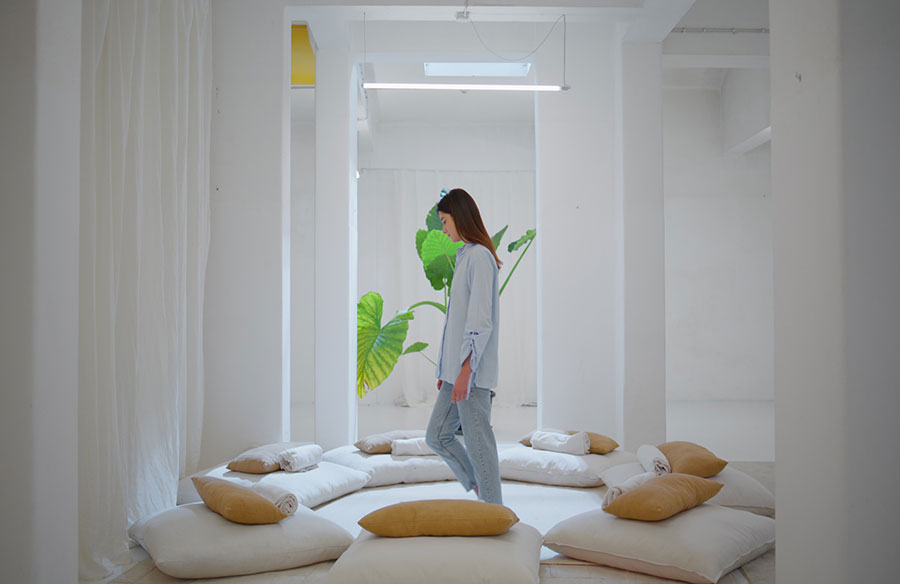
You’ll feel amazing whether you bring nature indoors in the form of plants or your house is located in nature with a green backyard. Connection to nature is linked to improved mental health. When your home is already surrounded by nature, you won’t have to drive or walk to benefit. You can just walk outside and relax in the sun or shade on your porch or in your yard.
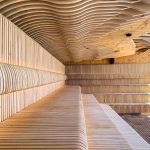
Materials like wood, stone, and linen are exceptional tools for staying grounded. These textures will positively influence your perception of warmth and safety, which will keep your nervous system calm while you recalibrate. Choosing a home with stone or wood siding would be an excellent choice post-divorce.
It’s also critical to have windows that peer out into green spaces or the sky. Being able to look out at nature can reduce your cognitive load and lower stress. Even a small balcony or porch can provide much-needed mental relief.
3. Focus on lighting and sleep quality
It’s virtually guaranteed that you’ll experience disrupted sleep from stress, and that’s why it’s essential to use professional architectural lighting strategies to your advantage. For example, an east-facing window in your bedroom will help you wake up naturally with the rising sun. Morning sunlight triggers your body to release cortisol, which keeps you alert during the day.
The right architectural lighting has the power to shift your mood for the better. Natural light flooding your home throughout the day can reduce mood swings and make you feel happier overall.
At night, it helps to have warm, dimmable lighting to support melatonin production. If you walk around a house at night with harsh overhead lights, your body will postpone producing melatonin, and you’ll struggle to fall asleep. It will be even harder to fall asleep if you turn off the lights and just stare at your phone, laptop, or tablet close to bedtime.
4. Prioritize spatial function
A cluttered home will keep you in a state of cognitive overload. After a divorce, your mental processing demands will already be high. That’s exactly why you need to prioritize the spatial function of your home and keep it clutter-free. For example, create clear distinctions between where you sleep, work, and socialize. Keeping hallways and other pathways clear will make it easy to navigate your home without any mental friction. If you have a lot of stuff you need to access regularly, built-in storage and organizational systems will keep your spaces clean and functional.
5. Personalize your space
After a divorce, you’re going to reinvent yourself through a new identity. By personalizing your layout – even if it’s just how you arrange your furniture – you can step into a whole new experience. Even if all you do is transform your dining room into a reading library, every personalization will support building your new identity.
Design for healing
There’s no way around it – divorce disrupts daily life and reshapes routines into something unrecognizable even in a familiar home. Instead of trying to make the old ways work post-divorce, create a new space for yourself that will help you heal.