Walls have a much bigger effect on how a room feels than many people realize. Even well-furnished spaces can feel crowded, chaotic, or visually overwhelming when wall layouts are poorly planned. In smaller homes especially, wall organization strongly influences whether rooms feel calm and functional or cluttered and difficult to relax in. Many common decorating habits unintentionally create visual noise that makes spaces feel busier than they actually are.
The good news is that improving wall design rarely requires major renovations or expensive redecorating. In many cases, a few layout adjustments, better spacing choices, and more intentional organization can completely change how open and balanced a room feels. The most comfortable interiors are usually the ones where wall design supports the room rather than competing for attention constantly.
Overcrowding Walls Creates Visual Fatigue
One of the most common decorating mistakes is placing too many items on the walls without enough visual breathing room between them. Gallery walls, shelves, mirrors, signs, and artwork can all work well individually, but when too many elements compete for attention at once, rooms often begin feeling smaller and more stressful visually.
Many people continue adding decorations gradually over time without stepping back to evaluate how crowded the overall wall layout has become. Empty wall space is often just as important as decorated space because it allows the eye to rest naturally. Rooms generally feel calmer and more organized when wall décor is balanced instead of covering every available surface.
Poor Shelf Placement Can Make Rooms Feel Chaotic
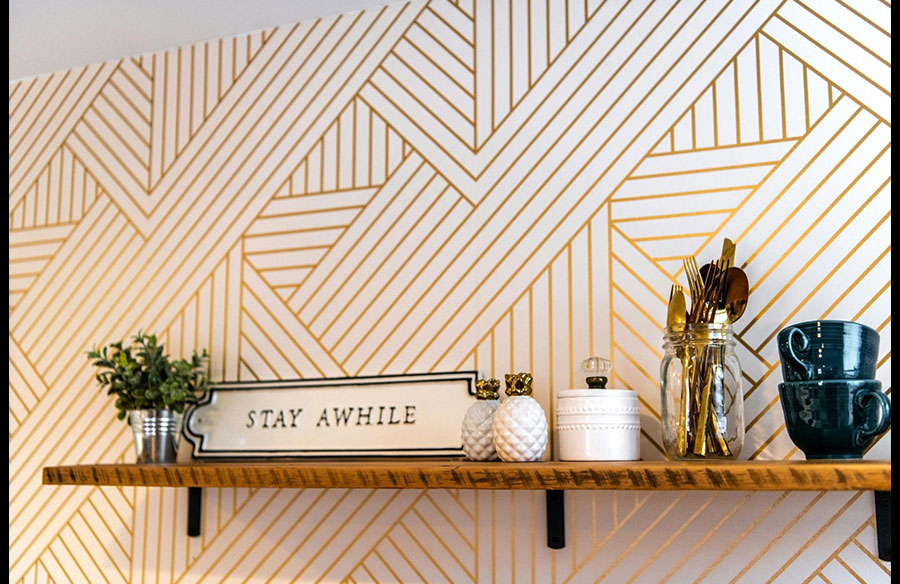
Shelves are useful because they combine storage with decoration, but poorly positioned shelving can quickly create cluttered-looking walls. Shelves placed too high, too low, or in awkward arrangements often disrupt the visual balance of a room instead of improving it. Uneven spacing and overloaded shelves also tend to make walls feel heavier and more crowded.
Practical guides explaining how to put up a shelf are often useful because proper placement affects not only functionality but also how visually balanced a room feels afterward. Well-positioned shelving usually works best when it supports the proportions of the room instead of interrupting natural sightlines or overcrowding narrow spaces.
Large Decorations Sometimes Overpower Smaller Rooms
Many people assume larger wall décor automatically creates stronger visual impact, but oversized pieces can easily overwhelm smaller rooms when scale is not considered carefully. Very large artwork, bulky shelving systems, or heavy decorative pieces often dominate the room visually and make surrounding furniture feel cramped.
Balanced scale generally helps rooms feel more comfortable and open. Smaller spaces usually benefit from lighter visual weight, simpler layouts, and carefully chosen focal points instead of multiple oversized decorative elements competing simultaneously for attention.
Cluttered Shelving Often Creates Hidden Stress
 Open shelving can look appealing in photos, but it frequently becomes a source of visual clutter when too many objects are displayed at once. Books, plants, storage baskets, framed photos, and decorative accessories can quickly create a crowded appearance if there is no clear organization system.
Many people find that simplifying shelf styling immediately makes rooms feel cleaner and more relaxing. Leaving intentional empty space between objects often improves visual balance significantly. Functional storage tends to work better when shelves support organization instead of becoming display areas for every unused item in the room.
Inconsistent Color Choices Affect Visual Balance
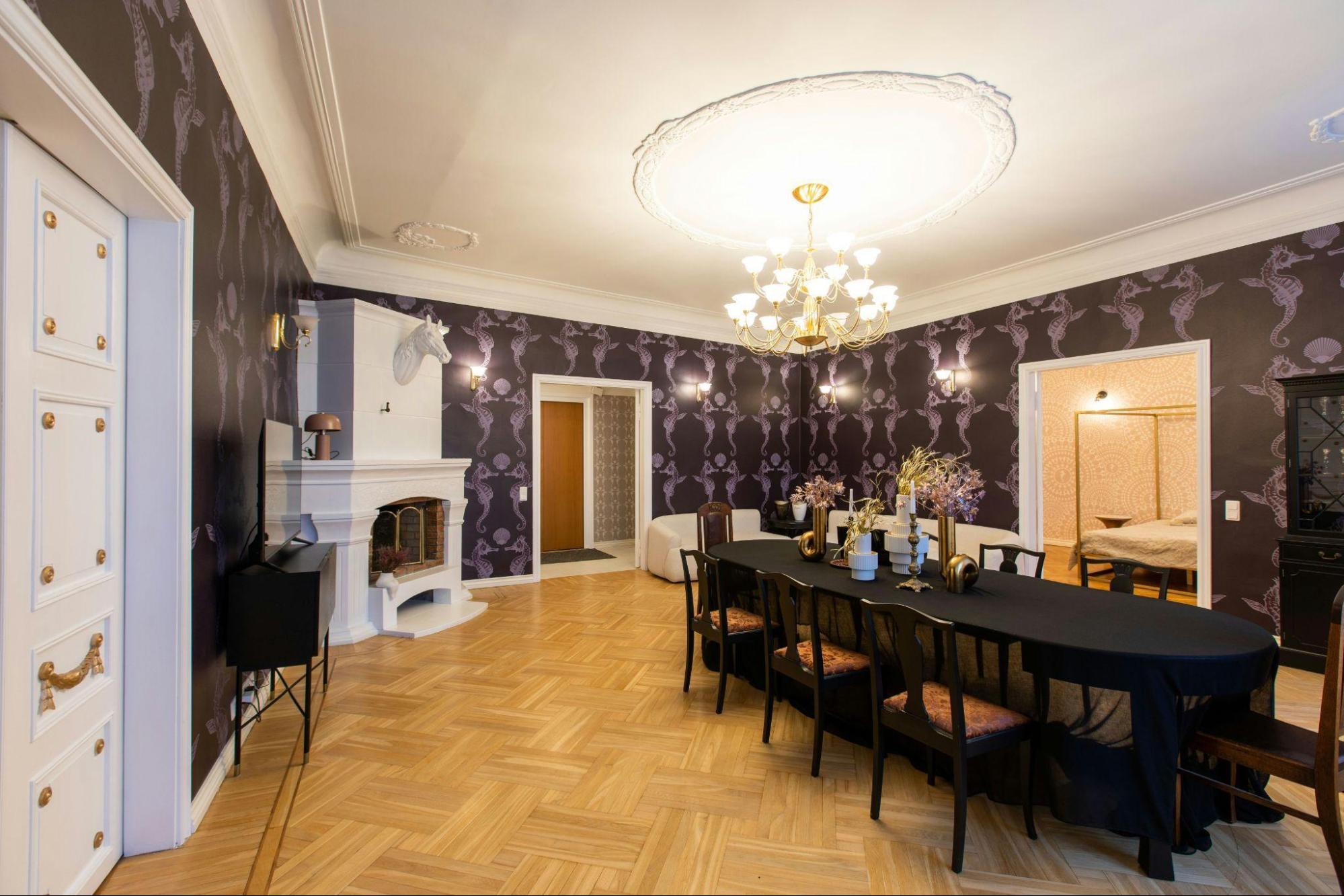
Wall décor with too many unrelated colors, materials, or styles can make spaces feel disorganized even when everything is technically clean. Rooms usually feel calmer when wall elements share some visual consistency through tones, textures, or spacing. This does not mean everything needs to match perfectly, but too many competing design styles often create visual tension.
Simpler color palettes frequently help walls feel more cohesive and less overwhelming. Neutral backgrounds combined with a few stronger accents often create more balance than constantly layering bold colors and patterns throughout every wall surface.
Lighting Can Either Improve or Worsen Wall Clutter
Lighting strongly influences how cluttered walls appear. Harsh overhead lighting often exaggerates visual noise by making every object compete for attention equally. Softer layered lighting usually helps rooms feel calmer because it creates depth and allows certain features to stand out more naturally.
Wall sconces, lamps, indirect lighting, and softer warm-toned bulbs often improve the atmosphere of a room without drawing excessive attention to decorative clutter. According to Architectural Digest, thoughtful lighting design plays a major role in how balanced and comfortable interior spaces feel overall.
Simpler Layouts Often Feel More Comfortable Long-Term
Many decorating trends encourage people to constantly add more visual elements, but highly decorated spaces often become tiring to live with over time. Simpler layouts usually feel easier to maintain because rooms remain visually calmer and more functional throughout daily life.
The most comfortable interiors are often the ones where walls support organization, balance, and breathing room rather than constantly demanding attention. Small adjustments to shelf placement, spacing, lighting, and decoration levels frequently make spaces feel significantly more open, relaxing, and usable without requiring major redesigns.