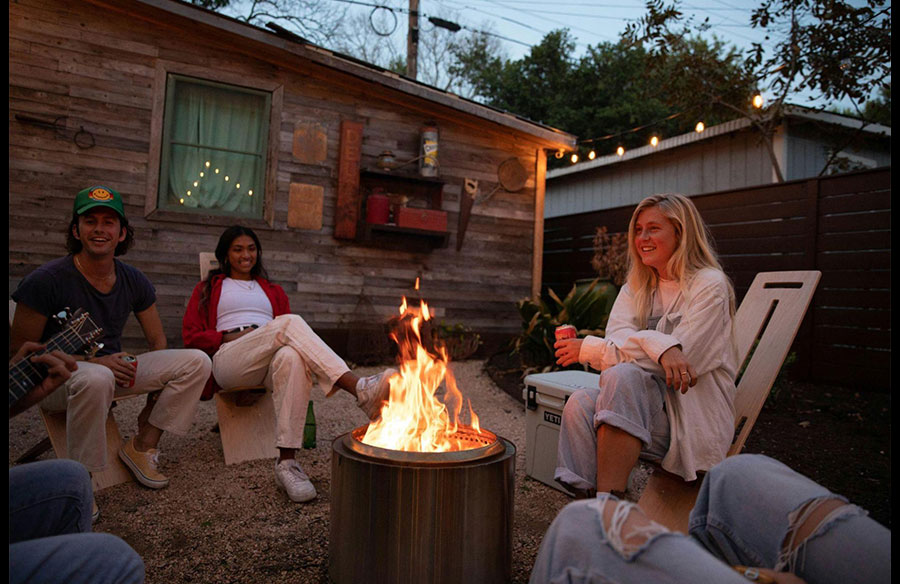
Outdoor spaces are no longer designed only for daytime use. Many homeowners now view their backyards as extensions of the home itself, creating environments where people can relax, entertain, dine, and spend time comfortably long after the sun goes down. As a result, nighttime usability has become one of the biggest priorities in modern backyard design.
The most effective outdoor layouts focus on comfort, atmosphere, lighting, and functionality rather than simply appearance alone. Homeowners increasingly want spaces that feel inviting during cooler evenings, support social gatherings naturally, and remain practical throughout multiple seasons. Small layout decisions often make a major difference in how often outdoor spaces actually get used at night.
Fire Features Help Create Natural Gathering Areas
One of the biggest changes in outdoor design is the growing emphasis on creating central gathering spaces. Instead of scattered seating arrangements with no clear focal point, many homeowners now organize patios and backyard layouts around one primary feature that encourages conversation and relaxation naturally.
Products from Royal Fire Pits are frequently incorporated into outdoor layouts because fire features help make backyards feel warmer, more social, and significantly more inviting after sunset. A central fire element often encourages people to stay outdoors longer while also helping larger spaces feel more connected and visually balanced during nighttime gatherings.
Layered Lighting Makes Spaces Feel More Comfortable
Lighting strongly influences how usable and welcoming outdoor spaces feel after dark. Harsh floodlights can make patios feel overly bright and uncomfortable, while poorly lit areas often feel impractical or disconnected from the home. Layered lighting tends to work best because it creates both visibility and atmosphere at the same time.
Path lights, string lighting, wall fixtures, accent lighting, and softer overhead illumination all help create more balanced nighttime environments. Many homeowners now focus on lighting that supports conversation and relaxation instead of only maximizing brightness. Warm lighting tones generally help outdoor spaces feel calmer and more inviting during evening hours.
Defined Zones Improve Functionality
One reason some outdoor spaces feel awkward at night is because the layout lacks structure. Defining separate areas for dining, lounging, cooking, or entertainment helps outdoor spaces feel more intentional and easier to use after dark. Clear organization also improves flow when hosting guests or moving between different backyard activities.
Outdoor rugs, planters, seating arrangements, and pathways are often used to visually separate areas without making the yard feel closed off. Even smaller backyards usually feel more functional when each section serves a clear purpose instead of functioning as one large undefined space.
Comfortable Seating Encourages Longer Evenings Outside
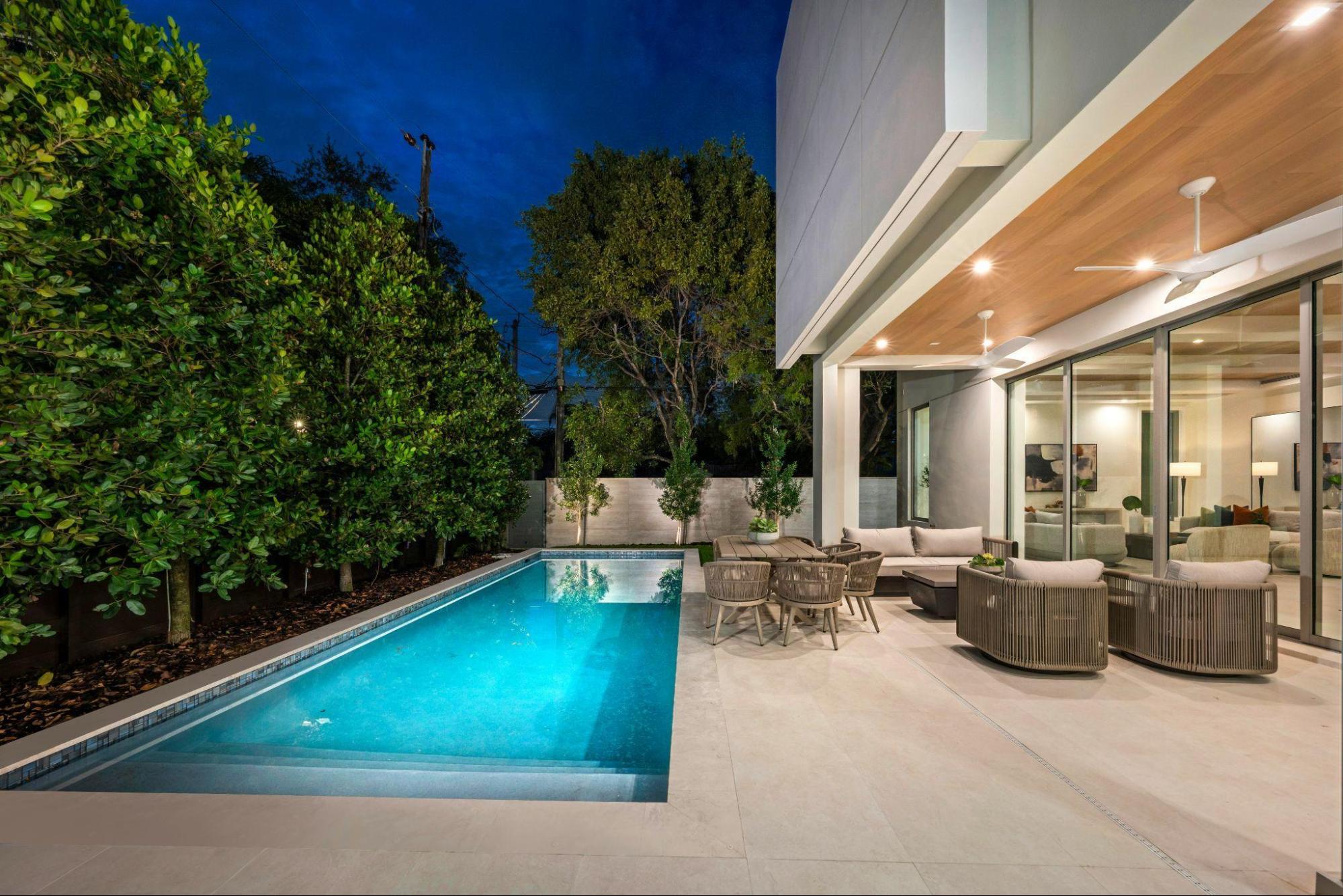 People naturally spend more time outdoors when seating feels genuinely comfortable. Many older patios focused heavily on appearance while overlooking long-term comfort and practicality. Today, homeowners increasingly prioritize outdoor furniture that supports relaxation rather than purely decorative setups.
Deep seating, weather-resistant cushions, layered textiles, and flexible furniture arrangements all help make outdoor areas feel more inviting during cooler nighttime temperatures. Comfort-focused layouts often encourage more regular outdoor use because people actually want to stay outside longer instead of returning indoors quickly after meals or gatherings.
Privacy Features Make Outdoor Spaces Feel More Relaxing
Privacy plays a major role in how comfortable outdoor environments feel, especially at night. Backyards exposed directly to neighboring properties or busy streets may feel less relaxing even when beautifully designed. This is one reason many homeowners now incorporate natural screening and privacy-focused design elements into outdoor layouts.
Landscaping, fencing, pergolas, privacy panels, and layered greenery all help create more enclosed and peaceful environments without making spaces feel crowded. A stronger sense of privacy usually helps outdoor areas feel calmer and more comfortable for evening use.
Outdoor Heating Extends Seasonal Use
Cooler nighttime temperatures often limit how frequently outdoor spaces are used during much of the year. Heating features help solve this problem by making patios and seating areas more comfortable across multiple seasons instead of only during peak summer weather.
Fire features, overhead heaters, wind barriers, and covered seating areas all help extend outdoor usability significantly. According to HGTV, outdoor living spaces continue evolving toward year-round functionality rather than purely seasonal use. Homeowners increasingly want backyards that remain comfortable and practical well beyond warm daytime hours.
Atmosphere Often Matters More Than Size
Many of the most inviting nighttime outdoor spaces are not necessarily the largest ones. Atmosphere usually influences usability more strongly than square footage alone. Smaller patios with strong lighting, comfortable seating, warmth, and thoughtful layouts often feel more welcoming than oversized spaces lacking comfort or cohesion.
The best backyard layouts are usually the ones that encourage people to naturally gather, relax, and spend time outdoors without requiring elaborate setups or constant adjustments. Simple improvements focused on comfort, lighting, warmth, and flow often make outdoor spaces feel dramatically more usable after dark throughout the year.