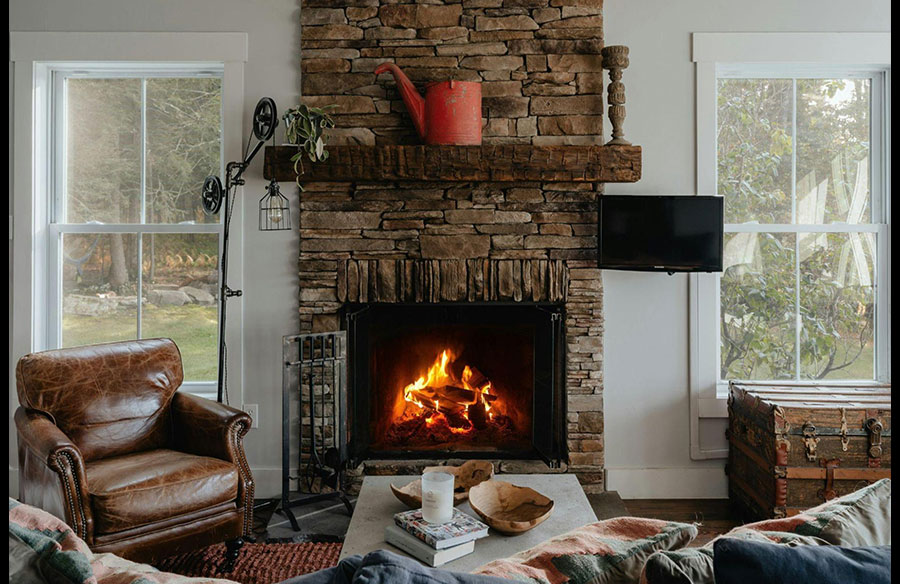
Living rooms often feel more balanced when there is a natural focal point anchoring the space. In many modern homes, fireplaces continue serving this role even as overall interior design becomes more minimal and open. Beyond warmth alone, fireplaces influence how furniture is arranged, how lighting feels at night, and how comfortable a room feels during everyday routines.
Modern fireplace design has also shifted away from overly decorative traditional styles toward cleaner lines and more intentional integration within the overall room layout. Homeowners now frequently prioritize fireplaces that support the atmosphere of the space without overwhelming it visually. The result is a more relaxed and cohesive approach to living room design that focuses heavily on comfort and flow.
Simpler Fireplace Designs Often Feel More Timeless
One reason modern fireplace styles remain popular is because cleaner designs tend to age better visually over time. Minimal surrounds, neutral materials, and streamlined layouts usually blend more naturally into changing furniture styles and seasonal décor without making the room feel dated quickly.
Many homeowners searching to buy modern fireplace online gravitate toward simpler designs because they help living rooms feel more open and intentional instead of overly ornate. Cleaner fireplace styles often support the overall room rather than competing constantly for attention.
Placement Strongly Affects Room Flow
A fireplace can dramatically influence how people move through and use a living room. Poor placement may create awkward furniture arrangements or disrupt natural traffic flow, while thoughtful positioning usually helps the entire room feel more organized and comfortable.
Modern layouts frequently place fireplaces where seating arrangements can naturally center around conversation and relaxation. This helps create a stronger sense of balance within open-concept homes where living rooms often connect directly to kitchens or dining areas. A well-positioned fireplace usually makes the space feel calmer and more grounded overall.
Material Choices Influence the Atmosphere
Fireplace materials play a major role in shaping the tone of a living room. Stone, plaster, tile, metal, and wood finishes all create different visual effects depending on the surrounding furniture and lighting. Softer textures and neutral tones often help modern fireplaces feel more integrated into relaxed everyday living spaces.
Highly reflective or overly decorative materials can sometimes make rooms feel visually busy, especially in smaller spaces. Many modern interiors instead prioritize materials that create warmth and texture without overwhelming the room’s overall design balance.
Lighting Around Fireplaces Matters More at Night
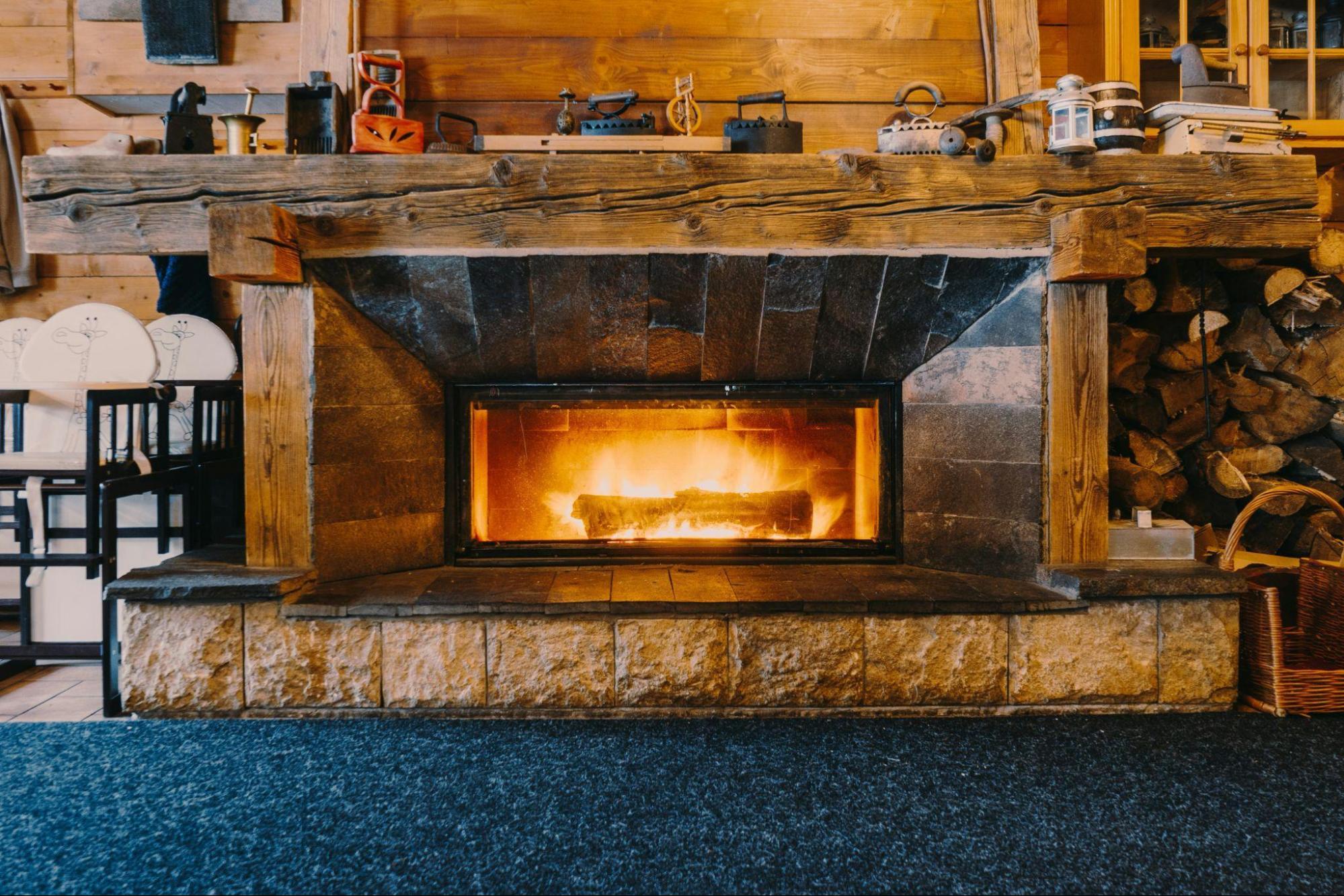 Fireplaces naturally influence the nighttime atmosphere because they become visual focal points once daylight fades. Living rooms generally feel more inviting when lighting around the fireplace supports a softer and more relaxed environment rather than relying entirely on harsh overhead fixtures.
Wall sconces, dimmable lamps, and layered lighting often work well alongside fireplaces because they help the room feel warmer and more comfortable during evenings. Many homeowners intentionally design lighting around the fireplace to encourage relaxation and quieter nighttime routines.
Built-In Features Help Reduce Visual Clutter
One reason modern fireplace walls often feel more intentional is because they frequently combine storage, shelving, or media integration within a cleaner overall layout. Built-in cabinetry and streamlined shelving systems help reduce visual clutter by giving surrounding objects a more organized place within the room.
Living rooms tend to feel calmer when the fireplace area remains visually balanced instead of overcrowded with decorations, wires, or mismatched furniture. Simpler styling around the fireplace usually allows the room itself to feel more open and comfortable long-term.
Fireplaces Continue Supporting Everyday Comfort
Even in warmer climates or highly modern homes, fireplaces remain popular because they contribute strongly to emotional comfort within shared living spaces. The atmosphere created by warmth, softer lighting, and centered seating arrangements often encourages people to spend more time together in the living room naturally.
According to Architectural Digest, fireplaces continue evolving as both functional and design-centered elements within modern interiors. Many homeowners now view fireplaces less as purely seasonal features and more as year-round components shaping the mood and usability of everyday living spaces.
The Most Effective Fireplace Designs Feel Natural Within the Room
The fireplaces that work best are usually the ones that feel naturally connected to the room rather than added only as statement pieces. Scale, material choice, placement, and lighting all influence whether a fireplace supports the overall atmosphere successfully.
Modern living rooms generally feel more intentional when fireplaces contribute quietly to comfort, balance, and everyday usability instead of dominating the entire design visually. Small design decisions around layout and proportion often make the biggest difference in how welcoming the space ultimately feels.