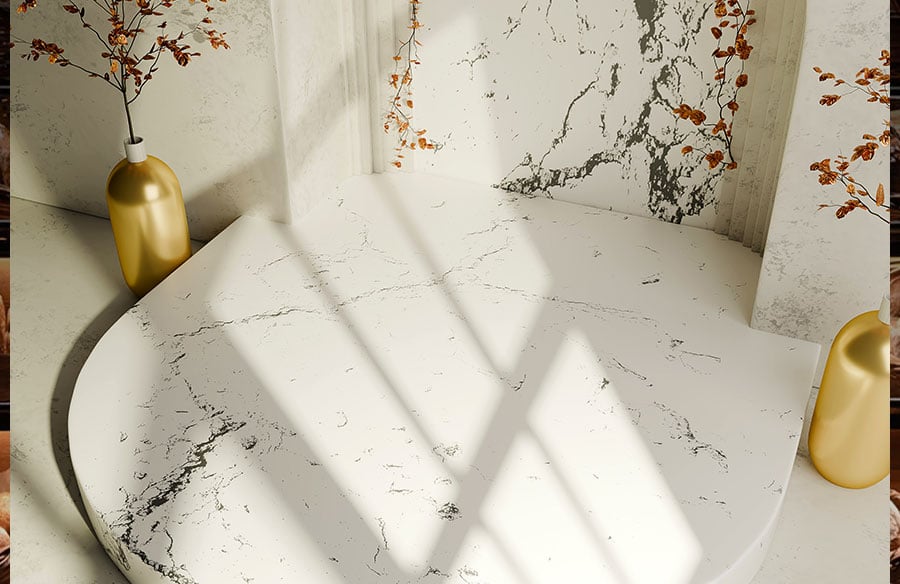
Luxury interior design is often defined by the materials chosen to shape a space. While furniture, lighting, and decorative details all play an important role, natural materials bring a level of character that cannot easily be replicated. Among them, marble has remained one of the most desirable choices for centuries.
From grand hotels and historic residences to contemporary homes, marble continues to represent elegance, craftsmanship, and permanence. Today, designers are using marble in increasingly creative ways, from statement kitchen islands and dramatic bathrooms to feature walls, fireplaces, and bespoke furniture. However, achieving the right result begins with choosing the right stone. Working with a trusted UK marble slab supplier can make a significant difference when selecting material for a high-end interior project.
Why Marble Remains a Luxury Interior Favourite
Trends in interior design change constantly, but marble has an enduring appeal. One reason is that every piece of natural marble is different. The veining, movement, colour, and tonal variations are created by nature, giving every slab its own individual identity.
This natural uniqueness is particularly valuable in luxury interiors. Rather than installing a surface that looks identical to thousands of others, designers can select a slab with a distinctive character that becomes part of the identity of the room.
White marbles with subtle grey veining can create a bright and refined atmosphere, while darker varieties can bring depth and drama to a space. Warm-toned marbles can add richness to traditional interiors, while bold veining works beautifully in contemporary architectural settings.
The beauty of marble is also its versatility. It can feel classic, modern, minimal, dramatic, or understated depending on how it is selected and applied.
The Importance of Selecting the Right Marble Slab
Choosing marble slabs is not simply a matter of choosing a colour from a sample. A small sample cannot always communicate the full personality of a large natural stone surface.
When selecting full slabs, designers and homeowners can see the complete pattern, veining, and movement of the stone. This is particularly important when the material will be used for large surfaces such as feature walls, kitchen islands, or bookmatched panels.
The right slab can completely transform the appearance of an interior. A dramatic vein running across a large wall can create a striking architectural focal point. On the other hand, a softer and more consistent stone may be more suitable for a calm, minimalist environment.
For this reason, slab selection should be treated as part of the overall design process rather than as a final material decision.
Marble in Luxury Kitchens
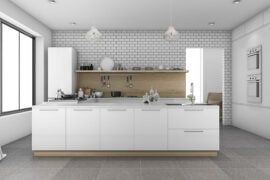
The kitchen has become one of the most important spaces in modern homes, and natural stone often plays a central role in creating a luxury finish. Marble can be used for worktops, splashbacks, kitchen islands, shelving, and dining surfaces.
A large marble island can become the centrepiece of the entire room. Designers often choose slabs with expressive veining and use the stone in a way that allows the natural pattern to remain visible across the surface.
Waterfall edges are another popular design feature. This technique allows the marble to continue vertically down the sides of an island, creating a seamless and sculptural appearance.
For more understated interiors, honed marble can provide a softer and more natural finish than highly polished stone. The final choice depends on the overall style of the project and the practical requirements of the space.
Creating Spa-Like Luxury Bathrooms
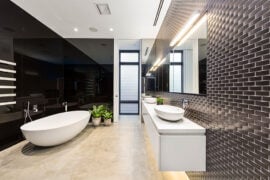
Bathrooms are another area where marble can have a powerful visual impact. Large-format marble surfaces can make a room feel more spacious while reducing visual interruptions created by smaller tiles and grout lines.
Marble can be used on walls, floors, vanity units, shower surrounds, and even bespoke sinks. In luxury bathrooms, designers may use a single stone throughout the space to create a calm and cohesive appearance.
Bookmatching is particularly effective in this setting. This technique involves placing two adjoining slabs so that their natural veining mirrors each other. The result can resemble a large piece of natural artwork and can become the visual centre of the room.
The combination of natural stone, carefully planned lighting, and high-quality fittings can create a bathroom that feels closer to a private spa than a purely functional space.
Marble Feature Walls and Fireplaces
Luxury interiors often require a strong focal point, and marble is well suited to creating one. A full-height marble feature wall can add texture, movement, and architectural interest without relying on excessive decoration.
Fireplaces are another popular application. Whether used in a traditional mantelpiece or a contemporary floor-to-ceiling installation, marble brings a sense of permanence and refinement to the space.
Dramatic stone varieties can work especially well for statement features. A richly veined marble placed behind a fireplace can become the defining element of a living room.
For a more subtle result, lighter stone with gentle veining can provide elegance without dominating the rest of the interior.
Marble and Bespoke Furniture
One of the most exciting developments in luxury interior design is the use of marble beyond conventional surfaces. Designers are now incorporating natural stone into bespoke furniture and decorative architectural details.
Marble can be used to create coffee tables, side tables, consoles, shelving, dining tables, and statement pieces. The natural variations within the stone ensure that each item feels unique.
Smaller offcuts can also be transformed into custom furniture or accessories. This allows designers to use the beauty of natural stone in creative ways while making efficient use of the material.
Combining marble with wood, metal, glass, or textured fabrics can also create an interesting contrast between natural materials.
Choosing Marble for Different Interior Styles
One of marble’s greatest strengths is its ability to adapt to different design styles.
Contemporary Interiors
Modern spaces often use marble as a statement material. Bold veining, large surfaces, and clean lines work well together. Dark marble can create contrast against light walls, while expressive patterns can turn a simple surface into a work of art.
Classic Interiors
Traditional interiors may benefit from softer and more familiar marble varieties. Cream, white, and warm-toned stones can complement decorative mouldings, elegant furniture, and classic architectural details.
Minimalist Interiors
Minimalism does not have to mean plain or lifeless. A carefully selected marble slab can add visual interest while maintaining a clean design. Stones with subtle movement and restrained colours are particularly effective in these spaces.
Luxury Hospitality Spaces
Hotels, restaurants, and high-end commercial interiors also use marble to create memorable first impressions. Reception desks, bar tops, wall cladding, and bathroom surfaces can all benefit from the visual depth of natural stone.
Working With a Specialist Marble Supplier
The quality of the final interior depends heavily on the quality and suitability of the material. This is why choosing the right supplier is an important part of the process.
A specialist supplier can help clients understand differences in colour, finish, veining, and slab characteristics. They can also assist with selecting material that suits the intended application.
Gemloria Stone, for example, focuses on carefully selected natural stone, with slabs chosen for their character and visual quality. The brand presents its collection around thoughtful selection, inviting architects, interior designers, and private clients to consider the individuality of each stone.
For a luxury project, the opportunity to view and select the actual slab can be especially valuable. Natural stone is not a manufactured product with identical repeats, and the exact material chosen can have a major influence on the final result.
The Timeless Value of Natural Stone
Luxury design should not be based only on short-term trends. The best interiors are created with materials that continue to feel relevant and beautiful over time.
Marble has this quality. Its natural variations, durability, and long history in architecture give it a sense of permanence that few materials can match.
A carefully selected slab can outlast changing decorative trends and remain an important feature of a property for decades. Whether it is used in a kitchen, bathroom, fireplace, or bespoke piece of furniture, marble brings depth and authenticity to the space.
Final Thoughts
Luxury interiors are often defined by thoughtful material choices, and marble remains one of the most powerful materials available to designers and homeowners. Every slab tells a different visual story through its veining, colour, and natural movement.
The key is not simply using marble, but selecting the right stone for the right application. When chosen carefully, marble can create dramatic focal points, elegant surfaces, and timeless architectural details.
For designers, architects, and homeowners looking to create distinctive spaces, high-quality natural stone offers something that manufactured materials cannot easily replicate: individuality. By selecting beautiful marble slabs and allowing their natural character to guide the design, it is possible to create interiors that feel luxurious today and timeless for years to come.