Glass features can make a home feel brighter, more open and better connected to its outdoor spaces. Yet choosing the right option involves more than selecting a design you like. Glass needs to suit the location, support the way your household uses the space and meet the safety needs of the installation.
Whether you are planning a new entertaining area, updating a pool zone or adding more natural light indoors, a well-planned glass feature can improve both appearance and everyday practicality. This guide explains what to look for before choosing glass for your home.
Start With How the Space Will Be Used
A glass feature should suit the purpose of the area, not just its visual style. Think about who uses the space, how often it is exposed to weather and whether safety barriers are needed. For example, glass near a busy walkway, staircase or pool needs a different approach from decorative glass inside a living area.
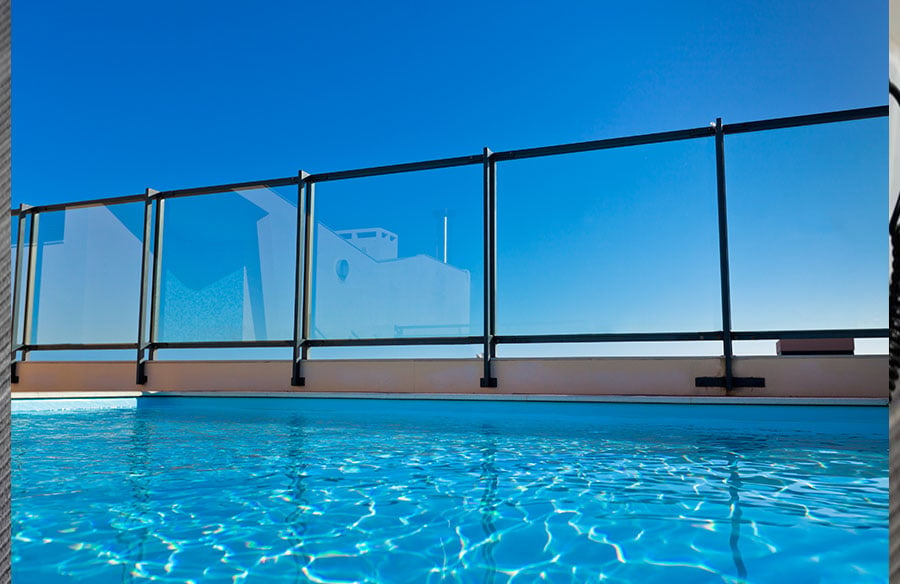
Pool areas need clear boundaries that still allow adults to supervise children. Glass pool fencing in Sydney can create an open view of the pool while helping separate the water area from the rest of the yard. The layout should allow gates, access points and surrounding furniture to work without creating unnecessary obstacles.
Before choosing a design, ask yourself:
- Will children, pets or visitors use the area regularly?
- Is the glass close to a door, walkway, stairs or outdoor entertaining space?
- Will the area receive strong sun, wind, rain or salt air?
- Do you need privacy as well as light and visibility?
- How will the glass be cleaned and maintained over time?
A feature that looks good in a showroom may not suit every home. Planning around daily use helps you select a design that remains practical after installation.
Choose Materials and Finishes That Suit Your Home
The type of glass, framing and hardware can change the appearance and performance of the finished feature. Frameless glass offers a clean, modern look, while framed or semi-frameless options can suit homes that need a stronger visual border or a more traditional finish.
For roof areas, the structure around the glass matters as much as the glass itself. A professionally designed glass roof can bring daylight into a covered area while still fitting the shape and style of the home. The design needs to work with the roofline, drainage path and supporting structure.
Take time to compare the visual effect of different choices:
- Clear glass keeps views open and lets in more light.
- Tinted or treated glass may help soften glare in exposed areas.
- Dark hardware can create contrast against light walls.
- Stainless steel fittings can suit contemporary outdoor spaces.
- Framed systems may visually match existing windows, doors or fencing.
Try to view samples alongside your home’s existing finishes. Flooring, brickwork, window frames, roofing and outdoor furniture can all influence which glass style feels most natural in the space.
Plan for Safety Before Style
Safe glass design starts with placement, suitable materials and professional installation. Areas near pools, balconies, stairs, raised decks and doors need careful planning because people may lean against, walk beside or accidentally impact the glass.
The glass should be designed for its intended use rather than treated as a decorative extra. For example, a barrier needs to be built as a barrier, while a roof feature needs appropriate support and weather protection. The fittings, fixings and surrounding structure all need to work together.
Good planning also reduces common problems such as:
- Gates that do not open freely
- Furniture blocking access points
- Water pooling around glass or hardware
- Poor visibility around steps and level changes
- Glass panels placed too close to areas with frequent impact
If you are changing an existing outdoor area, review the full layout before any work begins. A small change to the position of a gate, post or pathway can improve safety and make the area easier to use.
Think About Light, Heat and Privacy
Glass can bring welcome daylight into dark rooms and covered outdoor areas. However, more light can also mean more glare and heat, particularly in sunny parts of the home. The best design balances openness with comfort.
Look at how sunlight moves across the area during the day. A glass feature facing strong afternoon sun may need a different treatment from one positioned in a shaded courtyard. Nearby trees, neighbouring buildings and existing eaves can also affect the amount of light entering the space.
Privacy deserves the same attention. Clear glass may be ideal for preserving a garden view, but it may not suit a boundary close to neighbouring homes. Placement, screening, landscaping and the selected finish can help create a more comfortable result without making the area feel enclosed.
Check the Site Before Confirming a Design
No two homes have the same roofline, ground levels, drainage conditions or access points. Measuring the site carefully helps avoid a design that looks right on paper but causes problems during installation.
For outdoor glass features, check the surface where the system will be installed. Decking, tiles, concrete and paved areas may each need different preparation. Roof-based features also need careful review of support, drainage and how the new glass will connect with the existing structure.
It helps to identify any site issues early, including:
- Uneven ground or sloping surfaces
- Existing drainage points
- Limited access for installation
- Nearby trees or overhanging branches
- Doors and windows that open into the proposed area
- Existing structures that may affect the design
Addressing these details before work starts can prevent changes later and help the finished feature look deliberate rather than added as an afterthought.
Keep Maintenance Simple and Consistent
Glass is easy to enjoy when it is maintained regularly. Dust, fingerprints, water marks and outdoor residue can make even a well-designed feature look neglected if cleaning is left too long.
Use cleaning methods that suit the glass and hardware. Avoid harsh abrasive products that may mark surfaces or damage surrounding finishes. Regular light cleaning is usually easier than waiting for dirt, mineral deposits or salt residue to build up.
Outdoor installations should also be checked from time to time for loose hardware, worn seals, drainage issues or gate movement. If something feels stiff, unstable or out of alignment, arrange an inspection before the issue becomes more difficult to fix.
Choose a Glass Feature That Works Beyond the First Impression
The right glass feature should feel like a natural part of your home. It should improve light, visibility, safety or connection to the outdoors while fitting the way your household uses the space.
Focus on the site, safety needs, practical maintenance and the finish that suits your home. When those elements work together, glass can add lasting value without sacrificing comfort or usability. Speak with a qualified glass specialist to discuss a design that suits your space and project goals.
FAQs
What type of glass roof is suitable for a home?
The right glass roof depends on where it will be installed and what you want it to achieve. A roof over an outdoor entertaining area may need different glazing, drainage and support from a roof feature above an internal room. The surrounding structure, sunlight exposure, privacy needs and existing roofline should all guide the design. A site inspection can help confirm a suitable approach.
Does a glass roof make a room hotter?
A glass roof can increase sunlight entering a room or covered area, which may affect comfort during warmer parts of the day. The result depends on its orientation, nearby shade, roof design and chosen glass treatment. Planning for sunlight before installation helps avoid excessive glare or heat. A suitable design can bring in natural light while supporting a more comfortable space.
How do you clean a glass roof?
A glass roof should be cleaned carefully and only when it is safe to access. Light dirt and water marks may be removed with suitable non-abrasive cleaning products, while heavier build-up may need professional attention. Avoid standing on glass or trying to reach difficult areas without safe access equipment. Regular maintenance also helps identify drainage or seal issues early.
Can a glass roof be added to an existing home?
A glass roof can often be incorporated into an existing home, patio or outdoor living area, subject to the condition and capacity of the surrounding structure. The design needs to connect properly with the existing roofline and direct water away from the home. A professional assessment can confirm whether the proposed location is suitable and what preparation may be required.
Is a glass roof safe in bad weather?
A properly designed and installed glass roof is made for its intended location and use. Safety depends on suitable glass, secure fixings, sound support and correct drainage. Weather exposure, wind conditions and the position of nearby trees should be reviewed during planning. Regular checks can also help identify damage, loose components or water-related issues that need attention.