Have you noticed storage getting tighter? In your kitchen, your bathroom, or that one corner you keep trying to figure out? You run out of space long before you run out of things to store.
We know what you need: floating shelves, and not as a decoration alone, but as a simple solution to your problem that also improves how your space looks.
What makes them special, and why do so many people choose them?
Keep reading to learn.
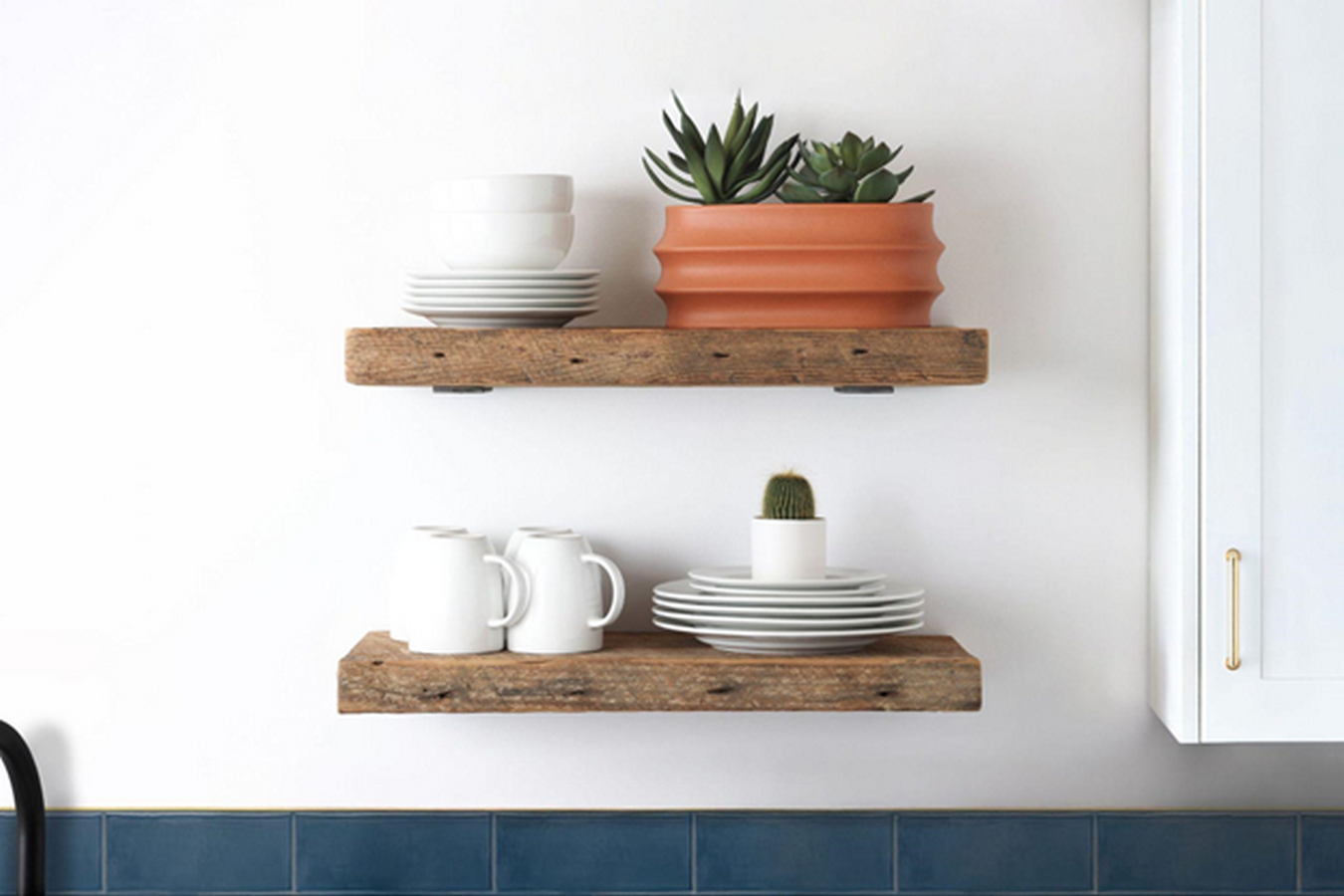 Source: Freepik
Why Storage Feels Tighter in Modern Homes
You’re not imagining it — homes today often come with less built-in storage than older ones.
According to the National Association of Realtors, modern homes offer less storage space than homes built decades ago, and overall square footage is shrinking as well.
And you can see this in daily life through cabinets filling up sooner, closets feeling cramped, and surfaces collecting items just because there’s nowhere else to put them.
The thing with smaller layouts is that every piece of furniture matters even more.
A bulky cabinet can take up space you simply don’t have. At the same time, empty walls often go unused, even though they could carry part of the load.
The gap between what you need and what your space offers is exactly where wall-mounted storage starts to make sense.
What Makes Floating Shelves Work So Well
No need to buy more furniture, you just need better use of space. That’s precisely what these shelves offer.
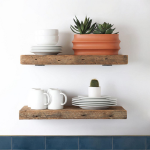
They attach directly to the wall, without visible supports, which keeps the look clean and light. Nothing feels heavy or crowded, even when you add storage.
The biggest advantage is how they free up the floor. You can keep your walking area open while still gaining room to store everyday items. That simple detail changes how a small room feels. Instead of working around bulky pieces, you use vertical space that would otherwise stay empty.
They also adapt to your layout. You can place them above a desk, next to a bed, or along a narrow wall that can’t fit furniture. You decide the height, the length, and the spacing.
In other words, you’re in control of how much storage you need.
Most importantly, they don’t force you to choose between function and style. You can store items you use every day and still play with how the room looks.
 Where Floating Shelves Make the Biggest Impact
The biggest difference you’ll see with floating shelves is with storage that’s already under pressure.
You might find that certain rooms benefit more than others. Here are some ideas to get you started:
- Living room (books, small decor, and media items)
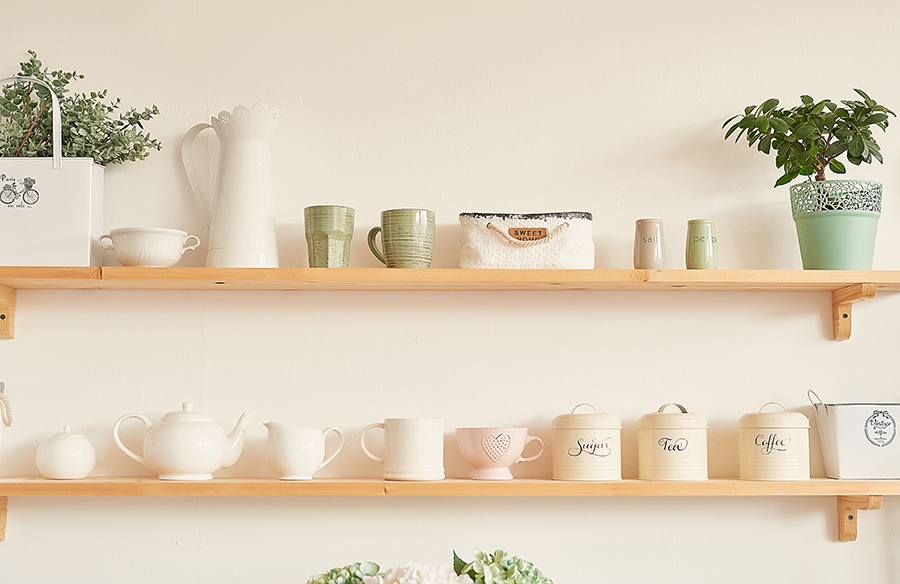
- Kitchen (dishes, glasses, spices, and everyday essentials)
- Bathroom (towels, skincare, and compact storage baskets)
- Bedroom (bedside items, books, and personal objects)
In the living room, shelves can replace bulky units and still hold everything you reach for every day.
In the kitchen, they keep daily items close by without crowding countertops.
Bathrooms benefit from extra storage where cabinets are limited, while bedrooms can use them as a simple alternative to nightstands.
If you use something every day, it should be easy to grab without opening or moving anything else.
How to Style Shelves Without Creating Clutter
While adding shelves solves storage, it can backfire if you don’t do it right. Poor styling can actually bring the clutter back.
You want to keep things useful while giving the eye room to rest. Here’s how:
- Mix practical and decorative items so the shelves don’t feel staged
- Vary heights and shapes to avoid a flat, repetitive look
- Leave some empty space to prevent a crowded feel
- For those who are all about details: stick to a limited color range to keep everything visually connected
You don’t need many items to make shelves work. A few pieces that make sense will always look better than filling every inch, just for the sake of it.
Choosing the Right Shelves for Your Space
When it’s time to choose shelves, do your research, but keep in mind what you really need. You don’t want to go for something trendy, just to get the wrong size or material that will limit how useful they are (no matter how good they look).
Your starting point should be the material.
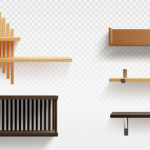
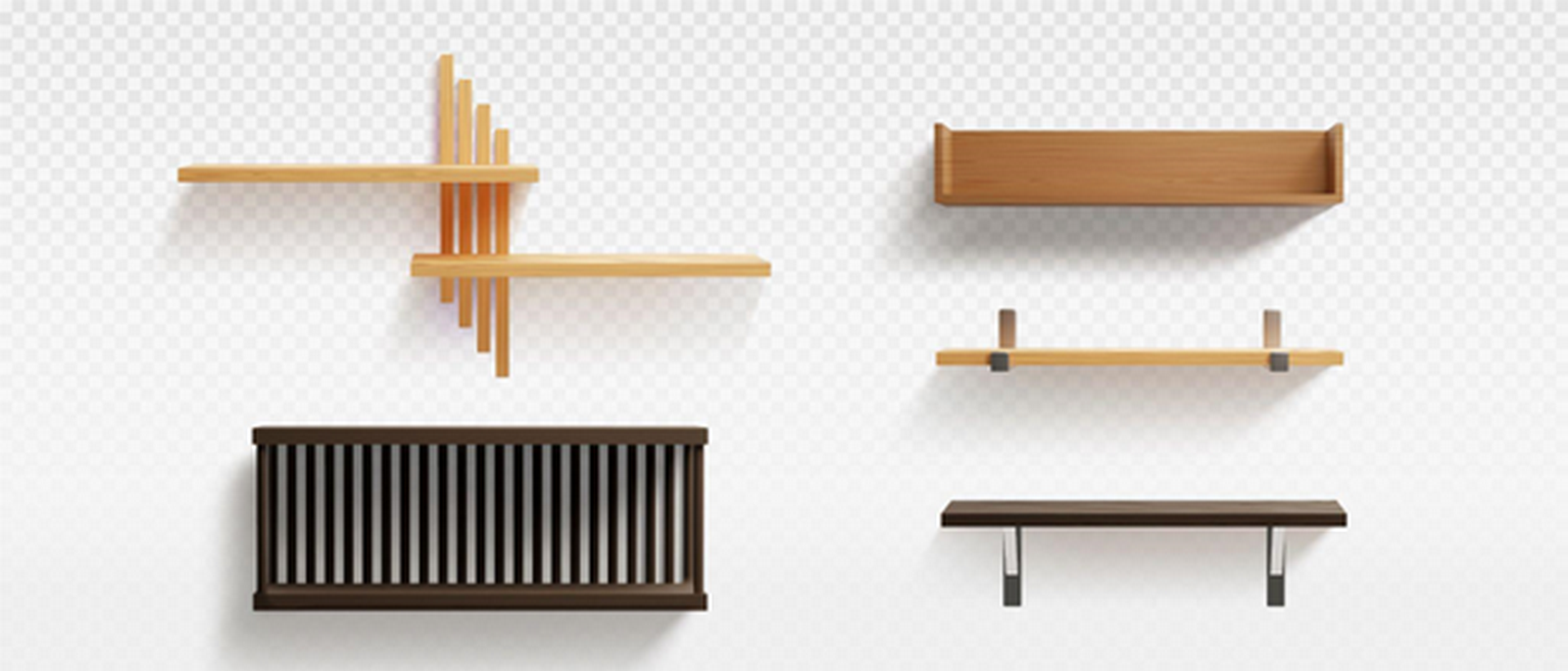
Solid wood works well for heavier items like books or kitchenware. Metal options suit modern interiors and handle weight better. Glass can fit smaller spaces where you want a lighter visual touch, but it’s more suitable for lighter objects.
Next, consider the size.
Depth matters more than you might think. Shallow shelves work for decor, but anything functional, for example, plates, storage boxes, or folded towels, needs more room.
Then, there’s length and spacing.
One long shelf can look clean, while multiple shorter ones add a different dynamic.
Finally, choose the wall itself.
Drywall, brick, and concrete all require different mounting methods. And if the support isn’t right, even the best shelf won’t hold up over time.
In the end, when everything lines up, you get storage that feels natural, like it’s been there forever. It will not only look nice in the room, but will also make your every single day easier by using space that would otherwise stay empty.