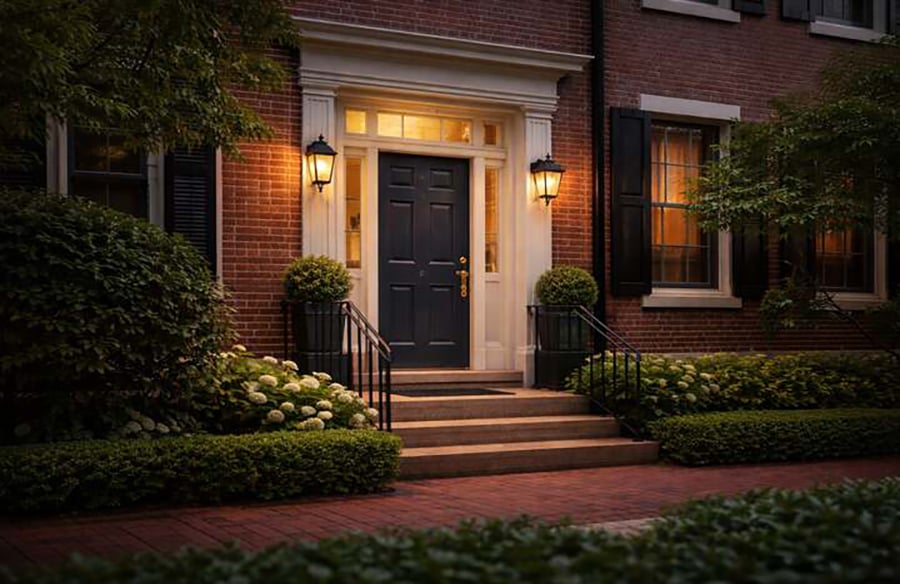
Walk through any older street in Philadelphia and you will notice something right away. The rowhouses. The old warehouses. The brick buildings that have stood for over a hundred years. They all have thick doors, heavy ironwork, and solid walls. Back then, security was not an add-on. It was built into the structure from day one.
That connection between buildings and security goes back a long time. But somewhere along the way, things changed. Builders started focusing on looks and layout. Security got pushed to the end of the list. A locksmith was called in after everything else was done.
That is a mistake. And it is one that costs building owners time and money.
Security Begins Before the First Brick Is Laid
Most people only think about security after something bad happens. A break-in. A lost key. A lock that never fit the door right. But the best time to plan for security is at the start. Early decisions are cheaper to make and more effective in the long run.
Take door placement as an example. A front door hidden behind tall plants or a wide overhang may look great on paper. But it also gives a thief a hidden spot to work. Nobody can see what is happening there. That is a problem.
Good design keeps entry points in plain sight. Neighbors can see them. People walking by can see them. That alone is a strong form of protection. The same idea applies to lights, windows, and how people move through a space. These are not just design choices. They are safety choices too.
A Lock Is Only as Strong as What Is Around It
A lot of building owners spend big on design and then cut costs on locks. Others buy top-end locks but put them on weak doors. Both are mistakes.
Think about it this way. A strong deadbolt on a hollow door is almost useless. A smart lock on a door with a flimsy frame is not much better. The lock only works well when the whole setup is solid.
This matters a lot in older buildings. Philadelphia has no shortage of those. Old door frames can warp or shift over time. Classic locks may look good but no longer work the way they should. In cases like these, calling a professional locksmith in Philadelphia early in the process makes a big difference. They can look at what you have and tell you what will actually hold up. They know what works and what does not.
Commercial Buildings: A Different Problem Altogether
Home and office security are not the same thing. A house might have two or three ways in. A business could have ten or twenty. Loading docks. Back doors. Roof hatches. Staff entrances. Each one needs to be thought about.
At the office level, access control is key. Architects now plan for card readers, keypads, and other systems during the build stage. Power lines and cables need to go somewhere. If that is not planned early, you end up with a messy fix-it job later.
Smart access has changed the game too. Today it is not just about locking people out. It is about knowing who came in and when. A well-planned building makes that easy. A poorly planned one turns into a mess of systems that do not talk to each other.
What Every Builder and Owner Should Ask Early
Security is not something you buy. It is something you plan. Here are four simple questions to ask before any build or renovation starts:
- Can people on the street see your entry points?
- Is there enough light at night?
- Are your walls and frames strong enough for good locks?
- Is a locksmith or security expert part of your planning team?
That last one is often skipped. But locksmiths who work in older city buildings know things that blueprints do not show. They have seen what breaks. They know what lasts.
Philadelphia has a rich built history. From old rowhouses to modern office towers. Keeping all of it safe means thinking about security from the start. Not as an afterthought. Not as a last step. But as a core part of the design itself.