Property values don’t usually drop overnight. It’s rarely one dramatic event that causes the problem. Instead, it’s a slow build-up of small issues that, over time, change how a neighbourhood looks, feels, and is perceived.
At first, it might be minor things. A delay in maintenance. A lack of clear communication. A few unresolved issues. But as these start to stack up, they begin to affect buyer confidence, resident satisfaction, and ultimately, property values.
Understanding how this happens can help you recognise the warning signs early—and avoid long-term consequences.
Why management plays a bigger role than you think
Buyers look beyond the property itself
When people consider buying a home, they’re not just looking at the house. They’re evaluating the entire environment.
They notice:
- How well shared areas are maintained
- Whether the neighbourhood feels organised
- How smoothly things seem to operate
This is where HOA Management becomes more than just an administrative function. It directly influences how the community is perceived by both current residents and potential buyers.
Perception drives value
Even if individual homes are well maintained, poor overall management can create doubt. Buyers may start to question:
- Will issues be resolved quickly?
- Are rules enforced consistently?
- Is this a place that’s easy to live in?
When confidence drops, so does demand—and that affects property values.
The early signs of mismanagement
Inconsistent maintenance
One of the first things people notice is upkeep. If shared spaces aren’t maintained regularly, it creates a sense that things are being overlooked.
This might include:
- Landscaping that’s not kept in order
- Delayed repairs in common areas
- Visible wear that isn’t addressed
These issues may seem small individually, but together they shape perception.
Poor communication
When communication is unclear or inconsistent, frustration builds quickly.
You might see:
- Residents unsure about rules or updates
- Delayed responses to concerns
- Important information not being shared properly
This creates uncertainty, which can make a community feel disorganised.
Reactive problem-solving
In well-managed communities, issues are handled early. In poorly managed ones, problems are only addressed once they become unavoidable.
This often leads to:
- Larger repair costs
- More noticeable disruptions
- Ongoing frustration for residents
How small issues turn into bigger problems
Neglected maintenance compounds over time
A small repair that’s delayed can become a much larger issue later. What could have been a quick fix turns into a more expensive and visible problem.
For example:
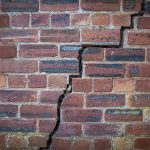
- Minor cracks becoming structural concerns
- Small leaks leading to water damage
- Cosmetic issues turning into major repairs
This not only increases costs but also affects how the property is perceived.
Frustration affects resident behaviour
When residents feel that issues aren’t being addressed, they may become less engaged or less motivated to maintain their own properties.
This can lead to:
- Less pride in the community
- Increased complaints or disputes
- A general decline in upkeep
Negative perception spreads
Word of mouth plays a big role in property markets. If a neighbourhood develops a reputation for poor management, it can influence buyer decisions.
Even online reviews or casual conversations can shape how a community is viewed.
The long-term impact on property values
Reduced buyer demand
If a community feels disorganised or poorly maintained, fewer buyers will be interested. This reduces competition and can lower sale prices.
Longer time on the market
Homes in less desirable communities often take longer to sell. Buyers may hesitate or negotiate more aggressively.
Lower perceived value
Even if a property itself is in good condition, its value is influenced by its surroundings. Poor management can drag down the overall perception.
What well-managed communities do differently
They stay consistent
Consistency is one of the biggest factors in maintaining property value.
This includes:
- Regular maintenance schedules
- Predictable communication
- Clear enforcement of guidelines
When things are handled consistently, the community feels stable and reliable.
They communicate clearly
Good communication builds trust and keeps residents informed.
Well-managed communities:
- Share updates in a timely manner
- Provide clear information about rules and changes
- Respond to concerns promptly
This creates a sense of transparency and organisation.
They take a proactive approach
Instead of waiting for problems to escalate, well-run communities address issues early.
This helps:
- Reduce long-term costs
- Maintain the appearance of the neighbourhood
- Prevent small issues from becoming major concerns
Practical steps to protect property value
You don’t need to wait for problems to appear. There are simple ways to ensure a community stays well-managed.
Prioritise regular maintenance
Staying on top of upkeep prevents small issues from growing and keeps the neighbourhood looking its best.
Improve communication systems
Clear, consistent communication helps residents feel informed and reduces confusion.
Address concerns early
Encouraging residents to report issues—and responding quickly—keeps problems manageable.
Maintain clear standards
Having well-defined guidelines ensures consistency and helps avoid misunderstandings.
Why it’s worth getting right
Property value isn’t just about location or design. It’s also about how a community is managed day to day.
When management is handled well, everything feels easier. Residents are more satisfied, buyers are more confident, and the neighbourhood maintains its appeal over time.
On the other hand, when mismanagement creeps in, the effects may be gradual—but they’re real. And once perception shifts, it can take time to rebuild.
Keeping things organised, proactive, and consistent isn’t just about avoiding problems. It’s about protecting the value of the place people call home.