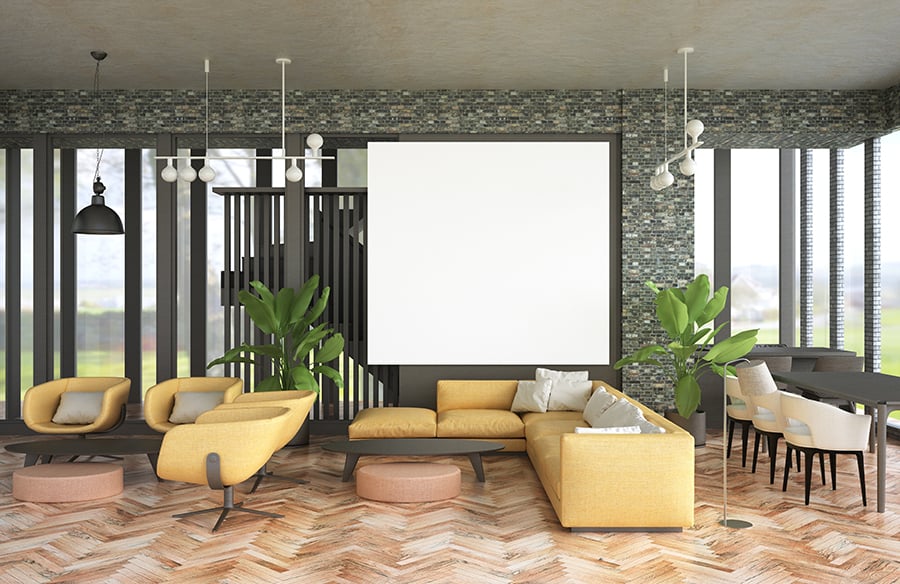
You can spot a good interior the moment you walk in. The room feels easy to use, and nothing feels out of place. The lighting sits well, the sockets make sense, and the space feels calm.
That kind of comfort does not happen by luck. It comes from good design and smart electrical planning working together. Companies like TBE Electrical help make that possible through rewiring, fuseboard upgrades, EV charger installs, and emergency work.
A room can look polished and still feel awkward in daily life. Poor lighting, bad socket placement, and old wiring can throw the whole space off. That is why the best modern interiors think beyond finishes and furniture.
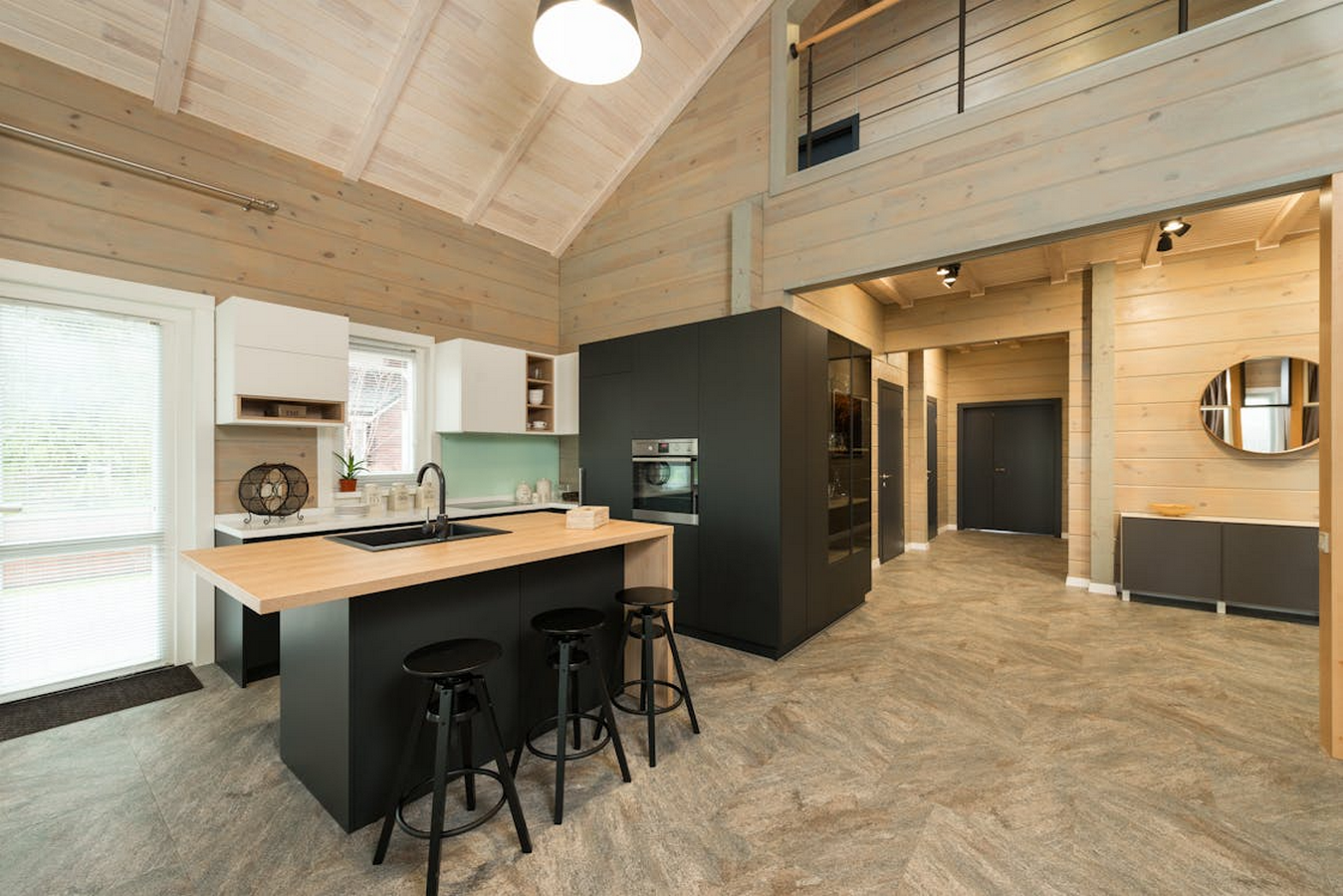
Layered Lighting Makes Rooms Feel Better
Lighting shapes how a room looks, but it also shapes how it feels. A single ceiling light can brighten a room, yet it rarely gives enough control. Most homes feel better when lighting comes from more than one source.
This is why designers often build rooms around layered lighting. The idea is simple, and it works in almost every room. You combine ambient, task, and accent lighting so the space stays useful and comfortable.
Each type supports the room in a different way.
- Ambient lighting gives the room its base level of light
- Task lighting helps with cooking, reading, and desk work
- Accent lighting draws attention to artwork, shelving, or texture
This mix helps rooms change through the day without feeling flat. A kitchen needs brighter work areas, especially near cookers and worktops. A lounge often feels better with softer light in the evening.
The wiring plan plays a big part here too. Switches, dimmers, and driver locations need careful thought early on. If those details come too late, even a stylish room can feel clumsy.
Smart Controls Should Feel Simple
Smart controls can improve a room, though they should never feel like a gimmick. Most people want comfort and convenience, not a wall full of tech. A modern interior works best when smart features blend into daily life.
That is why smart home technology works well in clean, modern spaces. It lets people adjust lights, timings, and energy use with less effort. When planned well, the system supports the room instead of distracting from it.
There are a few ways smart controls can improve everyday use.
- Timed lighting can support morning and evening routines
- Scene settings can change the mood with one tap
- Motion sensors can help in halls, bathrooms, and utility spaces
- App control can make it easier to manage energy use
These features sound simple, but they need good planning behind the scenes. Older homes may not have wiring that suits newer systems. Some upgrades also need checks on the consumer unit and circuit layout.
That is one reason electrical planning should happen early. A smart home works best when the controls feel quiet and natural. People should notice the comfort, not the hardware.
Better Socket Placement Cleans Up The Whole Room
A lot of interiors fall short in one basic area. They do not have sockets where people need them. The room may look clean in photos, yet daily life tells a different story.
Chargers, lamps, and appliances quickly expose a weak layout. Extension leads appear, cables trail along skirting boards, and furniture ends up in awkward spots. A better socket plan solves these issues before they start.
This works well because it improves both form and function. The room looks cleaner, and it feels easier to use. That gives people more freedom with furniture and storage.
A better setup often includes a mix of options.
- Standard sockets for general use
- USB points near beds and desks
- Floor sockets in open-plan spaces
- Hidden outlets inside joinery or media units
Bedrooms often benefit from charging access on both sides of the bed. Kitchens usually work better with outlets near islands and breakfast bars. Home offices need socket layouts that keep wires off the floor.
This is where rewiring can make a real difference. Older homes were not built for modern charging habits. Updating the layout often improves a room more than another decorative layer.
Consumer Unit Upgrades Support Safer Interiors
Modern homes ask more from their electrical systems than older homes ever did. Induction hobs, office setups, media walls, and outdoor lighting all add load. A room may look fresh, though the system behind it can still be dated.
That is why consumer unit upgrades deserve more attention during interior work. A modern unit helps support safety, easier maintenance, and future changes. It also gives the home a stronger base for new circuits and added features.
The IET guidance on consumer units highlights the value of proper protection and inspection. This makes the board more than a hidden box on the wall. It becomes part of the home’s long-term setup.
There are a few signs that a home may need an upgrade.
- The system trips during normal use
- The board still uses older fuse types
- A renovation adds more electrical demand
- The home needs extra circuits for new features
This section often gets ignored because it sits out of sight. Still, it supports everything else in the room. A neat interior feels stronger when the system behind it is safe and ready.
EV Ready Areas And Flexible Utility Spaces
Electric vehicles have changed what many homes need from their layouts. Garages, driveways, and utility areas now do more than hold storage. They support charging, access, and future home upgrades.
This shift affects interior planning more than people expect. A utility room may need better cable routes and more circuit capacity. The layout may also need wall space that stays clear for future equipment.
This kind of planning helps in a few ways.
- It keeps charger installs from feeling bolted on later
- It protects access to important wall and floor areas
- It leaves room for battery storage or added appliances
- It supports cleaner layouts in garages and utility rooms
The UK government also notes that approved installers should carry out chargepoint work. Some households may also qualify for support through current schemes. You can read more through the government guidance on EV chargepoint installers.
Even homes without an EV can benefit from this kind of thinking. A flexible utility zone can support later changes without major disruption. That gives the home more room to adapt over time.
Modern interiors work best when they look good and function well. Good lighting, smart controls, better socket placement, safe upgrades, and EV ready planning all support that goal. When these features come together early, the home feels smoother, cleaner, and easier to live in.