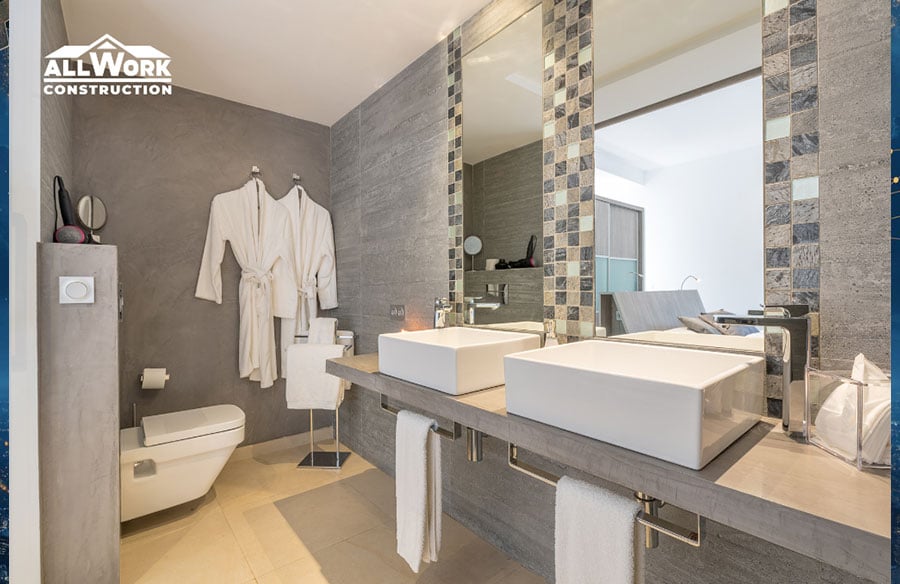
Most homeowners do not judge a bathroom only by how it looks when the renovation is finished. They judge it by how the room feels at 6:30 in the morning, when two people are getting ready, the shower is running, the mirror is beginning to fog, and everything needed for the day has to be easy to reach.
That is when good bathroom design becomes noticeable.
A comfortable bathroom does not require the largest floor plan, the most expensive tile, or the newest technology. It needs to support the routines that happen there every day. The layout should feel natural, the lighting should work at the vanity, storage should keep important items close without crowding the countertop, and the room should dry properly after a shower.
These details rarely attract the most attention during the planning stage, yet they usually have the greatest influence on long-term satisfaction.
For homeowners considering bathroom remodeling in Boxford, MA, designing around real morning habits often creates more value than focusing entirely on appearance.
Comfort Begins With a Layout That Does Not Fight the User
A bathroom can be visually impressive and still feel inconvenient.
The vanity may be too close to the doorway. A cabinet drawer may block the main walkway when opened. The shower entrance may force someone to step around the toilet, or the towel hooks may sit several feet away from where they are actually needed.
These issues can appear minor on a floor plan, but they become frustrating when repeated every day.
Experienced remodelers begin by studying movement through the room. They look at how people enter, where they stop, which fixtures are used first, and whether two household members can move comfortably without interfering with one another.
Sometimes improving comfort requires relocating a fixture. In other situations, a smaller vanity, a different door swing, or a better shower entrance can solve the problem without changing the room’s overall size.
The most successful layout is usually not the one that fits the greatest number of features. It is the one that allows the room to work without requiring constant adjustment from the people using it.
The Vanity Should Support the Morning Routine
The vanity is the busiest part of most bathrooms.
It has to accommodate grooming, handwashing, skincare, hair tools, medications, and all the small personal items that tend to accumulate over time. When the vanity is poorly planned, the countertop becomes crowded and the room feels disorganized before the day has even started.
Comfort depends on more than vanity width.
Drawer configuration, countertop space, outlet placement, mirror size, and storage access all affect how easily the area can be used.
Deep drawers often provide more practical storage than traditional lower cabinets because homeowners can see everything at once. Electrical outlets placed near the area where devices are actually used prevent cords from stretching across the counter. A properly sized mirror improves visibility while reflecting additional light into the room.
These are not dramatic upgrades, but they directly affect the morning routine.
Lighting Should Work for People, Not Just the Photograph
Many bathrooms look attractive in photographs because the room is evenly lit for the camera. Daily life is less forgiving.
A single overhead fixture may provide enough general brightness, yet still create shadows around the eyes and face. That makes shaving, makeup application, and other grooming tasks more difficult than they need to be.
Comfortable bathrooms use lighting in layers.
General lighting helps the entire room feel bright and safe, while dedicated vanity lighting provides clearer visibility where precision matters. Shower-rated lighting can improve comfort inside an enclosed shower, especially in bathrooms with limited natural light.
Color temperature also affects the room. Light that is excessively cool can make the bathroom feel harsh, while lighting that is too warm may distort colors at the mirror. A balanced approach usually feels more natural and works better throughout the day.
Good lighting does not simply help people see. It reduces strain, improves the appearance of the space, and makes early mornings feel less abrupt.
A Comfortable Shower Is About More Than Size
Homeowners often assume that a larger shower will automatically feel better.
Size certainly matters, but proportion and usability matter just as much.
A well-designed shower should provide enough room to move without consuming so much of the bathroom that circulation and storage suffer. The controls should be reachable without requiring someone to stand directly beneath cold water. Shelving or a recessed niche should be located where shampoo and soap can be reached naturally.
The shower entrance deserves careful planning as well. A door that opens into an awkward location can make the entire bathroom feel tighter, while properly placed glass can preserve sightlines and help the room feel more open.
Water temperature, drainage, ventilation, and surface maintenance all contribute to comfort. A shower that looks beautiful but takes excessive effort to clean will become less enjoyable over time.
Storage Should Remove Clutter Without Adding Bulk
A comfortable bathroom feels calm because the room is not constantly competing with visible clutter.
That does not mean every bathroom needs more cabinetry. It means storage should be designed around the items used most often.
Daily products should be easy to access. Towels should have a logical home. Cleaning supplies should remain available without occupying valuable countertop space. Items used less frequently can be stored in deeper cabinets or nearby linen storage.
Recessed medicine cabinets are particularly useful in smaller bathrooms because they provide storage without projecting far into the room. Built-in shower niches eliminate the need for hanging organizers or bottles on the floor. Drawer dividers keep grooming tools organized without requiring homeowners to search through a large open cabinet every morning.
The best storage does not draw attention to itself. It quietly keeps the room functional.
Temperature Matters More Than Homeowners Expect
Cold flooring can make even a beautiful bathroom feel uncomfortable during a New England winter.
Heated flooring has become popular because it improves the experience of the room without changing the layout. It is not essential for every project, but homeowners who choose it often appreciate the upgrade most during early mornings and colder months.
Even without heated floors, material selection can influence comfort. Some surfaces feel colder underfoot than others, and bath mats should be considered as part of the finished layout rather than placed wherever space remains.
Ventilation also affects temperature. An exhaust fan that is excessively powerful or poorly positioned may leave the bathroom feeling colder than expected, while inadequate ventilation allows moisture to remain trapped.
Comfort comes from balancing warmth, airflow, and humidity rather than focusing on any one system in isolation.
Better Ventilation Makes the Room Feel Fresher
A bathroom can look clean and still feel uncomfortable if humidity remains in the air after every shower.
Persistent moisture causes mirrors to remain fogged, towels to dry slowly, and the room to feel damp long after use. Over time, it can also affect paint, trim, cabinetry, and other finishes.
A properly sized exhaust system removes humidity more effectively and helps the bathroom return to normal conditions sooner. Quieter fans are especially valuable because homeowners are more likely to use them consistently.
Ventilation controls can also improve convenience. Timers or humidity-sensing switches reduce the need to remember when the fan should be turned off.
This is one of the least visible upgrades in a bathroom remodel, but it has a major effect on how the room feels every day.
Small Details Often Create the Greatest Convenience
Some of the most appreciated bathroom improvements cost relatively little compared with the overall renovation.
A towel hook placed within easy reach of the shower prevents an awkward step across a wet floor. An outlet inside the vanity keeps electric toothbrushes and grooming devices charged without cluttering the countertop. Soft-close drawers reduce noise during early mornings. A night-light or low-level lighting option allows the bathroom to be used without turning on the brightest fixtures.
These decisions require careful planning because the best location is different in every room.
Contractors who ask how the bathroom is used can make recommendations based on real habits instead of generic assumptions. That is one reason early consultation matters so much.
Comfort Should Still Matter Five Years Later
A bathroom may feel impressive when it is brand new, but the real test comes after the finishes are familiar and the room has been used thousands of times.
Can the shower still be cleaned easily?
Does the storage still work?
Is the lighting comfortable at different times of day?
Do materials continue holding up in a humid environment?
Long-term comfort depends on durability and maintenance as much as design. Materials that require constant attention can gradually make the bathroom feel like work. Products selected for everyday use usually provide greater satisfaction than those chosen mainly for appearance.
At All Work Construction, bathroom planning begins with understanding how homeowners use the room now and what they want to improve. That approach helps identify practical changes that make the bathroom more comfortable without adding features that offer little everyday value.
Homeowners looking for examples of thoughtfully planned renovations can visit the All Work Construction website to explore completed work and learn more about the remodeling process.
A Comfortable Bathroom Makes the Morning Easier
The best bathrooms do not demand attention every time someone enters them.
They simply work.
Movement feels natural, storage is easy to reach, lighting supports the routine, and the room remains comfortable after the shower has been used. Nothing feels poorly placed, and no one has to adapt to an awkward design decision.
For homeowners planning bathroom remodeling in Boxford, MA, comfort should be treated as a primary design goal rather than a benefit that appears by accident.
A beautiful bathroom can improve the appearance of a home. A comfortable bathroom improves the way each day begins, which is often far more valuable over the life of the renovation.