We are all inhabitants of a free world today; some of us even have the privilege of democracy. Gone are the days of colonialism and the pro-imperialist regimes, which once exerted authority over more than half the world. The dictatorship rule or exploitation of our land by foreigners no longer binds us. However, in the past colonies like India, the impact of colonialism and the colonial relics have persisted even after gaining her independence through the mindsets of people and the frameworks left behind in the form of administrative mechanisms, education policies, the standard of life and so on. A substantial part of Indian history comprises the British colonialism that consolidated the Indian territory and shaped its course in the modern world.

Let’s look at the indigenous forms and their evolution through the ages. Design, specifically in the Indian context, transformed with the influx of different groups, giving rise to diversities and a rich blending of ideas. The Indus Valley civilisation pioneered the culture of human settlements, with a sophisticated knowledge of space use, design layouts and material culture, which were much ahead of their time. The early design schools focusing on sculpture, painting, architecture and other arts & crafts developed in India with unique regional differences and diverging craftsmanship. For instance, the Mathura school of art was of purely indigenous style and tradition that arose in the 4th century AD. It evolved by competing with the Western school of art at Gandhara. India’s heritage is evident in its temple architecture, miniature paintings, grand palaces, victory pillars, town planning, traditional/tribal/regional crafts etc.
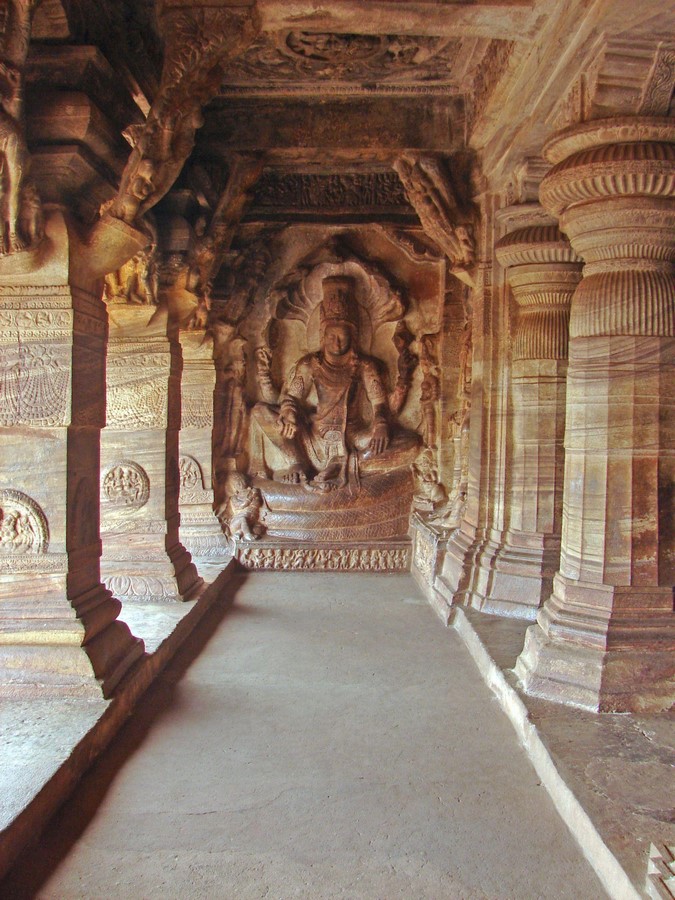
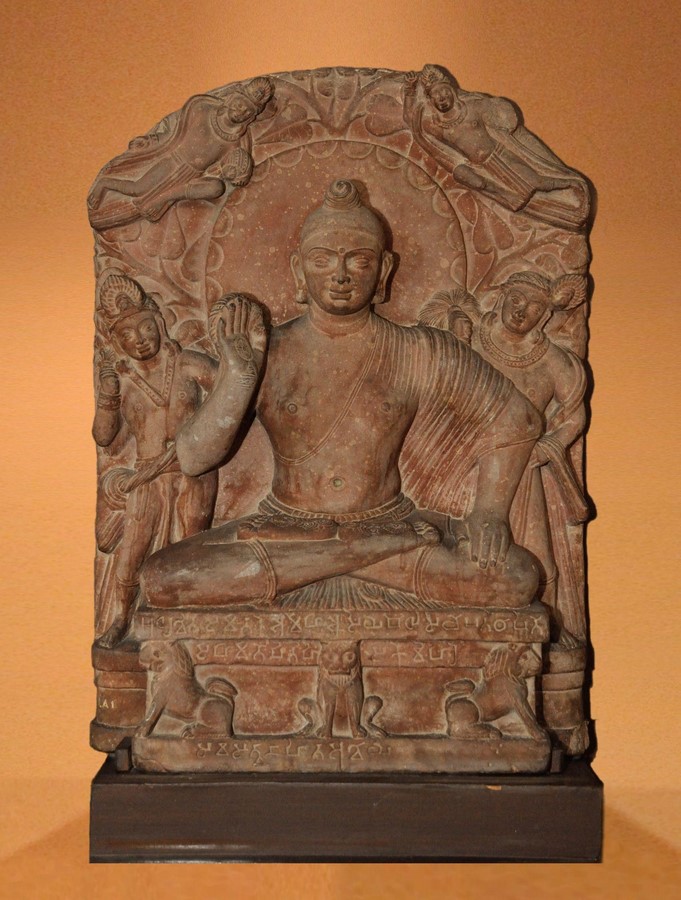
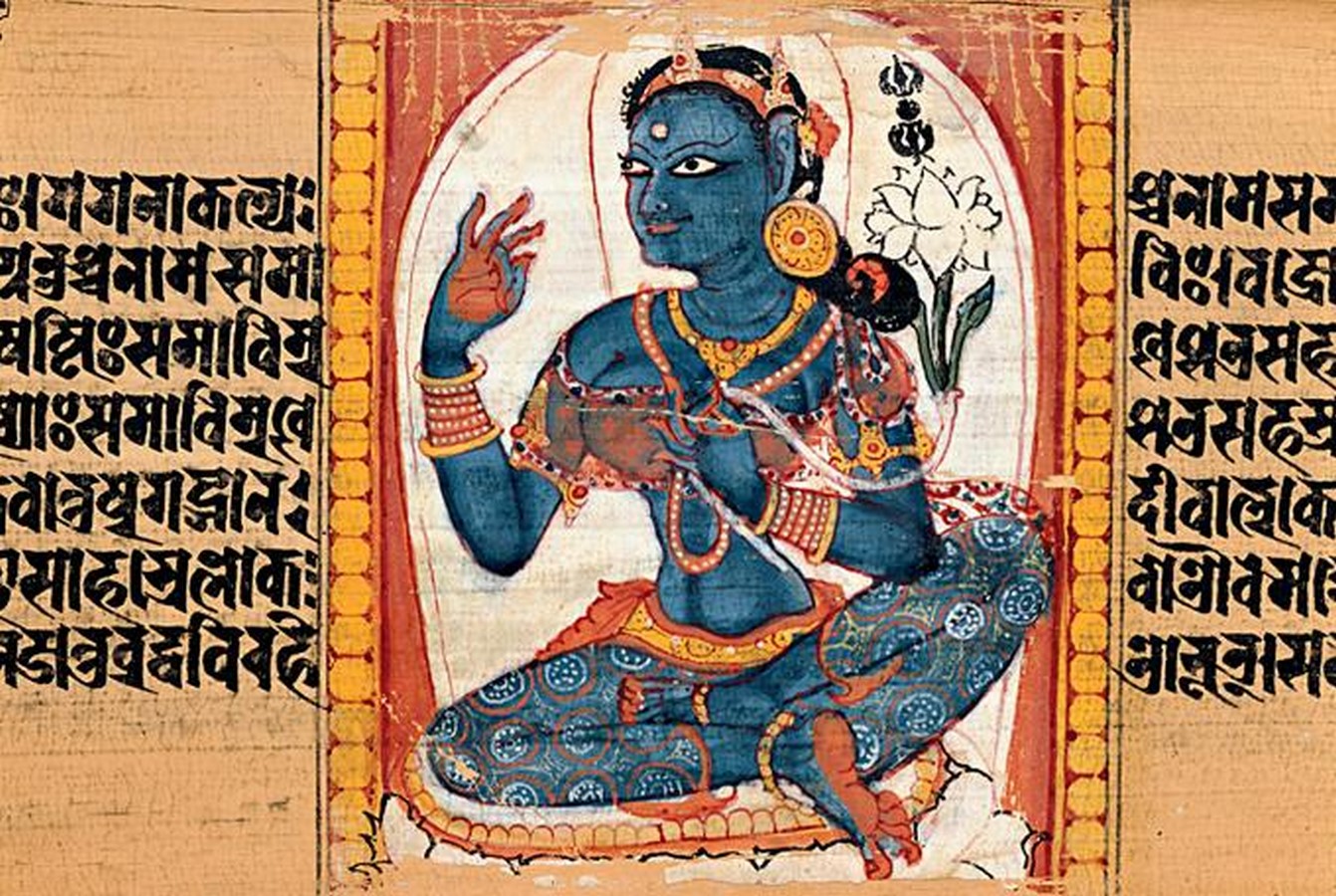
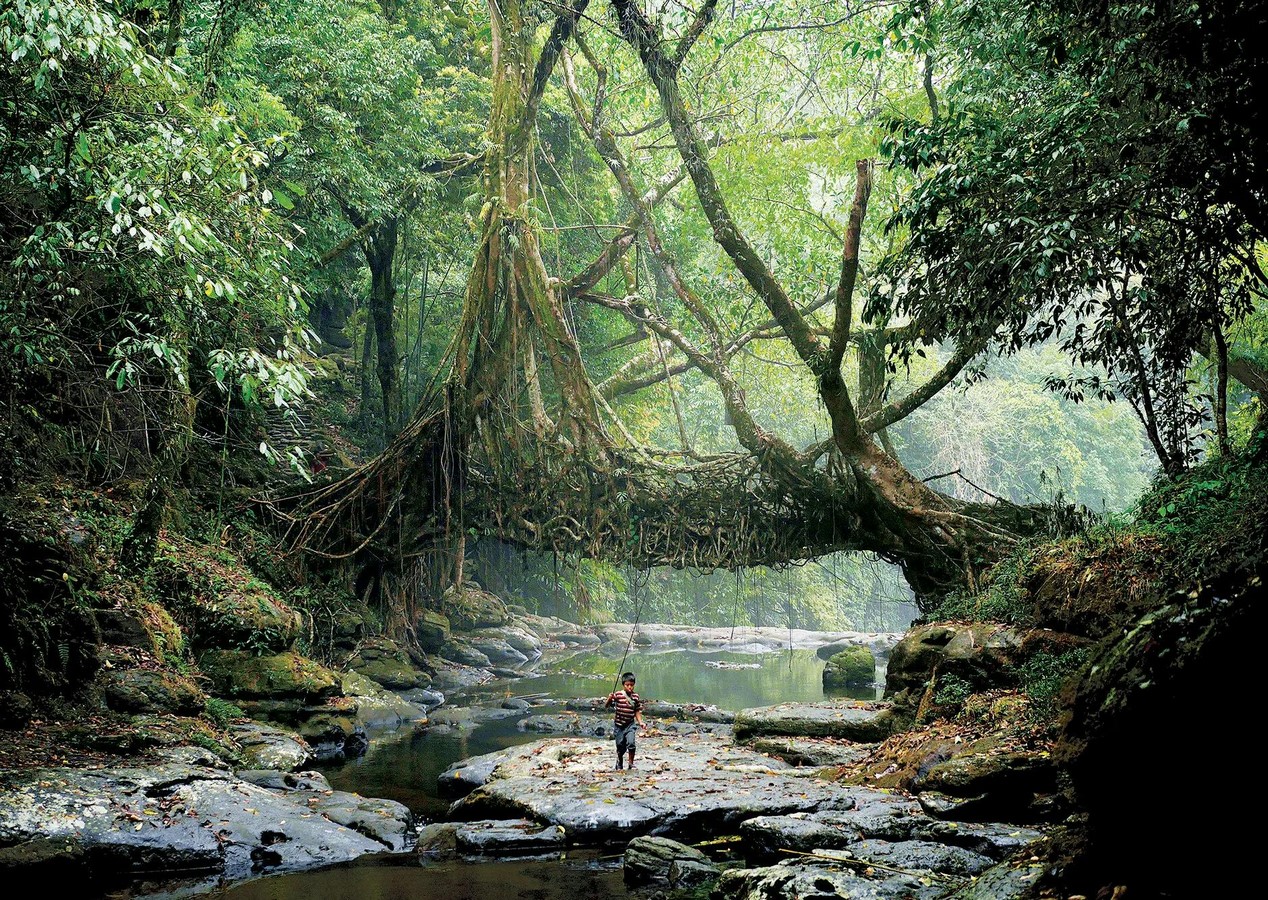

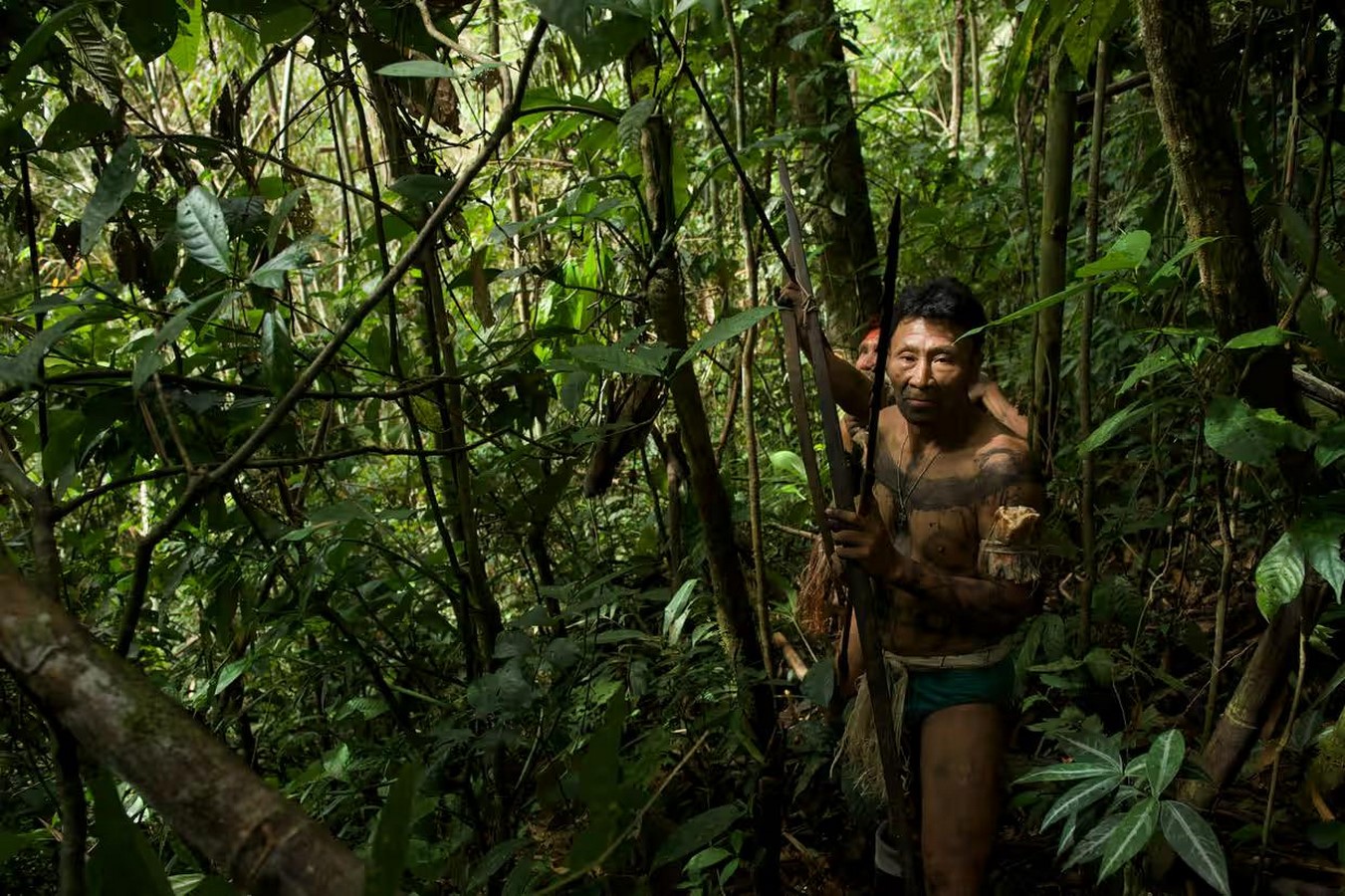
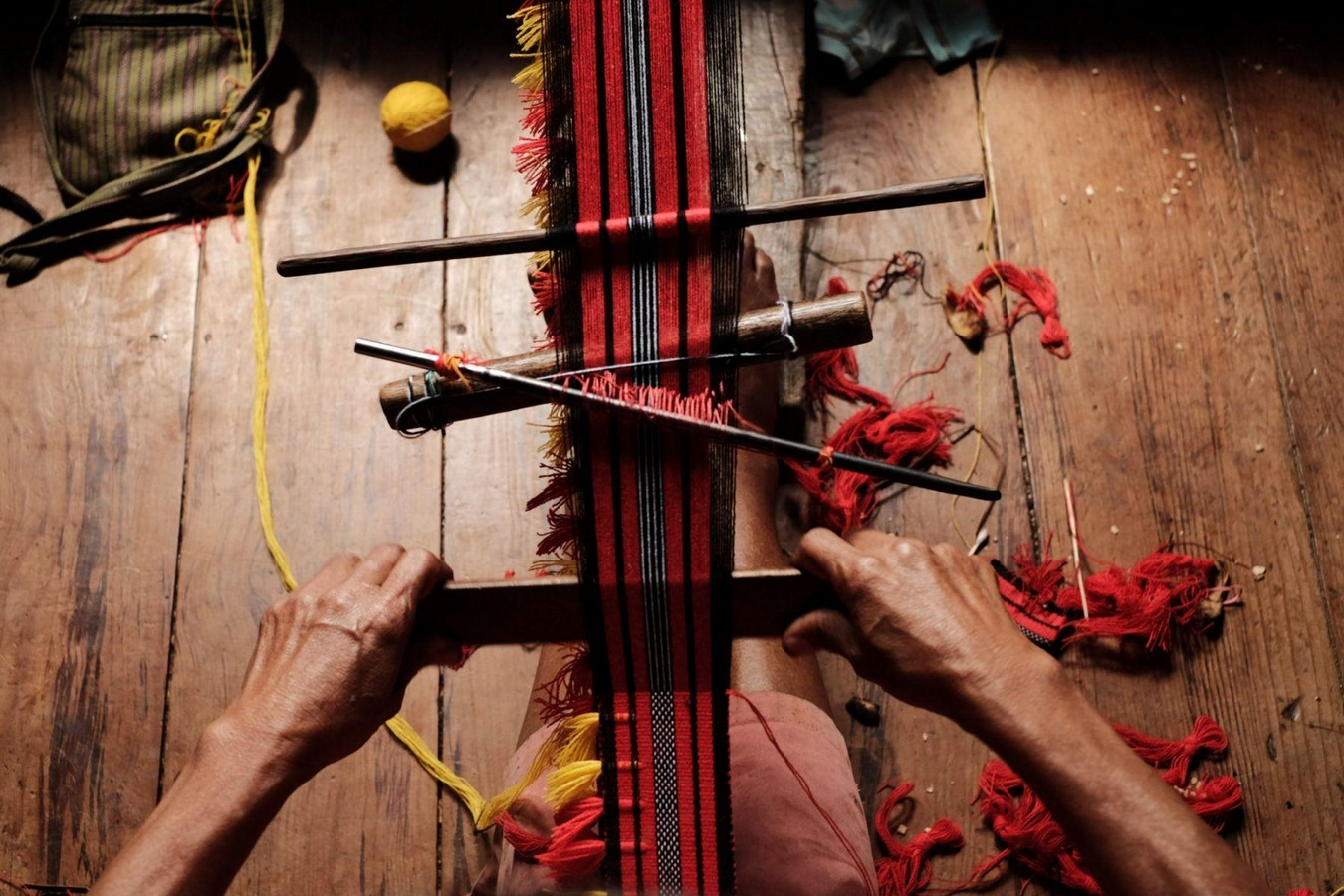
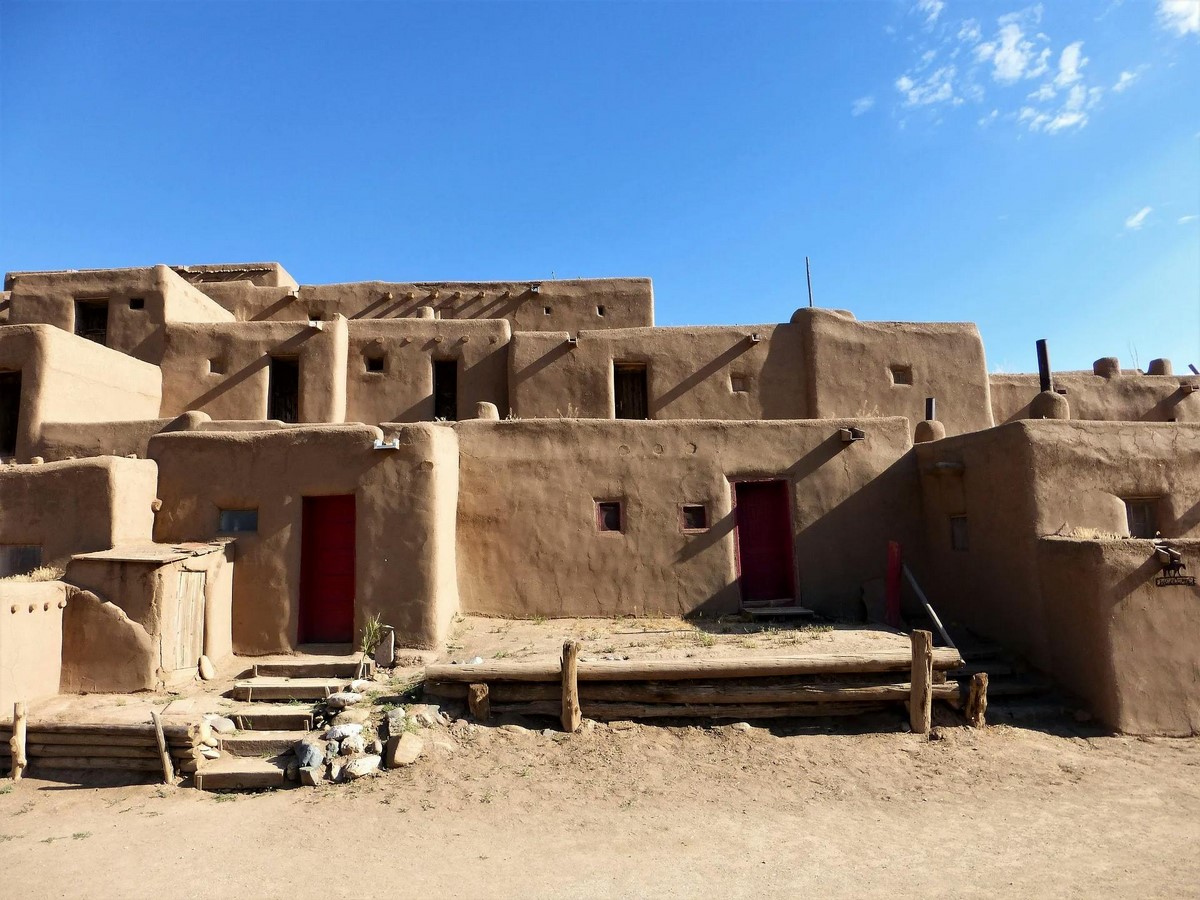
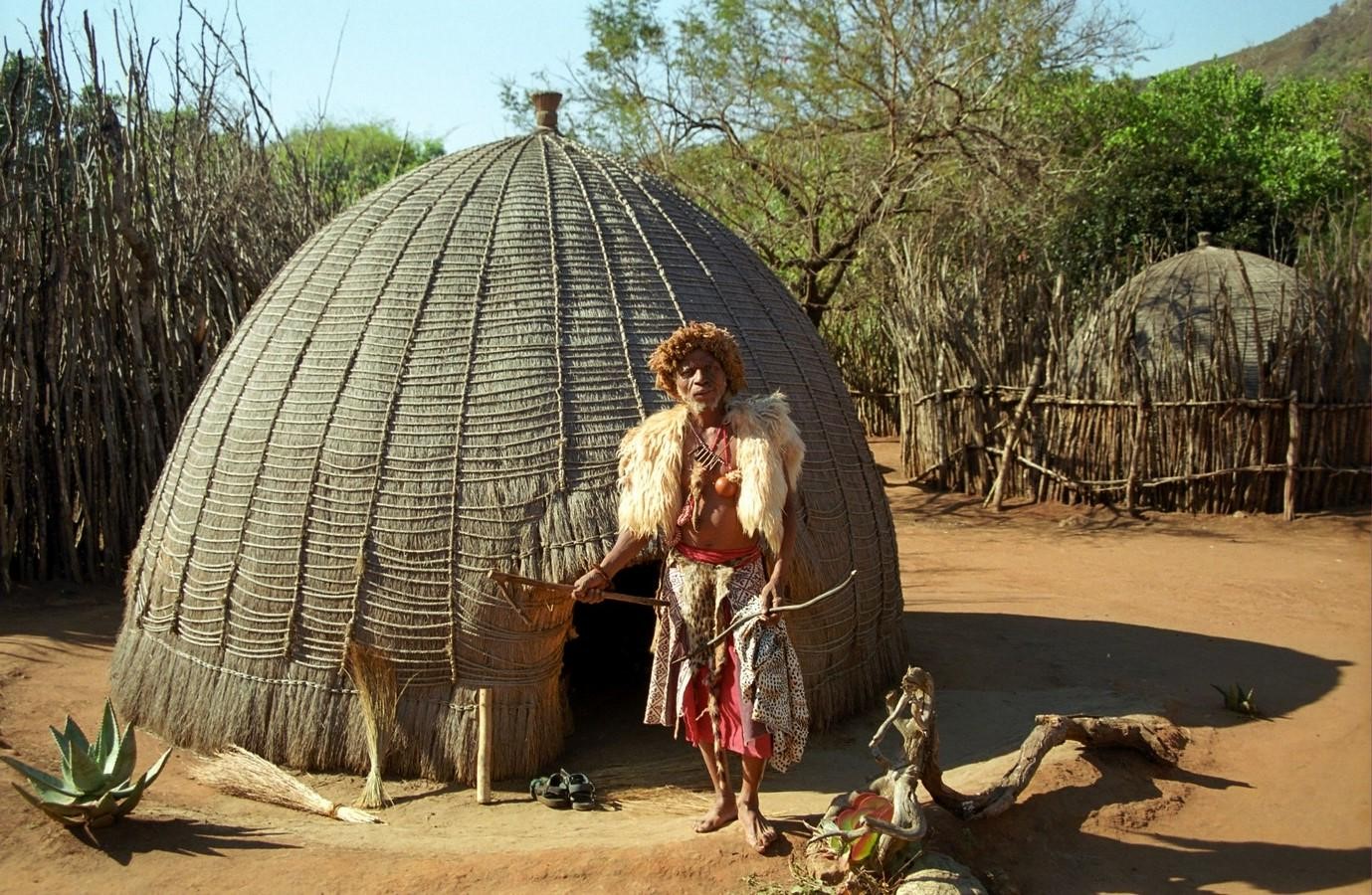
The above examples are from an age when design was informal in the uncolonised parts and design education was through a guild system, unlike today’s formal curriculum and pedagogy. Yet the design explorations before the beginning of external influences stand today as marvels. In India, Shilpa Shastra was the education for art and architecture in ancient India. It had fewer barriers as there existed gender equality in practice where all classes could participate. Pedagogy followed an apprenticeship as the students started training with the gurus at a tender age and learnt various aspects that influence design such as Dharma, Culture, Mathematics, Geometry, Colours and tools, also reading the Puranas for inspiration. Coding the laws and conduct rules to contribute to the designer’s requirements of the time, procuring the patronage of the rulers, preserving the art and passing it on to generations were dealt with by the Designing communities.
As the progress of foreign rule and colonialism gripped the colonies’ design field, a formal pedagogy eliminated the local shastras. The design pedagogy became colonised as the Western influence became predominant and complexities, conflicts of interest and multiple discourses began accumulating. It holds for India and other ex-colonies like the East African countries, Latin America or countries under the neo-imperialist regimes today like some Southeast Asian countries.
The mismatches between the problems posed and the designer’s solutions are mainly because of insufficient exposure to the community. As a student of Design, one is not taught social sciences or local and contextual scenarios of the common masses but trained to provide functional and beautiful designs, which are appreciated. The importance one gives to theories is low as designs jump to higher-order resplendence without a foundational basis that the local resource pool could provide. Neglect of the endemic knowledge makes designers think out of the box, not knowing what is in it.


For instance, a traditional method of water-harvesting (say a Khadin system or Ahar Pynes or Bawaris) can be emulated in an improvised way in water-strained areas by simply tinkering with the design, correcting mistakes, adding extra support or changing the material used. The Western impact bridles the minds of the policymakers and designers to opt for an elaborate dam construction instead. Hence, the inadequate knowledge of the local context creates a gap and takes a heavy toll on the environment with superimposed designs that attempt to subsume indigenous practices.
The imperial impact on buildings in the ex-colonies resulted in upward expansion, emulation of foreign practices, use of out-sourced materials, unmindful exploitation of the environment & ecology and westoxification as Jalal-Al-e-Ahmad calls it. However, Western nations have labelled it as humanitarian and problem-solving as they surface their views on the power of design to change the world and settle the problems of underdeveloped countries.
The colonists endeavoured to hit the core mindset of the common mass as in the words of MaCauley, “We must at present do our best to form a class who may be interpreters between us and themillions whom we govern; a class of persons, Indian in blood and colour, but English in taste, in opinions, in morals, and intellect.”
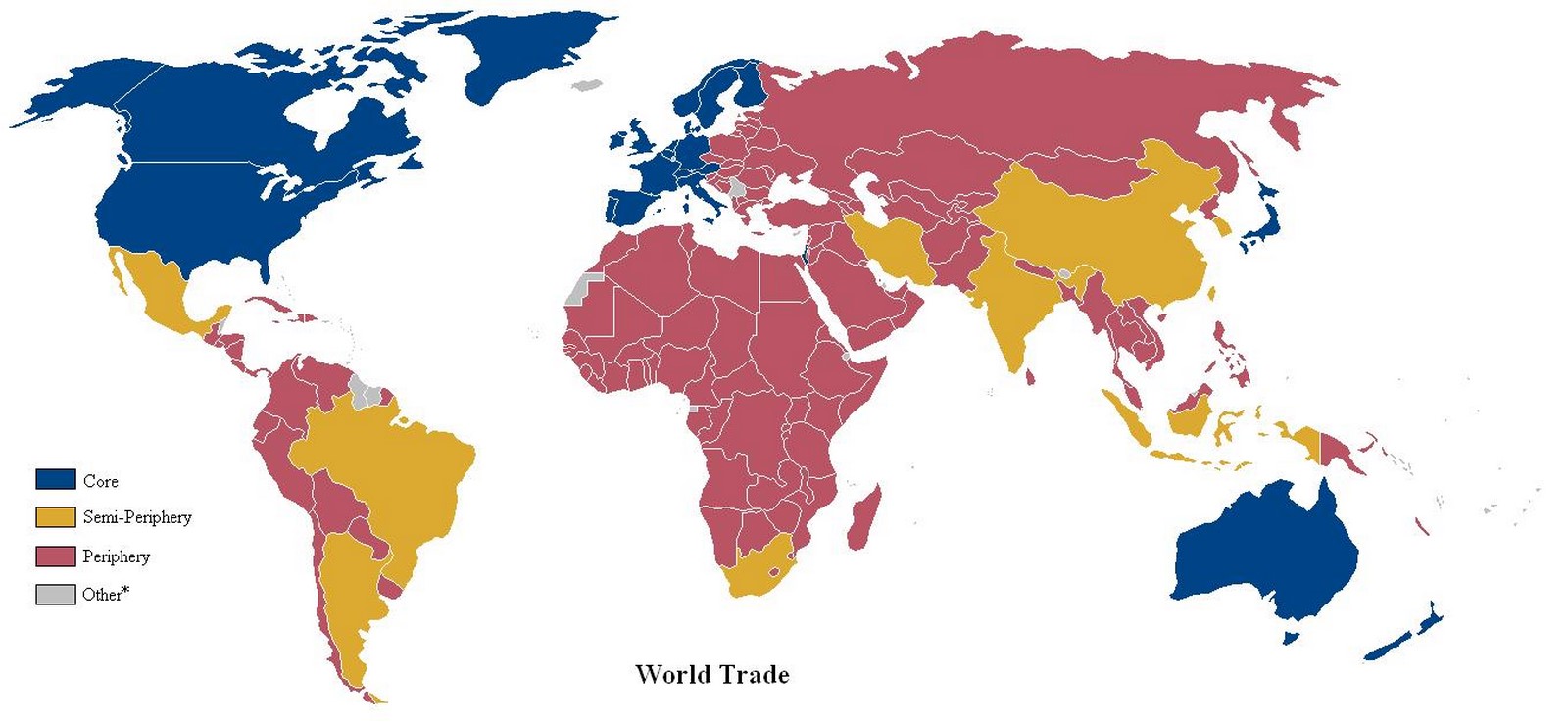
Thus, the British called it the ‘Whiteman’s Burden’ in the past. This obligation continues today, even with the willingness of the developing countries through neo-imperialist core and periphery models. The influence on design pedagogy is more pronounced, as the peripheries become backyards of the core to support the latter’s developmental needs. The core countries pass on technologies and technical inputs that are obsolete and alien to the native soil. The reforming of the design curriculum focuses on speedily meeting the growing needs of infrastructural expansion instead of spending time with local knowledge to kickstart design that caters to the locals.
Designs come out as personifications of one’s taste and exposure. However, today, design pedagogy rests on the broadly accepted notion of the Western design community dominated by men. It also forms the basis for the values and history in design education, which has gone to the extent of naming indigenous and non-western design work as Crafts, thus portraying the cultural practices of a region as inferior and giving a false distinction between Design and Crafts.
“When Western conventions are centred in design, this means that anything else is seen as ‘different.’” When a homogenous group of people decide what’s “good,” it’s detrimental to the profession, and results in the majority of people striving towards a similar style. (https://eyeondesign.aiga.org/)
The Western imposition of standards has paralysed the ability to incorporate indigenous standards in the case of the linear perspective framed as the best way.; while the Japanese perspective based on a single plane has worked perfectly well in their designs.
The oft-repeated effect of colonialism is to Capitalism as its sole instrument. The reproduction of idealogy by capitalist forces has also played its part in restricting the design pedagogy to narrow standards.
“It is easy to sit in a cosy studio environment, carry out carefully controlled and planned ethnographic studies, build your prototypes out in well-equipped labs, and keep your politics and ethics out of what you make. But the world we live in, and the world that the great majority of designers work in, is not a tidy, neatly ordered, apolitical, closed environment. Furthermore, no product lives in a bubble, divorced from other products and services and people and environment — no product lives outside an ecosystem. No product lives outside of politics or ethics — everything we make and plan and deploy changes and manipulates how people live, what they can do and who they are. We cannot, as the people who construct these material systems, ignore or avoid this.” (Ansari, 2016)
Measures towards decolonising design pedagogy should begin with making client-centric and region-specific designs, considering the vast diversities, cultural values and traditional practices. There is a need to dismantle the hitherto views of the best and bad. Self-actualisation is sometimes necessary, as it can enable one to remove oneself from a particular design equation to pave the way for the community to get creative.

“Decoloniality is about shattering the familiar. It is about reimagining something beyond the current system we exist in.”
“For far too long, designers have remained married to the concept that what we do is neutral, universal, that politics has no place in design,” Yet the choices we make as designers are intrinsically political: With every design choice we make, there’s the potential to not just exclude but to oppress; every design subtly persuades its audience one way or another and every design vocabulary has history and context.
– Danah Abdullah

However, designers should have a specific domain. They need not become the new social Anthropologists handling multiple issues. But as Buckminster Fuller quotes, “We cannot change things by fighting the existing reality. To change something, we need to build new models that make the old ones obsolete”. Decolonisation is a process. The fact that it is a journey means that to keep evolving the design community must be continually curious and educate themselves about what they haven’t experienced directly. For this purpose, a revamped design pedagogy can be of immense help to the new students of design as well as the greater community. Thus, designers must encourage themselves and one another to strive towards the five-pronged strategy to Design ‘With’ and not ‘For’, to Document, Measure & share, to start locally & scale globally, to design systems and not mere stuff, and ultimately to change the world.

Citations
Khandwala, A. (2020) What does it mean to decolonise design? Eye on Design. Available at: https://eyeondesign.aiga.org/what-does-it-mean-to-decolonize-design/ (Accessed: 14 September 2023).
(No date) Is humanitarian design the new imperialism? – fast company. Available at: https://www.fastcompany.com/1661859/is-humanitarian-design-the-new-imperialism (Accessed: 14 September 2023).
Ansari, A. (2014) In Defense of (changing) design education, Medium. Available at: https://aansari86.medium.com/in-defense-of-changing-design-education-91edbb12bbd7 (Accessed: 14 September 2023).
Madhushree (2022) The need for evolution in Indian design pedagogy, Medium. Available at: https://uxdesign.cc/the-need-for-evolution-in-indian-design-pedagogy-1f8a8f158919 (Accessed: 14 September 2023).