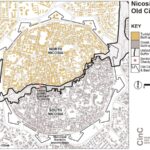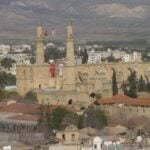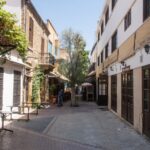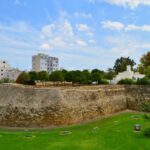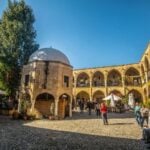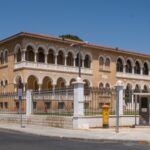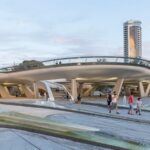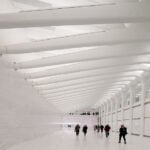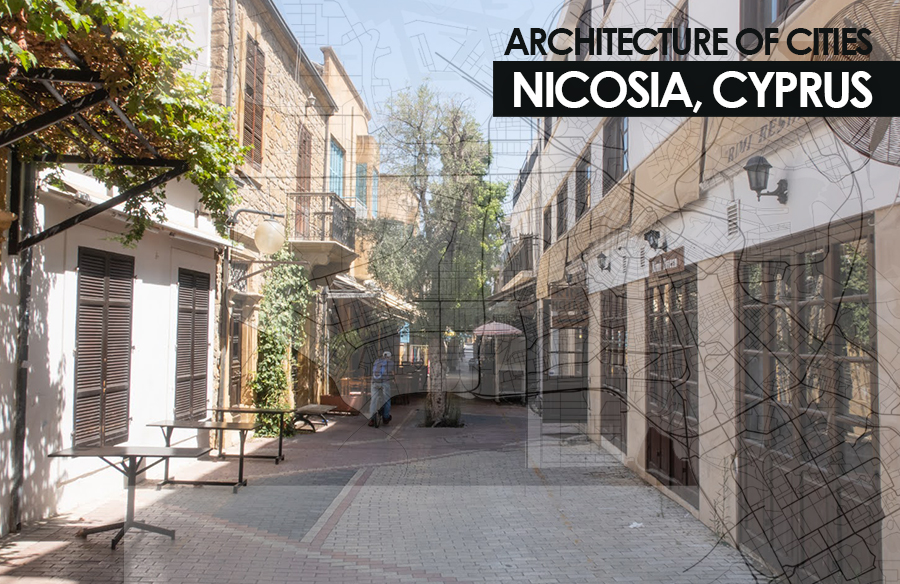
Nicosia, the capital city of Cyprus, has incorporated elements of many empires and kingdoms that have claimed over the city. Nicosia has a rich cultural, historical, and diverse influence because of the intervention in different periods. The architecture of the city has been changing since the city was overtaken by different rulers in different periods. Nicosia, located at the center of the Mediterranean there are historical echoes at every corner. Every corner of the city has a story of a distinct era to tell. There is no definite architecture of Nicosia as it has been taken over by different rulers. Curve pathways guide travelers from the Cyprus Museum, housing a treasure trove of Neolithic and Roman relics, to the formidable city wall. Originally constructed in the 1600s by the Venetians, this robust barrier delineates the historic district from the contemporary cityscape. Stepping through the stone gates and enter a place where the past is still alive
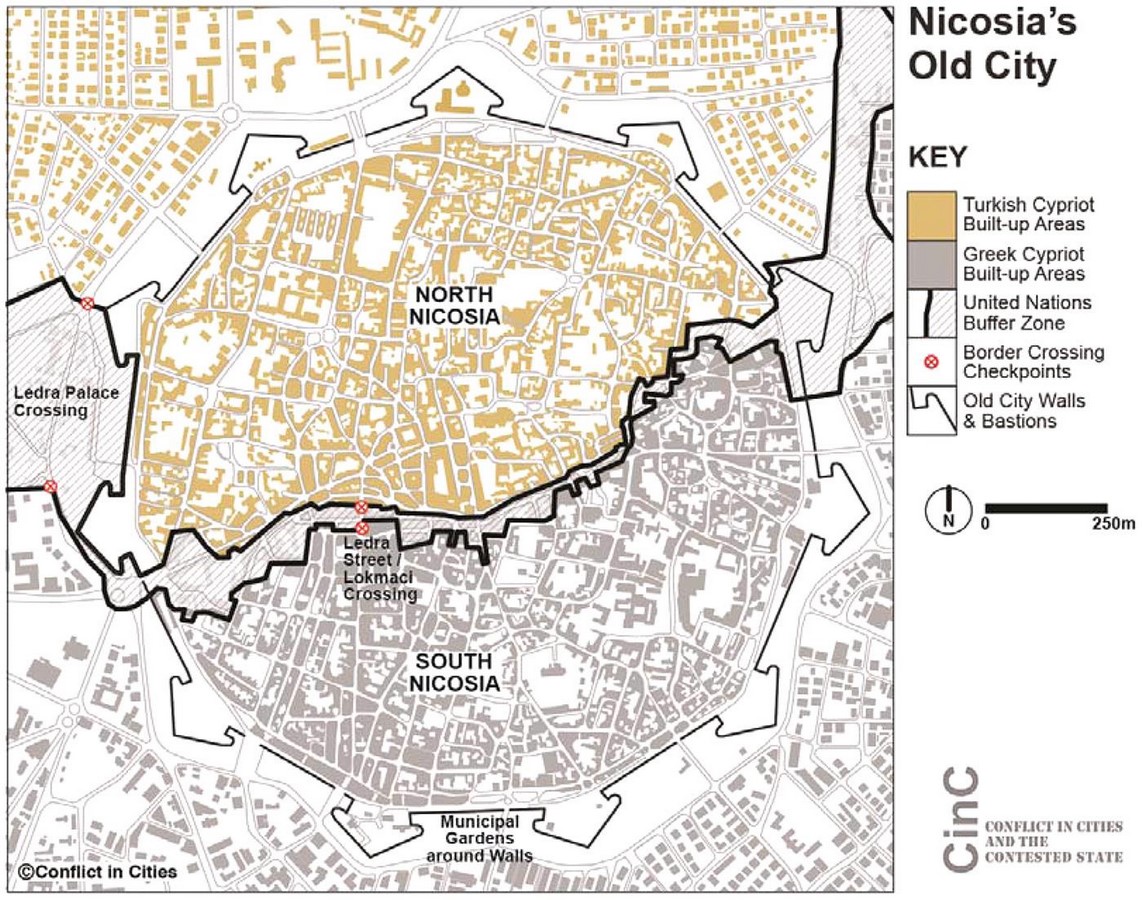
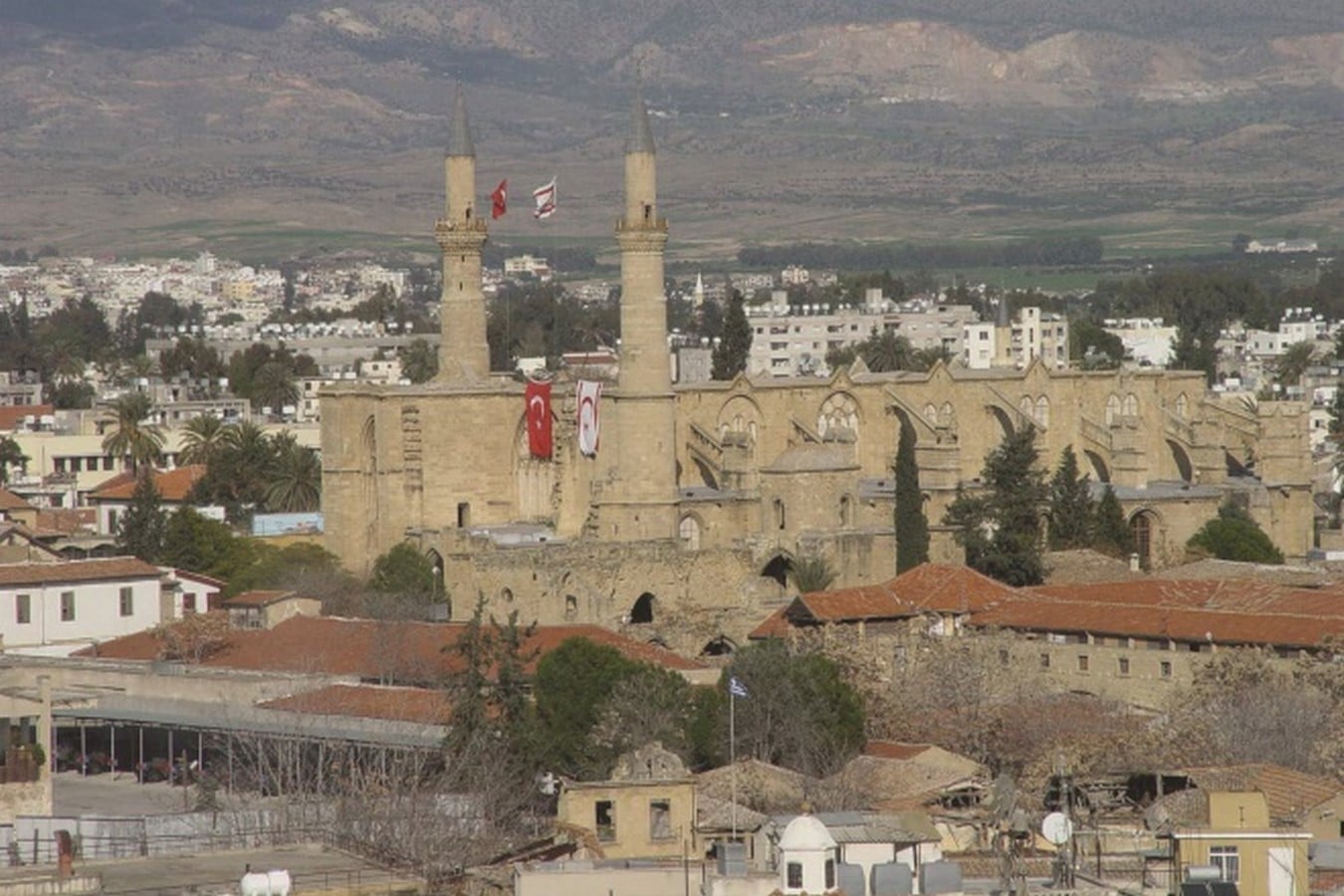
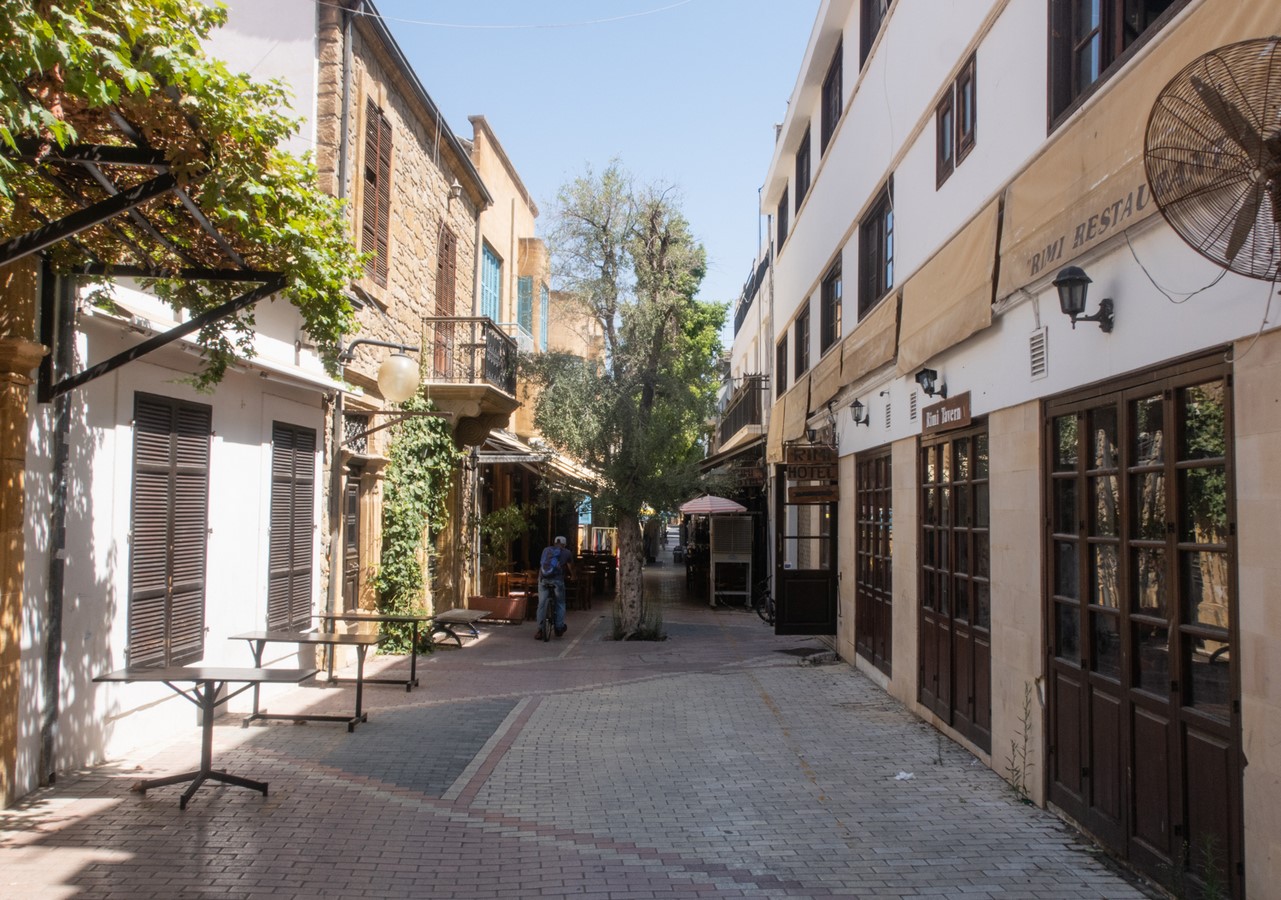
Culturally, Nicosia is engraved with its long and complex history. Nicosia has been influenced by Greek, Ottoman, and British cultures showcasing a diverse architectural tapestry that seamlessly combines styles spanning from medieval to colonial periods. The walled city is characterized by narrow streets and traditional houses, impeccably preserving its medieval essence. Meanwhile, the coexistence of Ottoman-era mosques and British colonial buildings introduces layers of cultural richness. Cyprus is shaped by different cultural significances of Greek, Turkish, Venetian, Ottoman, and British influences, which manifests in the demographic composition of its population. This cultural combination is evident in the architecture of Nicosia, where various cultural traditions contribute to a distinctive blend of styles, creating a unique and harmonious urban architecture.
The architecture of Nicosia is deeply intertwined with social dynamics, playing an important role in its formation. Over time, the city has experienced different rulers and periods marked by coexistence and tension between Greek Cypriot and Turkish Cypriot populations. The division into the Greek Cypriot South and the Turkish Cypriot North has left an imprint on the urban landscape. The United Nations buffer zone serves as both a physical and symbolic boundary, notably influencing the development and relationship between the two communities. Nicosia’s architectural narrative, dating back to the past times, unfolds prominently within the old city, where tangible remains of the past continue to be distinctly visible. The ancient walls, which once were a formidable defense, are now transformed into reminders of the city’s strategic significance.
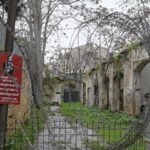
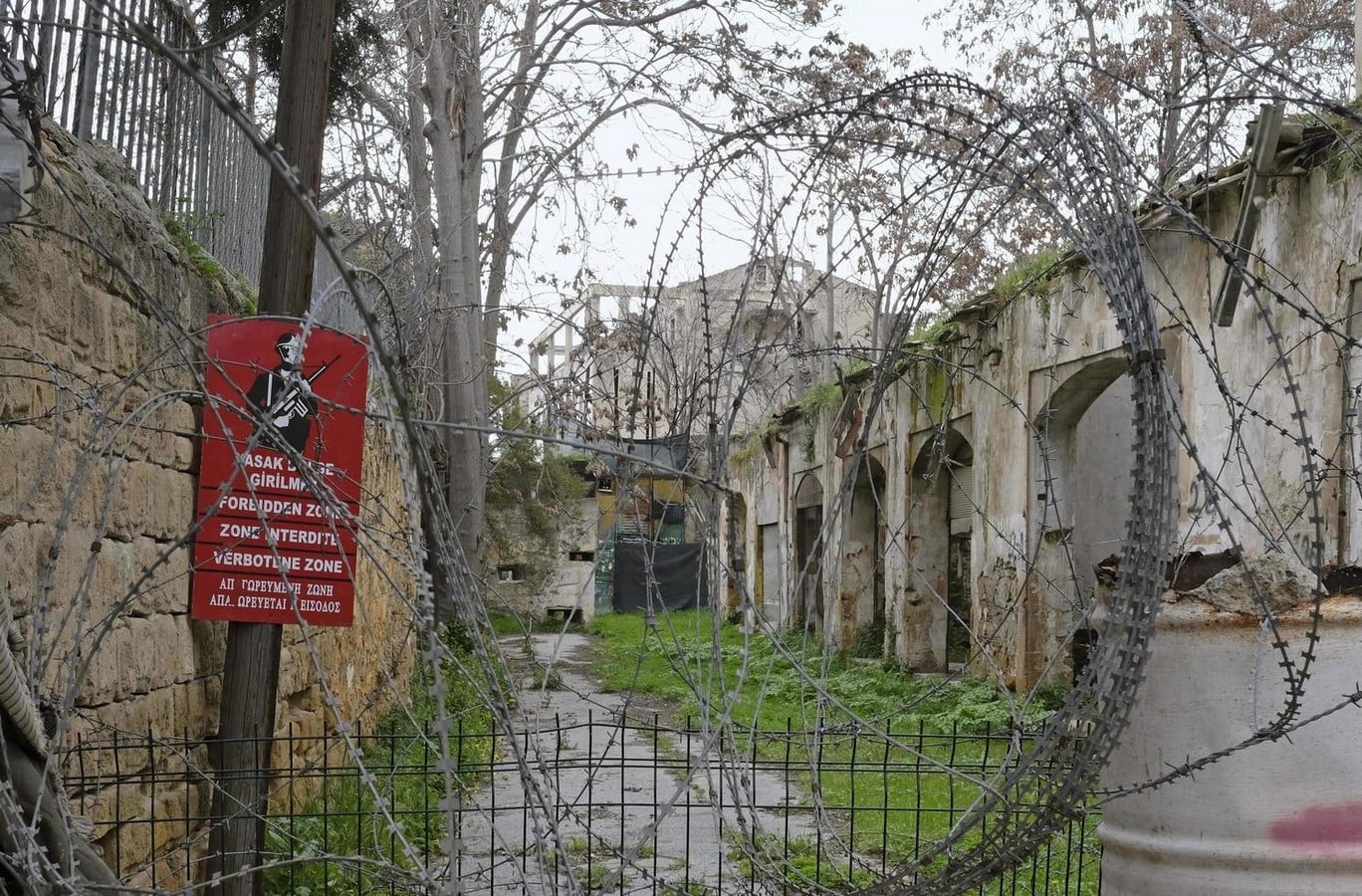
Political dynamics have also left their mark on Nicosia’s architecture. The city is divided into two distinct zones, reflecting the unresolved political situation on the island. The Green Line, which separates the Greek and Turkish Cypriot areas, has created a unique urban environment with abandoned buildings and a frozen sense of time. The political situation has influenced development patterns, with each side maintaining its distinct architectural character. The political differences have led to the division of the city into two halves Turkish north Cypriot and Greek south Cypriots.
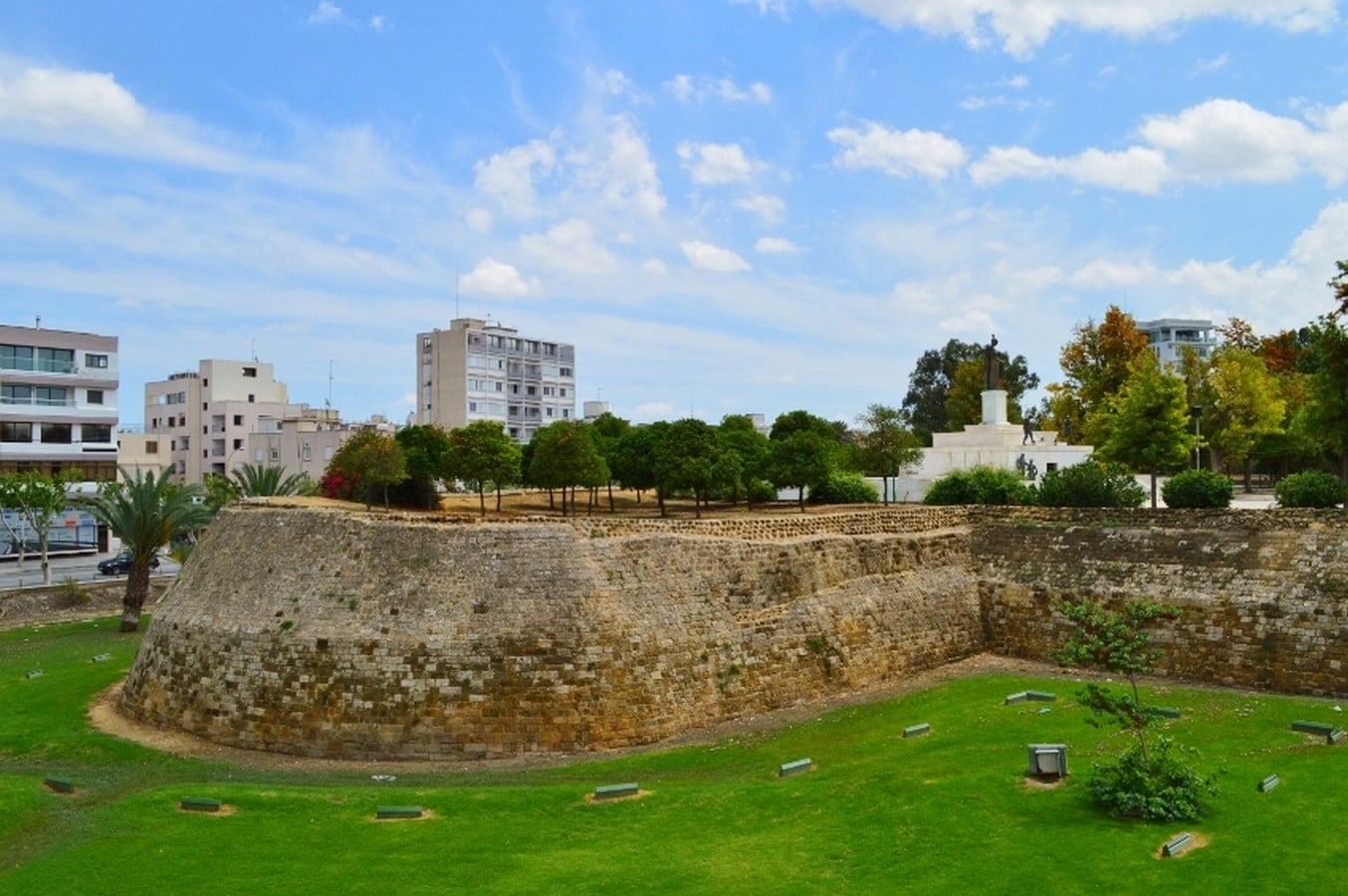
Similar to their predecessors, the Ottomans introduced their distinctive aesthetic styles into Nicosia’s architectural landscape, crafting mosques, khans, fountains, and townhouses (konaklar). This assimilation occurred within the framework of an Ottoman ‘architecture of power,’ where various architectural styles were embraced. The Ottomans not only altered the architectural dynamics of Nicosia by erecting military, commercial, and administrative structures but also reshaped its political, economic, and social urban spaces. This transformation included converting religious sites like monasteries and churches into mosques, effectively shifting the architectural power dynamic from a Christian to an Islamic posture.

Demographics contribute to the diversity of Nicosia’s architecture. The city is home to a mix of ethnic communities, expatriates, and migrants, each bringing their cultural elements. This demographic mosaic is reflected in the variety of religious buildings, markets, and neighborhoods that cater to different communities. Cyprus, thus, became a repository of various architectural styles, with Roman, Byzantine, Gothic, Renaissance, Ottoman, and British Colonial influences prominently defining its multi-cultural identity. The island’s multiculturalism is distinctive in its multi-dimensionality, wherein immigrants from diverse cultural backgrounds played pivotal roles in shaping Cypriot society.

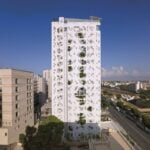
Modernization has also left its mark on Nicosia. The city has seen the rise of modern structures, commercial complexes, and contemporary urban planning. The challenge of balancing modernization with preserving the city’s historical and cultural identity is evident. Different efforts are being made to integrate modern amenities along with the unique charm of the old town and its historic architecture. In contrast to its earlier applications by Cypriot architects in the early 1950s, modern architecture during this period was not merely a style but a means of representing decolonization.
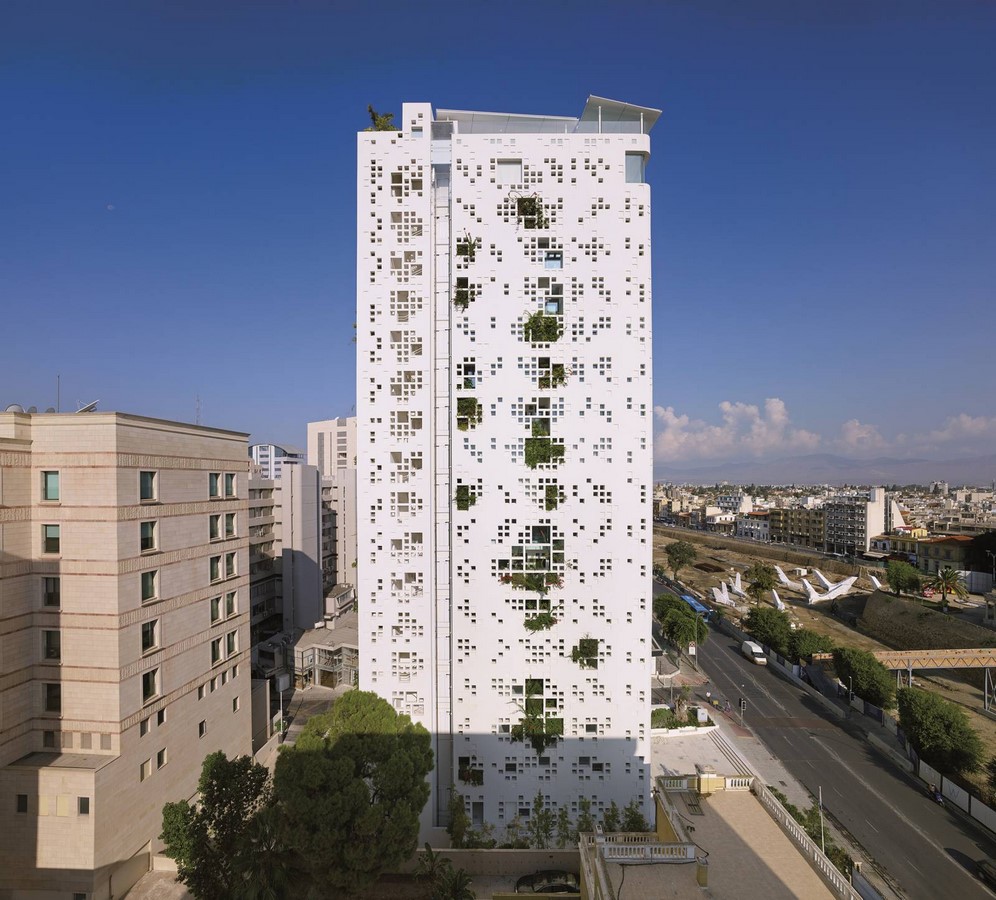
Source: Atelier Jean Nouveal
The construction of new schools, offices, markets, banks, factories, and hotel complexes, characterized by exposed concrete, unconventional volumes, and sculptural overhangs, served as symbols of a post-colonial, modern, and independent Cyprus (Stefanos and Phokaides, 2006). Departing from the traditional use of yellow stone, the whiteness of these structures held international significance as a code. The era of architectural modernization coincided with the onset of political aggression, bi-communal conflict, and division, shaping the organization of urban space. From the early 1950s, a growing sense of ‘Cypriotness’ began to influence the perspectives of the island’s inhabitants, defining spaces among the Greeks of Greece and Turks of Turkey.
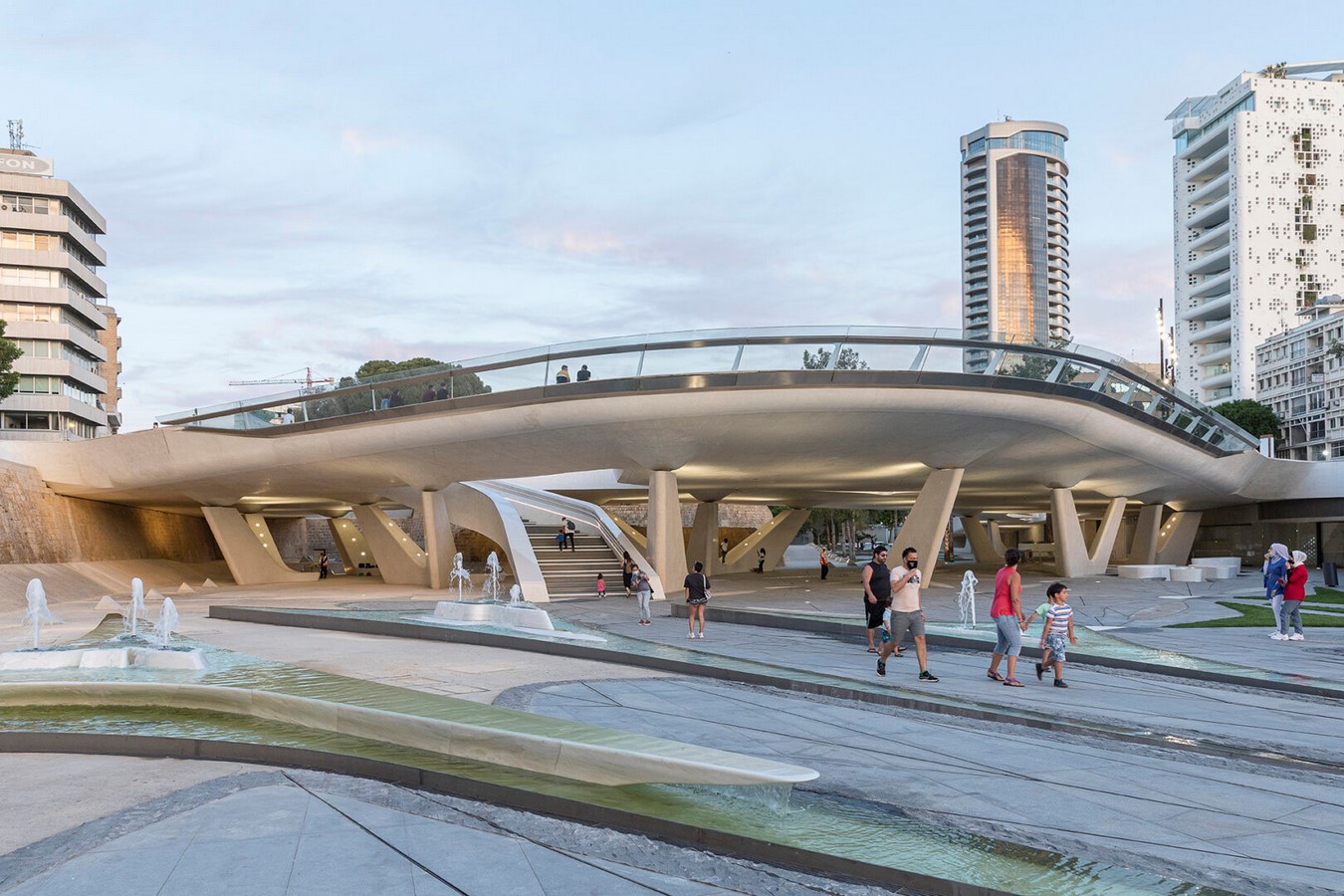
Source: Zaha Hadid Architects
The cityscape of Nicosia, Cyprus is a journey that provides insightful knowledge of Byzantine churches, Venetian walls, Ottoman inns, and British colonial structures, creating a living museum. The city’s architecture, shaped in different eras, reflects coexistence in its social dynamics. Nicosia’s division into the Greek Cypriot South and the Turkish Cypriot North underlines the profound impact of politics on its urban landscape. The Ottomans and a diverse demographic mosaic contribute to a unique blend of styles, while modernization poses the challenge of preserving historical charm amid contemporary developments. Nicosia stands as a testament to resilience, embodying a living chronicle of time where ancient and modern elements coalesce, defining a city that is both distinctive and dynamic.
References:
Giamarelos, S. (2022) Resisting postmodern architecture: Critical regionalism before globalisation [Preprint].
Gurdalli, H. and Koldas, U. (2015) ‘Architecture of power and urban space in a divided city: A history of official buildings in Nicosia/lefkoşa’, The Design Journal, 18(1), pp. 135–157. doi:10.2752/175630615×14135446523387.
Numan, I., Dincyurek, O. and Pulhan, H. (2016) ‘Nationalism, cultural identities and urban conflicts as shaped within the contested space of Nicosia’, Identity, Belonging and Human Rights: A Multi-Disciplinary Perspective, pp. 47–58. doi:10.1163/9781848884571_006.
Team, K. (2023) From past to present: The evolution of nicosia, cyprus’s architecture, Kurby Real Estate AI. Available at: https://blog.kurby.ai/from-past-to-present-the-evolution-of-nicosia-cypruss-architecture/ (Accessed: 31 December 2023).
Yılgın Damgacı, A. and Ulaş Dağlı, U. (2018) ‘Shifting boundaries of Divided City nicosia through social actors’, Space and Culture, 21(4), pp. 482–494. doi:10.1177/1206331217749763.
Öngül, Z. (2012) ‘Analysing the city identity of Nicosia from a historical perspective: External effects, solutions proposed’, Procedia – Social and Behavioral Sciences, 35, pp. 284–292. doi:10.1016/j.sbspro.2012.02.090.