Baroque and Scandinavian design styles are very different. Baroque design became popular in Europe in the 17th Century, demonstrating opulence. Scandinavian design became popular in the 20th Century and promotes simplicity, practicality, and natural features. Baroque design focuses on expression and opulence, whereas Scandinavian design focuses on simplicity, practicality and creating better quality lives. Where Baroque style architecture is very extravagant, Scandinavian style architecture follows a much simpler design. Natural materials like wood and stone are used, as well as neutral colours, simplistic lines and large windows to allow lots of light into the space. Both styles reflect the values and lifestyle of the time. The Baroque style was designed to create an effect of extravagance, wealth and authority. However the Scandinavian style was developed for spaces which would be practical, comfortable and easy to access, in order to improve people’s lives.
Baroque Design
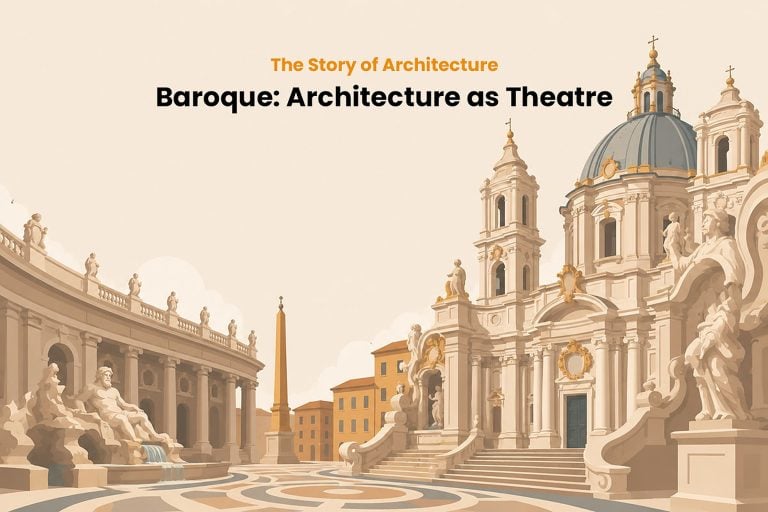
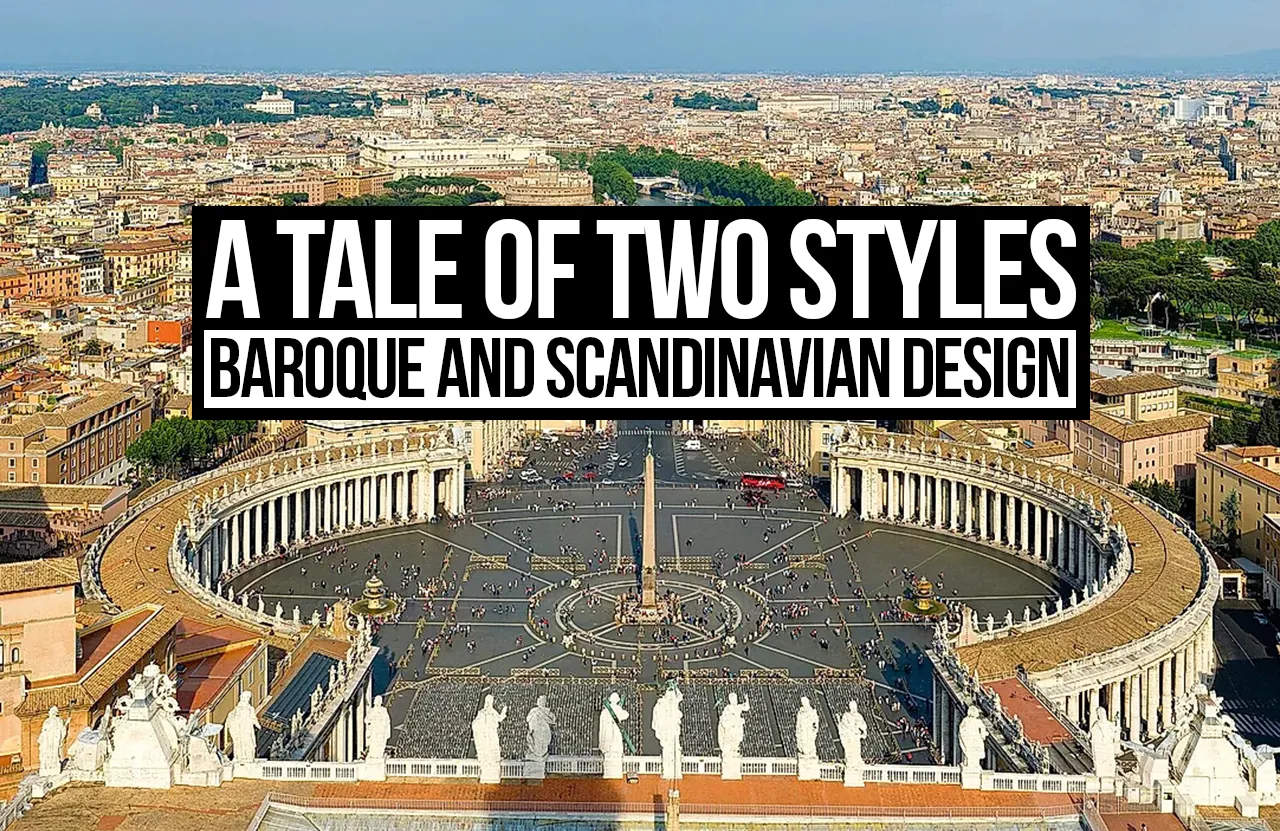
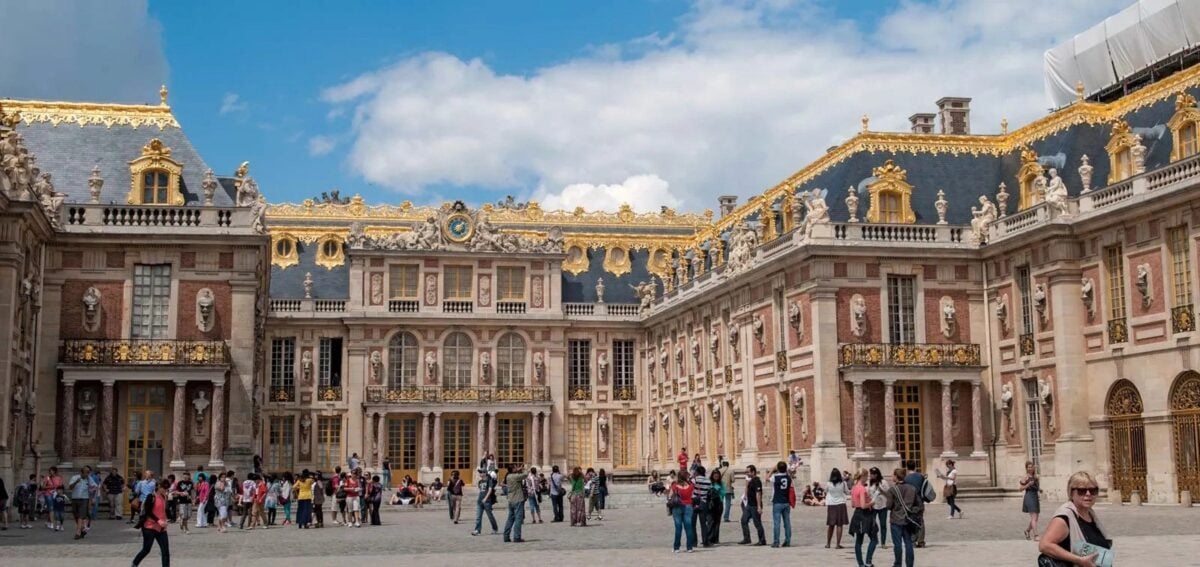
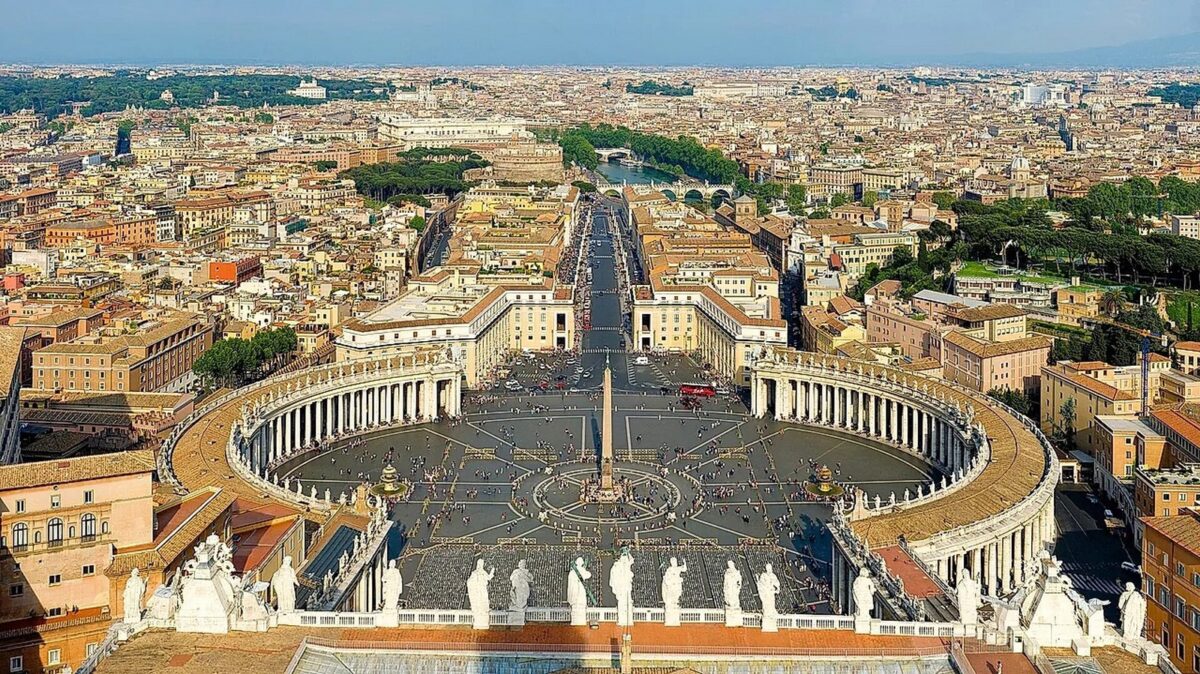
Baroque design began in Italy in the late 16th Century, and became popular across Europe in the 17th and early 18th centuries. It was used by the Church and European Monarchs to demonstrate power, wealth, and the influence of religion. The design is very different from that of the Renaissance. Large buildings, large staircases, flowing lines, and highly detailed surfaces were present in Baroque design. This design aimed to create an emotive response in people. Art, sculptures, and paintings are often included in these designs to create a cohesive dramatic effect. These buildings are very dramatic. The Palace of Versailles in France is a famous example of this design. In St. Peter’s Square in Vatican City, flowing lines in the colonnades have been used to create a strong visual impact for viewers.
Scandinavian Design
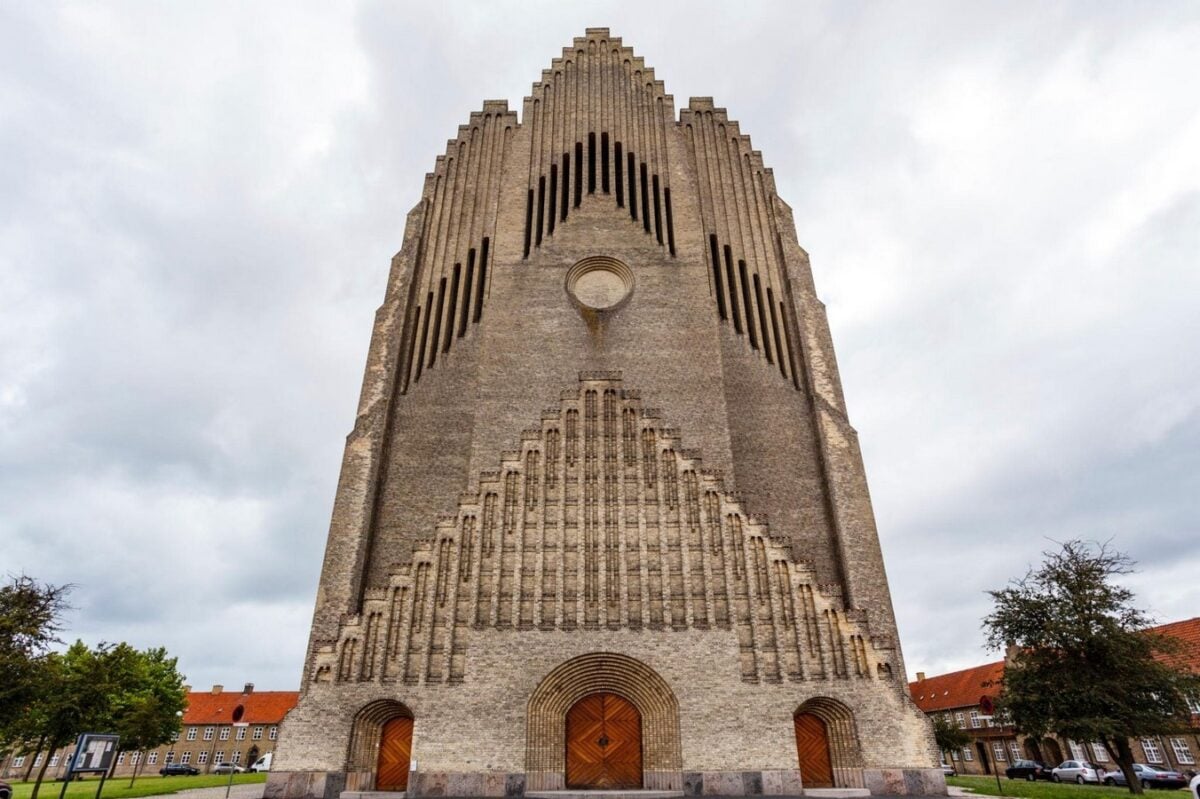
Many years after the Baroque design became popular, Scandinavian design became popular in architecture, interior design, and product design. Unlike Baroque design, Scandinavian design didn’t include excessive design features to indicate wealth. Instead, it aimed to create designs that would benefit people in daily life. Good design should be made available to as many people in society as possible. Simplicity is seen in Scandinavian design. Carefully selected furniture and less decoration in the design create very simple spaces. ‘Hygge’, which is common in Denmark, is apparent in this design. This creates a warm and welcoming atmosphere and makes people feel together. Therefore, it can be seen that simplicity in Scandinavian design allows people to be in comfortable, functional, and people-oriented spaces.
Comparison of Baroque Design and Scandinavian Design
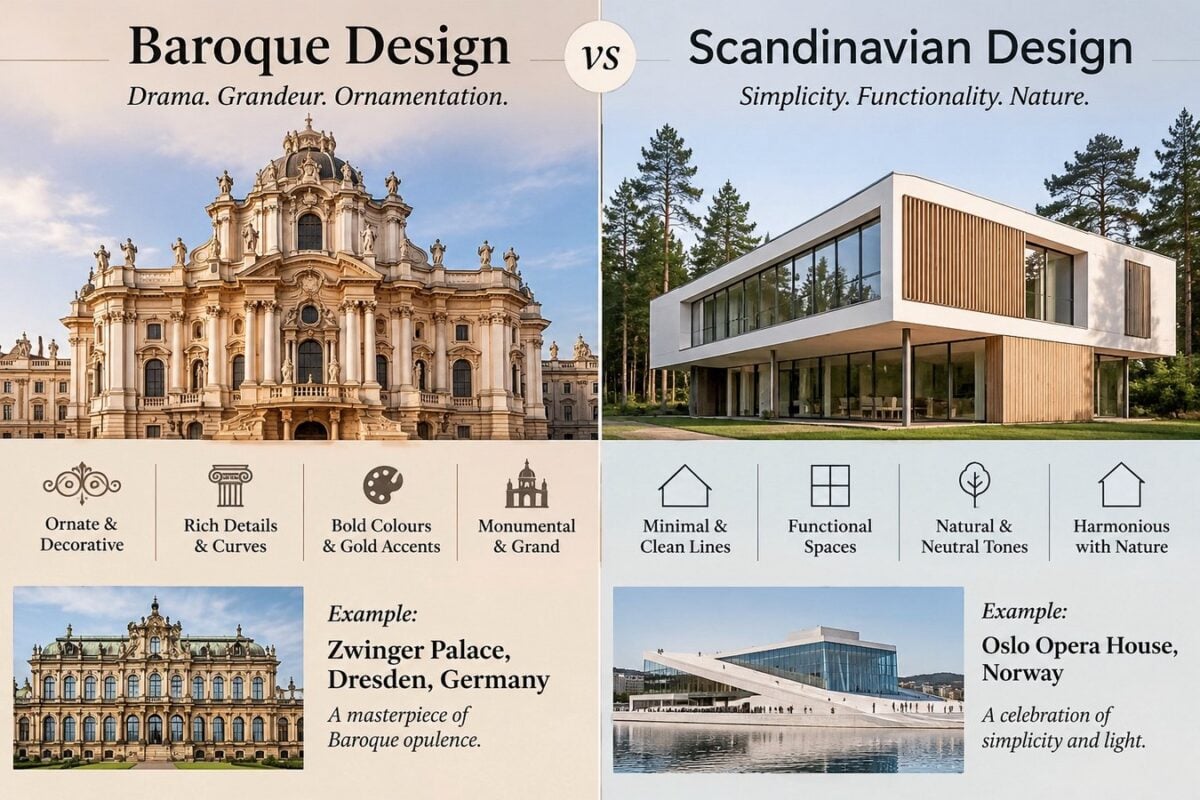
The values in Baroque and Scandinavian design are very different. There is a lot of decoration in Baroque design, and large features to create a grand feel. The materials in both styles of design are also very different. However, both styles of design understand spatial experiences well, high quality, and the relationship between materials and ambience in designs. Whilst Baroque design creates a sense of amazement in spaces, Scandinavian design creates comfortable spaces. Both styles of design value people’s perception and interaction with spaces.
Applying knowledge in the Present
Grand architecture can be paired with simplistic design in hotels, homes, and public buildings. For example, in a building with a Baroque style, grand designs could be present with detailed ceilings and columns, and large-scale architecture. However, the interior may include modern design, subtle lighting, and practical design. Interest could be added through sculptural pieces of furniture, dramatic lighting, and chosen design features. Therefore, simple and excessive architecture within interior design can co-exist. Through analysing how architecture has changed from Baroque to Scandinavian styles, we see how society has changed. While Baroque architecture focuses on conveying power, ability, and impressiveness, Scandinavian architecture focuses on providing practicality, accessibility, and comfort in interior design. Although neither design is better than the other, useful concepts can be taken from both. However, in general, effective interior design doesn’t rely on the level of excessiveness/simplicity present within the design, but rather whether it is appropriate for people in that interior space. However, generally speaking, an effective design does not depend on how excessive or simple it is, but whether it suits people in those spaces.
Learning for future Architecture
From the investigation of these two design styles, several things can be learned. From Baroque design, we can learn that architecture can represent identity, culture, and emotion. As the design is very detailed and artistic, architecture can do more than just provide functionality. From Scandinavian design, we can learn that spaces should be created to suit people’s needs. To create more responsible designs, we can take ideas from Scandinavian design to incorporate natural light, sustainable materials, and simple but functional design. Reflection: We can learn that a Balance Between aesthetic and functional design should be considered in both designs. Although Baroque designs can seem very complex, and simple designs may seem lacking in character, meaningful designs can be created by using appropriate scale, texture, natural materials, and planning.
As sustainable and wellbeing-focused design is becoming more important, ideas from Scandinavian design can be used. However, ideas from Baroque design should also be considered so that emotion and culture in design aren’t lost. The change from Baroque to Scandinavian design in architecture shows a change in what architecture represents in society. Knowing the benefits of each design in this change means that architects can create beautiful, meaningful designs with sustainability and comfort.
References:
- Victoria and Albert Museum (2026). The Baroque Style. [online]. Available at: https://www.vam.ac.uk/articles/the-baroque-style [Accessed 20 November 2026].
- Sorabella, J. (2003). Baroque Rome. The Metropolitan Museum of Art. [online]. Available at: https://www.metmuseum.org/de/essays/baroque-rome [Accessed 20 November 2026].
- Harris, B. and Zucker, S. (n.d.). The Early Modern Era: The 17th Century. Smarthistory. [online]. Available at: https://smarthistory.org/early-modern-era-17th-century/ [Accessed 20 November 2026].
- Gage, F. (2014). Baroque Art and Architecture in Italy. Oxford Bibliographies. Available at: https://academic.oup.com/reference/62416/reference-article-abstract/561714128 [Accessed 20 November 2026].
- UNESCO (n.d.). Palace and Park of Versailles. [online]. Available at: https://whc.unesco.org/en/list/83/ [Accessed 20 November 2026].
- Basilica of Saint Peter (n.d.). The Square. [online]. Available at: https://www.basilicasanpietro.va/en/san-pietro/the-square [Accessed 20 November 2026].