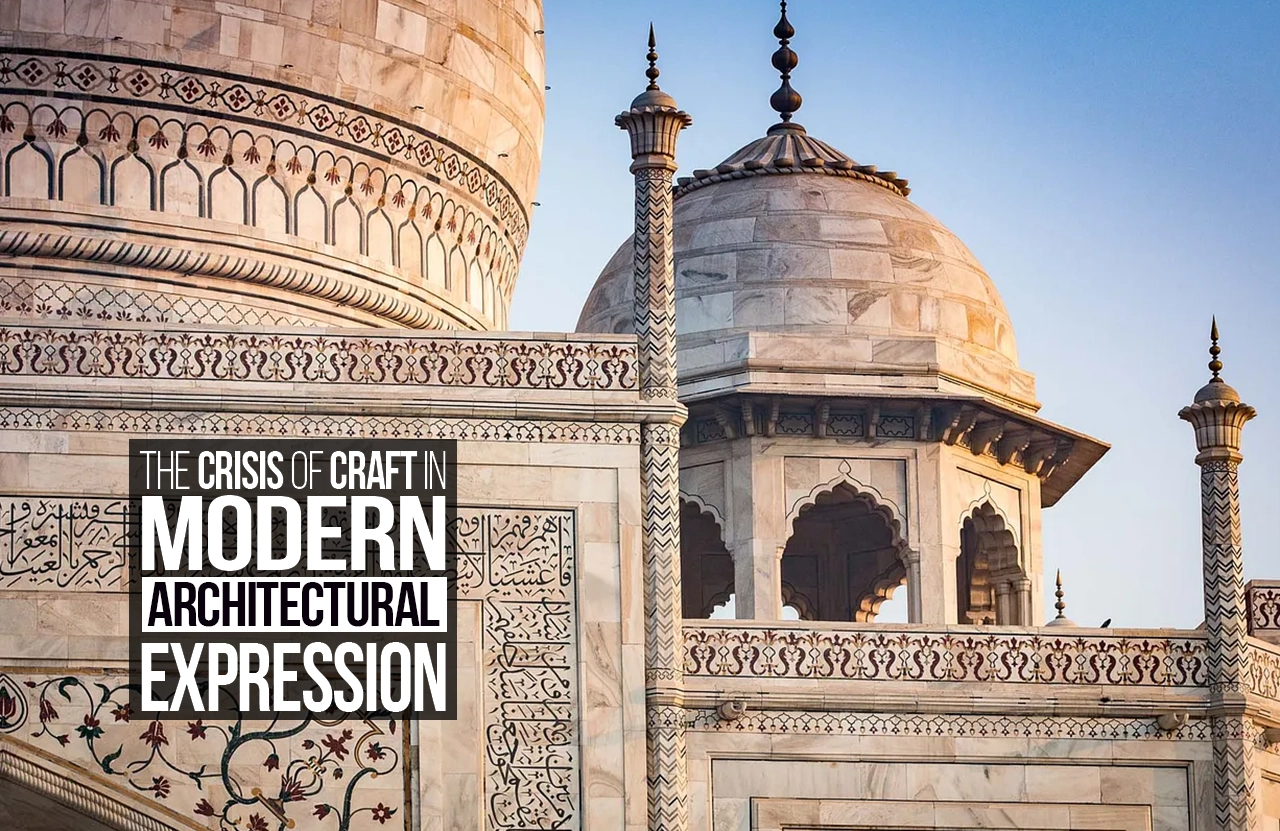
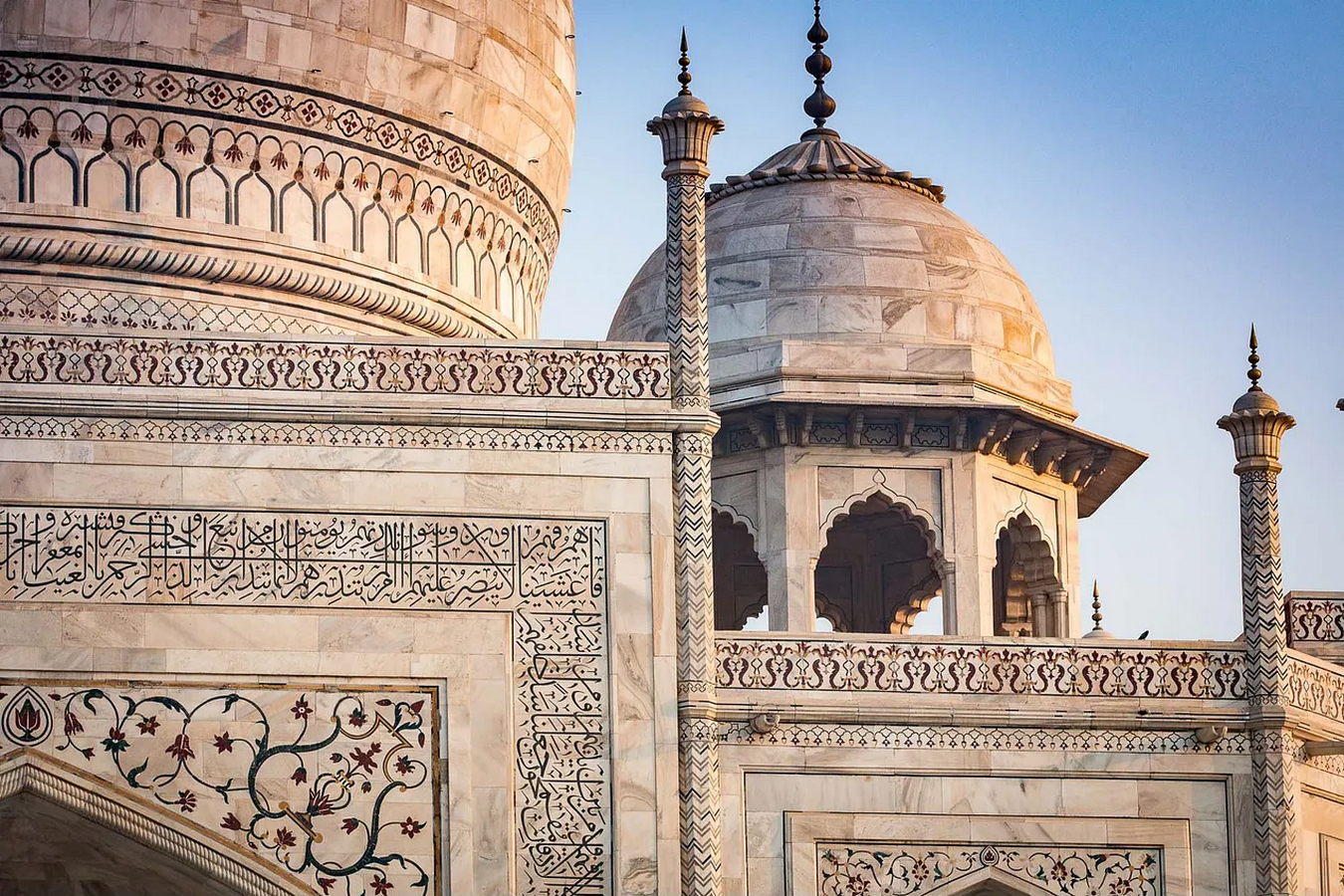
The architecture of different geographical regions of the globe has its own identity. From the beautiful love-engraved Taj Mahal in India to St. Peter’s Basilica in Vatican City, which embodies a sense of spiritual awakening and grandeur, every detail of such buildings has a story. What makes them special and stand out is their beauty in ornamentation and Craftsmanship, made hundreds of years ago without any advanced technologies and solely through human labour. On the contrary, nowadays, although there are many innovative techniques for creating such ornamentations, people are increasingly driven towards assembling plain steel and metal structures and avoiding intricate detailing. The stories and emotions evoked by looking at a building are slowly declining at present, and all the buildings have started to look the same: tall, rectangular ones with large glass and aluminum windows.
Loss of story
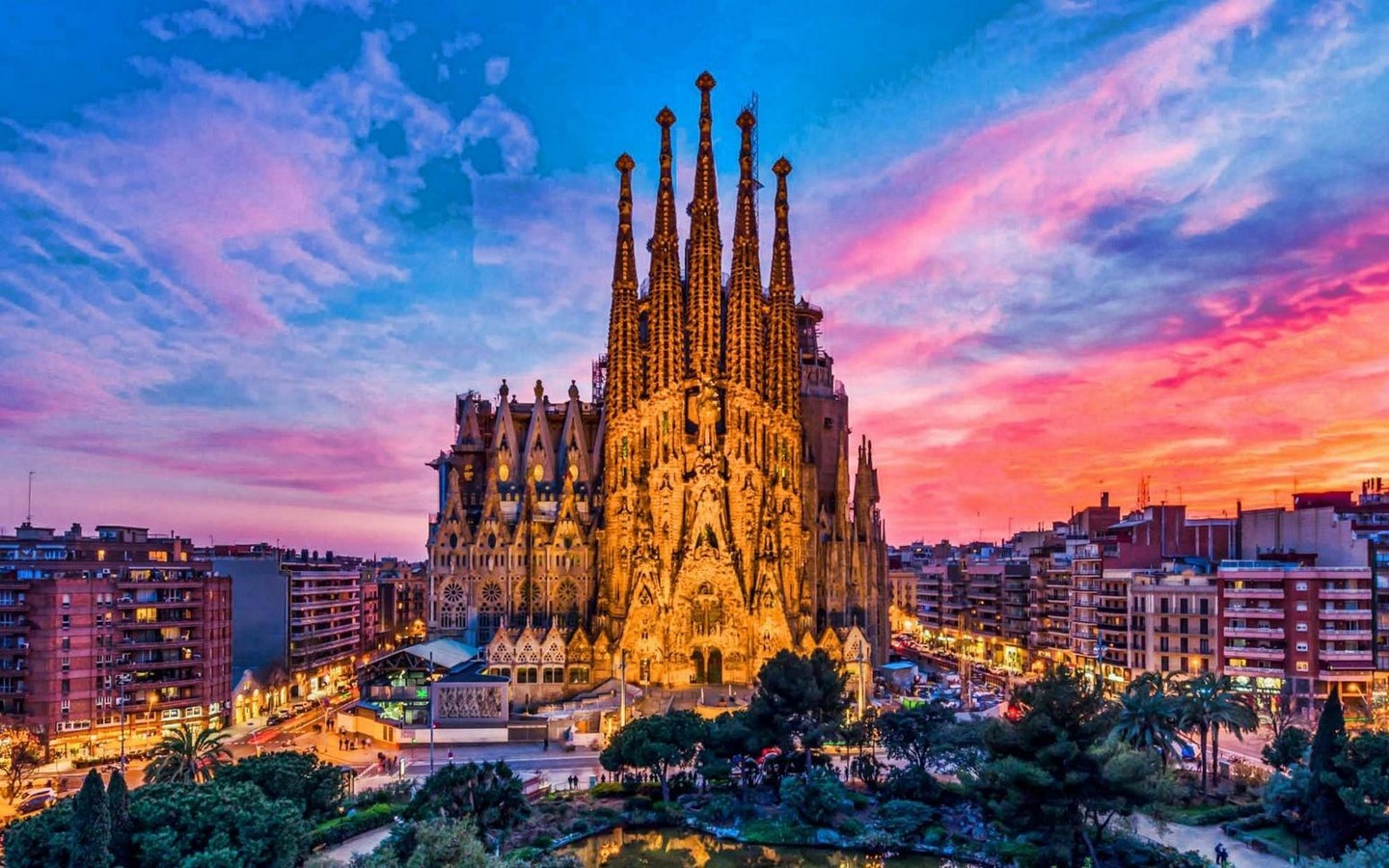
The Sagrada Familia of Spain, built by Antoni Gaudí, is one of the renowned examples of storytelling through a building. Built in 1882, the façade of the building is thoughtfully designed, which is dedicated to a different aspect of the life of Jesus. The east façade is dedicated to the birth of Jesus, the west façade is dedicated to Christ’s passion/ death/ resurrection, and the south façade, as well as the main façade, is dedicated to the nature of Jesus even after his death.
Similarly, going back to the Malla architecture of Nepal, even the smallest details of the building, for instance, wooden struts, had a meaning to them. It wasn’t just a supporting element, but an element with beautiful designs and carvings of deities, plants, and erotic scenes. Such an expression of a detailed story lags in contemporary architecture. The architecture now is like assembling different components of a building, which are industry-made, often prioritizing speed and ease over craftsmanship, that results into lack of depth of narrative and emotional connection that was once incorporated in traditional architecture.
Economics and ease over Craft
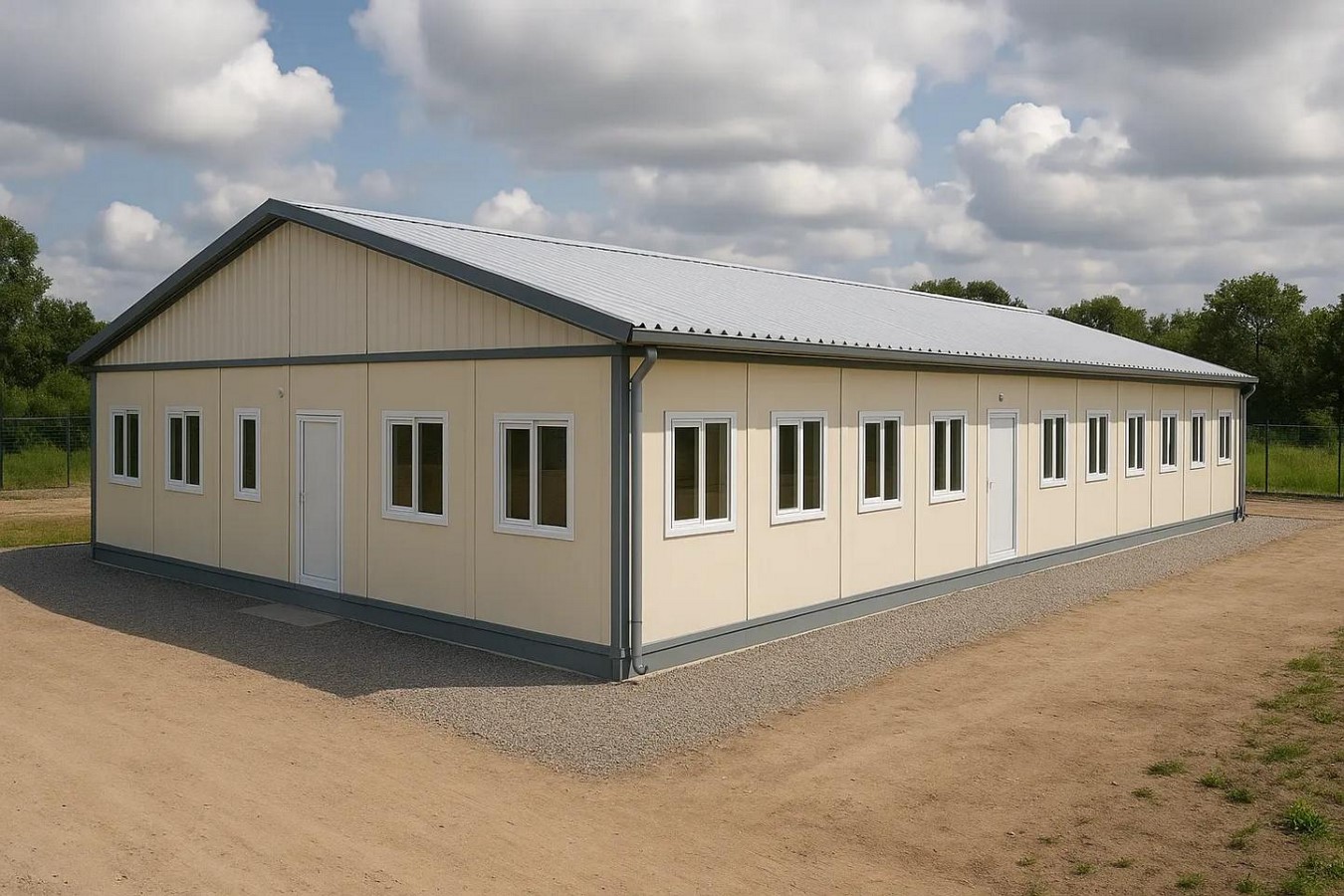
Due to the rapid urbanization, population growth, and rising construction costs, nowadays, people prefer simpler and more economical building structures. The emerging construction of prefabricated, modular buildings have shorter project timeline as the components used in these buildings are mass-produced, replacing hand-crafted architectural elements. Additionally, it reduces reliance on skilled artisans and manual labour. Globalization has led to the building of uniform and repetitive building structures that don’t carry the story or emotion like the structures did back then. The extensive detailing and ornamentation are completely lost, and the buildings are treated more like a product rather than cultural expressions.
Decline of Skilled Labour and Artisans
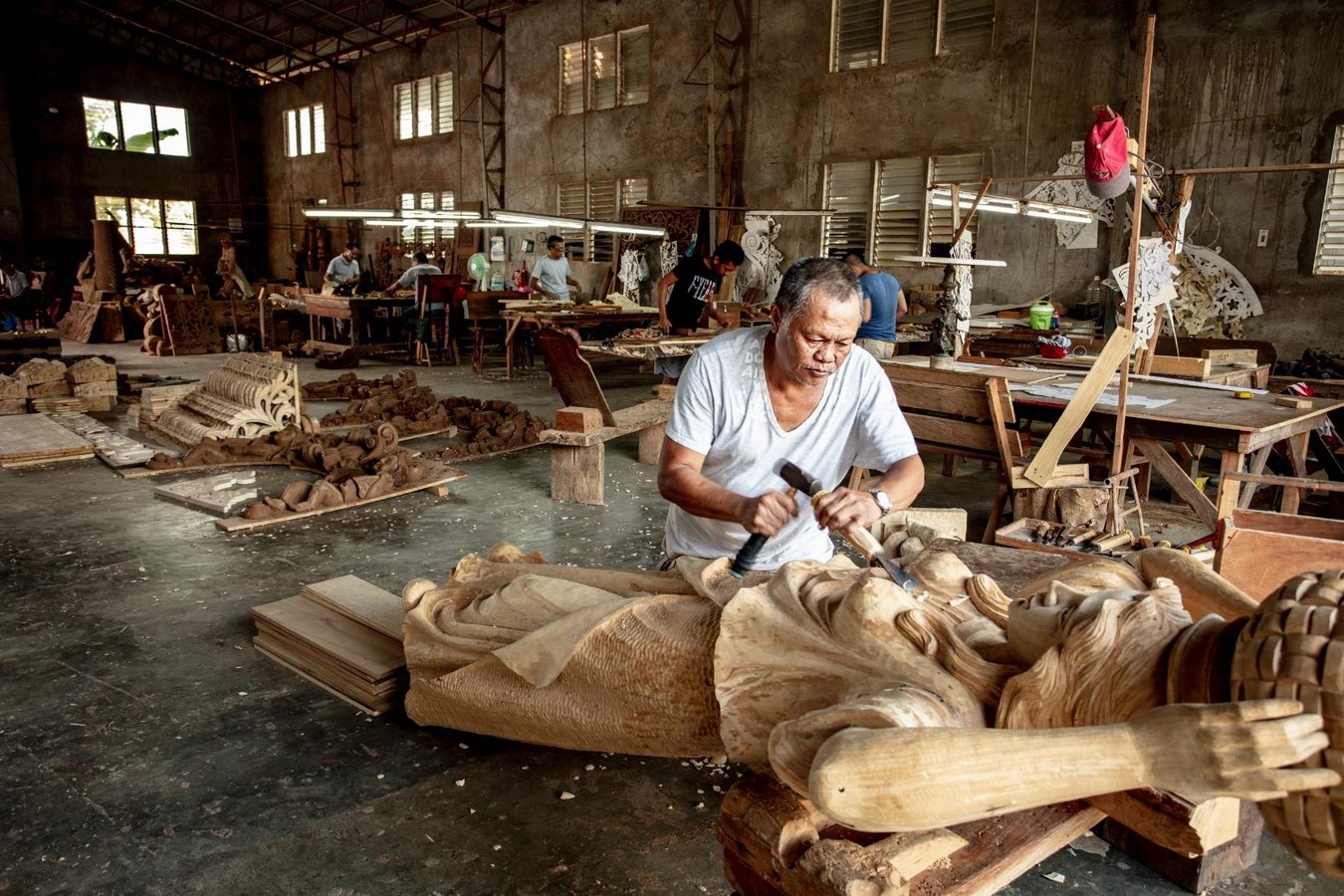
There was a time when every place had a master carpenter, mason, blacksmith, and other craftspeople. They dedicated their life in creating beautiful and lasting works of creativity and details on built structures. But today, such an artisan is becoming rare. People have been focusing much on ease and economic structure, and hence, skilled trades are facing a quiet crisis. Due to this, young industrial labourers have been increasing, while the skilled craftsmen have gradually retired, leading to a disruption in the generational transfer of traditional skills. This cultural shift towards convenience has hurt the value of artisans in particular, those who create structures with care, patience, and deep expertise. Even though some exist, they are often neglected. For instance, these days, people don’t find any difference in a painted wooden strut, which was once a beautifully carved master piece.
Comparative Analysis
A comparison between the traditional and modern cathedrals shows a significant difference in details and craftsmanship over time.
- Notre-Dame Cathedral
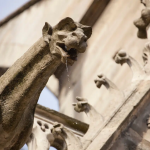
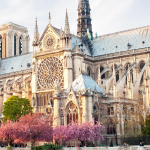
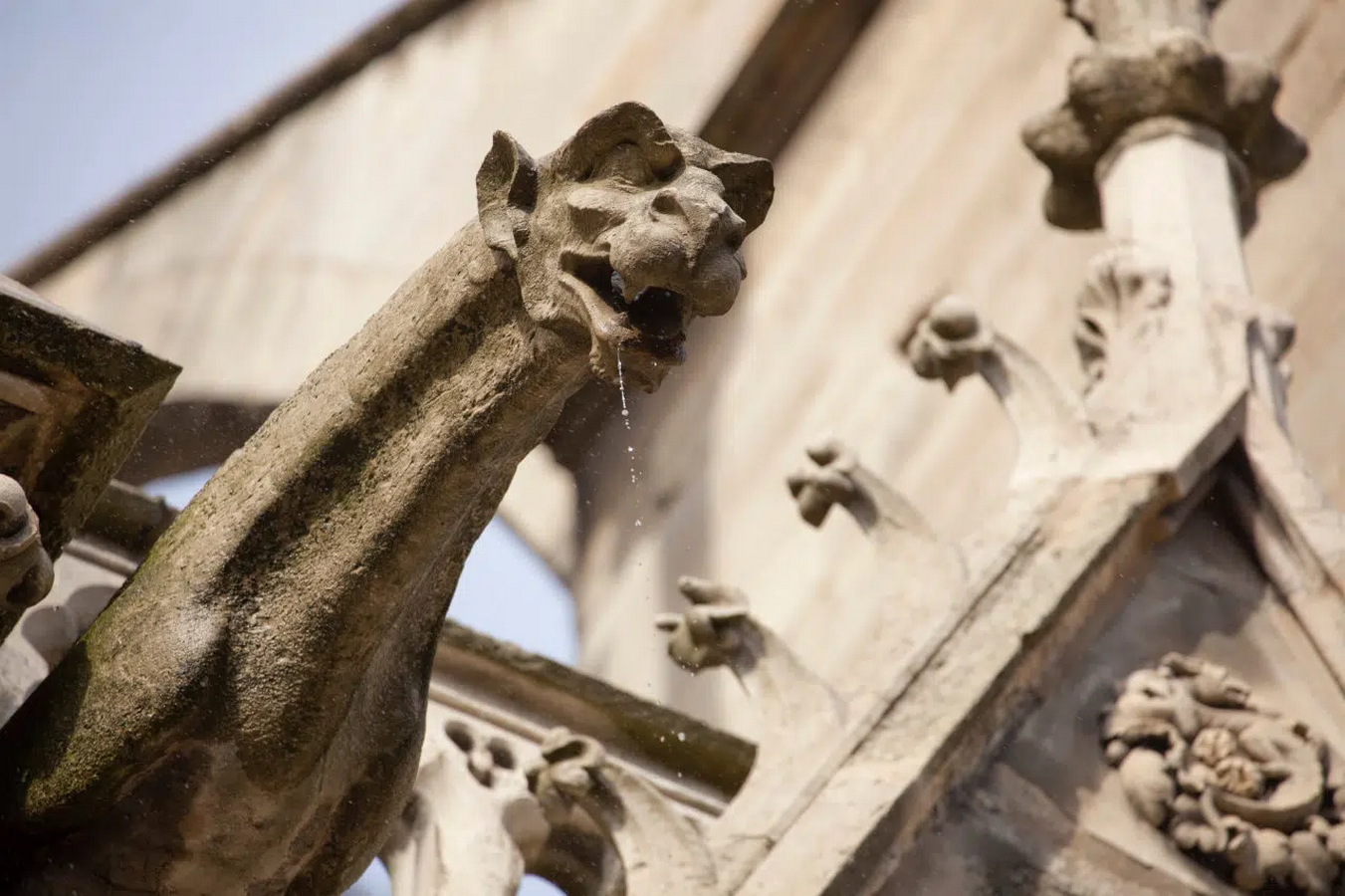
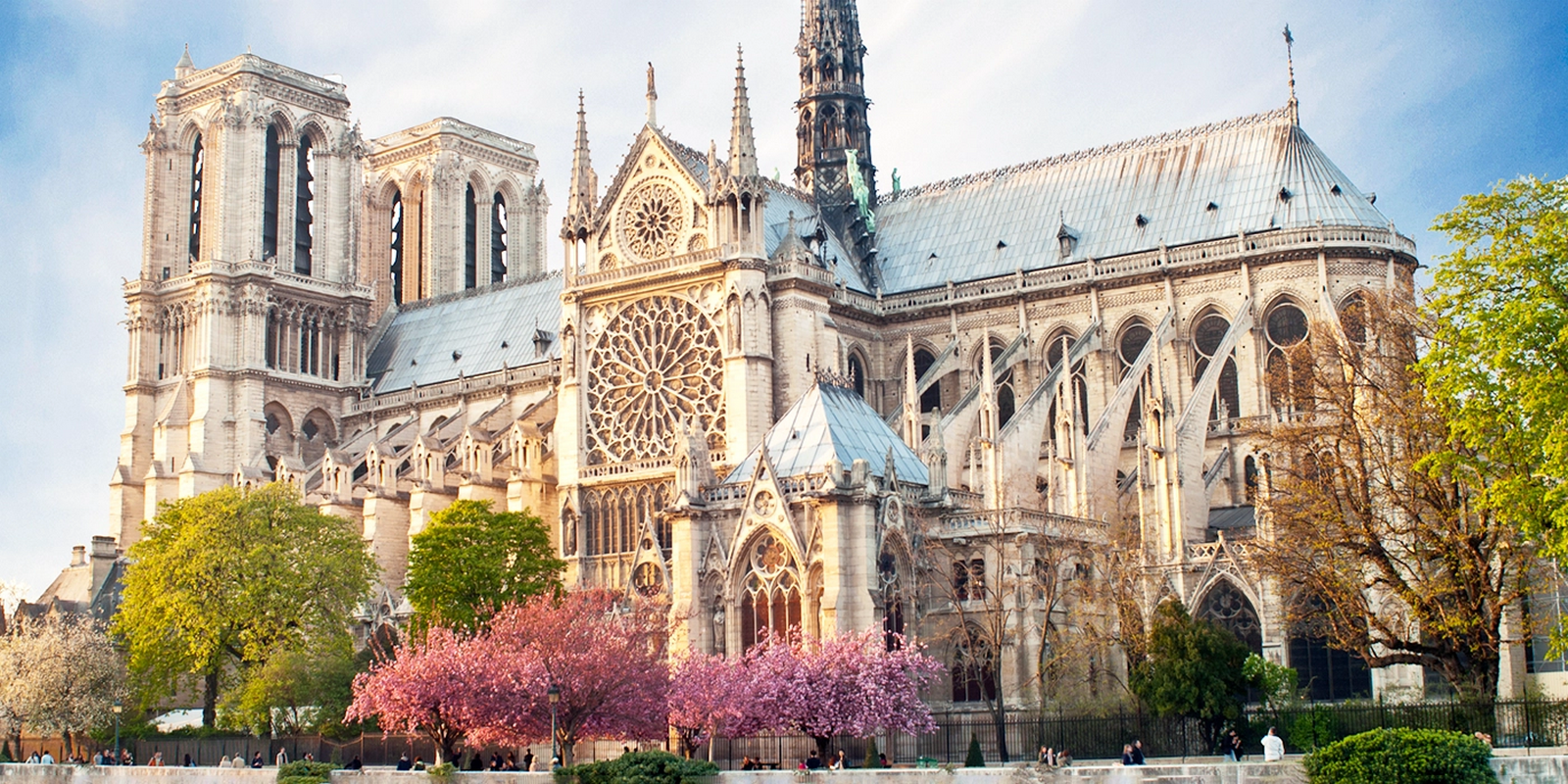
Built in the Gothic period, Notre Dame is still one of the famous cathedrals even after the devastating fire it suffered in 2019. The grand masterpiece features a choir, an apse, a short transept, and a nave surrounded by double aisles and square chapels. The west side of the cathedral consists of twin Gothic towers, which feature sculpted doors and stone figures of Old Testament kings. Even the service element, like gutters, was intricately detailed and carved into gargoyles, which combined utility with artistic expression. The overall cathedral blends history, art, and spirituality into an impressive ensemble that captivates at every turn.
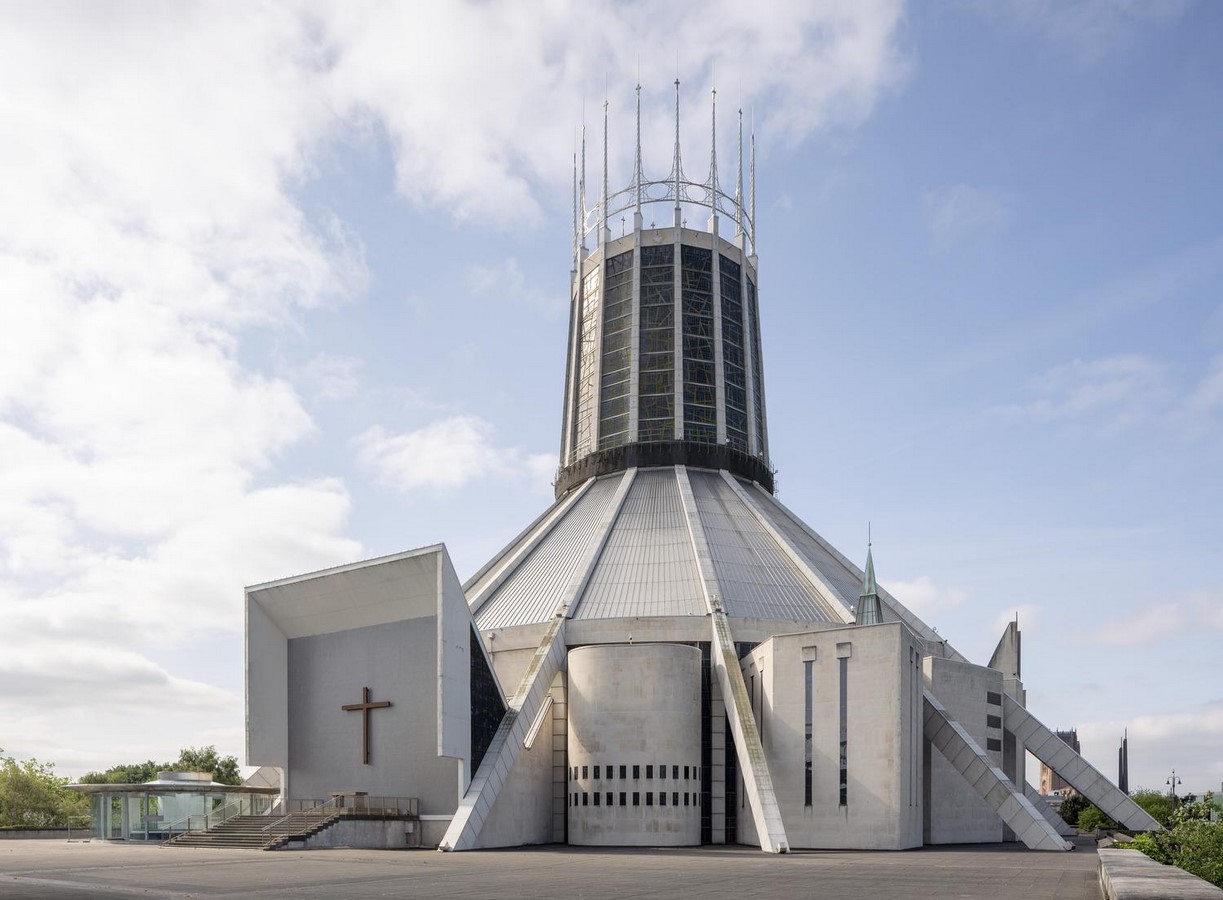
- Liverpool Metropolitan Cathedral
In contrast to the Notre Dame Cathedral, the Liverpool Metropolitan Cathedral was built in 1967 using modern engineering techniques. It has minimal emphasis on ornamentation and more on structure and form. Built in a circular layout, it is made up of reinforced concrete, with an aluminum-covered roof that doesn’t allow the same level of hand-carved detail as stone. Even though the cathedral features a unique and eye-catching view, it lacks intricate carvings, sculptures, and detailed facades as seen in the Gothic architecture. However, it features meaning through space and light, and not through detailed storytelling elements.
The way forward: Revaluing Craft in Practice
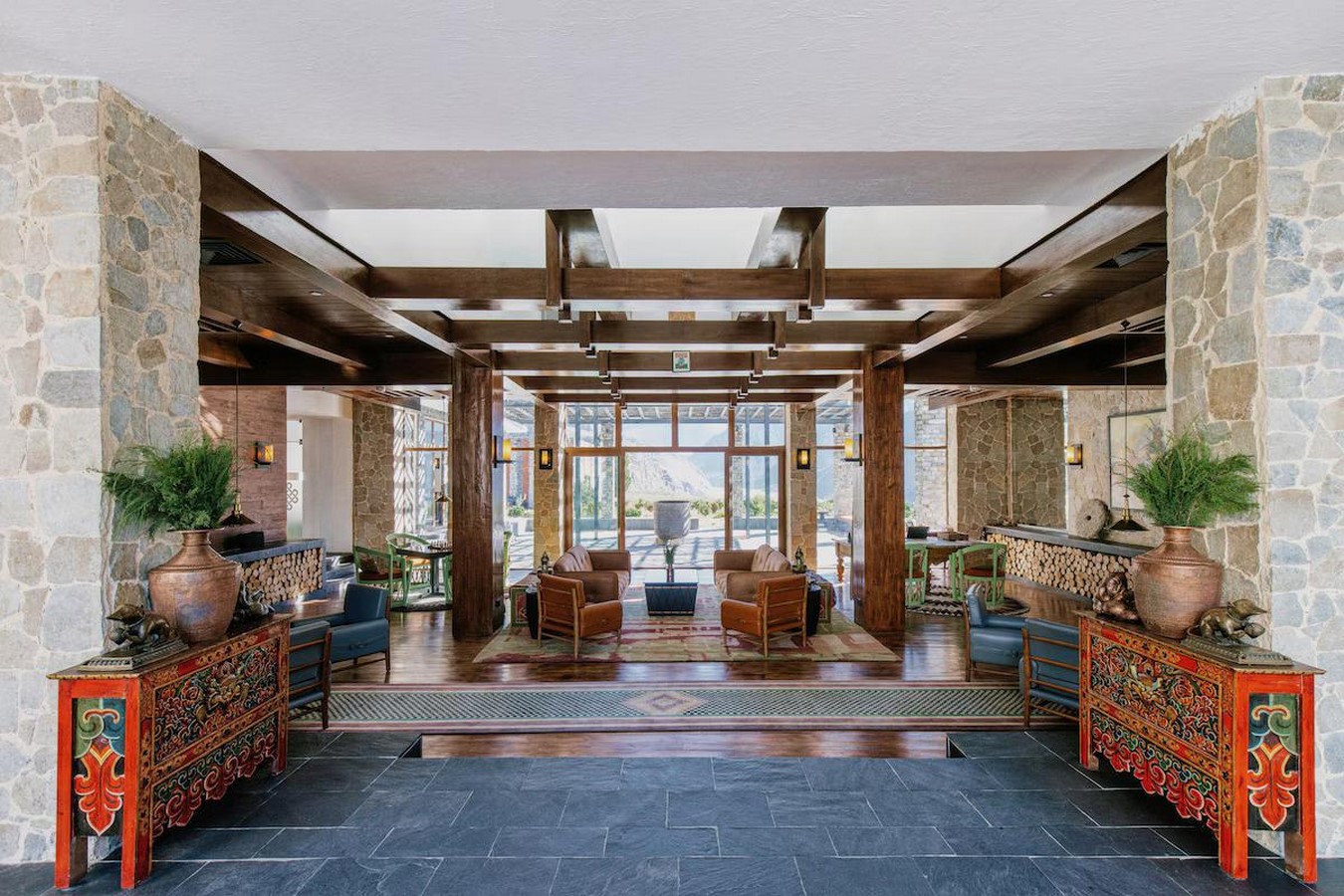
Although modernism has flourished rapidly in today’s world, there are ways to incorporate traditional details and art in a building that tells a story to the viewers. Due to the emerging technological advancement, a design approach that creates a fusion between the traditional and modern building designs can be possible. In addition to this, it is essential to encourage mentorships and apprenticeships to design such spaces or structures so that knowledge and techniques are not lost. Through different social media platforms, promoting craftsmanship can be done, not just a job, but as an art. Architects and designers should integrate local materials, cultural narratives, and artisanal techniques into modern projects, ensuring that buildings remain rooted in their context.
Reference:
Nativity, Passion, Glory | A guide to the Sagrada Familia’s facades. Barcelona Tickets. Available at: https://www.barcelona-tickets.com/sagrada-familia-tickets/sagrada-familia-facades/ (Accessed: 10 April 2026).
Jameson, W. (2025). The Disappearing Craft: Why Skilled Trades and Artisans are on the Decline. Westwood Builders. Available at: https://www.westwoodbuildersmt.com/post/the-disappearing-craft-why-skilled-trades-and-artisans-are-on-the-decline (Accessed: 10 April 2026)
The Notre-Dame Cathedral: a phoenix rising from the ashes. NH Hotels and Resorts. Available at: https://www.nh-hotels.com/en/travel-guides/paris/notre-dame-cathedral/ (Accessed: 12 April 2026)
Gibberd Architects. Available at: https://www.gibberd.com/projects/liverpool-metropolitan-cathedral (Accessed: 12 April 2026)