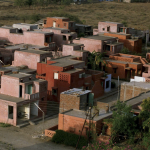
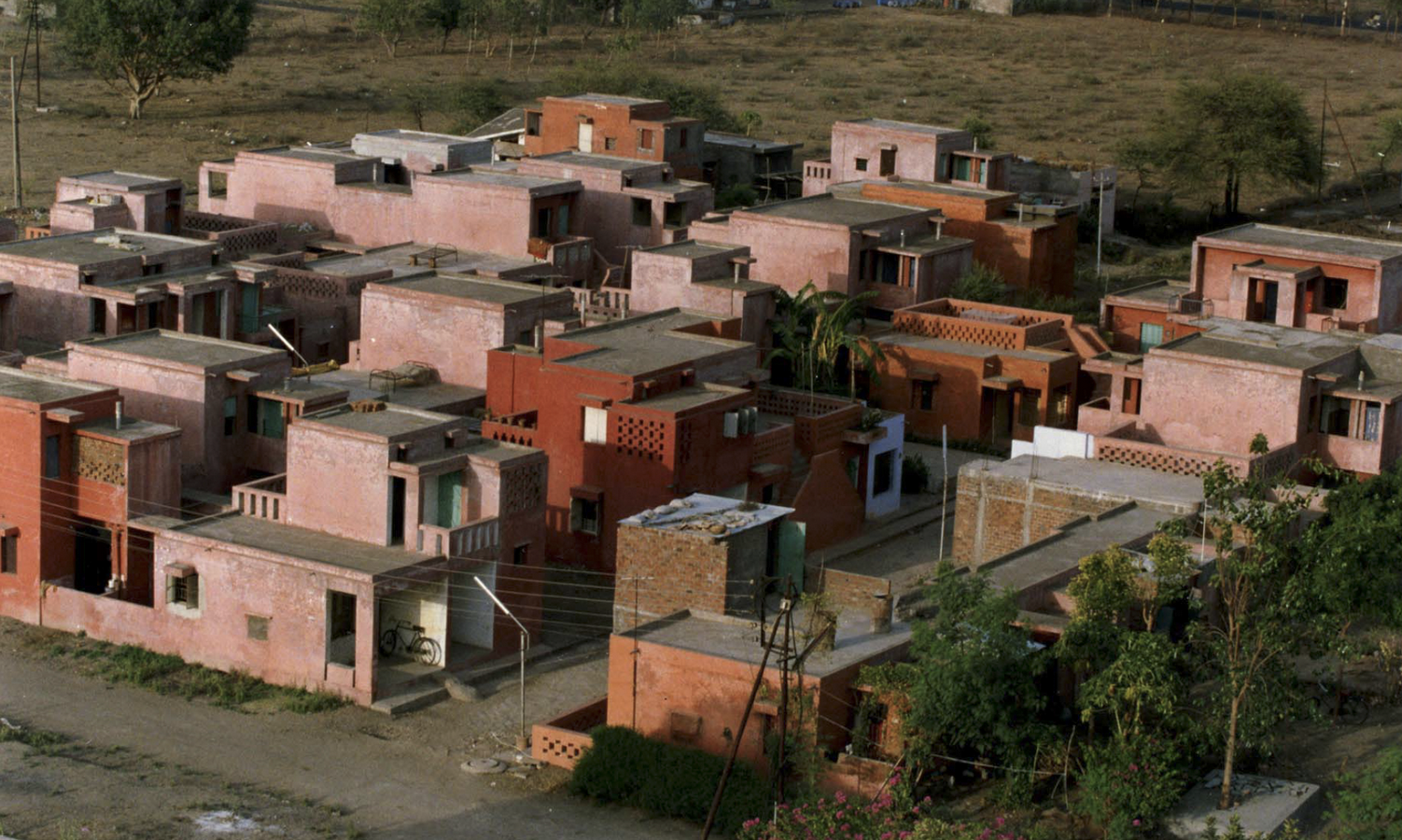
One is not a student of Architecture if one doesn’t recognize B.V Doshi’s infamous Aranya Housing project. The involvement of the residents, their suggestions and insights are what made Aranya, a stellar example of what a community would look like, if they helped in designing for themselves. The residents of Aranya have made use of the flexible housing layouts, expanded houses without causing a hindrance to the other houses, and evolved a special spatial layout that totally works for their community, as they desired.
What is a community design if it is not intervened by the community itself? It won’t last, and before they know, it’s gone with the wind. As the world moves forward, marching into the future, it needs to continue standing on its own legs, for which a sustainable approach is required. Now, sustainability is what everyone is all about in today’s scenario. And there are many aspects and methods to achieving it. Future design is heavily influenced by sustainability. Achieving it can be done through so many ways, and on a ground level, the involvement of the community in all this might as well be the very first and most important step.
Theoretical Background
In the 1970s Scandinavian Industrial Democracy, which sought to empower workers by giving them a direct say in the technological systems- those which affected their labor- originated the foundation of community involvement. However, over the following decades, such a theory has developed to become the study of socio-material assemblies, moving away from the design of individual artifacts to an understanding of the intricate system of community relations, power configurations, and cultural values that accompany such artifacts. Under such a perspective, community stakeholders have been regarded not only as bystanders but also as primary co-designers whose tacit knowledge is deemed essential to the development of a socially valid and ethical system of the future.

Theoretically, effective community involvement is said to be a product of the level of platform provided by stakeholders. Differences have been made between “consultation”— done near the end of the lifecycle—and “participatory design,” which empowers the community with actual decision-making powers in key phases like problem definition and system requirements. From this strand, it can be discussed that for community design to be effective from a democratic viewpoint, power must be lodged as a way of ensuring that it is the community’s actual needs, as opposed to the designer’s, that influence and are expressed in the design.
In this direction, mutual learning-a dialogical process in which designers and community members exchange expertise as equals-is one of the core theoretical pillars underlying all the future design practice. Conceiving this approach addresses epistemic justice, whereby local lived experience is regarded as a valid form of expertise to be combined with technical design literacy. By fostering a transparent process through collaborative workshops and prototyping, the design process itself becomes a tool for social justice. It has to be now ensured that the most marginalized voices are not only heard but heard systematically to redress inequity and thereby avoid washing of participation in future developments- which is a historically derived challenge in itself.
Case Studies & Evidence
Westbury, Johannesburg
The case of the Westbury community in Johannesburg, South Africa, represents a move in terms of designing future scenarios, emphasizing a Participatory Futures Method (PFM) compared to technological in-posture following a top-down approach. Resources were, in fact, very limited in that community, yet workshops and tales were effectively employed to enable a community visualization of smart futures with sovereignty as opposed to a culture of surveillance. Some priorities included community security, augmented reality, as well as aiding economies.
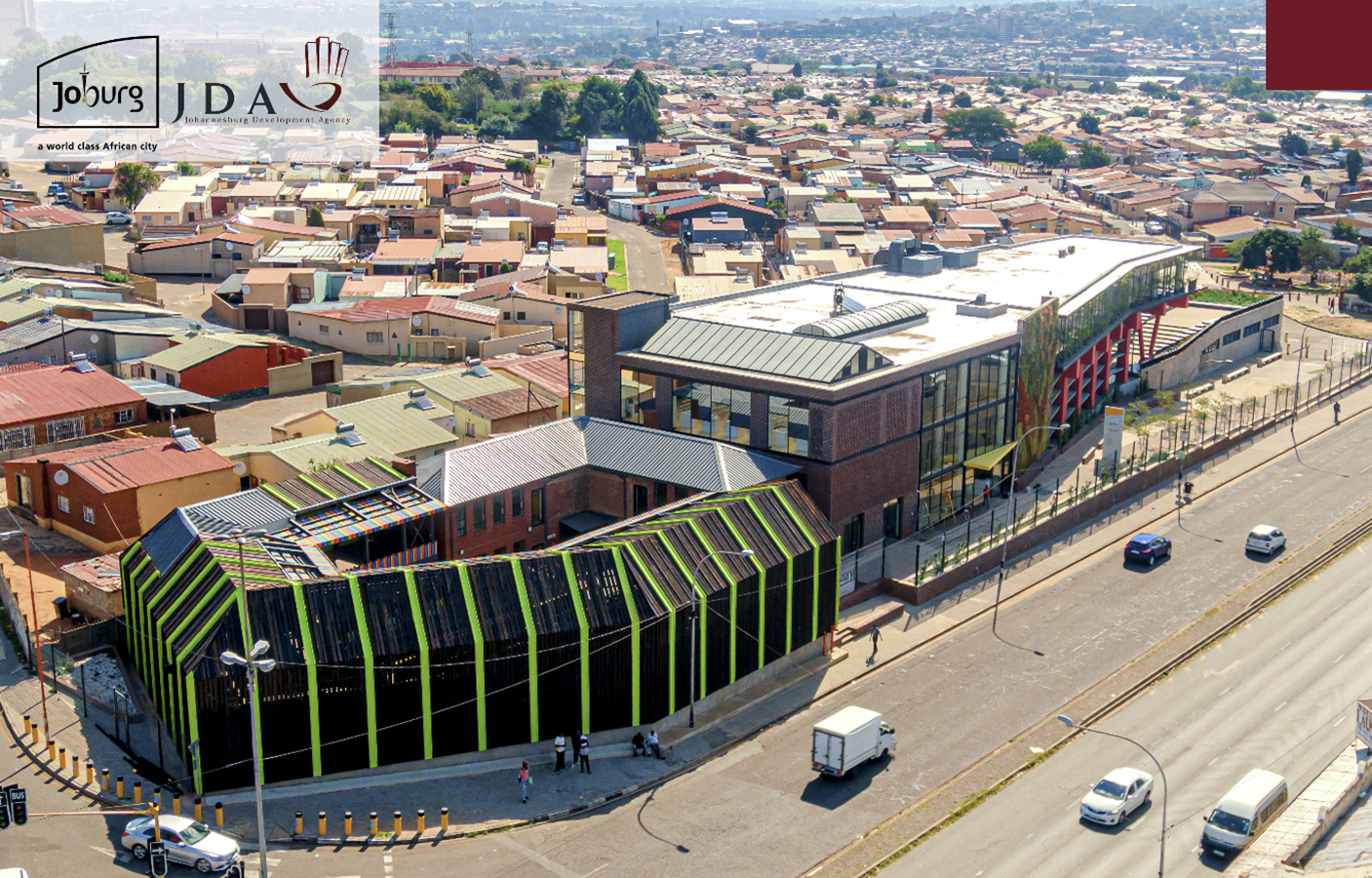
The results demonstrate that technology is not apolitical; that unless community engagement is directly attended to, smart city projects have the potential to become drivers of exclusion and even colonial surveillance. In engaging residents as co-creators of a smart city, everyday nuances of life and survival strategies that traditional surveys often overlook can be embedded in the design. In conclusion, it was indicated that the only way to bridge the ‘smart divide’ and ensure that innovation is socially inclusive and empowering for marginalized urban neighborhoods is through social scaffolding and feelings of social belonging.
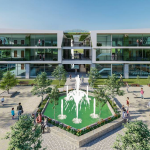
Innovation, Culture, and Education (ICE) building, ZHR industrial park, Israel.
A novel method called crowdsourcing system was investigated and used to enable total automation of interactions between architects and a wide array of stakeholders, including developers, neighbors, and employees who have yet to be hired. This architecture, which makes use of the “wisdom of crowds” mechanism, supports active interaction phases between the general public and conceptual plans conceived by different architects. This mechanism has effectively tackled conventional obstacles to design participation, including a lack of knowledge, bureaucratic processes, and the prohibitively expensive nature of interaction.
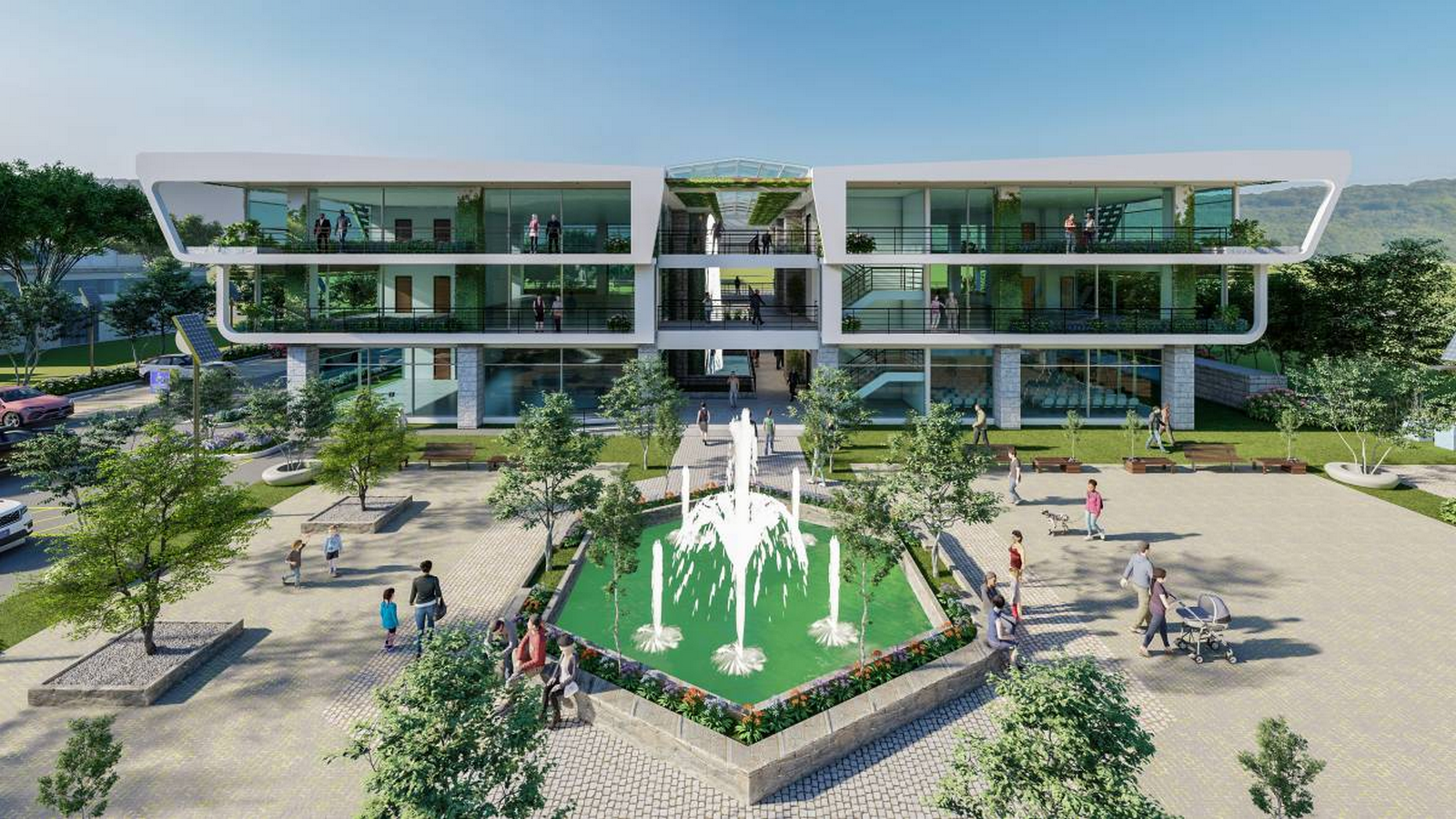
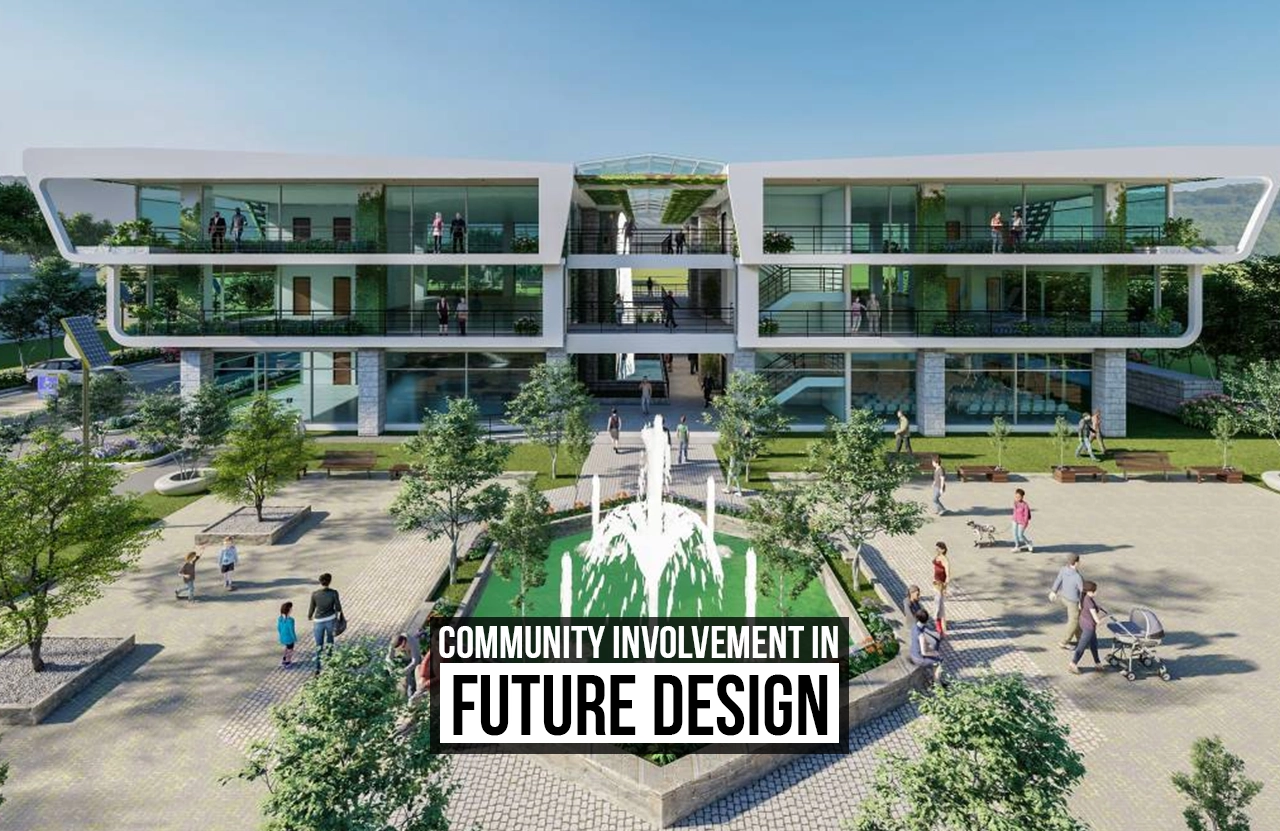
The results show that the proposed automatic approach to participatory design processes indeed facilitates a high-quality conceptual design while having a closer correspondence with the wishes of the community compared with a non-automatically performed top-down approach. Besides, it was determined that transparency of the participatory design process facilitated a very high level of stakeholder’s satisfaction and trust. The proposed approach can be used as a template for the future practice of design, as it demonstrates the potential of the use of sophisticated technical means for the democratization of large-scale architecture, making the design process fair for the designers and socially sustainable.
Practice & Tools
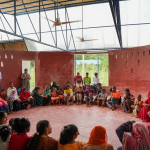
In a Schools of Thought Conference, there was a discussion on practice and tools that centered on shifting community involvement from a peripheral renegade practice to a rather conventional methodology. A major takeaway for practitioners is that timing is critical: participatory design has to happen at the conceptual level but not after designs have been concluded. Practical success hinges on the expert citizen model: professionals go to where people are, whether church basements, parks, or community centers, to co-produce. Methods such as spatial agency and asset-based community development note how residents can be assisted in envisioning their own latent expertise, whereby architecture ceases to be a transactional product but rather a social manifestation of community needs.
Emphasized were also novel pedagogical tools that make designers aware of cultural biases and systemic barriers. For example, practitioners employ oblique strategies such as improvisational theatre techniques and non-human perspective exercises to uncover blind spots like white saviorism or Eurocentric biases. Other pedagogical tools are cross-cultural collaboration tools, including surveys based on dimensions such as “individualism vs. collectivism” and “notions of time” that help identify commonalities across diverse groups such as Native American tribes. In using reflective and interactive tools of this nature, designers are able to surpass shallow consultation toward a value-based, sustainable practice that focuses on human relationships and social justice rather than merely the physical deliverable.
Future Perspectives: Radical Inclusion as a Standard
Entrepreneur and scholar Victor Santiago Pineda sees the cities of the future with the development of Radical Inclusion, wherein community engagement is the basic operating system for cities. This is a paradigm shift from consultation to co-production, with the specific focus on the experiences of persons with disabilities to really make these environments work for all.
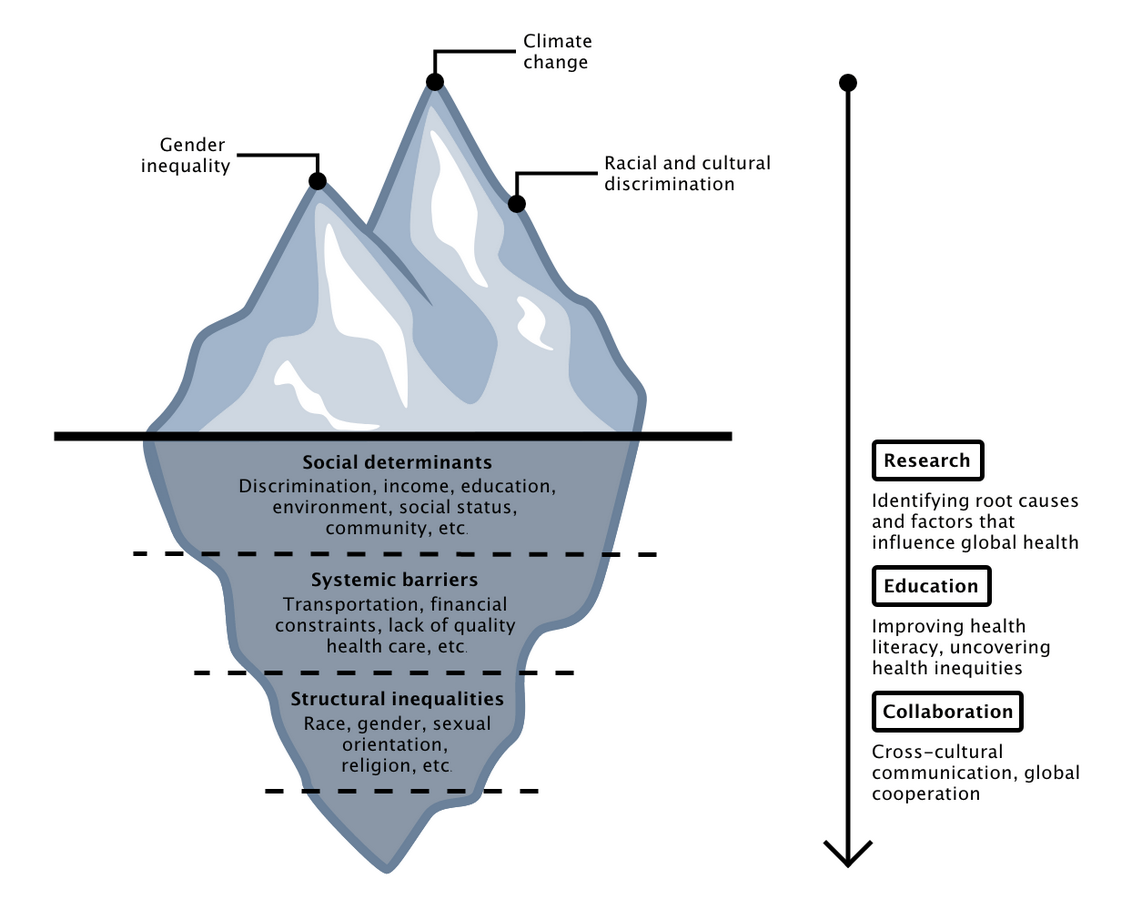
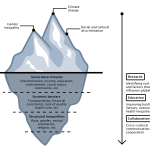
A big impediment to this potential future, however, is the “Iceberg of Inequality,” where physical barriers provide a façade for inequalities and exclusive systems of governance and management, where community engagement is relegated to mere tokenism. Pineda proposed a potential solution to this problem through his idea of “Governance by Design,” which consists of subverting the conventional notion of power structures by placing marginalized voices directly onto boardrooms, along with developing community awareness and literacy in design.
The path forward, therefore, is Smart City 3.0, which prioritizes the use of technology, like crowdsourcing accessibility maps, to amplify the voices of the vulnerable, rather than allowing technology to replicate the exclusion of the vulnerable. With Smart City 3.0, we can envision a future where our cities change from being hard infrastructures to being compassionate “socio-material assemblies” where the idea of belonging is recognized as a universal human right, with every individual being a stakeholder.
Designing With the People
The future of design will be one of transition from “designing for” to a form of “designing with,” in which community engagement is thought of as the underlying operating system for urban governance. It is essential to achieve a structural shift within the formation of inclusive future designs and cities by maintaining a seat at the table for those with lived experience, moving from radical consultation to co-production, and thus escaping the “Iceberg of Inequality.”
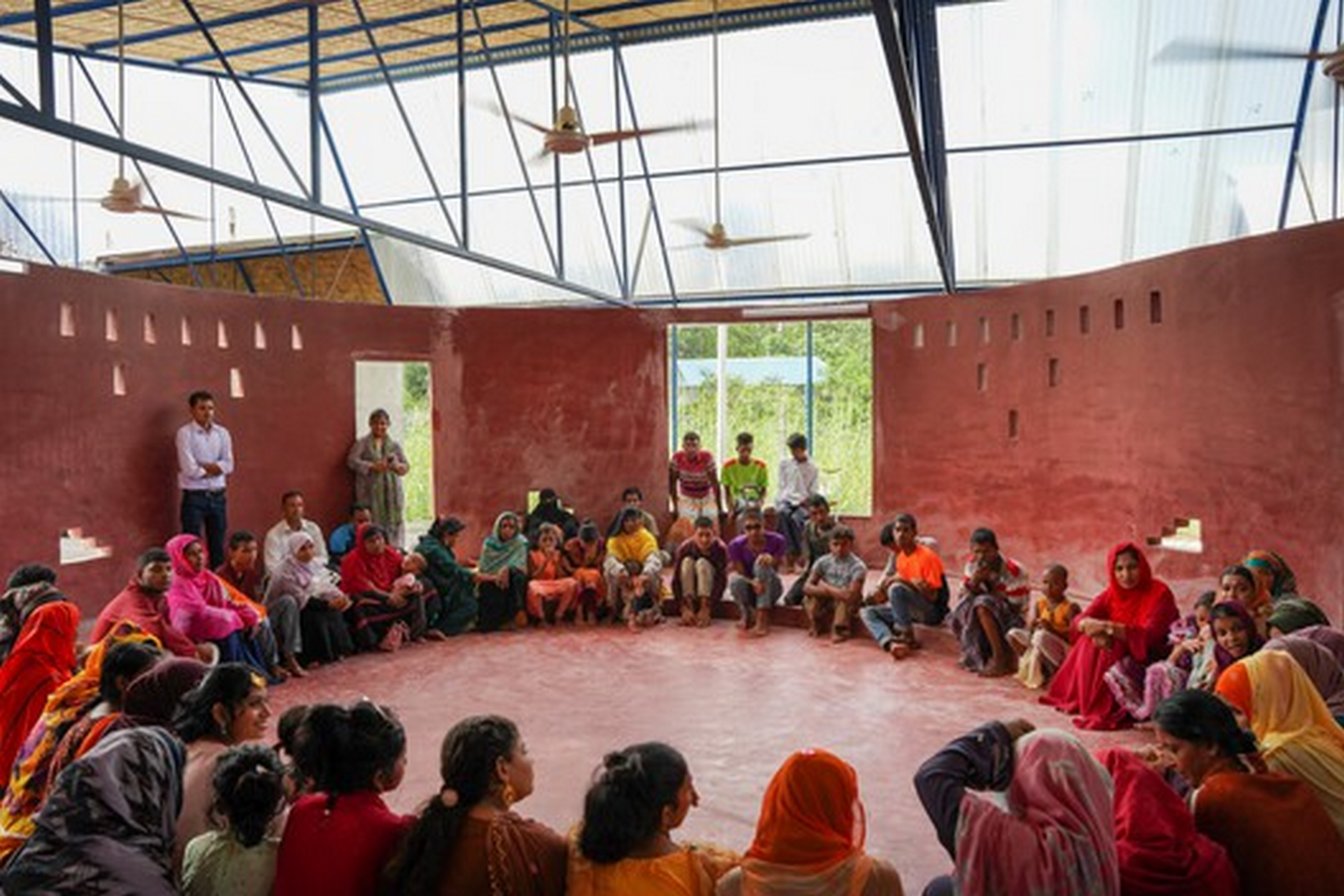
To be successful, there is a need to grasp crucial leverage points, such as focusing on early, iterative, and inclusive engagement with stakeholders, mobilizing intersectional communities, as well as using various participation methods. After all, equitable results will only be ensured by means of equitable processes. If we place human values at the heart of design strategies and develop “mutual learning” between expert citizens and designers, we will be able to create resilient, smart, as well as accessible neighborhoods. This comprehensive strategy will allow cities and their designs not only to be efficient infrastructures, but will also recognize belonging as a human right, comparable to those of previous as well as subsequent generations.
Citations:
- Wacnik, P., Daly, S. R., and Verma, A. (2025). Participatory design: a systematic review and insights for future practice. Cambridge: Cambridge University Press.
- Fenn, T., and Naidoo, R. (2024). The participatory futures method: An approach to co-projecting smart urban neighbourhood places in resource-scarce communities. Waterloo: University of Waterloo.
- Luo, L., and Cascini, G. (2023). Conceptual Architectural Design at Scale: A Case Study of Community Participation Using Crowdsourcing. Basel: MDPI.
- Pineda, V. S. (2024). Inclusion and Belonging in Cities of Tomorrow: Governance and Access by Design. Singapore: Palgrave Macmillan.
- Gibbs College of Architecture. (2020). Schools of Thought Conference: Participatory Design and Community Engagement. [YouTube Video]. Available at: https://www.youtube.com/watch?v=GPyYuGNVXxY. [Accessed: 11/ 02/ 2026].