The growing importance of the climate crisis has changed how we discuss architecture. Now, environmental performance and carbon responsibility are central to design choices. Among the various factors, embodied carbon emissions from material extraction, production, transportation, and construction has become a crucial measure of sustainability. While this shift has created necessary accountability, it has also sparked major conflicts, especially with historic and heritage structures. In India, where the built environment is filled with cultural history, craftsmanship, and community continuity, focusing on green principles often clashes with preservation efforts. This raises an important question: when environmental efficiency and collective memory are at odds, which value should architecture prioritize?
Embodied Carbon as a Contemporary Paradigm
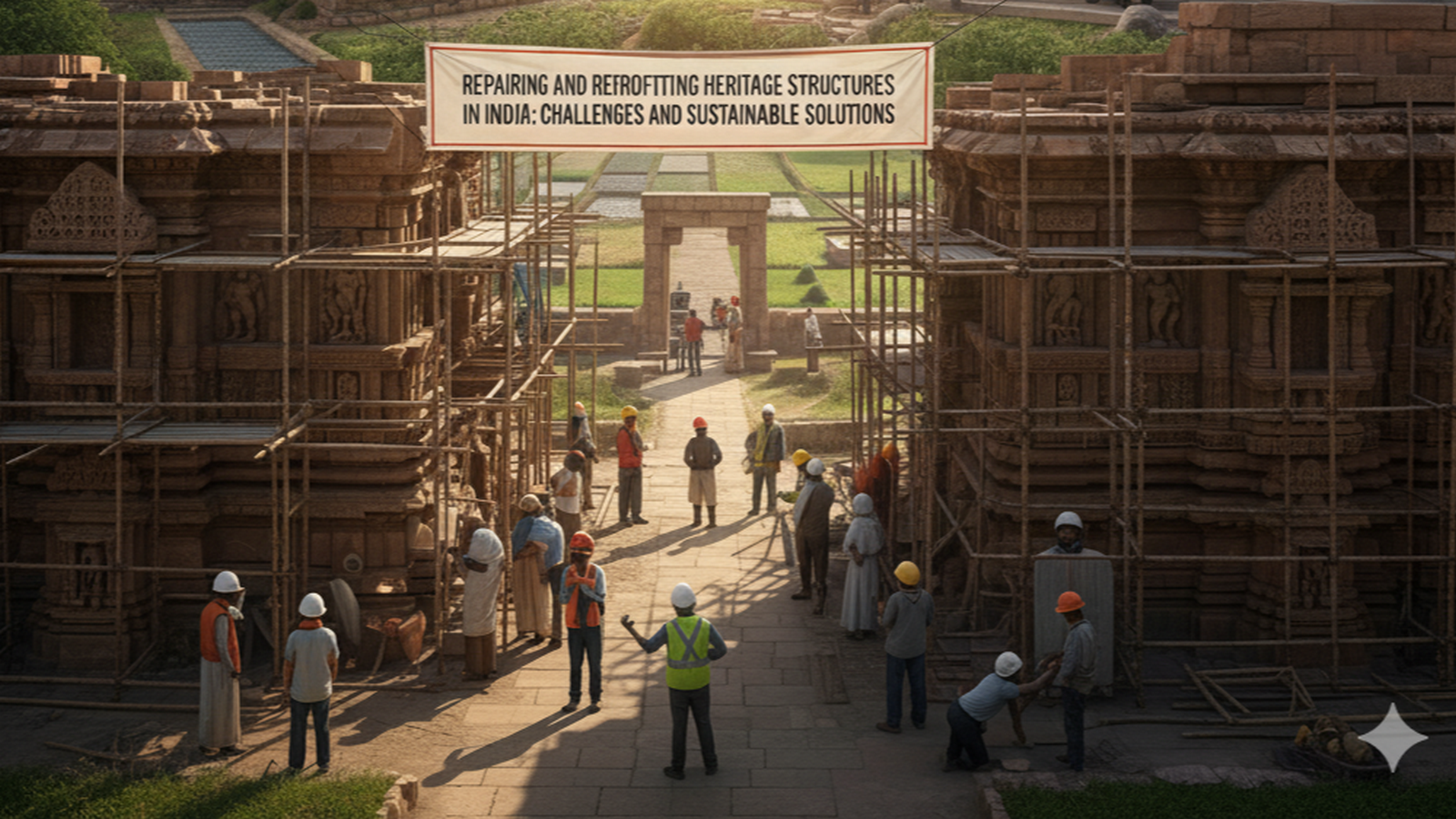
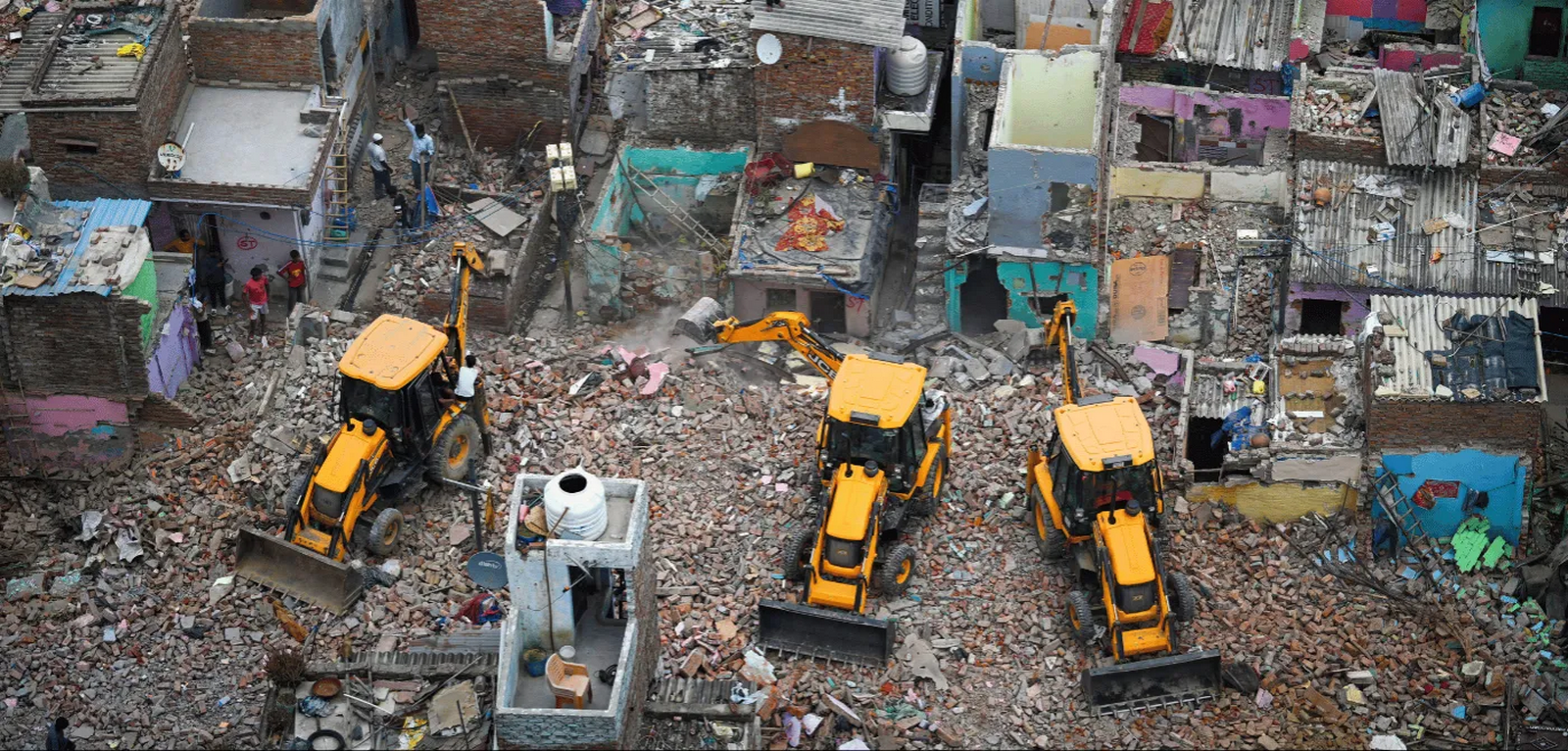
Embodied carbon offers a way for architects to measure the environmental impact of buildings. In rapidly growing areas like India, this measure has gained importance as cities work to reduce emissions while handling growth. Many current sustainability models often encourage tearing down and rebuilding. They argue that new buildings can achieve better efficiency using modern materials, insulation methods, and renewable technologies. However, these approaches typically do not fully consider the environmental consequences of demolition. Tearing down buildings releases stored carbon, generates waste, and involves making new materials, particularly carbon-intensive ones like cement and steel. In Indian cities, where traditional buildings mainly use masonry with lime mortar and locally sourced materials, the carbon already found in these structures represents a valuable environmental resource that policies and practices often ignore.
Memory, Heritage, and the Indian Urban Condition
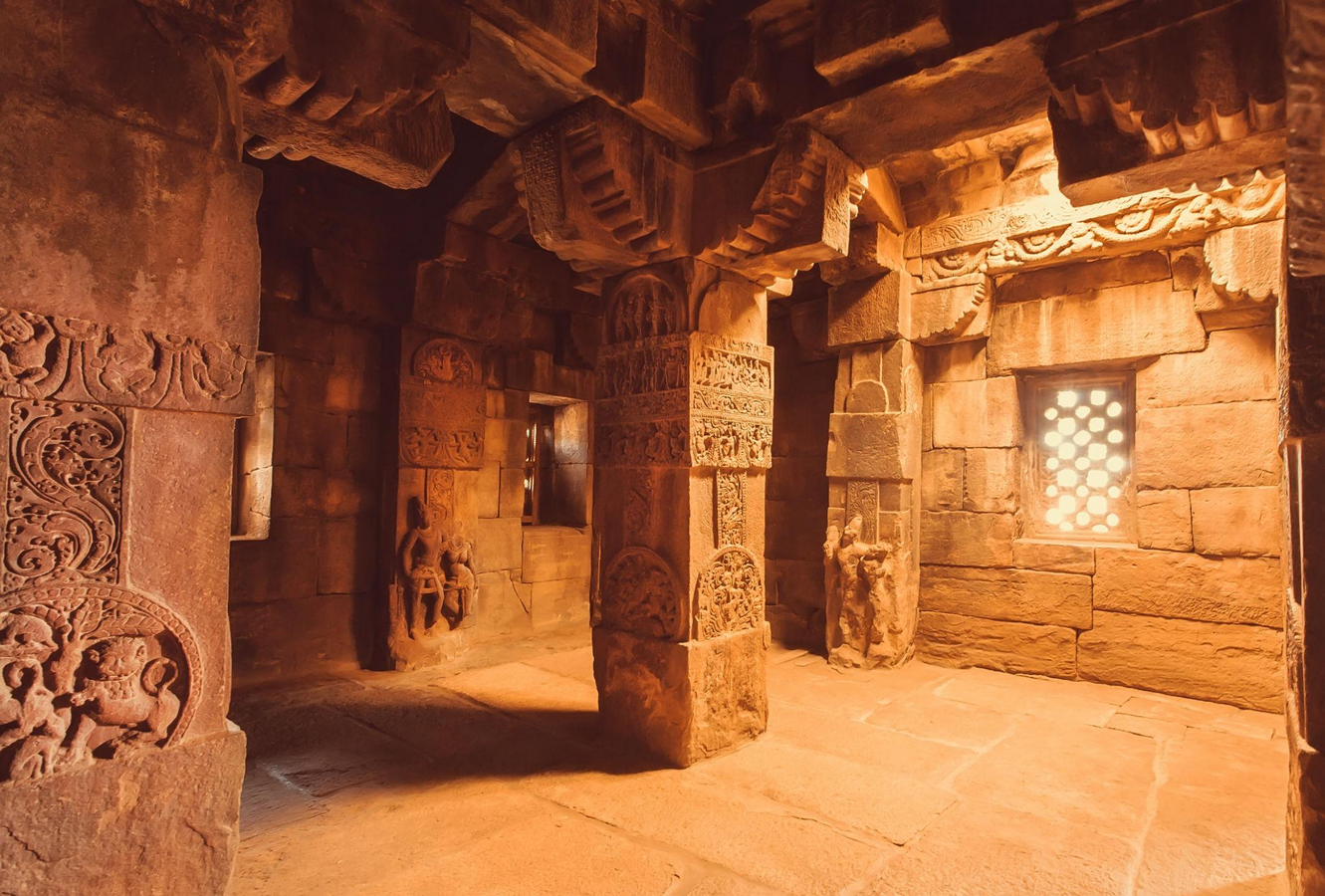
Memory in architecture involves more than just style; it reflects the ongoing connection to culture and history within the built environment. In India, historical structures, like colonial buildings, royal palaces, traditional homes, and temples, serve as important records of social history and shared identity. Their physical presence demonstrates climate-friendly techniques developed over centuries, while their layout shows social connections and cultural practices. When these structures disappear, it is not only a physical loss but also a loss of knowledge. Demolishing heritage buildings for sustainability can wipe out important skills and systems, such as traditional construction techniques, passive cooling methods, and local material use. Memory cannot be measured like carbon, but its absence fundamentally alters the character of cities and communities.
The Issue of Misleading Dichotomy
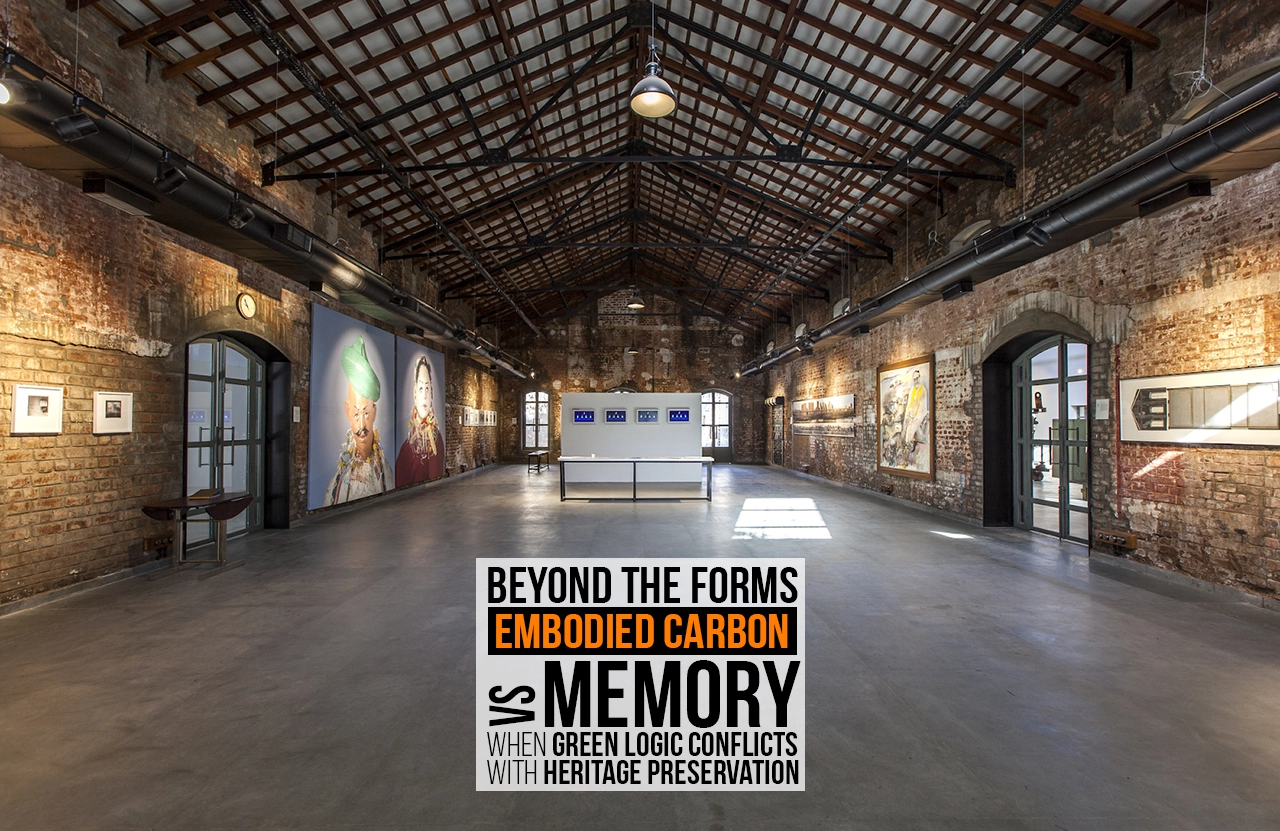
Positioning embodied carbon and memory as opposing values creates a misleading split that oversimplifies sustainability. In India, where limited resources have often meant durability and repurposing, longevity has been an ecological approach. Many historic buildings were designed to be maintained, modified, and expanded over the years instead of being replaced. Adaptive reuse challenges the idea that sustainability requires innovation. Keeping existing structures saves embodied energy and allows for targeted improvements that enhance performance. Upgrading the structure, improving insulation, and adding modern services can extend a building’s lifespan while maintaining its cultural significance. In this way, preservation supports sustainability by promoting continuity rather than replacement.
Adaptive Reuse as Essential Practice
Adaptive reuse in India is more than just a technical solution; it is an important architectural practice. It requires balancing regulations, heritage values, and environmental goals. This process often demands more design skill than new constructions, as architects must work within the limits of existing materials, dimensions, and spatial relationships. Additionally, adaptive reuse focuses on social sustainability. Heritage buildings are often located in central urban areas and serve public purposes, such as courts, schools, markets, or cultural institutions. Their continued use strengthens civic memory and reduces the social displacement that often comes with large-scale redevelopment. In this context, memory becomes a positive force for sustainable urban living rather than an obstacle to progress.

Constraints of Technocratic Sustainability
The conflict grows when sustainability becomes just about performance indicators and certification frameworks. These frameworks usually prioritize uniform solutions over specific local needs, putting heritage buildings at a structural disadvantage. Using green principles without understanding cultural or historical contexts can create a narrow viewpoint that prioritizes efficiency over significance. In cities throughout India, this simplification causes major problems. Removing established frameworks disrupts neighborhood identities and weakens informal social ties. When environmental responsibility is disconnected from social and cultural contexts, it results in cities that are technically skilled but fail to offer meaningful experiences.
Reconceptualizing Sustainability within the Indian Framework
A broader definition of sustainability should include both environmental performance and cultural strength. This calls for policy changes that recognize the carbon value of existing buildings and promote repair, retrofitting, and reuse. It also needs a shift in architecture education and practice, where memory and heritage are seen as design elements rather than constraints. In a country where building traditions grew from resourcefulness and awareness of the climate, sustainability should not be presented only as a technical idea. Instead, it should be examined through the perspective of indigenous practices in conservation, adaptation, and continuity.

The conflict between embodied carbon and memory reveals a deeper struggle between technical efficiency and cultural responsibility. In the pursuit of measurable sustainability, architecture risks losing the continuity that allows cities to maintain their importance over time. If historical buildings hold carbon, labor, and shared identity, does tearing them down for green progress represent environmental responsibility, or does it show a missed chance to recognize that preservation might be one of the most impactful sustainable actions.